The growth of employer-backed cycle-to-work leasing schemes offers a sweet incentive to today's tough commuter. This shared-bike perk – usually paid for by a salary sacrifice – purports to save you money, improve your health, and help reduce the impact of taking your car on the road. But even if "free coffee" feels magical, is it still actually a valuable investment of your hard-earned employment benefits? This detailed review examines the important factors you need to take into account before you commit yourself to cycling inside one of these popular programs so that your choice is an educated one.
Rank #1: The Economics - Savings vs. Total Cost
The lasting appeal of a company bike scheme is the financial benefit, and for the most part, it's tax-led. By leasing an Electric Bike via salary sacrifice, you pay for the E-Bike from your gross salary (pre-tax), which means both income tax and National Insurance are applied after this. This has the potential to knock a significant chunk off the price of the bike in the shops. But a true financial evaluation must take into account more than just the sticker price. You need to know the total lifecycle cost of the deal so you can calculate what it really does for your pocket. A close examination must be made to compare the upfront tax benefits with potential end-of-lease costs or other financial considerations.
Significant Monetary Benefits:
- Big Tax Savings: The main selling point is shelling out for the bike and accessories before taxes, which is like a de facto discount on the whole package. The precise savings depend on your personal tax bracket.
- No Big Upfront Payment: Instead of paying upfront once, the cost is spread over time (typically 12-48 months) through easy monthly payroll deductions.
- Packaged Costs: A lot of programs offer basic packages that include insurance for theft and damage, as well as routine maintenance and servicing—all costs you’d have to spend on the side.
Financial Disclosures:
- End-of-Lease "Fair Market Value" Payment: You don't own the bike at the end of it all. If you want to keep it, you’ll probably have to pay a final “fair market value” fee. Pro Tip: Find out how this number is arrived at from your scheme provider before you sign up – it may affect the nature of all your savings tremendously.
- Effect on Other Benefits: A lesser gross salary from salary sacrifice may, in some cases, affect other benefits, such as pension contributions or the level at which some life insurance pays out. Check with your HR department.
- "Scheme Administrator Fees": It's not always laid out so clearly, but some of your payment is sent to the company that runs the scheme, and this should be factored into the headline price.
Dimension 2: The Lifestyle Transformation - Health, Convenience, and Environment
But numbers aside, a company bike can genuinely revolutionize your daily life – here we take a look at the powerful trifecta of impact it can have on your physicality, mentality, and on personal carbon. By choosing to ride an Electric Bike, not only do you avoid the daily toil of sitting in a traffic jam or squashed into commuter trains or buses, but it’s colourful too! It simply becomes an active, delightful part of your day. This can make a world of difference – the real kind that’s tough to measure in hard currency but is priceless when it comes to feeling good about living. The perk goes beyond a way to get from point A to B, but rather a means to live healthier and more sustainably.
Personal Health and Wellness Benefits:
- Built-in Exercise: Utilizing an e-bike is an easy way to sneak in some exercise that doesn’t require a trip to the gym, while providing low-impact cardiovascular exercise.
- Less Stressful Commuting: Riding into work in the fresh air can bring moments to relax and refresh, enjoyed from a cool new perspective while you’re stuck in traffic or riding cramped public transit. Ultimately, it may mean you arrive at your job happier and less stressed.
- Boosted Mental Clarity: The fresh air and physical activity may lead to a feeling of positivity, higher energy levels, and a mental escape from workplace pressures.
Environmental and Practical Benefits:
- Emission-Free Mobility: Every time you travel by bike instead of a car, your personal carbon footprint and contribution to urban air pollution declines.
- Unparalleled Urban Convenience: E-bikes are where you’re going for short- to medium-range urban outings, largely supplanting slow public transit and removing the hassle of driving.
- Predictable Travel Times: While driving can be a toss-up due to traffic, biking has relatively consistent travel times, so it is easier to manage your time.
Level 3: Practical Logistics – Maintenance, Security and Commitment
It is like handling the bike from a business and daily use perspective. Although the leasing company takes care of the initial purchase, it’s up to you to look after the bike and ensure it is used properly and securely. The first step is to understand the terms of your lease agreement: It determines what happens in a variety of scenarios, from having nothing worse than a flat tire one morning to the bike being stolen or you leaving your job. Getting ahead of these kinds of logistical details will help ensure that if any problems arise, they're taken care of easily and inexpensively, rather than becoming a headache or an expensive problem in the longer term.
Key Logistical Points to Note:
- Repairs and Maintenance: What kind of maintenance is included in your plan? If applicable, what would your plan cover (annual check-ups, brake adjustments, puncture repairs)? What are the locations of the authorized service centers?
- Insurance: Please verify with the terms of insurance. Does it cover theft at home and in public? What is the excess fee? Invaluable tip: Look up the lock requirement. Some policies require a certain level of security-rated lock (e.g., Gold Sold Secure) to be in use for any claim to be valid.
- Secure Parking: Do you have a safe location to park the bike at home (locked garage or shed) and at work? This is a common term of the insurance policy.
Coping With Changes in Circumstances:
- Leaving Your Job: What is the early termination policy? Sometimes you have to cough up the balance of the lease from your last 'net' pay, and you lose everything tax-wise.
- Long-Term Sickness or Parental Leave: Before you go on extended leave, this coverage allows you to see how you’ll be paid during the time off.
- Bike Damage: Who is liable for accidental damage? Ask whether this is included in the insurance or if you will be responsible for paying to repair it.
Dimension 4: Choosing Your Perfect Ride - Exploring the Strength and Versatility of Today's Electric Bicycle

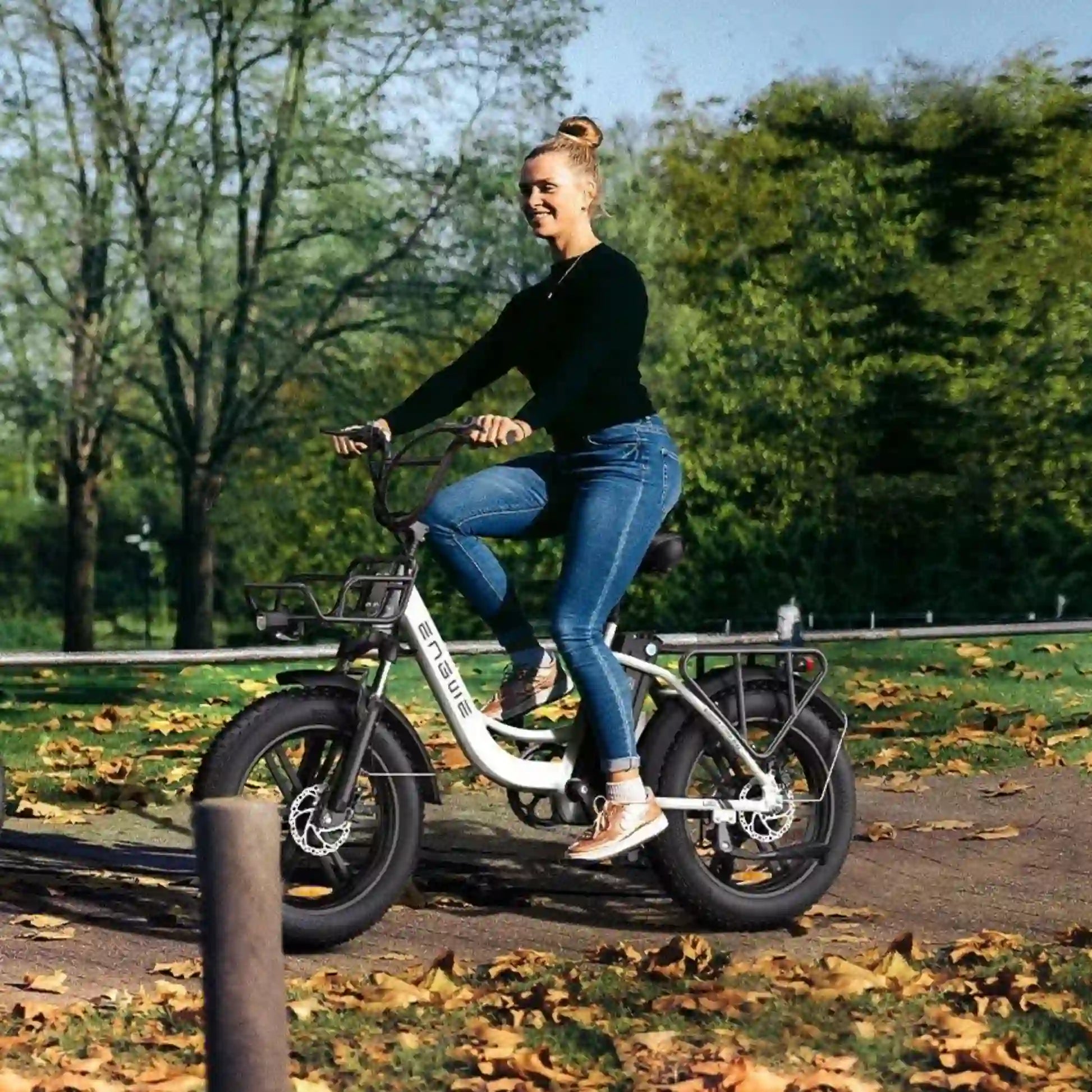
Selecting the right Electric Bike is step one for a successful company bike perk. Your choice must match your commute distance, terrain, and any extra utility you might have. Less expensive utility-oriented models are a good option. For harder hitters who still want a bit more all-around flexibility in their ride, a bike that falls between a basic commuter model and a heavy-duty cargo bike is ideal. In this category, the ENGWE L20 Boost takes the cake as a top contender. It is designed to tackle a range of requirements, which makes it an excellent all-rounder for any leasing programme. And beyond the torque sensor, of course, there’s the thrust you get from a power-boost button when climbing some steeper hills. Fat tires and front suspension provide enhanced stability and a cushier ride over bumpy surfaces, making this bike a joy to ride wherever you go—from the urban jungle to the park.

Reasons to buy ENGWE L20 Boost:
- Unbeatable Power: The proprietary power-boost button kicks in a 75Nm punch of torque that’ll have you wiping that uphill climb off your map!
- A Really Natural Feeling: The quality torque sensor provides power that feels smooth and natural; you'll be opening up thrilling new vistas on the trails in no time.
- Superior Mileage: Up to 126 km on Pedal Assist Mode, powered by a high-capacity 48V13Ah battery, no more worrying about the long way to work.
- All-Terrain Comfort and Utility: The 20x4.0 fat tires and front suspension fork help you approach the ideal ride, even on dirt, while included fenders, a rear rack with a spring clip, and polished front and rear lighting encourage vehicle-free exercise. Ideal for work gear or a weekend adventure.
| Feature | ENGWE L20 Boost Features |
|---|---|
| Motor | 250W Brushless Motor |
| Max Torque | 75 N.m with Power-Boost Button |
| Battery | 48V 13Ah Lithium-Ion |
| Max distance | 126 km (in PAS Mode) |
| Sensor Type | Torque sensor |
| Suspension | Front Suspension (50mm Travel) |
| Brakes | 160 mm Front & Rear Disc Mechanical Brake |
| Tires | 20 in x 4.0 in Fat Tires |
| Utility | with Front Basket and Rear Rack Included |

Dimension 5: Market Pioneering – A Look at Other Leading E-Bike Categories
But while an all-rounder utility e-bike such as the ENGWE L20 Boost is ideal for many riders, there are options available to cater for all eventualities in the Electric Bikes arena. Knowing these categories can assist you in verifying what is the best one that suits your lifestyle and travel to work. As you’re weighing up your options under your leasing scheme, weigh up the strengths of each design against what matters most to you—whether that’s portability for multi-modal journeys, speed when riding from A to B, or carrying capacity on the school run. This guarantees you are going to end up with a bike that you will love riding every single day.
Types of Popular E-Bikes:
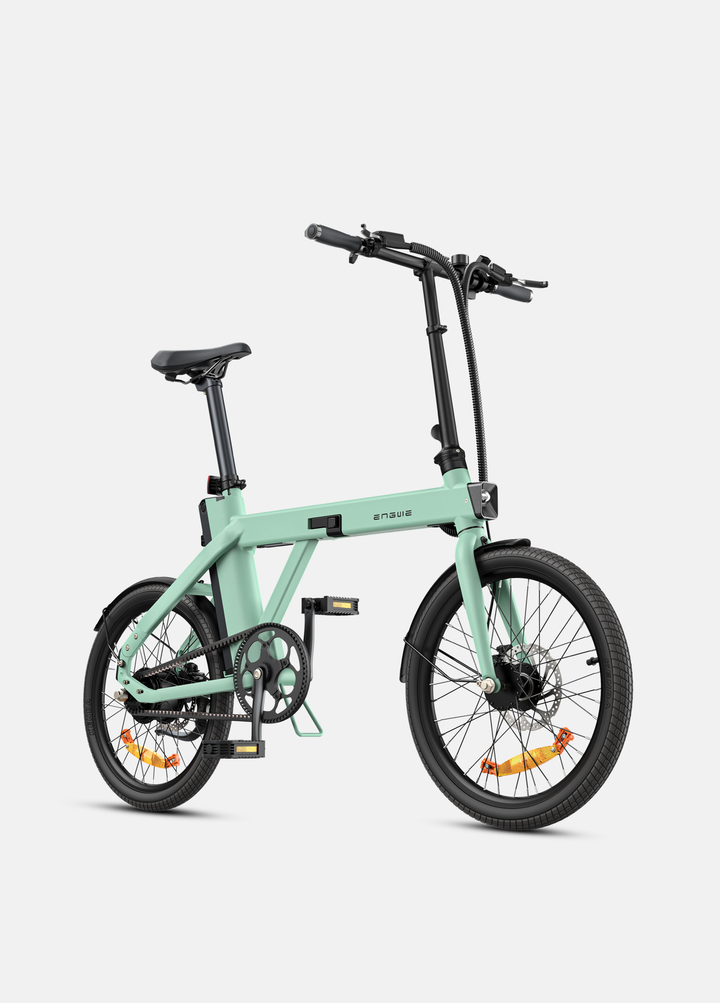
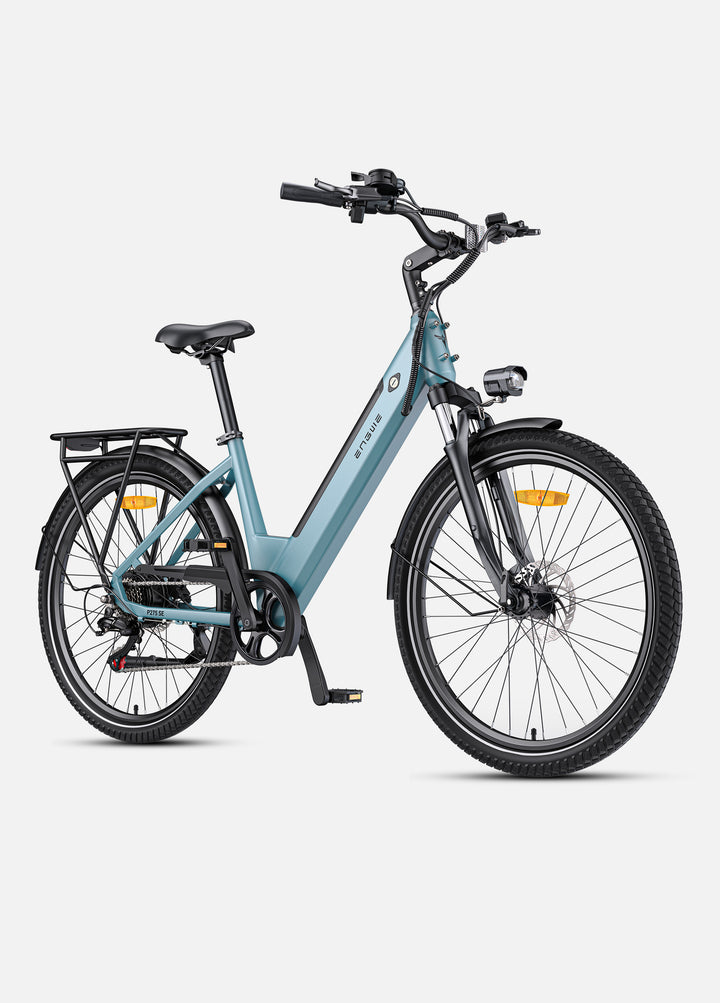
- Sleek Commuter/Hybrid E-Bikes: These are ideal options for a fast, efficient commute on paved roads. They may have integrated batteries and lights for a neat look, thinner tires that roll more easily, and a more forward-leaning riding position. They are perfect for cyclists whose commute is flat and road-heavy.
- Folding E-Bikes: Great for commuting and combining cycling with public transport, or if you have limited storage space at home or the office. Bikes like this one tend to favor a small, foldable frame for convenient carrying on trains or storing under desks.
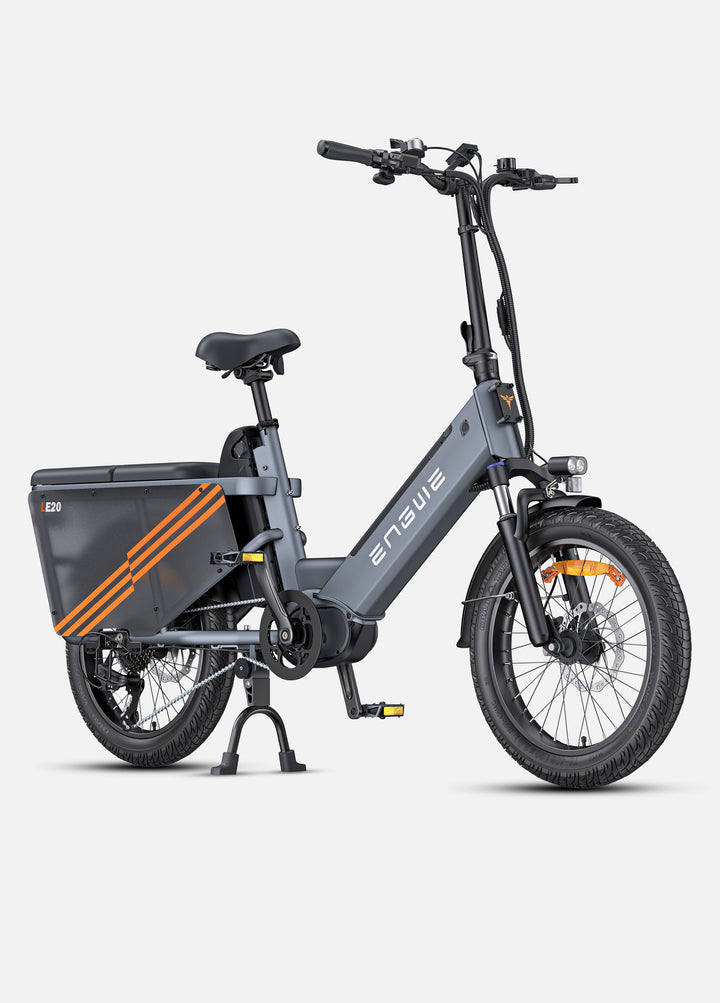
- Cargo E-Bikes: For heavy-duty hauling, these bikes also come with elongated frames and plenty of cargo space in the front or back. They are the ultimate car alternative for families on the school run or individuals who need to shift large items.
Is a company bike worth it?
Q1: Is a company bike scheme always the most cost-effective way to access an e-bike?
A: Normally yes, since the pre-tax savings are substantial. But always factor in the total cost, including any end-of-lease “buyout” fee to be sure it really is your best deal.
Q2) What do you believe is the single most important element of a great riding experience, technically?
A: A torque sensor. It feels far smoother, more intuitive, and more responsive to ride than a simple cadence sensor, lending the impression that the e-bike is simply your own pedaling power plus something extra.
Q3: Can the bike be used for personal and leisure travel?
A: Absolutely. Most schemes favor personal use, which is the biggest win of all for the perk – being able to ride your top-flight e-bike at weekends and for errands and trips.
Ultimately, a company bike scheme makes for a very nifty perk which combines fiscal flexibility with an altogether healthier, eco-friendlier way of life.