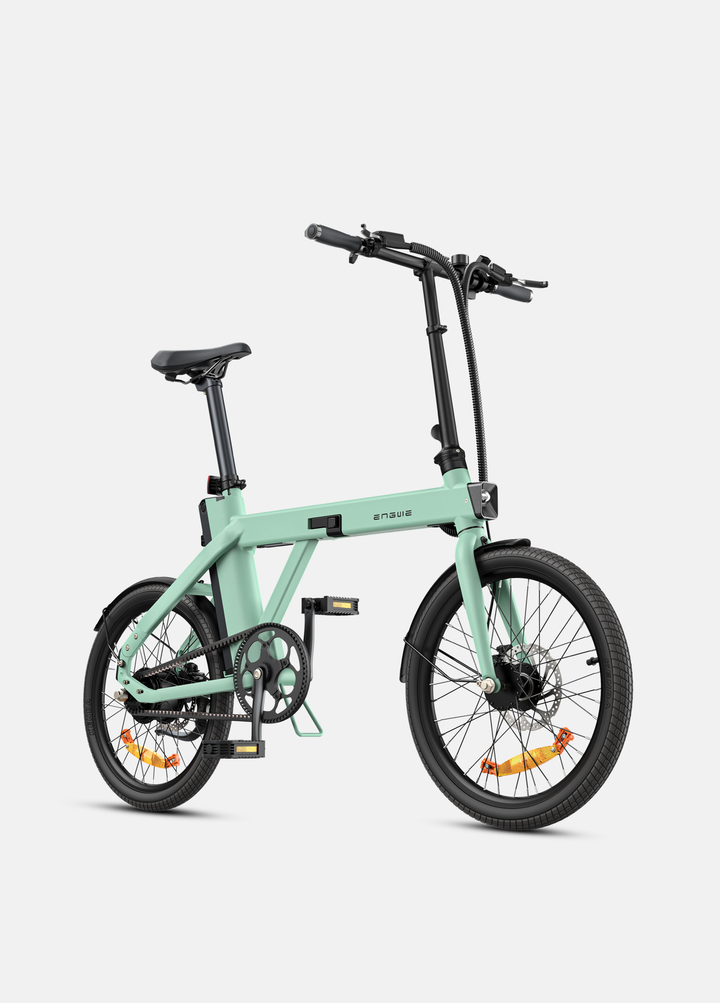
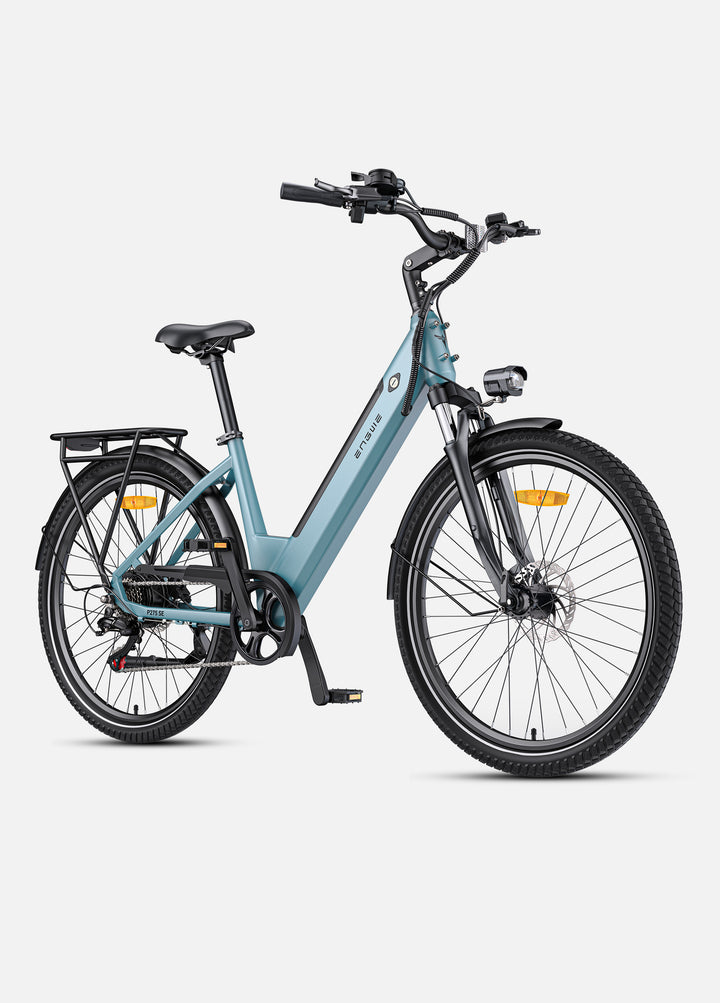
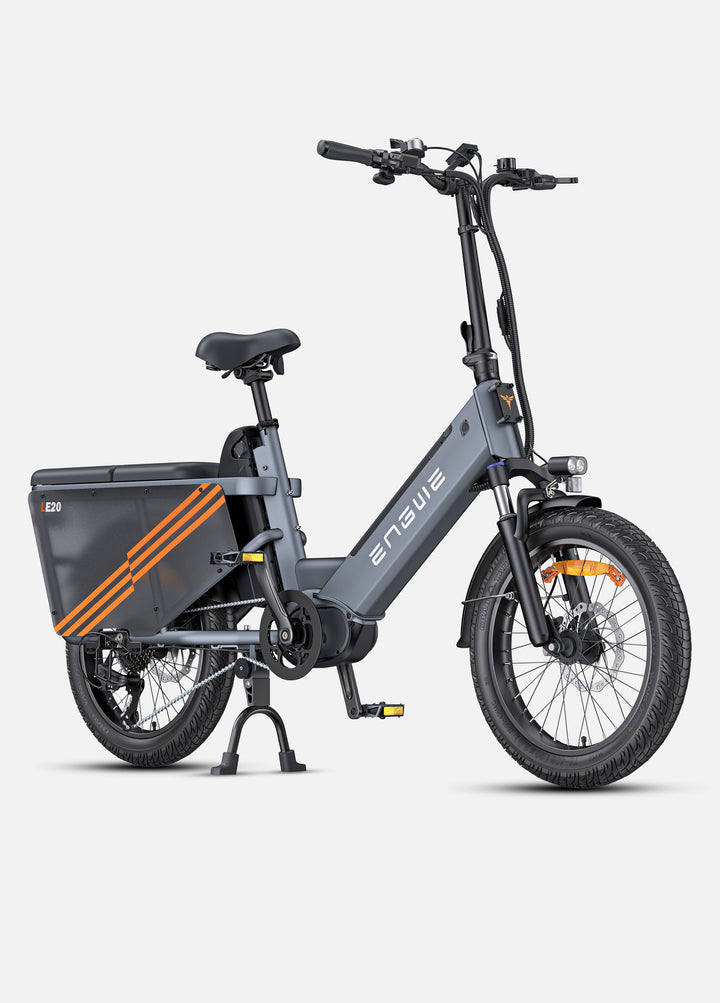
And the surge in electric bike popularity has been accompanied by a new way to get one: private leasing. You can pay a monthly fee for a top-notch e-bike, with maintenance included. But does this pay-by-the-month convenience really represent a better value than owning something? This guide takes a look at the financial, practical, and lifestyle aspects of driving in five key dimensions to help you figure out if leasing is the wise choice for your purse (and your drive).
1. The Cost Breakdown: Lease vs Buy
The bottom line is the most important question. Although the initial cash outlay is minimal with a lease, costs can add up over time. The reality is that a detailed financial examination must go well beyond the sexy monthly rate. To do that you need to work out the total cost over a "normal" lease period (24-36 months) and then compare it with purchasing an electric bike outright. Buying involves a greater financial commitment in the beginning, of course, but you ultimately own and can resell an asset — a distinct financial advantage from leasing.
Here are some of the most important financial takeaways:
- Upfront Investment: Leasing usually only involves a small deposit or first month’s payment and is relatively easy to come by. Purchasing has a high upfront cost, which is a major barrier for many.
- Monthly Commitment: Lease payments are a predictable, fixed monthly expense that usually includes insurance and maintenance, so budgeting is easy. The cost of ownership involves no monthly payments, but owners should save money for future repairs and maintenance.
- The Full Cost of the Contract: The monthly leasing fee times the length of a contract. You might realize that over two or three years, you have paid a large chunk of the bike’s retail value or more without ever owning it.
- Resale Value: This is a big upside of owning. An e-bike that’s been well cared for can hold value and you could sell it. With a car lease, of course, you build zero equity and have no asset to sell at the end of the term.
| Financial Aspect | Private E-Bike Leasing (24 Monthly Payment Example) | Direct Purchase (Example) |
|---|---|---|
| Start-Up Cost | Low (1-Month Fee) | High (Full Retail Price) |
| Monthly Cost | Fixed recurring fee | 0 (After purchase) |
| Included services | Maintenance, repairs, often insurance | None (responsibility of owner) |
| Cost for 24 mos | Maybe high (Check 24 x monthly fee) | One Time Purchase Price |
| End-of-Term Value | Zero. You return the bike. | Asset with resale value. |
2. The Convenience/Maintenance of Peace-of-Mind
The biggest advantage of leasing is that it's all "packaged" up for you, meaning you don't have to worry about how to break down the final drive ratio yourself if you're a little mechanically challenged or if your time is worth too much compared to your lack of know-how. This is a model that offloads the duties of ownership. The leasing company is responsible if the bike breaks or has a flat tire, or if it needs service; often, they’re zippy about fixing issues or replacing bikes. Clear peace of mind is certainly something tangible to appreciate, but it’s worth understanding exactly what is and isn’t covered in your agreement.
Here are some pros and cons of convenience:
- Comprehensive Maintenance: Many lease options include routine maintenance, brake adjustments, chain replacements and flat-tire repair. This saves the time and money of locating a local bike shop and paying for repairs. Suggestion: Find out if there’s a cap on service calls or whether accidental damage is covered.
- Theft and Damage Insurance: The fact that many leasing services come with insurance is a huge bonus. In case of theft or damage to your e-bike, the company handles replacements so you don't lose on that money. Key Detail: Always read the small print on how much excess, or deductible, you’d need to pay in the event of a claim.
- No Resale Hassle: At the end of the term, you just return the bike. That all said, you don’t need to find a buyer or haggle the price or figure out how to sell a used electric bike.
- Service Restrictions: Consider the service area. If you have a problem outside of its approved operating area, you might be out of luck. Be sure to look at their service map and policies before signing up.

3. Flexibility, Upgrades, and Commitment
Your lifestyle and demands can change, and technology in the e-bike world is always on the move. There are a level of flexibility to holding that you just can’t get with leasing. It lets you be flexible, so that whether a new technology comes out or you simply want to change things up with the latest models, you're not stuck with one product. That makes it a great choice for people who live in temporary locations or are looking to try out e-bike life before they invest long-term. But this is all subject to the limitations of your contract.
And here is how flexibility plays in a leasing model:
- Try Before You Buy: Leasing is the long-term test ride of the ultimate variety. There’s no better way to know that it fits into your life than riding an e-bike for 12 months (or more) on your daily commute before you actually buy one.
- Access to the Greatest Tech: E-bike motors, batteries and smart features get better every year. When you lease a device, it makes it easier to trade-up to the latest technology with new components.
- Matching Your Needs: Maybe you began with a little commuter bike, but you now need a cargo e-bike for your little family. Some leasing companies may permit you to change models mid-contract or at the end of your contract.
- Contractual Lock-In: The drawback is the commitment. If you want to terminate your lease early, there is likely to be a substantial penalty. You cannot sell the bike, just as you could a bit of a portable weiner roast if times got tough. Bottom Line: Before signing, always be extremely clear on the early termination provision and any costs or cost reduction.
4. The Best of Both Worlds: Premium Ownership without ENGWE
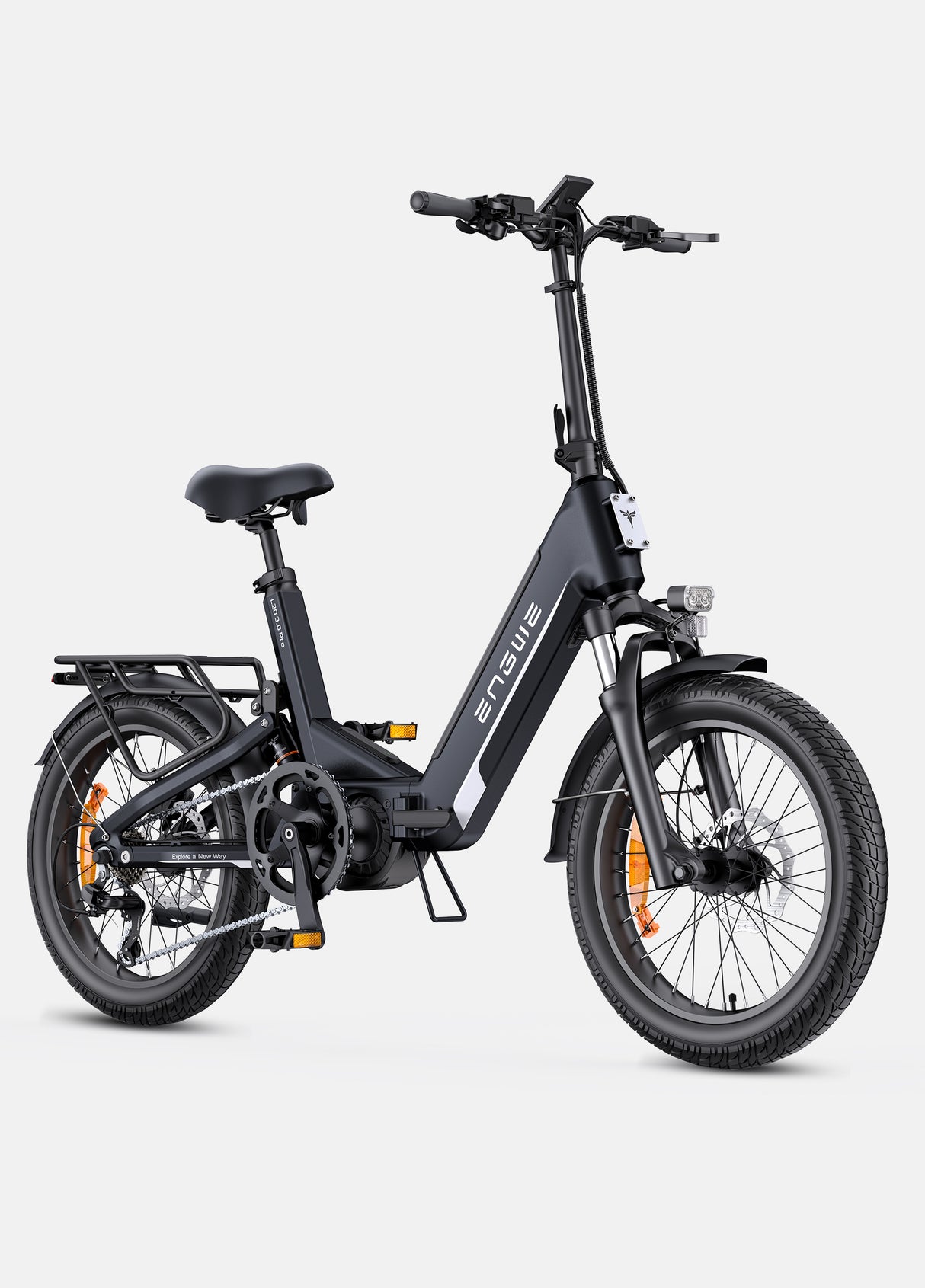
Though leasing is efficient, the real value appears to be owning an electric bicycle with premium features like this that remove some of the setbacks that leasing tries to fix. For the thoughtful rider that wants to obtain long-term value, performance, and peace of mind without monthly fees purchasing a premium brand like an ENGWE is the better way. ENGWE’s prides itself on a bike that is unmatched, and this model delivers high-performance from the very first day you take it out for a ride—while offering some of the most advanced technology available today to match security features found in any lease program costly.
Taking possession of the ENGWE L20 3.0 Pro provides advantages that make it much more valuable than renting:

- Strong and Stable on Rough Mountain Roads: The 250W Mivice mid-drive motor provides the high speed of 100Nm, better adapt to rain weather and rainy roads making mountain climbing easier.
- Super Long Range & Quick Change: With its oversized 720Wh Samsung battery, it has a stand-out range of up to 160km and supports fast charging of up to 8A so you can spend less time waiting and more time riding.
- Ride in Supreme Comfort: Designed as the world's first compact e-bike with full suspension, it absorbs up to 90% of vibrations ensuring you have an ultra-smooth ride along city streets.
- Enhanced Anti-Theft Protection: A built-in ENGWE IoT module means you have advanced anti-theft support such as real-time app alarms, GPS tracking, and mobile-based monitoring to ensure you have the same or better security like lease services.
- Fit for Life: Our L20 3.0 Pro can accommodate a high maximum load of 150kg, comes with foldable step-through frame for convenient storage and anti-puncture efficiency tyres to ensure the bike is a reliable investment that you will be able to use time after time years down the line; delivering far more value than any short-term leasing card agreement!

5. Finding E-Bikes: Various Leasing Alternatives
If you conclude that short-term rentals are good enough for what ails us, it’s worth getting the lay of the land. The market is fragmented, with a range of providers offering different levels of service and specializing in price points and types of electric bikes. Not all leasing services are created equal — and the best one for you will depend heavily on your location, budget, and how you want to use it. (and it is on your to-do list), doing your homework will help you find a program tailored for your needs and eliminate any unwelcome surprises later.
Here are the main types of leasing options, as well as different e-bike models that you can find:
- Specialist E-Bike Leasing Companies: These are specialist leasing operations that only exist in certain cities. Many have their own branded bikes and offer a full package such as the e-bike, maintenance, insurance and more in one monthly fee.
- Cycle-to-Work Schemes: In some countries these government-sponsored schemes, provided via employers are an easy way to lease and pay for your e-bike (including adding on added extras) through pre-tax salary deductions and save a bundle. Often, you can purchase the bike for a low final fee.
- Retailer or Manufacturer Programs: A few large bike retailers (and in some cases even manufacturers) have their own lease or finance programs. These can be a great way to get your hands on a particular brand or model you’re interested in.
Popular Types of E-Bikes for Lease:
- Commuter/Hybrid E-Bikes: The most popular type and are ideal for city riding and commuting.
- Folding E-Bikes: Designed for those who need to integrate their ride with public transport or have limited storage space.
- Cargo E-Bikes: One of the fastest-growing types, for families or small businesses that need to move children or goods.
What is leasing best for?
Lease options are a great fit for short term residents, budgets that are stretched thin at the beginning or need immediate access to an e-bike and people who value all-in maintenance included hassle free service above all else.
One Key Item to Look at in a Lease Contract?
Always read the “fair wear and tear” policy with a fine-toothed comb. Get to know what is normal use and what damage the company will charge you at the end of a lease period, so you’re not hit with surprise charges.
Can you purchase the e-bike when your lease is up?
A lot of companies do offer a buyout, but the deal isn’t always that attractive. Take the sum of everything you’ll have paid (all lease payments + final buyout) and compare it to what the bike would sell for new.
In the end, the comparison of these dimensions to your personal requirements and long-term goals will provide you with your real value for e-bike leasing.