Financial Deep Dive: Inside the Sticker Price
The obvious reason to buy refurbished is the price, but a really smart financial choice goes beyond that initial discount. Knowing the entire economic picture is important to know whether you’re getting a deal or a dud. Although the immediate savings can be huge, depreciation, potential repairs and resale value all factor into the long-term worth of your purchase. As soon as a new item is taken out of its box, it loses much value, but refurbished goods have already gone through the worst part of their depreciation. That is because you are now paying a price that is much nearer to its actual market value. But if the product does not offer a solid warranty plan, then this price edge has to be balanced with out-of-pocket repairs. A careful consideration of these factors will make sure that your buy won’t be just cheap, but valuable.
Key financial points to consider:
- Initial Savings: New products have been known to be sold for 20% to 50% more than their refurbished counterparts. While you won't be getting the very latest tech, you can either pocket the difference or splash out on a more powerful model than you would in new condition.
- Depreciation: Electronics depreciate quickly, and new gadgets in particular (read: phones and laptops) lose value at a shocking rate. If you buy a one-year-old refurbished model (the absolute length of time varies from item to item), then you will have skipped the steepest part of the depreciation curve, so your purchase holds its value better.
- Total Cost of Ownership (TCO): Think about the total cost. A 2-year warranty on something new is probably going to have a lower TCO than a refurbished item with a 90-day warranty that breaks on day 91. On the flip side, a well-reconditioned item could work for years on end without any issues, and its TCO would be much lower.
- Resale Value: Again, since you paid less for it up front, you're more likely to recoup a higher percentage of what you spent upon resale; over the course of ownership this is often enough to reduce your net cost on a used item.
- Pro Tip for Budgeting: When buying a used item with a slim or no warranty, put 15-20% of those savings into your own private "repair fund." If it performs well, you have saved that money. If it needs a repair, you’re insured without the financial sting.
Quality Spectrum: Warranty, Condition and Peace of Mind
The word "used" represents a result that can vary incredibly in terms of condition, and this is the biggest risk. The key to managing this risk comes by knowing the difference between different levels of pre-owned items and knowing what to look for. The gold standard is “manufacturer-certified refurbished,” which means the original company has checked, repaired, and certified the product (and often includes a new warranty). This is light years away from an “as-is” item being sold by some unknown online retailer. A warranty isn’t just the best peace of mind available, it’s also your biggest tool, taking a purchase from “What if?” to a true calculated decision. Without it, the owner's job becomes to inspect it thoroughly. A comprehensive physical and functional inspection is absolutely necessary to avoid buying someone else’s issues.
To protect yourself, become familiar with these levels and points of inspection:
- Manufacturer Certified Refurbished: These are used models that have been returned by customers, then restored to original factory settings, serviced and tested. They nearly always arrive with a one-year warranty, making them the safest choice.
- Third-Party Seller Refurbished: Quality can range greatly. Look for a seller with a good warranty (for example, 90 days to one year) and a retailer that has a transparent process for inspecting its items. Make sure to check seller reviews and their refurbishment procedure.
- Used (Peer-to-Peer Marketplaces): This category ranks a distant third in terms of risk and is the least convenient. You are purchasing from another person, typically not under any kind of warranty or return policy.
-
Your Key Inspection Checklist: Before pulling the trigger on a purchase, make sure you inspect for:
1) Battery Health – You can use software to verify the cycle count and maximum capacity on phones and laptops.
2) Cosmetic Flaws – Scratches are one thing, but dents or cracks may suggest a hit to the internals.
3) Ports and Buttons – Test all ports (if applicable), buttons, and switches.
4) Screen State – Ensure to check for dead pixels, discoloration, and screen burn-in.
5) Software Genuineness – Verify the software is genuine and not jailbroken or modified with high-risk tweaks.

The Technology Timeline: Avoiding Obsolescence
A common concern with used products is the fear of buying outdated technology just before it becomes worthless. It’s a real concern, particularly in fast-moving industries like smartphones and computing. But for most product categories, the year-over-year progress is evolutionary, not revolutionary. People love the latest and the best, but if you wait a year or two before buying a given model you often hit what is referred to as the “sweet spot” of performance and value — 95 percent of what’s great about it for 60 percent of its price. The important job is to research the exact product line and determine what you might be missing out on. Is it an essential security update, a killer new feature, or merely a trivial performance bump? Drawing this distinction is crucial if you want your refurbished purchase to remain usable and enjoyable for a long time.
Criteria to consider in order not to end up with a technological dead end:
- Software and Security Support: This point is key when it comes to smart devices. Look up the manufacturer’s policy to determine how many additional years the device will receive important operating system and security updates. It’s a big risk purchasing a device that is on the eve of its “end-of-life” date.
- Battery Degradation: All lithium-ion batteries degrade. The battery of a second-hand model should ideally be replaced. If not, consider the possibility that you may want to account for a new replacement sooner than you would with a new device.
- Performance vs. Your Actual Needs: Do you really need the processing power of a flagship device for browsing and email? A slightly older high-end model is usually vastly more powerful than a brand-new budget one.
- Feature Set: List what features you absolutely need. If you need a specific feature that’s standard in newer models but absent from refurbished older versions — say, 5G connectivity, water resistance, or a certain camera lens — then go new.
- The Sweet Spot for Value: In many cases for electronics, the best value is a previous-year flagship after the new one comes out. It’s already gone through the largest depreciation, it’s still current technology and will be supported for a couple of years at least.
Sourcing Smart: Where to Buy New and Refurbished Goods That Deliver Quality
Half the battle is knowing *what* to buy; finding out *where* to get it from is equally important. There’s a huge market of new and used items, from official manufacturer outlets to sprawling peer-to-peer marketplaces. Each has its own approach to pricing, quality assurance, and customer protection. It is key to select the best source for your needs and risk appetite. For high-value items where reliability acutely matters, sticking to official or well-rated refurbished programs is the best course. For products at a lower price point where one issue doesn’t mean the end of the world, you may be more open to exploring riskier and cheaper options. Strategic sourcing can be the key to saving money and headaches. Read on below for an overview of the most popular sources to guide your research.
| Source | Pros | Cons | Best For |
|---|---|---|---|
| Manufacturer Outlet | Best quality control; full warranty on most items; components are original OEM. | Discounts are usually slimmer compared to third-party sellers; small selection of models. | High-value electronics like premium laptops and smartphones where reliability is paramount. |
| Reliable Retailer | Good balance of big savings and good support; return policy and warranty tend to be clear. | Quality of refurbishment may vary; warranty could be shorter than that of the manufacturer. | Products include gaming consoles, cameras, and mid-tier laptops. |
| Online Marketplaces | Potentially lowest pricing available; massive and diverse selection of items. | Very high likelihood of scams or unreported damage; items are often sold 'as-is' with no warranty or returns. | Experienced buyers looking for very low-cost items where risk is acceptable, or for parts/repair projects. |

The Smart Investment: When New is the End-All Be-All Choice

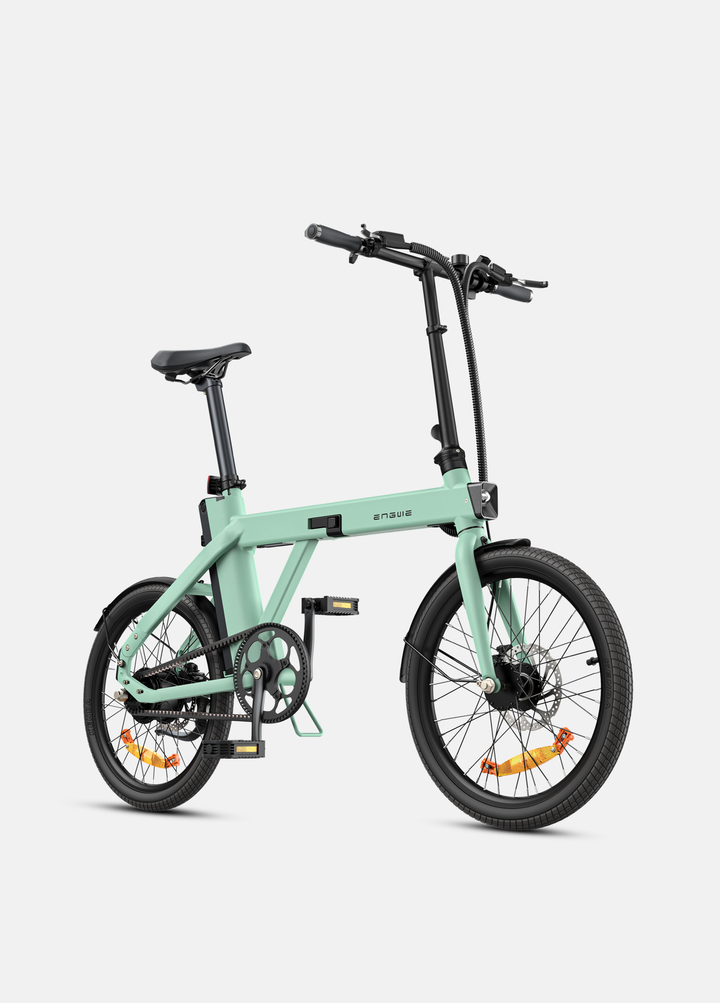
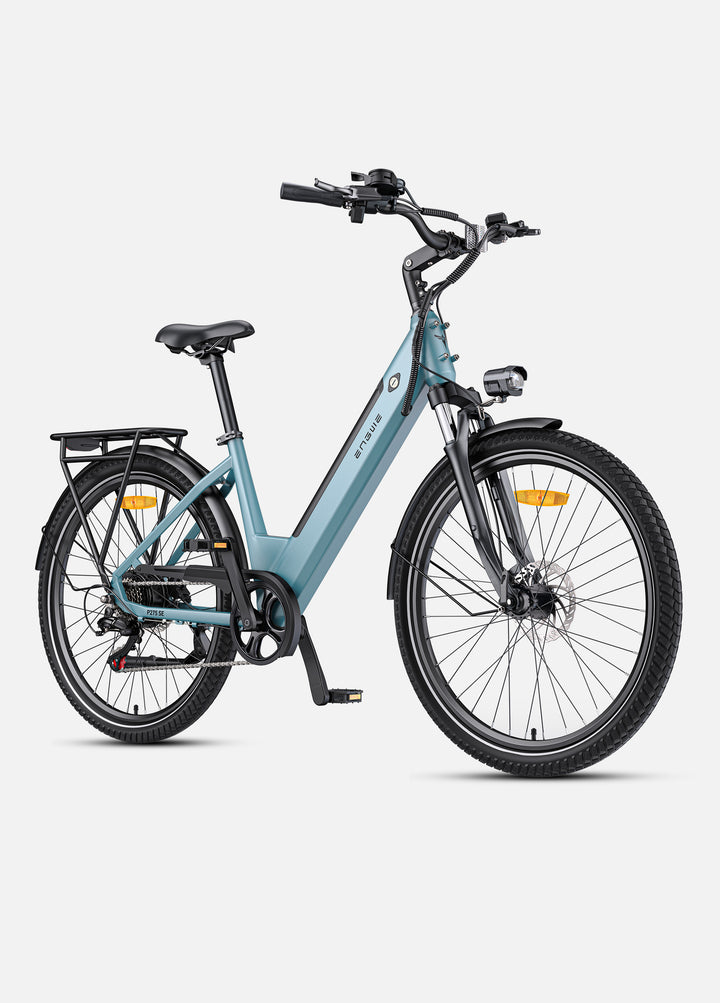
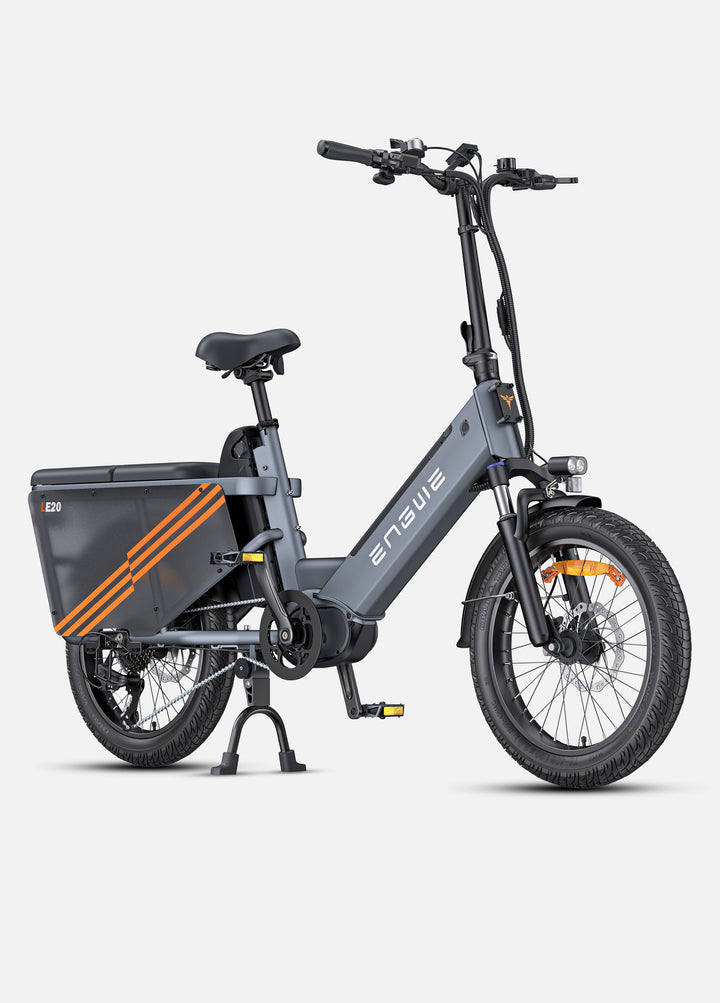
That being said, there are products for which one wouldn’t want to risk it. This is very much the case for complicated mechanical and electrical products that undergo a lot of stress - like a performance Electric Bike. For something you rely on to get you where you need to go, a new purchase means a battery that’s never been ridden before, an unworn motor, and all the backing of its manufacturer. This is where investing in a premium-grade brand like ENGWE makes all the difference. When you make the decision to purchase a new e-bike like the ENGWE EP-2 Boost you aren’t just purchasing a bike, but investing in quality and cutting-edge technology that will guarantee prestige and efficiency no matter your needs from day one.

Why is the new ENGWE EP-2 Boost better:
- All-Terrain Power: Everything you need to take on any road is packed into this monster with 20x4.0 fat tires and extra sturdy one-piece wheels providing great stability on whatever terrain you go—from city streets to muddy trails. It’s the strongest structure we ever made, so the whole riding experience is full of fun.
- Smart “on Demand” Power: An upgraded torque sensor – the only bike in its class with one – delivers a smooth and natural ride. Whenever you lean into a hill, the Boost Mode pushes 55Nm of reliable acceleration at you, something that even a second-hand motor can't bring.
- Long Range Guaranteed: A brand new detachable 48V 13Ah Lithium-Ion battery with a maximum range of up to 120km certified by the manufacturer. You have full performance without having to think about the kind of hidden battery degradation that plagues used e-bikes.
- Uncompromised Build and Convenience: Built from the ground up with top-notch quality materials. The convenient folding frame, powerful 180mm mechanical disc brakes, plus the quick Shimano 7-speed drivetrain are in perfect functioning condition straight out of the box. Boasting a max load of 150 kg (330lbs), the strong frame is ideal for use all year round.
- The New E-Bike Advantage: For a complex machine like an Electric Bike, a new purchase eliminates unknown motor or battery issues from the previous owner. The investment in a new ENGWE EP-2 Boost is going to guarantee safety, peak performance, and long-term peace of mind.
Q&A: Your Final Questions Answered
What’s the number one concern with second-hand products?
The number one concern is an unknown or poor battery life, which short-term warranties don’t cover in much detail and may be costly to replace.
What is something that’s almost always better when purchased new rather than used?
For hygiene reasons, products where the hygiene seal has been removed (e.g., in-ear headphones) and for safety reasons (e.g., electric bikes which may have had battery issues) are almost always better when purchased new. Often, such items are designated as non-returnable if sold used.
How can I get the best savings and stay safe?
Always seek out manufacturer-certified refurbished programs, as they represent the best balance of significant discounts and comprehensive warranty coverage, providing peace of mind without paying full retail.
In the end, smart consideration of these factors will turn your purchase from a risky bet into an investment.