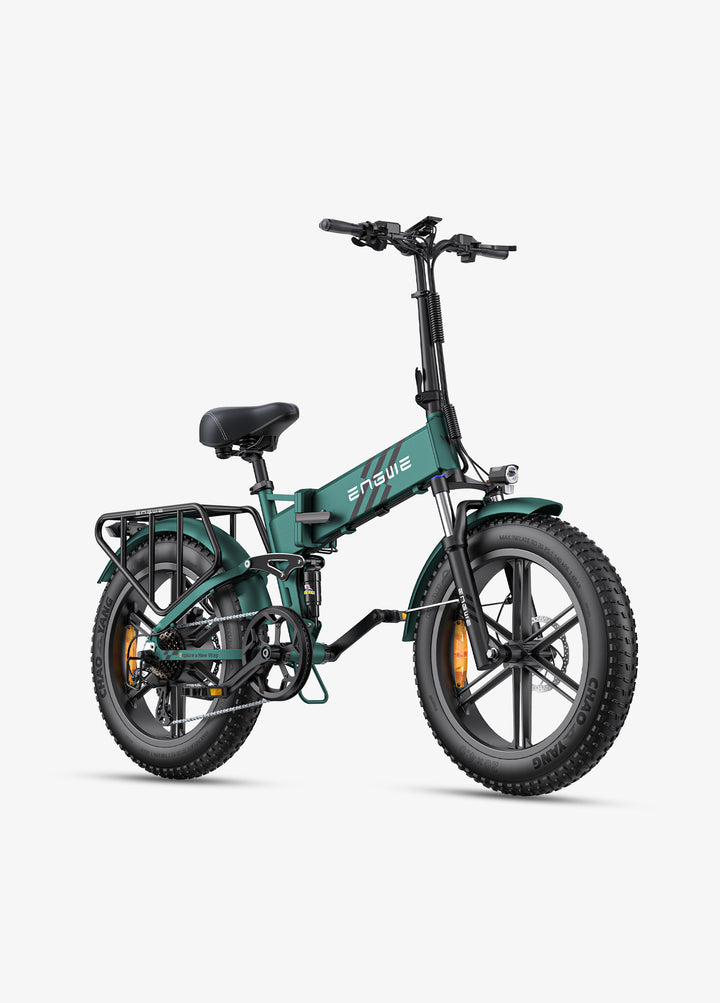
In addition to the tough appearance, a good fat bike has to meet other requirements as well. When riding on different kinds of trails, cyclists have to take into account not only factors such as tire size, traction, suspension, braking, motor assist, and battery range, but also the weight of the bike and its reaction to changing surfaces.
The choice of the bike also depends on its use area. The bicycle fat bike that is supposed to be used for riding through mixed surfaces might need another set of parameters compared to one designed specifically for loose, gravel, or recreational trails.

Fat and All-Road E-Bikes for Varied Terrain
The fat and wider-tired electric bikes have many ways of coping with uneven terrain. As can be observed below, there are many different ways that fat and all-road e-bikes use to cope with varying terrain types, from fat bikes to an SUV.
ENGWE M20
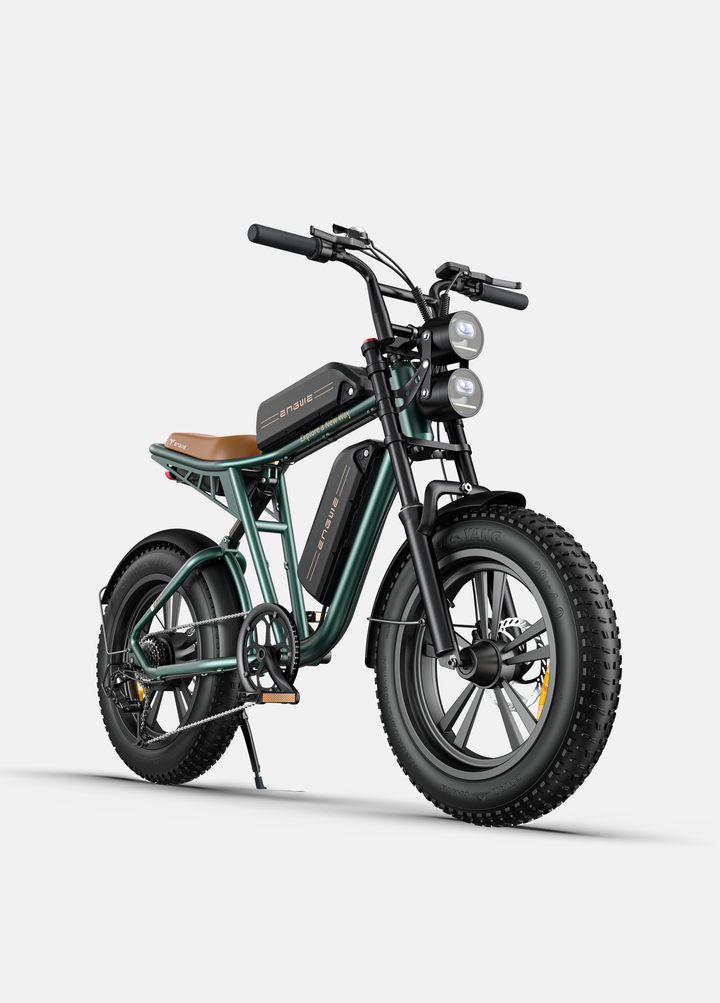
ENGWE M20 is a fat bike that integrates a moped-like design along with 20×4 inches of fat tires that help the bike achieve a large base. The bike has a motor that produces 55Nm of torque. It uses dual suspension that helps the rider tackle different terrains.
Shimano 7-speed gear allows the rider to choose his/her gear according to the gradient. There are options for both single and dual batteries. For someone considering an ENGWE fat bike, the ENGWE M20 emphasizes distinctive styling, wide tires, and recreational versatility.


ENGWE M1
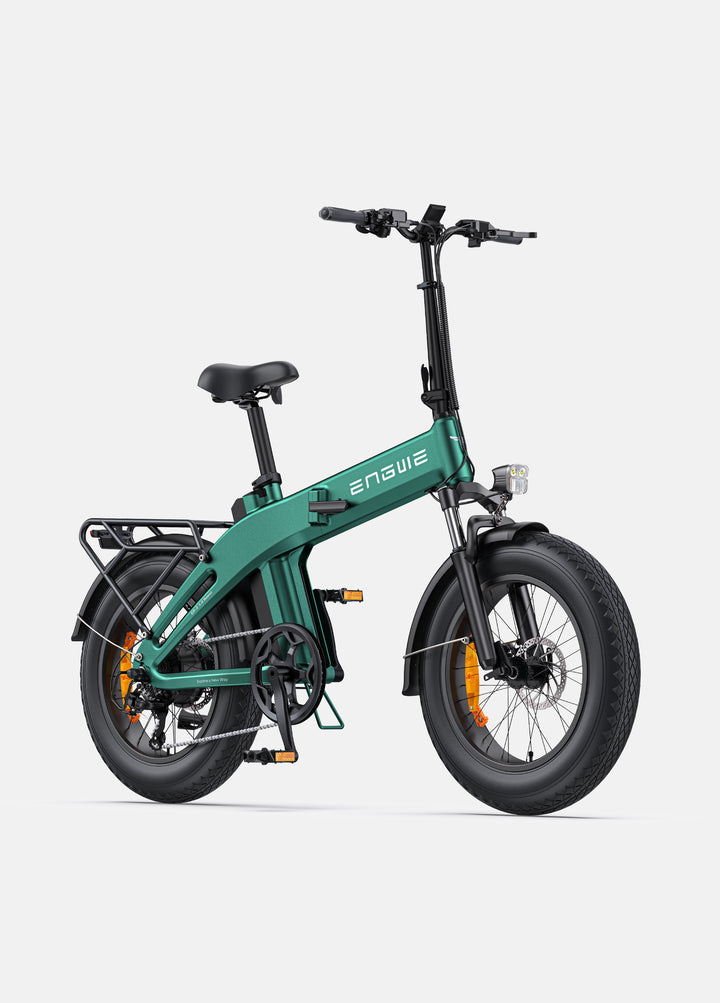
ENGWE M1 has a larger and heavier moped design with 20×4-inch fat tires and dual suspension. It has a 250W motor which gives 65Nm torque, while its 160mm hydraulic disc brakes ensure effective braking.
There are single-battery and dual-battery options giving 90km and 170km range, respectively. This particular ENGWE ebike is more suitable for people needing long-range with a good fat tire design.


ENGWE E26 3.0 Pro
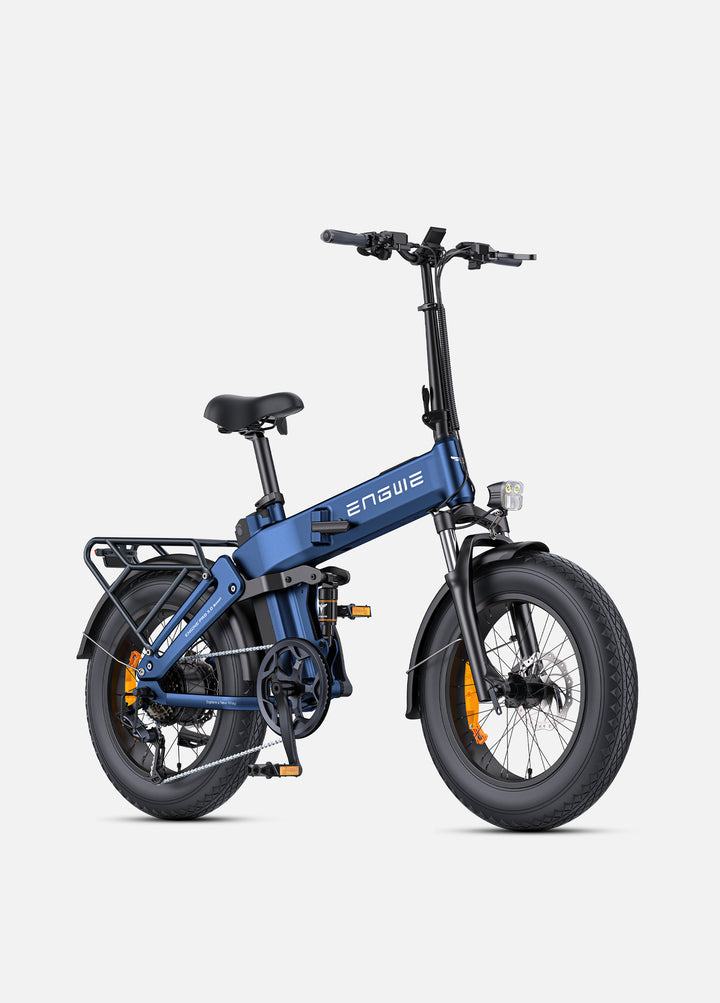
ENGWE E26 3.0 Pro provides an alternative to the standard fat e-bike design. Its 26×3-inch all-road tires have a smaller width compared to 4-inch fat tires, but a 250W Mivice mid-drive motor delivers a torque of 100Nm.
An advanced full suspension system is created by a combination of an adjustable 80mm fork, a 30mm air shock at the rear wheel, and a 4-bar linkage. This ENGWE electric bike suits riders who want mixed-surface capability without moving to a conventional 4-inch fat-tire setup.


Himiway D5
The Himiway D5 is an electric fat bike that uses a recognizable design featuring fat tires and a beefy frame built for mixed riding environments.
The design of this bike will be of importance to those who care more about traction and stability than carrying the bike around. It should be compared to other similar products with regard to dimensions, power delivery, battery, suspension, braking, and weight.

Cyrusher Trax
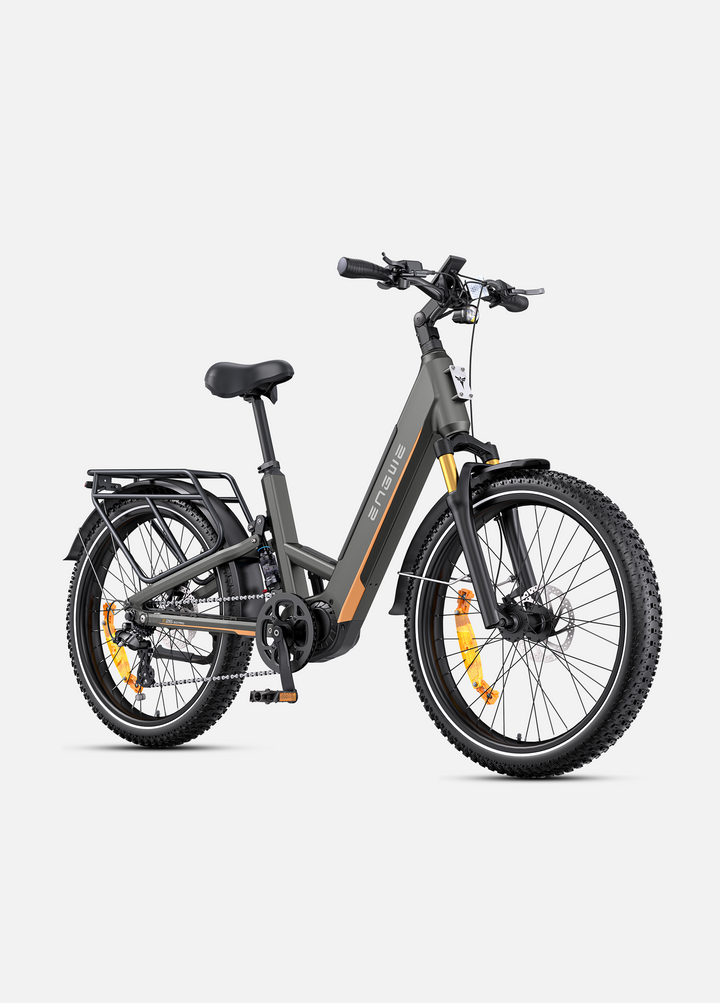
The Cyrusher Trax has both fat tyres and suspension, offering an additional choice for those who travel frequently from asphalt to recreation trails. The bike also features a step-over design, setting itself apart from the regular high-step trail bikes.
Those looking into getting a fat tyre electric bike will have to see if these features fit their needs.

Match the Fat-Bike Setup to Your Terrain
All trails do not necessarily need the same equipment. Fat tires will help in providing the much-needed large surface area and some cushioning; however, tire pressure, tread, suspension, and even riding technique all have an effect on how a fat bike bicycle will perform when the ground becomes uneven.
Predictable assist and appropriate gearing will be essential for gravel and varied recreational trails. The fat bike electric package needs to be such that it allows the rider to control his momentum without having to rely fully on motor power on any tough trail.
The size of the bicycle is also important. A heavy bike fat bike package may feel quite robust on any open ground, but it might turn out to be cumbersome while making sharp turns or while lifting the bike. Think about the entire trail and not just about the wide tires alone.
Choose Features That Match How You Actually Ride
A capable fat bike needs to be suitable for the environment in which one is likely to ride it. Factors such as suspension, brakes, battery capacity, carrying needs, and total weight all impact everyday use, especially if one’s route consists of different terrains.
- Suspension: Think about the number of times you have to cycle over rocks, bumps, and rough trails while selecting the right type of suspension.
- Brakes: Good braking capability is especially critical for a heavy bike ridden on steep and technically challenging downhill sections.
- Battery: Hills, soft ground, body weight, and more assistance can affect range, so opt for capacity based on your typical routes.
- Cargo: The fat bike cargo system should offer adequate rack capacity as well as weight-carrying capability without making handling more difficult than necessary.
- Weight and Fit: Think about whether the bike still feels manageable instead of just picking a tire size and performance numbers.

Conclusion
The selection of an efficient fat bike is based on knowledge of the types of surfaces expected to be encountered. The use of wider tires may allow for mixed surface conditions, but other considerations such as suspension, brakes, engine response, gearing, battery life, and rider fit are no less important in the entire system.
Compare whole systems of bicycles and not individual components. The selected bike should meet the requirements of the terrain without extra weight and equipment.
Frequently Asked Questions
Is a Fat E-Bike Good for Different Trail Surfaces?
Is a Fat E-Bike Good for Different Trail Surfaces?
A fat e bike can be ideal for various terrains if the tires, suspension system, braking system, and motor system are appropriate for the surface. Tire pressure and tire tread are also relevant when considering performance on a particular surface.
Are Wider Fat Tires Always Better for Trail Riding?
Are Wider Fat Tires Always Better for Trail Riding?
No. While larger tires will improve the contact area and softness, they will also influence the weight and the way the tires roll. It is up to you to find out what is suitable for you.
Do I Need Full Suspension on a Fat-Tire E-Bike?
Do I Need Full Suspension on a Fat-Tire E-Bike?
Suspension is helpful to enhance comfort on rough terrain, but it is not a necessity for all cyclists. It depends on terrain difficulty, speed of cycling, size of tires, expected level of comfort, weight of the bicycle, and maintenance considerations.
What Should I Check Before Buying a Trail Fat Bike?
What Should I Check Before Buying a Trail Fat Bike?
Examine the tire size and treads, suspension, brakes, engine performance, gearing, battery capacity, weight, and rider compatibility. The most crucial thing is to ensure the terrain the bike can operate on corresponds with your riding areas.