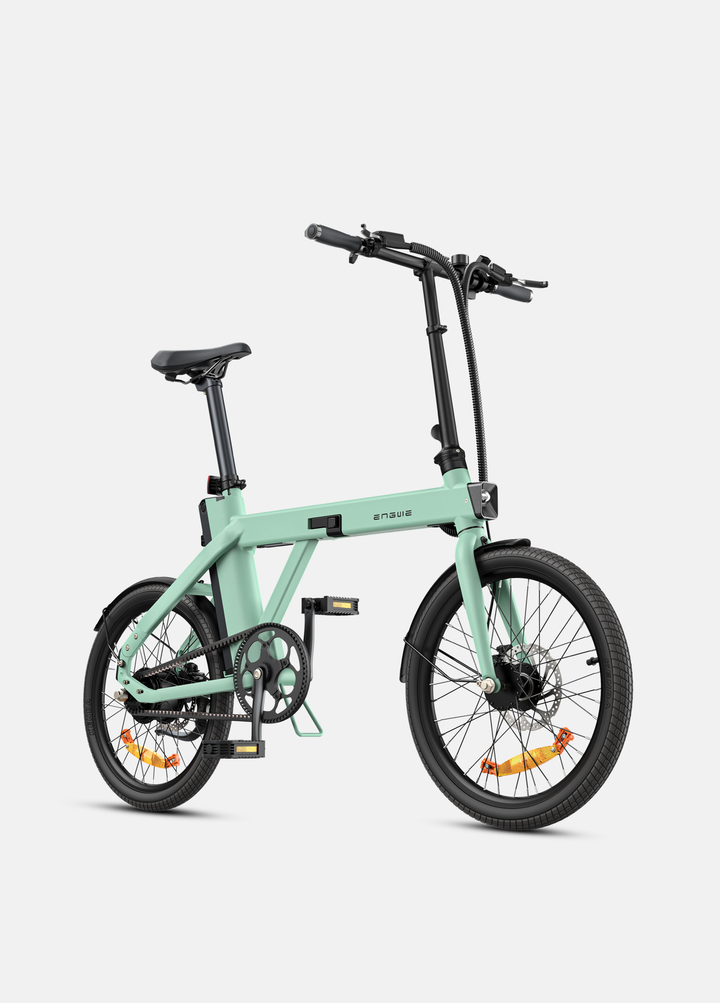
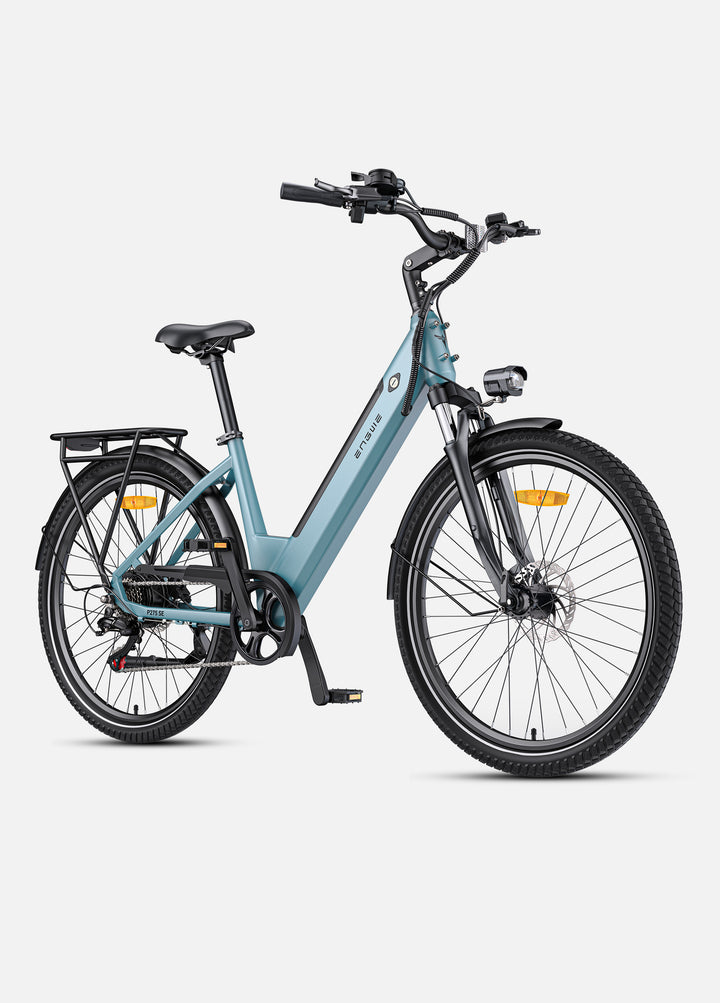
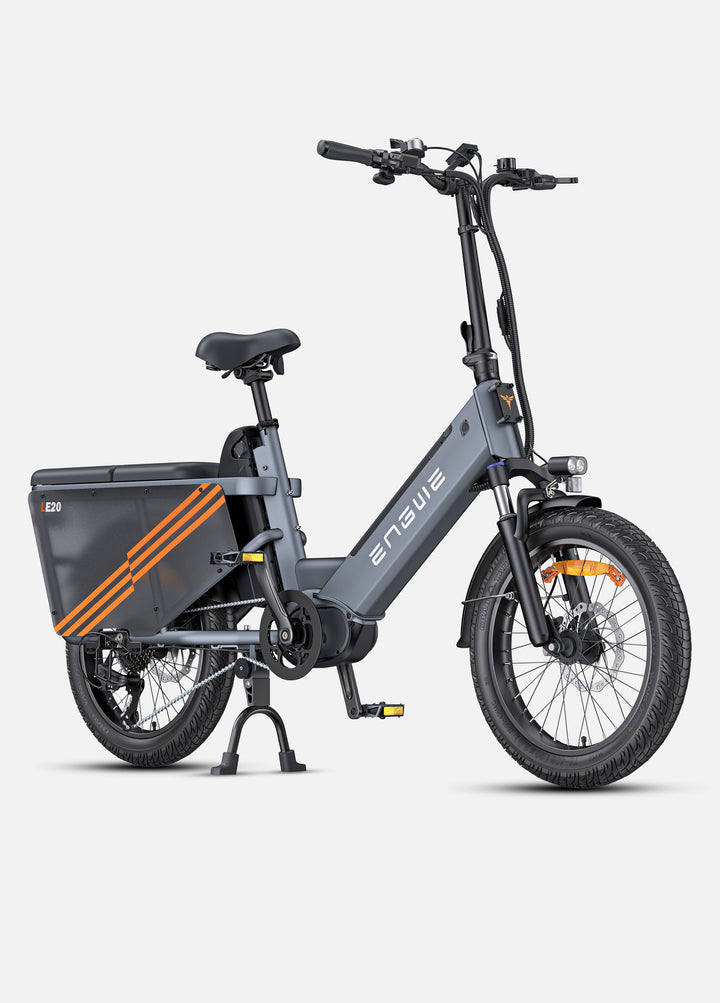
Electric bike motors offer adequate assistance to make pedalling less demanding for riders. They are a key component that has transformed how we move by combining traditional cycling with modern technology.
However, many types of motors are available in the market with different technologies. For new buyers, choosing a motor that aligns with their needs can be a real challenge without proper knowledge.
The right motor feels like a natural extension of your strength, while the wrong motor makes bike riding less exciting. In this guide, we explain different types of electric bike motors and how to choose one that suits your needs.
Types of Electric Bike Motors
Understanding motor placement is the first step when buying an electric bike. The main designs are hub motors and mid-drive motors. Both these systems operate differently and offer distinct riding experiences. You may also come across the term "Brushless". It is an internal technology common to both hub motors and mid-drive motors in the best e-bikes. Knowing these basics helps you cut through the technical noise.

Hub Motor
Hub motors are fitted inside the wheel to spin it directly. They are quiet and operate independently of the bike's gears. Also, their design is simple, cost-effective, and very reliable. This is one of the main reasons electric bikes with hub motors dominate the entry-level and mid-level e-bike market.
A downside of hub motors is that they are less efficient on hills. Because the motor operates independently of gears, shifting to a lower gear does not affect the motor's operation. It simply draws more battery power to maintain speed on steep climbs. This makes them suitable mainly for city streets and everyday riding.
Hub motors have two types:
Front Hub Motor
A front hub motor is located in the front wheel to pull the bike forward. This sensation feels different from pedalling, which involves pushing the bike through the rear wheel. Some riders may need a short time to adapt to this feeling.
The main advantage of a front hub motor is that it leaves the drivetrain free, which simplifies flat tyre repairs for the rear wheel. Traction can be an issue with front hub motors, as the front wheel can slip on steep, loose slopes. However, for flat urban landscapes, a front hub motor works perfectly fine.
Rear Hub Motor
A rear hub pushes the ebike forward, mimicking the natural feeling of pedalling. Most riders find it more intuitive than a front hub. Though removing the rear wheel containing a hub motor for a flat tyre is more complex. You have to deal with the motor's wiring and potentially a heavier wheel. Despite this, rear hub motors are a popular choice among riders seeking better performance, natural feel, and cost-effectiveness.
Mid-Drive Motor
It is located at the bike's crank and works through the bicycle's chain and gears to multiply the pedalling force. Also, when you shift gears on a hill, the motor adapts accordingly to maintain efficient power and conserve battery for climbing. This is why they are highly popular among mountain bikers and tourers.
The primary trade-off is their higher cost and drivetrain wear. Mid-drive systems are more expensive and also put more stress on the chain and drivetrain. As a result, these parts may need more frequent replacement.
Brushless Motor
Brushless technology is not a separate motor type. It is the internal design of nearly all the modern hub and mid-drive motors, replacing older brushed motors. Brushed electric bike motors used physical contacts that wore out quickly. Brushless motors use electronic controllers to eliminate friction and sparking. This results in higher efficiency and longer part life.
Comparison Table
|
Feature |
Hub Motor |
Mid-Drive Motor |
|
Position & Feel |
In the wheel. Feels like a push or pull. |
At the crank. Feels like stronger legs. |
|
Best For |
City commuting, flat terrain, budget-conscious riders. |
Hills, off-road, cargo, long-distance touring. |
|
Hill Performance |
Adequate. Drains battery faster on steep climbs. |
Excellent. Uses gears for efficient climbing. |
|
Handling |
Weight in the wheel can reduce agility. |
Balanced, natural, and nimble handling. |
|
Maintenance |
Motor is low-maintenance. Standard drivetrain wear. |
Drivetrain wears faster due to high torque. |
|
Cost |
Generally, more affordable. |
Higher initial investment. |
How to Choose the Right eBike Motor
Start by understanding your terrain. A hilly city requires a mid-drive motor due to its gear-based efficiency. A flat urban landscape, on the other hand, is perfect for a hub motor, as it provides excellent performance on flat surfaces affordably.
Next, consider your riding style. A casual commuter needs simplicity, and a hub motor delivers that. For off-road adventurers seeking high performance, mid-drive motors are more suitable.
Finally, be honest about your budget. Purchase price is one thing, but you should also consider long-term value. Purchasing from a reputable brand offers reliability and access to professional support, while cheaper motors can lead to frequent breakdowns with no support for repairs.
Top Motor Electric Bikes
ENGWE offers a wide range of electric bikes that blend power, style, and versatility for different riding needs. Whether it’s city commuting, mountain off-roading, or that electric motorcycle style look you love, ENGWE has a model built to match your needs.
Best Hub Motor Electric Bike: ENGWE EP-2 3.0 Boost
The ENGWE EP-2 3.0 Boost has a 250W hub motor that delivers a responsive ride with 75Nm of torque and an advanced torque sensor. A torque sensor measures your pedalling force. Press harder, and the motor instantly increases the assist level to create a fluid and intuitive feel.
The bike bridges the gap between basic hubs and premium mid-drives with its impressive 120km range and 20"×4.0" Urban Hybrid Tyres. This fat tyre ebike is ideal for urban explorers or distance commuters seeking low upkeep with sophisticated power delivery.

Best Mid-Drive Motor Electric Bike: Fiido C11 Pro
The Fiido C11 Pro features a 250 W mid-drive motor and delivers 55 Nm of torque. This model is paired with a removable 499.2 Wh battery for up to 65 miles of range in Eco mode. Its mid-drive system enhances climbing efficiency and balanced ride feel. Fiido C11 Pro is a smooth and capable choice for city and light-terrain adventures.
Best Brushless Motor Electric Bike: ENGWE M20
Its brushless motor produces 55Nm torque to offer a solid, versatile riding experience for city hills and heavy errands. ENGWE M20 also offers a maximum range of 120 km at PAS level 1. This means you can enjoy extended adventures without range anxiety. It is a perfect choice for recreational riders and distance commuters seeking practical, durable, and economical electric mobility.

Maintenance and Longevity Tips
How you care for your bike determines its lifespan. So, start by protecting the motor from moisture and dirt. After a wet ride, wipe the casing down but avoid high-pressure water streams. They can force water past seals.
For mid-drive motors, regular drivetrain maintenance is most critical, as their high torque wears chains and gears quickly. Clean and lubricate the chain regularly to increase its lifespan.
Your electric bike's battery health directly affects its motor's performance. Avoid draining the battery to zero, as it is harmful to battery cells. A charge between 20% and 80% is ideal for battery health.
Conclusion
Choosing an electric bike motor is a deeply personal decision. The reliable hub motor offers a straightforward path to electric assistance. It is a practical and affordable daily solution for casual riders. On the other hand, mid-drive electric bike motors are more sophisticated and offer superior efficiency with enhanced responsiveness on difficult terrain.
There is no best or worst motor. The most important thing is how you use it. So, match the motor technology to your terrain and ambition. The right choice will not just move you, it will transform your journey.
FAQs
What is the main difference between a hub motor and a mid-drive motor?
You feel the biggest difference between these two motors on hills. A hub motor works harder on slopes and drains the battery faster. A mid-drive motor works through your gears. When you shift down for a climb, the motor also gears down to maintain power and save battery. It feels like having extra strength in the legs.
How long does a typical e-bike motor last?
A quality motor can easily last for several thousand kilometres. Most warranty periods are two to four years, which often covers over 10,000 km of riding. You can extend your motor's life with proper care.
Can an e-bike motor be repaired?
This depends on the motor's design. Many hub motors are sealed units, so they are not repairable. If they fail, you replace the entire unit. However, some mid-drive motors are designed for service, but only certified mechanics can do that.