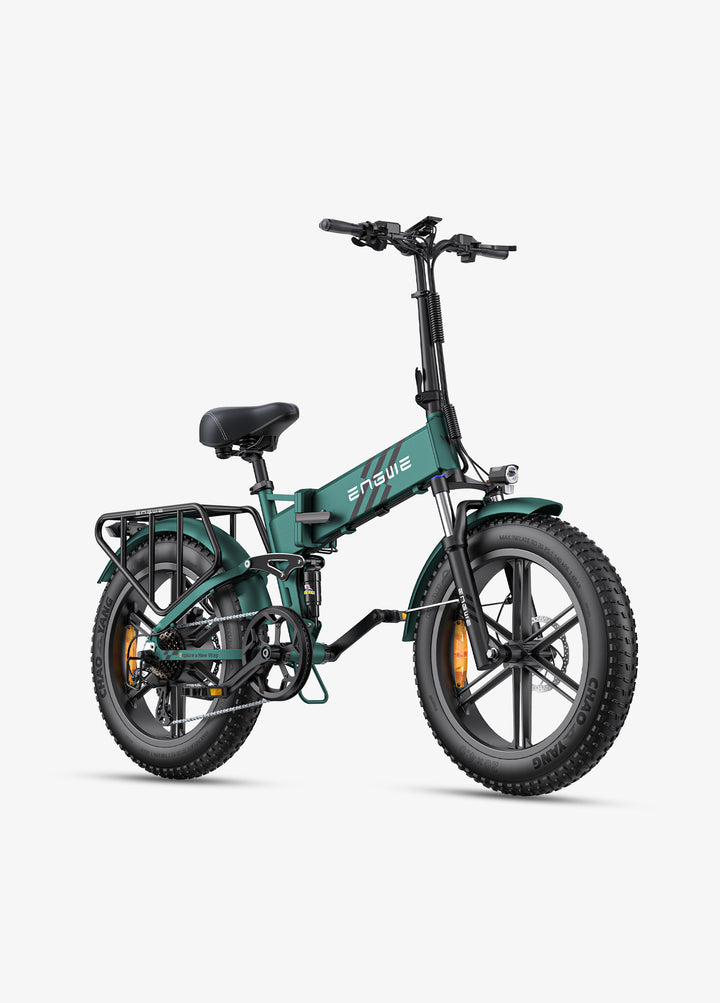
The main question that can be posed when it comes to selecting the appropriate pedal electric bike usually boils down to one factor: should one trust pedal assist power or throttle power? Although the two systems employ a motor to hold on to your ride, they provide power in different ways. Such a difference influences speed, battery life, control, or even the location where you are legally permitted to ride.
The contemporary riders have options of pedal assist electric bike, a throttle-controlled bike, or a dual-mode system that incorporates both. The knowledge of the functionality of each setup will enable you to make a choice on which setup makes sense based on your daily commute and the nature of the terrain and long-term riding objectives.

What Is a Pedal Electric Bike?
A pedal electric bike is an electric bicycle that has fully functional pedals and a motor that helps a rider to work less hard. It is also not intended to fully substitute pedaling as the use of scooters or electric motorcycles does, but only to assist human efforts.
Pedal-assisted electric bikes and throttle-controlled electric bikes are based on either one of the two systems. The presence of operable pedals is what legally constitutes the vehicle as an e-bike as opposed to a motor vehicle in a number of countries and states. This classification has an impact on registration, licensing, insurance requirements, and availability of bike lanes.
Flexibility is the major benefit of a pedal electric bike. Riders are able to ride with no assistance or with motor assistance when they feel like it or with both efficiency. This renders the use of electric bikes with pedals convenient in commuting, exercising, and riding on mixed terrains.

Pedal Assist Electric Bike: How It Works
A pedal assist electric bike is operated via a pedal assist and only switches on the motor when you are pedaling. Crank rotation or torque pressure is sensed, and the motor output is altered. The greater the effort you put in pumping, the more the support you get - particularly on torque-sensing ones.
This design renders pedal bikes with electric assist feel natural and smooth. According to the riders, it is akin to possessing stronger legs instead of using a powered vehicle.
Benefits of pedal assist:
- More efficient use of batteries.
- Longer riding range
- Better exercise engagement
- Increased access to more bike paths in most areas which are legalized.
A typical electric bike pedal assist system will cease to offer power at 20 mph (Class 1 and 2 in most places) or 28 mph (Class 3).

Throttle Mode: No Pedaling Required
Throttle systems give you an opportunity to accelerate without pedaling at all. This design provides a response to the question many people will ask: Do you have to pedal an electric bike? The response is no, in the event that your bike has a throttle.
The throttle mode allows the motor to be engaged by a twist or thumb control, like a scooter. The question that is frequently asked by riders is, can you pedal an electric bike if it has a throttle? Yes. Throttle-operated bikes still have pedals and can be used in dual mode. Nevertheless, pure throttle riding requires additional battery.
Another question that arises is also how fast do electric bikes go without pedaling? Most commuter models will have throttle-only speeds of 20 mph. More powerful systems can go higher, depending on regulations.

Electric Bike Without Pedals: Is That Still an E-Bike?
You can also find models that are being sold as an electric bike without pedals or an electric bike no pedals. Practically, after completely removing pedals, the vehicle is free to be considered as a scooter or electric motorcycle, but not a bicycle.
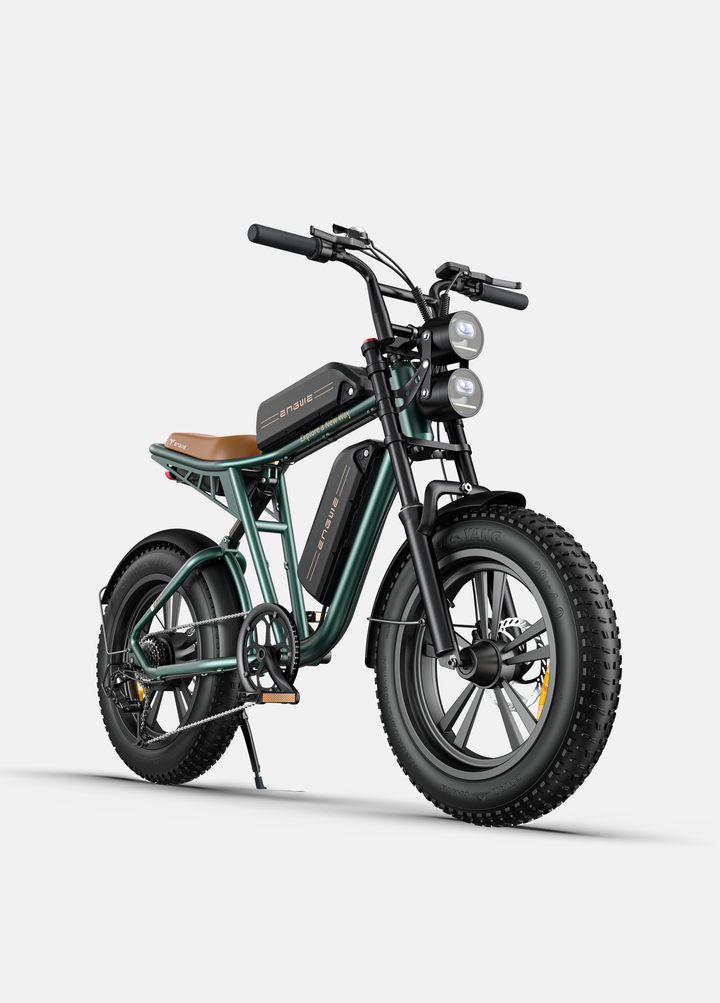
Other high-performance designs are similar to an electric bike but lack any pedals and include moped-style frames. Most areas have legal e-bikes that have functioning pedals. Even some of the models, which are referred to as an electric dirt bike with pedals, are intended to comply with e-bike regulations and still be able to use them off-road.

Pedal Assist vs. Throttle: Speed Comparison
In the comparison of systems with a pedal electric bike, speed will be based on the motor power, voltage, and classification.
- Pedal assist forces steady speeds of 2028 mph.
- In legal street versions, throttle-only operation tends to limit itself to 20 mph.
- Several of the high-powered off-road setups, however, can be made faster, though not street legal.
Most riders who want the highest possible speed would assume that the throttle is faster. As a matter of fact, the powerful pedal assisted electric bike is capable of doing better than throttle mode since it works in combination with the human factor.

Recommended Pedal Electric Bike Models
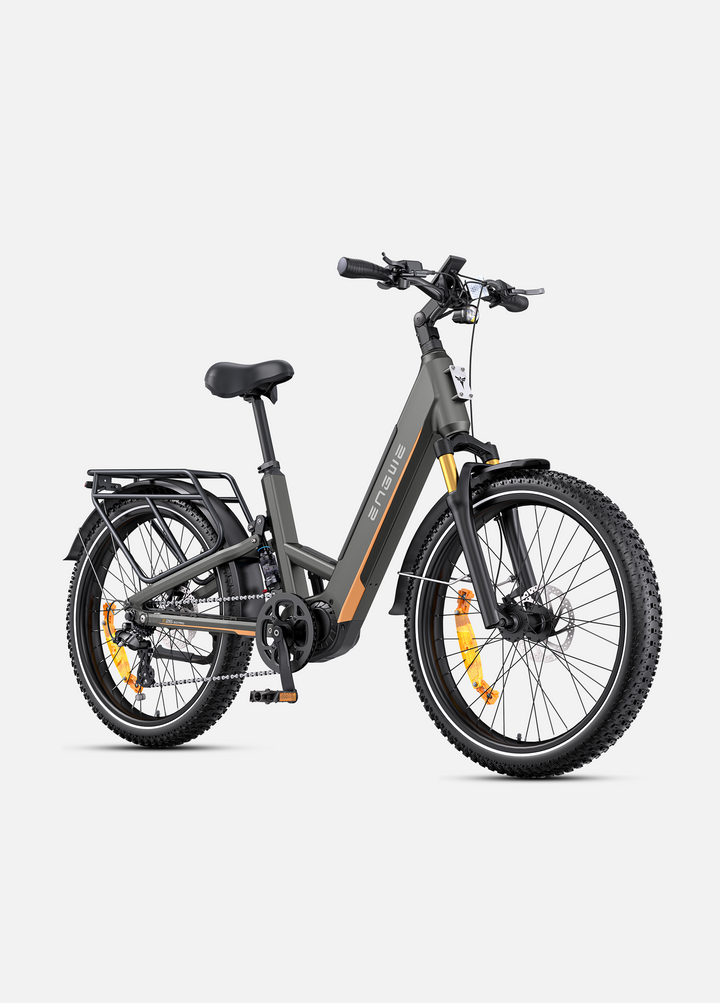
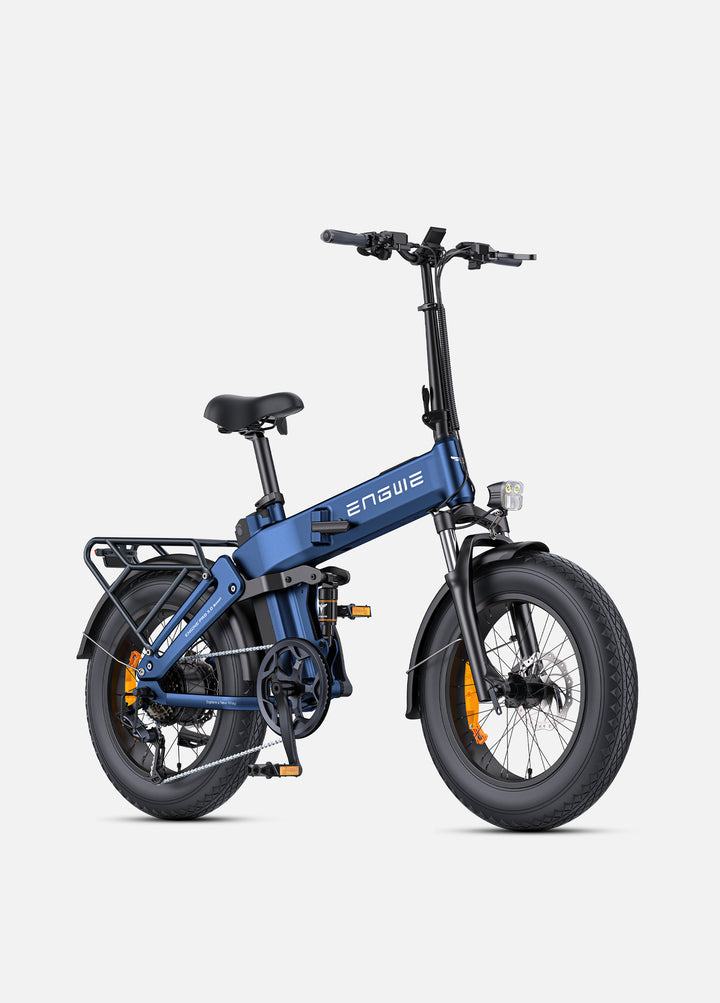
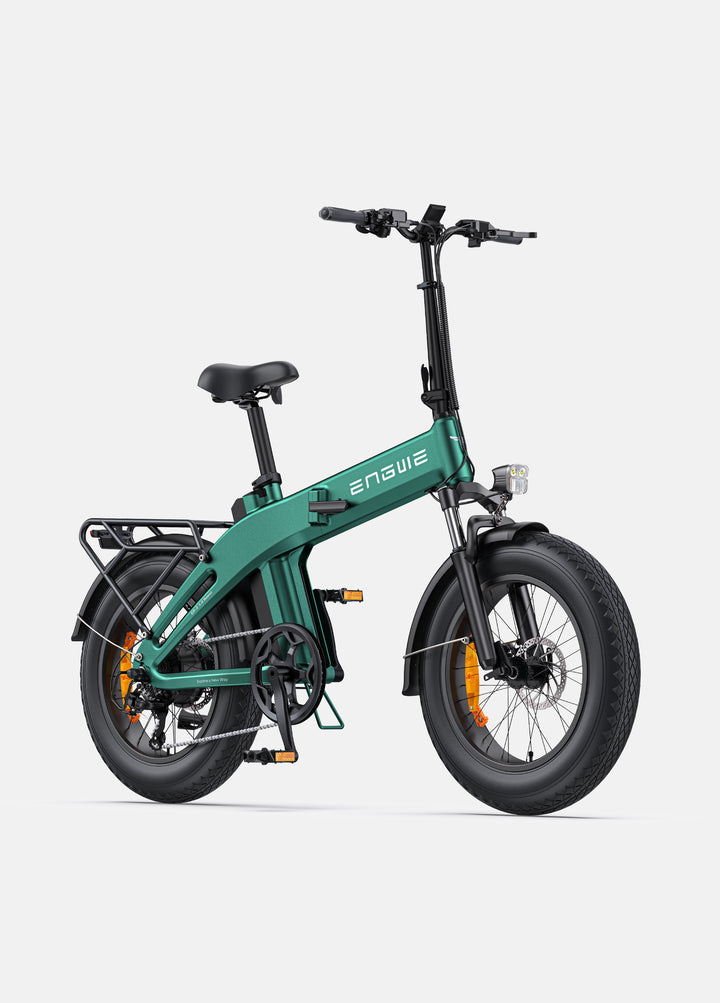
To compare the performance of a pedal electric bicycle in real-life riding, these are two ENGWE electric bike models, and one commuter version of a brand competitor. Both vary in terms of pedal-assist electric bike design and efficiency.
ENGWE L20
ENGWE L20 is a step-through electric bicycle, created to be comfortable and used on a daily basis. It has an electric battery of 624Wh and a motor of 48 V 250W, which provides 140 km of range in electric bike pedal assist mode.
It has 20 x 4.0-inch fat tires and Shimano 7-speed gearing, which offers stable performance on the rough city roads. Being one of the more practical bikes with pedals being electric, it is acceptable to the rider who does not want aggressive power as much as they prefer to feel the steady assistance.


ENGWE L20 Boost
The ENGWE L20 Boost enhances the platform by adding a torque sensor to the platform to make the riding experience of the electric bike more responsive to the pedal assist. The aid varies according to the intensity of your pedaling, which provides more fluid acceleration and better climbing over hills.
It retains the 48V system with 250W, fat tire offering, which makes it a full-fledged electric pedal bike suitable for commuting and carry light weight cargo without violating any regulations as an electric bike with pedals.


Gazelle Medeo T9 City
The Gazelle Medeo T9 City is a torque-based, mid-drive commuter electric pedal bike. It has smaller tires, slimmer than those on the road, and a smaller battery, aimed at pavement rather than mixed terrain. It has full pedal functionality as opposed to an electric bike that has no pedals. It is priced higher, and it is a high-end commuter product.

Which System Is Better for You?
When your focus is on the largest range, smoother riding, and greater efficiency of use over time, a pedal assist electric bike will be your preferred option. Throttle capability can be of interest to you, in case convenience and easy acceleration are the most important aspects.
To the greatest number of riders, a hybrid pedal electric bike with both systems is the most flexible. You can just pedal efficiently and throttle only when it is needed.
Final Verdict
A pedal electric bike is the most appropriate in providing the balance between performance, efficiency, and legality. Although throttle-only riding is more convenient, pedal assist is more sustainable in terms of long-term commuting and battery health.
The knowledge of the distinction between the pedal assist and throttle speed will aid you in making a choice based on what you actually need in real-life situations and not what the advertisements say is important. The right assist system works both on commuting and recreational cycling to make electric cycling smoother and smarter.
Frequently Asked Questions
Do you have to pedal an electric bike?
It depends on the system. A pedal-assist electric bicycle has to be peddled in order to start the motor. Nevertheless, throttle-equipped models can be used by riders who are not pedaling. A large number of electric bikes with pedals come with both to be able to be flexible.
How fast do electric bikes go without pedaling?
Various throttle-only electric bikes have a top speed of up to 20 mph that is standard in the street. Increased speeds can be available in off-road or customized models, but the legal speed limit differs depending on the region and the type of vehicle.
What is the difference between pedal assist and throttle?
Pedal assist only turns the motor on when you pedal and varies the power according to your effort. Throttle systems are motor-powered with no pedaling. The pedal assist is more efficient and has a greater range of operation of the battery.
Can you pedal an electric bike without using the motor?
Yes. The pedal-assisted electric bikes are rideable like ordinary bicycles when the motor is switched off. However, with the weight of the battery and the motor, it might feel a little heavier to pedal than a normal bicycle.
Why do people pedal electric bikes instead of using the throttle only?
Electric bikes are also ridden by pedal power to enhance the range of the battery, efficiency, and easier handling. Peddling also maintains the bike within the boundaries of the law in most areas and brings about some light physical activity during the rides.