One of the main reasons why cyclists did not embrace electric mobility completely was their fear of battery failure when far from home. Technology has made the 48V ebike battery the industry standard. It offers a great balance of steady power and long distances.
A high-capacity 48V ebike battery is different from lower voltage ones. While lower voltage batteries can be overworked or fail during long climbs, the 48V battery for ebike provides a steady energy supply to the motor. This way, the rider can really enjoy the ride instead of always checking the battery percentage on the display.
Knowing how an ebike battery 48V system works is a must for every contemporary cyclist. In simple terms, voltage is the "pressure" of the electric current getting from the battery to the motor. When using a 48V system, there is a higher level of energy transfer efficiency when compared to the other options.
The Technical Superiority of the 48V Lithium Ion Battery Ebike
Among the features of modern energy storage, the 48V lithium ion battery ebike really stands out thanks to its high energy density. Lithium-ion battery technology has changed the industry. It lets us store more power in a smaller, lighter package. This factor is vital, especially for high-performance bikes.
They need a lightweight frame to stay agile and have enough energy for a fifty-mile ride. The chemical composition of these cells is such that they can be recharged hundreds of times with very little loss in capacity; hence, a 48V ebike lithium battery is a great and dependable investment for both daily commuters and thrill-seekers.
The shift to 48V has also changed the way manufacturers develop their charging systems. A special 48V ebike battery charger is essential to properly handle the complex process of safely charging these cells. High-end chargers can communicate with the Battery Management System (BMS) in the pack. This helps prevent overcharging and overheating.
This cooperation between the 48V battery ebike and its charger guarantees that the cells are refilled in a manner that keeps them chemically healthy, which in turn affects the overall lifespan of the vehicle.

Comparing High-Performance 48V Models
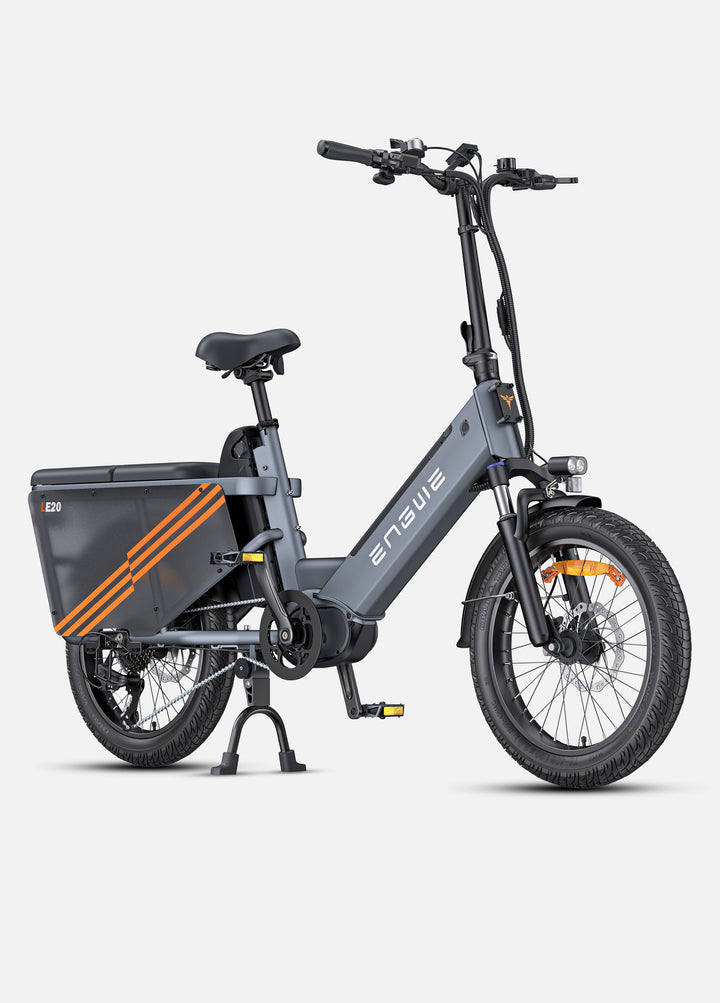
To grasp how this power can be transferred into reality, it is essential to observe how various brands employ the ebike 48V battery to accommodate diverse user preferences. The ENGWE M20, for example, is a rolling piece of art with a motorcycle-like figure aimed at people who want their battery to last as long as possible.
The ENGWE M20 utilizes a dual electric bike 48V battery setup, which means the rider can have a separate battery and carry the other as a backup. The ENGWE M20 uses two batteries at once. It has a total power capacity of 26Ah. This means it can support much longer trips compared to bikes with just one battery, thanks to its very clever handling of the 48V battery for ebikes integration.
There is a 48V 14Ah package completely embedded in the frame. It features a strong "commuter" look, but the 48V configuration guarantees enough torque for hilly urban rides without effort.


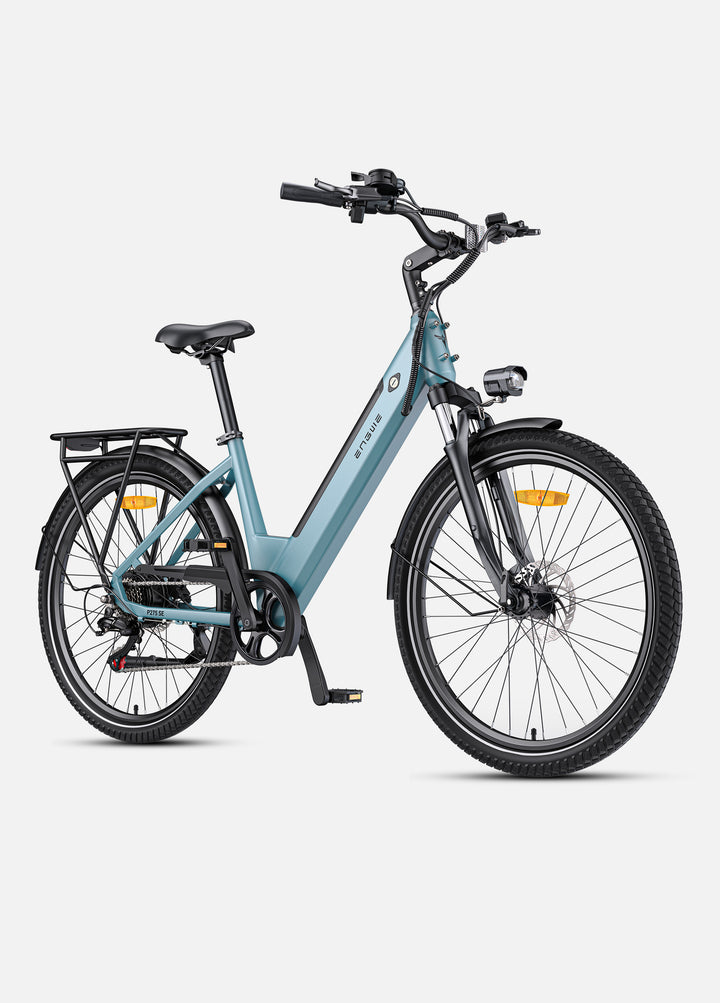
On the other hand, the Rad Power Bikes RadRunner 3 Plus also depends on a 48V system to enhance its utility-oriented frame. These bikes illustrate that for cargo carrying or fast commuting, an electric bike battery 48V is the element that assures consistent performance.

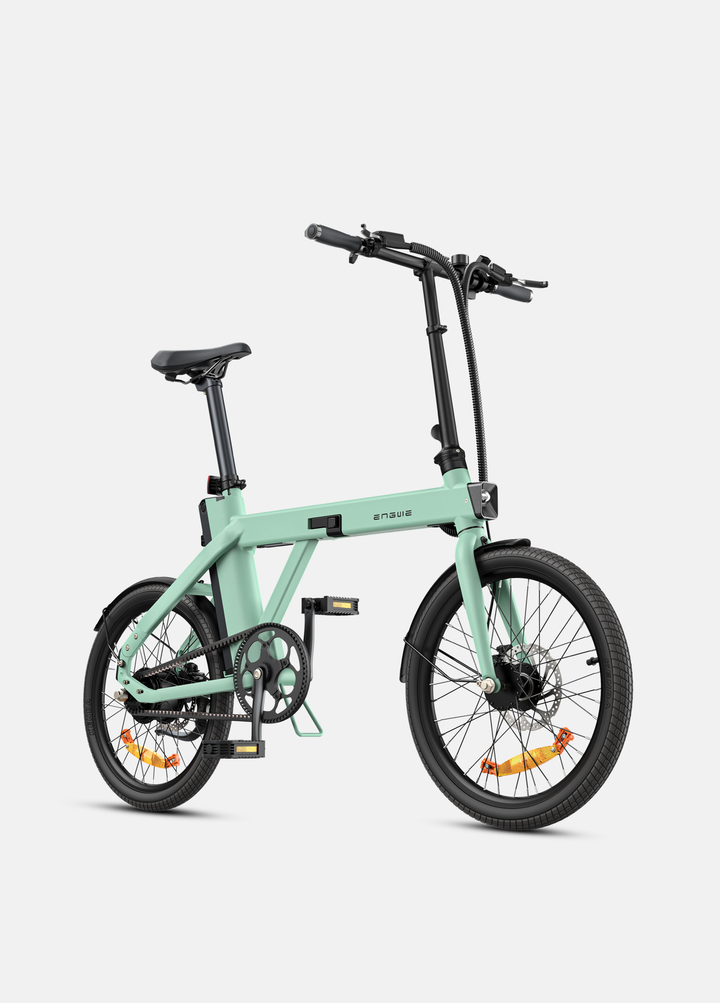
If you don't have a lot of storage space, then the ENGWE EP-2 Boost is another adaptable pick for you. This folding fat-tire bike comes with a detachable 13Ah ebike battery that loads up inconspicuously in the middle of the frame.
Having the option to take out the e bike battery for charging inside is a big plus for people living in apartments. Although it is small and foldable, the bike can still deliver the power level thanks to its 48V system.


Maximizing Efficiency with the 48V Battery Charger Ebike
Being the owner of a high-voltage system entails knowing how to maintain it properly. At the forefront of safety assurance is the usage of a certified ebike 48V battery charger. Many riders use generic chargers. These often lack the right voltage cutoff. This can damage the cells. The right 48V battery charger ebike will have an LED indicator system that tells you the level of the charge and it will automatically switch off when the cells are at their highest capacity.
A good practice to maintain your 48V ebike battery in excellent condition is to maintain the battery charge level between 20% and 80% for daily operation. Charging your battery to 100% can be tempting. But keep in mind that lithium-ion cells are stressed when they are very low or very high.
As for the question of how long does a 48V ebike battery last, one can usually expect the lifespan to be about 3 to 5 years, or approximately 800 to 1,000 full charge cycles, if adequate care is taken of the thermal aspects, mainly avoiding very high and very low temperatures.

Overcoming the Hills: Why 48V Beats 36V
Differences between a 36V and a 48V system are mainly noticed when the bicycle starts to go uphill. With a 36V system, the motor usually needs to draw more current to keep the speed on a slope and this creates a lot of heat and the cells are emptied much quicker.
On the contrary, a 48V ebike battery offers a much more comfortable power. Higher voltage lets a motor do the same work with less electric current. This keeps the system cooler and uses energy more efficiently.
For this reason, lots of trail-rated bikes, such as the Lectric XP 3.0, are now using 48V. It gives the necessary strength to get through even the toughest spots that would stop a lower-voltage machine.

Moreover, having a 48V system act so quickly makes riding even safer. For example, in the city when you need to get out of a tight spot fast, the skill of quick acceleration is actually a safety aspect.
The 48V lithium ion battery ebike supplies sharp energy that greatly shortens the time and allows the rider to trust the power instantly. This fast power-offering marks the legendary high-voltage ride, which turns the cycle into a powerful vehicle and a toy.
Conclusion: The Future of Stress-Free Riding
The popularity of the 48V ebike battery has really changed the electric bicycle from a casual neighborhood vehicle to a real alternative to a car. Increasing voltage and energy density twice, the makers have really fixed the mental and physical handicaps of early e-bikes. Whether you’re on an ENGWE M1 tackling rough trails or cruising on an Aventon Level.2 in the city, the 48V tech lets you forget the charger. Enjoy the ride and feel the wind in your face!
Looking forward, we will see more advanced BMS coupled with rapid-charging 48V ebike battery charger units to enhance the entire experience. Nevertheless, the fundamental insight is unchanged: boosting the voltage level of the system is by far the best solution to range anxiety. It lets you roam freely and climb high. After every ride, you’ll be right where you want to be, smiling and with battery life to spare.


Frequently Asked Questions
How long does a 48V ebike battery last on a single charge?
How long does a 48V ebike battery last on a single charge?
The primary factors that influence how far you can go are the Amp-hour (Ah) rating of the battery, the landscape, and the level of pedal assist you use. Typically, a battery between 13Ah and 15Ah can supply you with a range of 30 to 50 miles. Dual-battery models, in quite a lot of cases, have the capability of going beyond 70 miles when conditions are favorable.
Can I use a 36V charger on a 48V e-bike battery?
Can I use a 36V charger on a 48V e-bike battery?
Absolutely not; you should never use a charger of a different voltage rating than what the battery requires. A 36 Volt charger can't supply enough power to charge a 48 Volt battery pack. Using the wrong charger may permanently damage the cells. Besides, it may also be a fire hazard. You must always stick to the original 48V ebike battery charger that is specifically made for your model.
Is a 48V battery better than a 52V battery for daily commuting?
Is a 48V battery better than a 52V battery for daily commuting?
The 52V batteries might slightly improve the peak performance, but the 48V system is by far the most common standard. Therefore, it will be much easier to obtain replacement parts, chargers, and accessories that work with your battery. For most commuters, a 48V system is a perfect measure of power and readiness.
Does a 48V e-bike battery lose power in cold weather?
Does a 48V e-bike battery lose power in cold weather?
Lithium-ion batteries of all kinds will see their performance dip temporarily when the temperature is cold. The internal chemical processes of the cells get sluggish, which can result in a decrease of your total range by even as much as 20% to 30%. It is always advisable to keep and charge your battery inside in winter to keep it healthy.
How can I tell if my 48V battery needs to be replaced?
How can I tell if my 48V battery needs to be replaced?
The most usual indication is a sharp and consistent drop in range. For instance, if your bike used to cover 40 miles on a single charge but now it barely does 15, it is quite likely that the cells are getting old and worn out. Besides that, the battery might take a considerably longer time to charge and the bike may even switch off by itself when you are accelerating.