If you love cycling on hills or city streets, an electric bike would be a wise investment. It brings you to enjoy thrilling traditional bike rides with significantly less effort. However, this convenience has a cost. Many people cannot afford electric bikes up front due to their higher price tags. If you are also one of those people, we have good news for you.
The Cycle to Work Scheme by the UK government makes electric bikes from reliable brands like ENGWE more accessible to people who cannot afford to pay the full price up front. In this article, we will explain how to use the ebike Cycle to Work Scheme. Read it thoroughly to take full advantage of this scheme and find the electric commuter bikes based on your needs.
What Is the Cycle to Work Scheme?
It is a UK employee benefit that helps you buy a new e-bike and safety gear. In this scheme, your employer buys the bike for you. You then hire it over a fixed period, like 12-18 months, through salary deductions before tax.
This lowers your income tax and National Insurance, while allowing you to save a significant amount of money on the bike's total cost compared to purchases that happen with post-tax earnings.

Who Can Participate in this Scheme?
Both employers and employees must participate for it to work. However, it is not an obligation for all employers. Your company can choose whether it wants to offer this benefit or not.
Eligibility Requirements
Employees must be on the company's payroll under PAYE (Pay As You Earn). Self-employed individuals cannot use this scheme. Also, employers must first enrol with a scheme provider like Cyclescheme. This company handles the purchase and manages the salary deductions to reduce the hassle of administrative work for employers.
E-Bike Standards Under the EAPC Guidelines
Electrically Assisted Pedal Cycles (EAPC) have a 250-watt motor, while their pedal assistance cuts out at 25 km/h. EAPC bikes must also have functional pedals. They cannot use only a throttle, and they must have a manufacturer's plate showing their power specifications. All three ENGWE models discussed below in this article meet these EAPC standards.

Understanding Eligible E-Bikes and Options
Many e-bike options exist within the EAPC's legal boundary. The Cycle to Work Scheme covers the best e-bikes plus helmets, locks, and lights. Some important features in electric bikes include a torque sensor that provides assistance based on pedalling force.
For safety, choose hydraulic disc brakes. They are more powerful than mechanical ones. Also, do not forget to check the battery capacity before choosing a bike. A higher Watt-hour (Wh) value means more miles.
Recommended Eligible E-Bikes
ENGWE offers several models that fit the scheme perfectly. Here are some of our top recommendations:
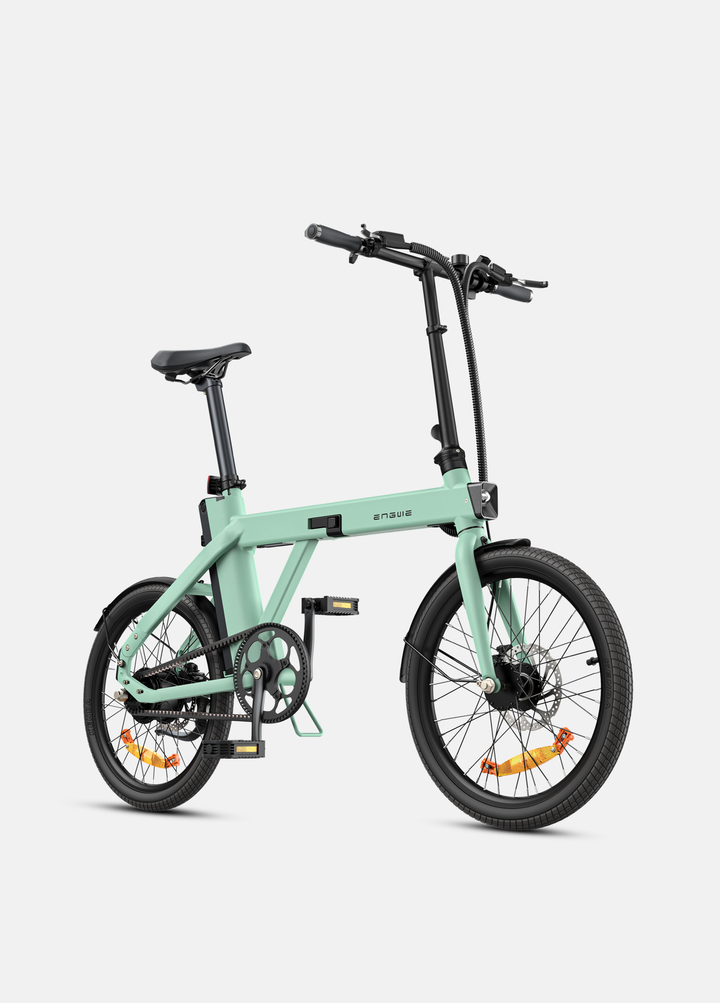
ENGWE EP-2 3.0 Boost
ENGWE EP-2 3.0 Boost is an extremely capable bike. Thanks to its 250W motor, which produces 75Nm torque, you won't have any problems climbing steep hills. Moreover, its torque sensor makes pedalling feel intuitive while its long range of 120 km means you can ride for hours without needing a recharge.
The bike's 20x4.0" fat tyres and 50mm front suspension can tackle both smooth roads and rough paths. Also, its foldable magnesium alloy frame makes storage simple for those with limited space.


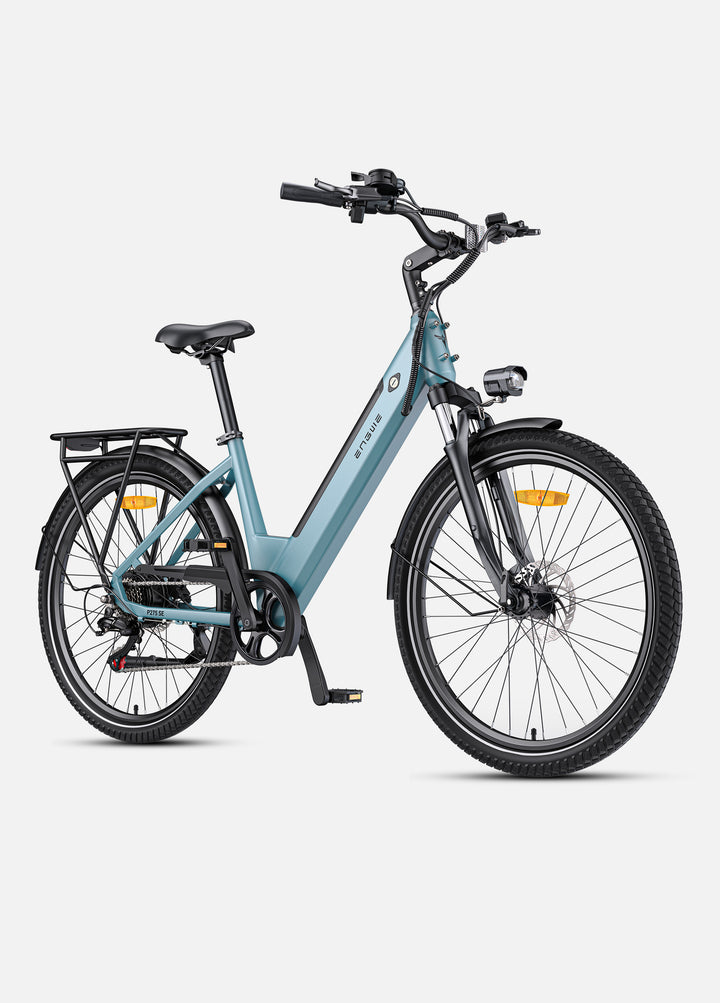
ENGWE P275 SE
It is a nimble city ebike with lighter 27.5x1.95 city tyres. The total weight of the ENGWE P275 SE is just 24kg, making it easier to carry. A torque sensor and 250W brushless motor with 42Nm torque provide efficient assistance for urban streets while the 100km range is enough to cover most commutes.
Moreover, its hydraulic disc brakes offer reliable stopping power on all types of terrain. You can get this bike easily through the Cycle to Work Scheme.


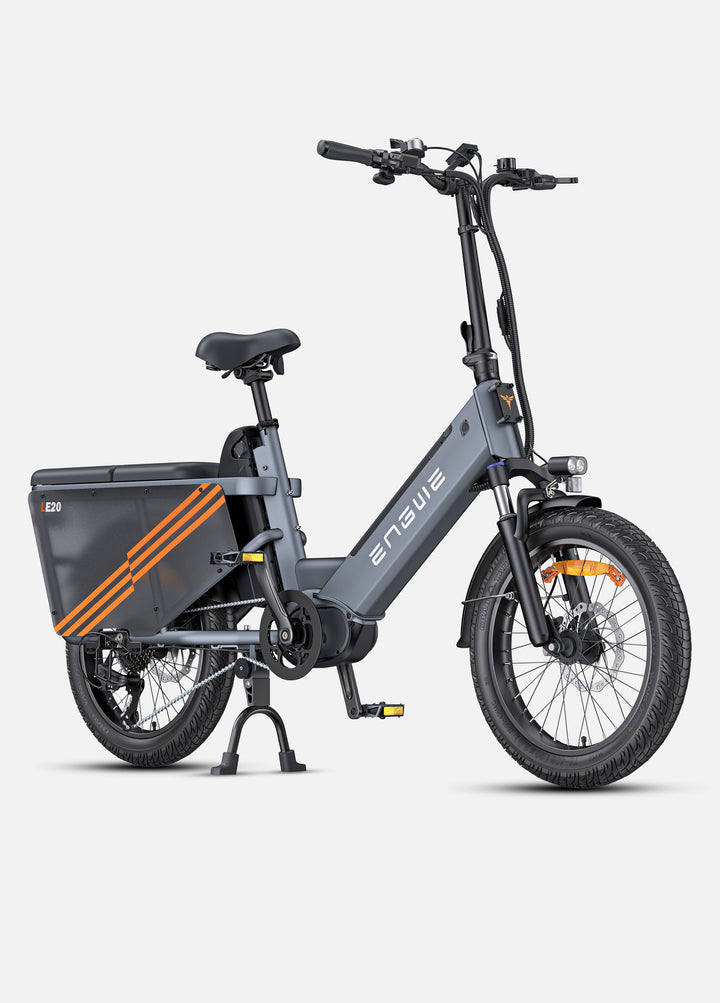
ENGWE L20
It is a robust and accessible option with a step-through aluminium frame for easy mounting and dismounting. This cycle to work scheme electric bike also has a 250-watt brushless motor with 50Nm torque to provide dependable power for flatter routes.
ENGWE L20's maximum range of 140 km makes it ideal for long journeys, while Shimano 7-speed gearing and mechanical disc brakes comfortably handle daily use. It is a fat tyre ebike that is available through the scheme.


How to Purchase an ENGWE E-Bike Through the Scheme
If you want to know how to use the Cycle to Work Scheme, the process is straightforward:
- Start by confirming your employer offers the scheme.
- If they do, apply for a certificate or digital voucher through your company's Cycle to Work Scheme provider.
- Confirm the voucher value covers your chosen ENGWE bike and accessories.
- Use this voucher to purchase directly from the ENGWE website or an authorised retailer.
- Your employer will pay the initial cost, which you will pay back through salary deductions.
- The scheme provider and employer will manage all the financial logistics.
What Happens at the Scheme's End?
The initial period is a hire agreement. You do not own the bike during this period. Your employer will transfer the bike's ownership at the end of the term. This usually involves a small ‘Transfer of Title’ fee.
Because the bike depreciates over time, this fee is often very low, around 3% to 7% of the original value. Your scheme provider will send you a notification when it is time to pay the fee. Once you pay the fee, the bike will legally become yours.
Summary
This was some essential information for those wondering how to use the Cycle to Work Scheme. It is an excellent option that dramatically reduces the up-front cost of a new electric bike. Each model meets strict European eligibility standards.
Following the process correctly turns a major purchase into a manageable investment. So, choose your perfect model and start your journey towards ebike ownership today.
FAQs
How does the Cycle to Work Scheme work?
An employer purchases a bike and leases it to an employee. The employee repays the cost through salary sacrifice over a set term. Deductions come from gross salary, before tax calculations.
This reduces the employee's income tax and National Insurance contributions. The employer handles the process via a scheme provider. After the hire period ends, the employee can buy the bike for a small, final fee.
How to save 47% on Cycle to Work?
This figure represents a maximum saving for the highest-rate taxpayers. Actual savings depend on your income tax bracket. The saving comes from reducing your taxable income, as you avoid paying income tax and National Insurance on the sacrificed amount.
A taxpayer avoiding 40% tax and 2% NI can approach 47%. A basic taxpayer still saves a significant amount, but not 47%. Always use a provider's online calculator for a precise estimate.
Do I keep the bike at the end of the Cycle to Work Scheme?
The scheme is intended for you to become the owner. After the hire period, your employer offers a final payment option. It is a low "Transfer of Title" fee based on the bike's depreciated value. Paying this fee makes you the legal owner of the bike. You are then free to use, sell, or keep the bike as you wish.