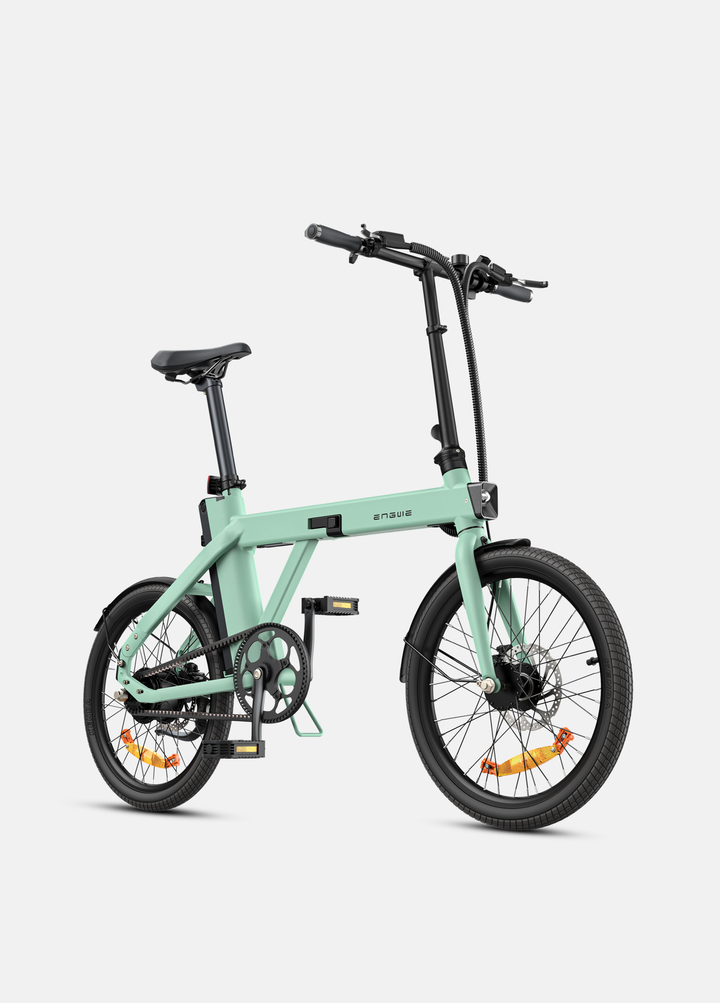
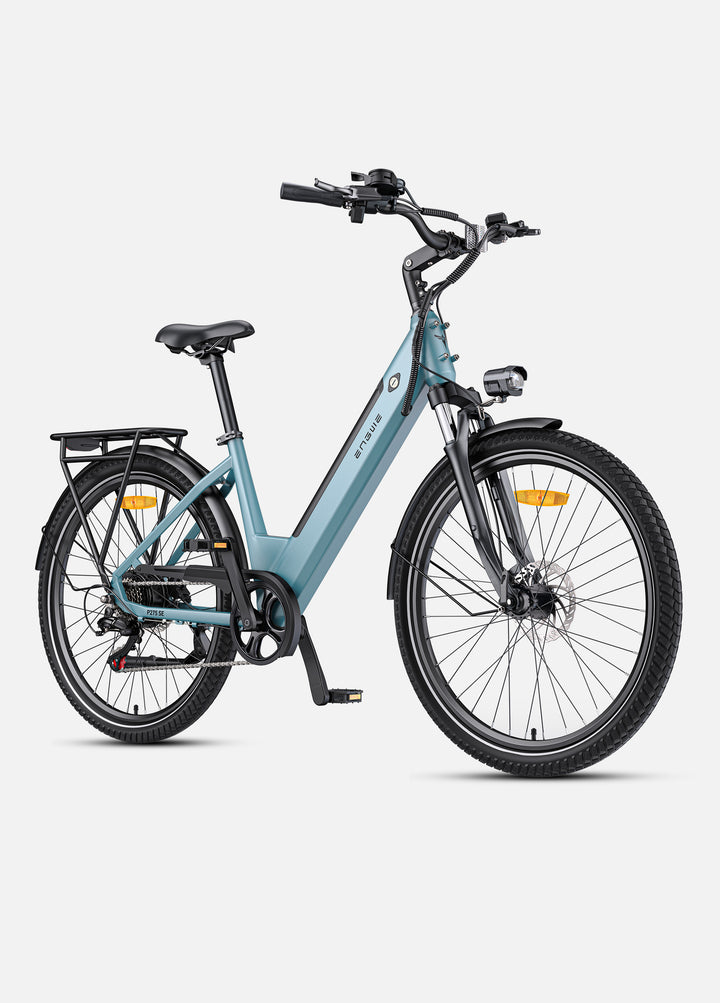
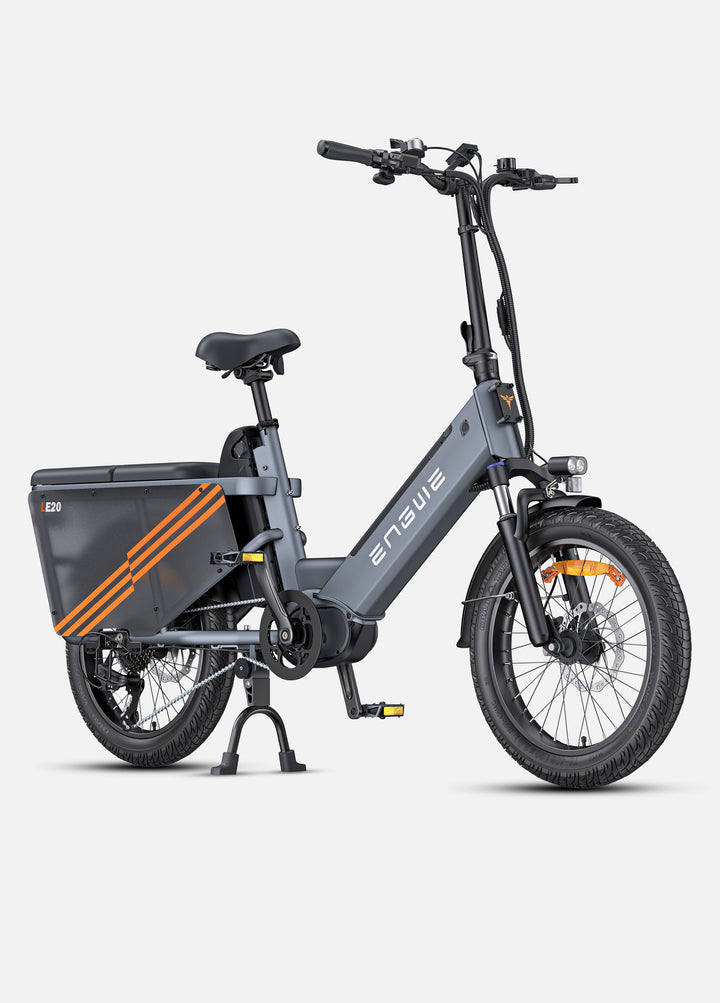
E-bikes are fast-growing in every market. Riders now see lots of choices, but one question keeps popping up over and over again: Is an electric bike fat tire model better than a standard bike? Both work very well, but they serve different needs. Below is a guide that explains their differences in simple words. It will also show where the fat tires shine and when the standard tires still make more sense.
What is an Electric Bike Fat Tire?
An electric bike fat tire model comes with wide and thick tires. Its tires are a good deal bigger compared to the standard e-bike tires. They cover more surface on the ground. That means extra grip, better balance, and a cushioned ride.
There are many terms that refer to the same style. The majority of people say e bike fat tire, electric fat tire bike, even electric bike with fat tires. All of these names refer to a bike built for stability and mixed terrain. Some of the more powerful versions include the fat tire electric bike 2000w or the fat tire electric bike 1000w for even more strength up hills or on trails.

Why Are Fat Tires Popular?
Fat-tire e-bikes have become very common. It feels like once somebody takes a test ride, many of the advantages are self-evident. Here are the most important benefits in simple, easy-to-understand points.
Better traction on rough ground
The wide footprint gives strong grip on gravel, sand, dirt, and uneven roads. This makes a fat tire bike feel like an all-terrain electric bike.
Comfort over bumps
The thick tires absorb the bumps. Cracks, potholes, and rough edges of the roads are now felt much smoother.
Smooth and stable ride
The fat tires provide a great platform for stability. Riders have said they feel secure-even at slow speeds or while carrying extra bags.
Works on multiple surfaces
From sand and forest paths to wet roads and light snow-no problem. For such flexibility, many riders would go for a foldable and best fat tire electric bike or fat tire electric dirt bike for everyday application.
Less slipping during bad weather
Fat tires stay steady in rain or loose soil. They are far more controllable compared to standard narrow tires.
These advantages explain why shoppers ask: Are fat tire electric bikes better? In many cases, yes-especially when the terrain often changes.

Where Standard Tires Still Win
Standard-tire e-bikes are still relevant. These provide certain positive aspects that fat-tire bikes sometimes can't deliver.
Better speed and efficiency
Thin tires are easy to roll. They reduce friction and enhance speed on smooth roads.
Improved range on a single battery
The less rolling resistance, the less power used. This helps riders to cover more distance.
Lightweight design
Standard e-bikes are lighter in weight, more easily carryable, and storable. Small areas, stairs, and office parking become easier.
Sharp handling
Narrow tires are quick-responding. They suit tight corners and crowded city areas.
It may yet be that a standard e-bike will serve those sticking to clean, flat roads better.

When Fat Tires Become the Better Option
Different riders have different needs. Below are situations where the fat-tire e-bikes become the better option. Note that each line starts differently to make your paragraphs more readable.
- It gives riders added grip over mixed surfaces such as gravel or dirt tracks.
- This provides a soft, cushioned ride for those who like maximum comfort.
- Those who carry groceries or gear appreciate a stable frame.
- Any person navigating through seasonal rain or wet patches will appreciate the extra control.
- Adventure riders like the surety of an electric all-terrain bike.
- Smoother travel is gained by commuters passing broken or uneven roads each day.
- Beginners feel safer because fat tires forgive small mistakes.
These are the advantages that make fat-tire designs prove why many ask if fat-tire electric bikes are better for real-world use.
For instance, the ENGWE EP-2 Boost is a powerful all terrain electric bike and sturdy; it serves well for city roads, as well as for rough paths. It folds easily, and for this reason, it can serve as a folding fat tire electric bike for small homes or car trunks.


Key Things to Consider Before Choosing a Fat-Tire E-Bike
A few points that help riders make a smarter choice:
- Smooth city roads call for standard tires, rougher surfaces call for fat tires.
- Storage counts. Fat-tire models are heavier and take more space.
- Changing the ride, motor powers come with options like dual motor fat tire electric bike or stronger versions that give better hill support.
- A lot of people seek an affordable fat tire electric bike, but quality improves safety and long-term value.
- Range depends on riding style. Heavy tires use more battery, so match your daily distance needs carefully. Fastest fat tire electric bikes are also in some people’s list.
- Comfort levels vary. A 20 inch fat tire electric bike absorbs road shock, thereby reducing the impact of long rides on the body.
- The purpose of the ride should be evident. Features differ for commuting, weekend trails, and mixed-terrain use.

Final Thoughts
Are Fat Tire Electric Bikes Better? Clearly, it depends on the rider. Fat-tire electric bikes give riding a strong grip in comfort and let one resolve on the number of surfaces to travel on. They fit any person moving across mixed terrain or anyone craving to get a safe and steady ride.
Models such as the ENGWE EP-2 Boost and ENGWE Engine Pro 2.0 show how well a fat-tire bike can adapt to city streets and off-road tracks. Admittedly, standard-tire e-bikes still win in speed, light handling, and long battery life. They meet the needs of riders who stay mostly on paved roads.
Yes, electric bike fat tire can be superior: when the terrain is varied, comfort counts, and stability is crucial. If your daily route has rough patches or you are an outdoor path enthusiast, maybe a fat-tire ebike would be the perfect fit.