When it comes to ebikes, a lot of riders wonder if they can use just any charger for their battery. The answer is no; you can't just use any ebike charger. The charger has to be compatible with your battery, and there are some other key things that must be considered.
What makes a charger compatible? Let's find out!

Understanding Ebike Charger Compatibility
The issue with ebike chargers is that they're not interchangeable. Each ebike battery charger is designed for specific batteries and connectors. Plugging the wrong charger in can have serious consequences, like damaging the battery or even creating a safety hazard or fire risk.
Various manufacturers have created their own charging systems. A Bosch ebike charger is designed to only work with Bosch systems due to the proprietary designs and patents. Even if a charger fits your battery port, it might not work because it's not electrically compatible.
Voltage and Amperage Requirements
Voltage Compatibility
When it comes to picking an ebike charger, voltage matching is key. Electric bike batteries usually run at 36V or 48V. For a 48V ebike battery, you'll need a 48V ebike battery charger.
If your charger uses more voltage than your battery is rated for, you're asking for trouble. Overcharging can cause overheating and even damage beyond repair. Meanwhile, a charger for ebike with too little voltage won't give your ebike's battery a full charge.
Amperage Considerations
The amount of power going into your e-bike's battery impacts how quickly it charges. A 48V ebike charger might put out 2A, 4A, or more. Chargers with higher amperage get the job done faster, but they need to stay within the limits set by the manufacturer.
For instance, an ebike battery charger 36V system might use a 2A or 3A charger, and larger batteries will likely need more power. The main thing is to make sure the charging current is within what your BMS can manage.

Connector Types and Physical Compatibility
Beyond just making sure your devices work together electrically, the physical connectors can be really different from one manufacturer to another. You've got barrel connectors and custom plugs that only work with certain brands. Even if you get the voltage and amperage right, a connector that doesn't match will completely block charging.
ENGWE has developed its own charging solutions, like the ENGWE battery charger. The charger runs quietly without any fans, making it perfect for charging your bike indoors.
|
Charger Type |
Typical Voltage (V) |
Output Current (A) |
Charging Time |
Connector Type |
Main Use Case |
|
Standard Charger |
24, 36, 48 |
1.5 – 2.5 |
4 – 6 hours |
Barrel / XLR |
Daily commuting |
|
Fast Charger |
36, 48 |
3 – 5 |
2 – 3 hours |
Proprietary/Varies |
Frequent long rides |
|
Portable Charger |
24, 36, 48 |
1 – 2 |
4 – 6 hours |
Typically universal |
Travel, on-the-go |
|
Smart Charger |
24, 36, 48 |
1.5 – 3 |
3 – 5 hours |
Varies |
Tech-savvy riders |
|
Ebike 48v Ebike Charger |
48 |
2 – 4 |
3 – 5 hours |
Often 3-pin |
48V battery ebikes |
|
Bosch Ebike Charger |
36 |
4 |
3 – 5 hours |
Bosch proprietary |
Bosch-powered ebikes |
|
Universal Charger |
24, 36, 48 |
Adjustable |
2 – 6 hours |
Adapter-based |
Mixed fleets |
Brand-Specific Charging Systems
Bosch Ebike Systems
Bosch ebike charger systems are some of the most advanced out there. The Bosch ebike battery charger works with all Bosch motors made since 2014. These chargers usually give 4A of charging power and can fully charge a PowerTube 625 battery in around 5 hours.
Universal vs. Proprietary Solutions
Some manufacturers make "universal" chargers for multiple voltage systems. These chargers often come with different adapters and adjustable voltage, but you should use them with caution.
Safety Considerations and Risks
Using the wrong ebike charger can be a real safety risk. If the voltage is off, it can cause the battery to overcharge, leading to cell damage and even fires. Plus, even if a charger seems like it should work, it might not have the right safety features.
Modern ebike battery charger systems have safety features that prevent overcharging and overheating. Without these safety features, you're at risk of damaging your battery or causing a fire.

Alternative Charging Methods
How to Charge an Ebike Battery Without a Charger
Several methods exist for how to charge ebike battery without charger. However, think of these as temporary solutions rather than a regular habit.
- Portable Power Stations: High-capacity portable power banks are great for charging ebike batteries. They're great for long trips or adventures where you're off the grid.
- Solar Charging: Solar panels with built-in charge controllers can turn sunlight into power to charge your batteries. For this to work, you need panels that produce enough watts and have the right connectors.
- Car Battery Charging: In a pinch, car batteries can supply temporary power with a DC-to-DC converter. But be very careful, since high currents and voltages are at play here.
- Universal Chargers: Universal chargers can be a match for your battery's voltage and current. But they might not have the exact charging profile your battery needs.
Proper Charging Practices
So, should you fully charge your ebike battery? It's not that simple. A lot of people assume that charging it all the way to 100% is the best thing to do, but research has shown that it's actually better for the battery to keep it charged between 20% and 80%. What's worth mentioning is that lithium-ion batteries don't do well when they're totally empty or fully topped up.
How to charge an ebike properly requires a bit of care. For starters, keep the battery at a comfortable temperature. Also, let it sit for a bit after a ride. You don't want to charge it when it's hot.
For your daily commute, charging to 80-90% is usually enough. Stick to full charges for longer trips when you need the maximum range.

Troubleshooting Charging Issues
A real pain point is when your ebike battery fully charged but not working. The issue might not even be the battery. Sometimes it's just a simple connection that's loose, or a fuse has blown.
To start troubleshooting, check the connections between the battery and the bike's electrical system. Make sure the terminals are clean and that all connections are tightened. Occasionally, the BMS switches into a protective mode, which stops the power from flowing.
If your battery says it's full, but a voltage test shows it's not. That's usually a sign of bad battery cells. If that's what's happening, it's a good idea to get a pro to take a look and figure out if the battery or charger needs to be swapped out.
ENGWE's Approach to Charging Solutions
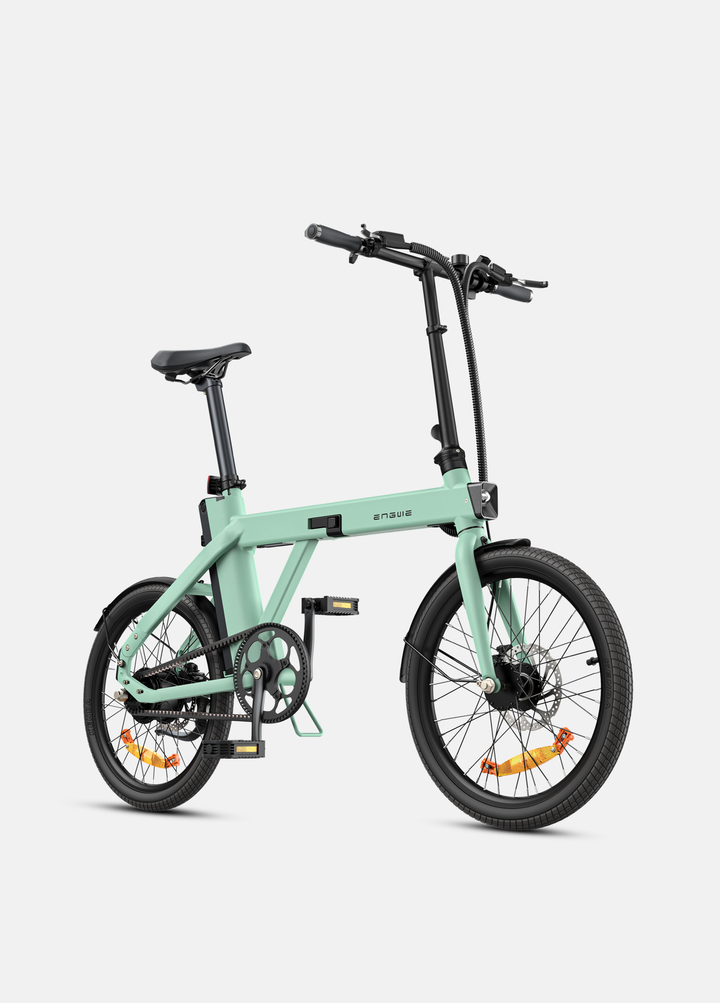
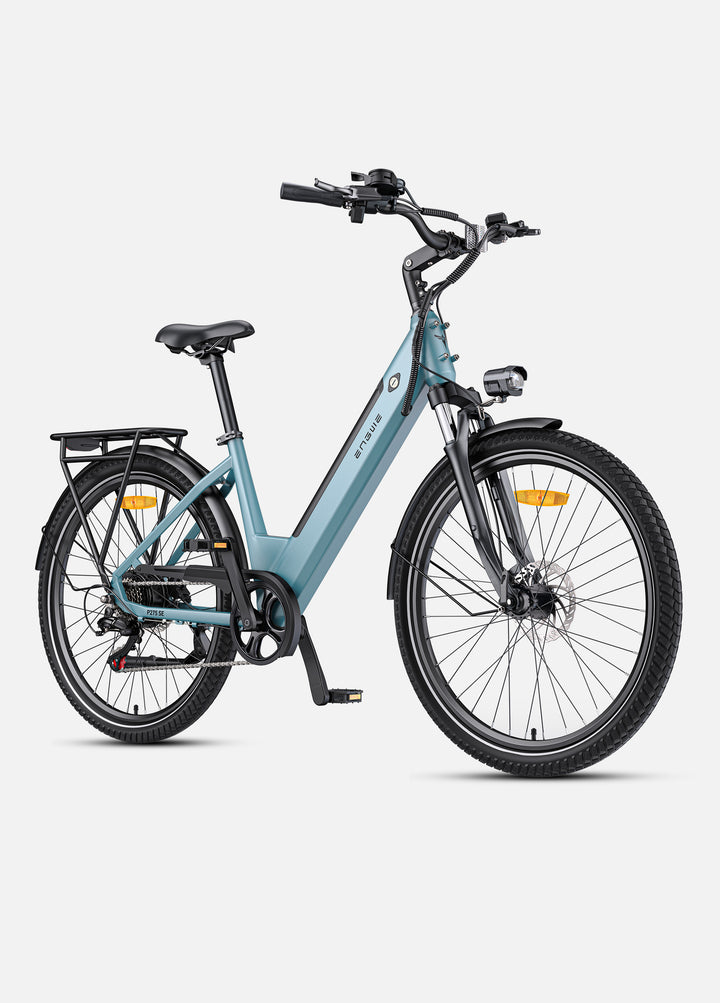
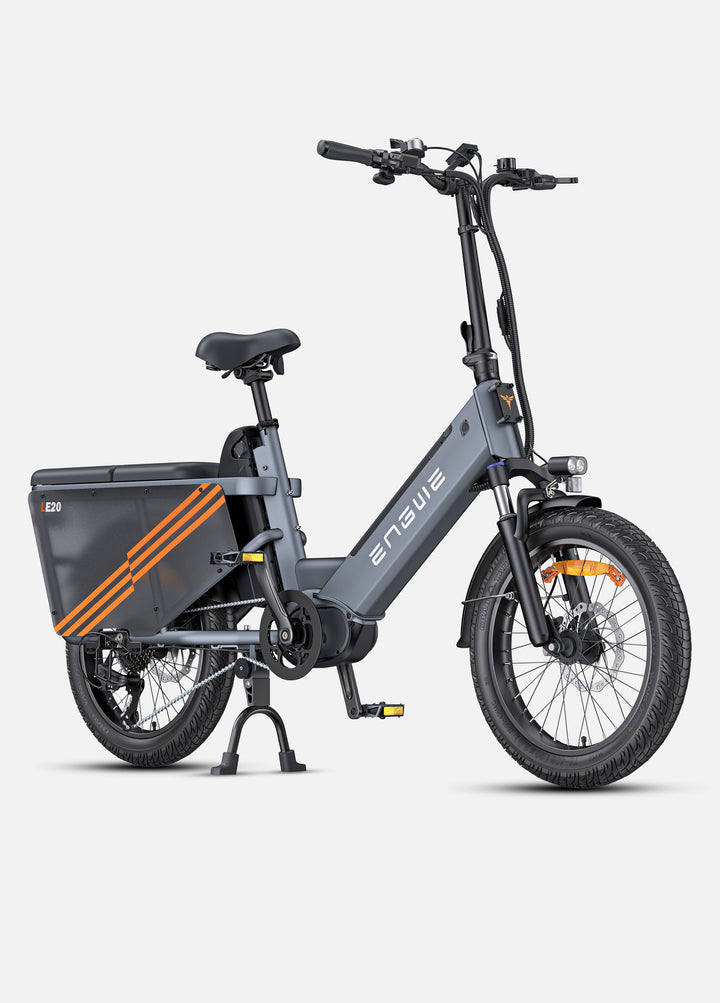
ENGWE put a lot of thought into their electric bikes when it comes to charging. Take the ENGWE EP-2 Boost, ENGWE L20 3.0 Pro, and ENGWE Engine Pro 2.0, for example - each one has a charging system that's perfectly matched to its battery.


This approach makes charging easy, saving you time and effort. By thinking of everything from battery type to charging port design, ENGWE e-bikes are super practical.
ENGWE's approach to charging focuses on safety and ease of use. Their chargers have smart charging profiles that help batteries last longer and charge efficiently. They're also quiet, making them perfect for charging indoors.
In a Nutshell
Safe and effective ebike charging starts with knowing what your system needs. It's tempting to use a universal solution, but the risks of using a charger that's not compatible far outweigh any benefits. To get the best performance and battery life, it's worth investing in proper charging equipment specifically designed for your ebike.
Frequently Asked Questions
Can I use a different brand charger for my ebike battery?
Usually not. Brands tend to have their own charging systems. If you use a charger that isn't compatible, you could end up damaging the battery. It's best to stick with the charger recommended by the manufacturer.
What happens if I use the wrong voltage charger?
Using the wrong voltage can lead to big problems. If the voltage is too high, you risk overcharging and overheating. On the other hand, if the voltage is too low, your battery won't charge fully. Make sure to match the charger's voltage to the specs of your battery.
How do I know which charger is compatible with my battery?
Check your battery specs for voltage and the kind of connector it uses. You can find this info in your bike manual or on the manufacturer's website. They'll usually list recommended chargers. If you're not sure, it's a good idea to reach out to customer support.
Is it okay to charge my ebike battery overnight?
Most modern chargers have built-in safety features, but it's a good habit to unplug once your device is fully charged. Occasional overnight charging is generally not a problem, but don't do it all the time.
Can I upgrade to a faster charger for my ebike?
If your battery management system can handle higher currents, you're good to go. But first, check your manufacturer's specs. Faster charging means more heat, and that could cut your battery's lifespan short.