Electric bikes are a stylish and smart way to commute, exercise, and enjoy the outdoors. However, their technology might seem a bit confusing for newcomers to e-mobility. Most frequently, such people ask: "Do you have to pedal an ebike?" The solution is not necessarily a straightforward yes or no since it relies mostly on the kind of bicycle as well as the laws of your area.
This guide explains how ebike pedals work, the details of pedal assist technology, and the different riding modes that can be used. Knowing how these systems work will help you understand whether you want a comfy city ride or a strong 4x4 vehicle.
Understanding the Role of Ebike Pedals
At first glance, an e bike with pedal appears to be a regular bike. But, usually, the pedals on an electric bike are the means by which the bike is mechanically propelled, and the electric motor is powered. The combination of these two is what gives an e-bike its amazing ride.
In most European countries and other parts of the world, laws say e-bikes must be 'pedelecs.' This means the motor only helps when the user pedals. For that reason, the pedals of an ebike are not simply the means by which you place your feet; they are the main way in which you control the bike's power system.
If you discontinue pedaling, the motor will also cease to operate. Such a configuration is what qualifies the means of transport to still be a bike in legal terms.

What is Pedal Assist?
Pedal assist, or PAS for short, is basically what makes a modern electric bike so great. When you ride a pedal assist ebike, sensors monitor your pedaling. Then, the bike adds electric power to match or exceed your effort if you want more help.
The main thing that the system depends on is what is called the ebike pedal assist sensor. Typically, there are two kinds of sensors that can be used:
-
Cadence Sensors: They detect if you are pedaling and how fast. Basically, they work as an on/off switch for the motor. When the pedals are running, the motor delivers the power.
-
Torque Sensors: They are the ones to figure out the amount of force you are putting on the pedals. This technology offers a more natural and responsive experience. It supports users and boosts human capability.

Typically, a rider desiring a fitness session or the sensation of a "real bike" would most likely go for an ebike with pedal assist with a torque sensor. The experience is as if you have bionic legs.
Do You Have to Pedal an Ebike?
The query "Do you have to pedal an ebike?" mainly hinges on the model in question and the regulations of the area.
-
Pedal Assist Only: Most road-legal e-bikes in Europe are pedal-powered electric models. In order to receive motor assistance, you have to pedal.
-
Throttle-Controlled: Some bikes, which are sometimes called an ebike with no pedals to be propelled (although they do have pedals), may have a throttle. This permits the rider to go without pedaling. In many places, these are seen as mopeds. So, they might need insurance, registration, and helmets.
-
Ebike No Pedals: Essentially, a real ebike without pedals is an electric scooter or a motorbike and hence, belongs to a different category of vehicles.
Most cyclists go with a pedal ebike as their standard. In fact, this type of bike provides the best trade-off between workout, distance, and staying within the law.
The Benefits of a Pedal Bike with Electric Assist
Choosing an electric pedal bike has many advantages over a throttle-only or non-electric bike.
-
The battery lasts much longer than on a pure motorbike. This is because the rider helps with the propulsion.
-
A pedal-assist ebike ride is still a calorie-burning activity. The assisting level can be set to a work you hardly know, you are exercising or doing a full workout.
-
Electric bicycle pedals give you precise control over speed. This is especially important at low speeds or during turns. Such control is essential for safety in traffic.

Choosing the Right E-Bike for Your Needs
Knowing your riding style is a must when you are looking for the best pedal assist ebike. There are plenty of choices in the market which can be a fast ebike with pedals for a quick commute or a rugged model for an off-road adventure.
For the Urban Commuter
Urban cyclists require easy handling and comfort. Usually, an ebike with pedals that folds is their first choice.
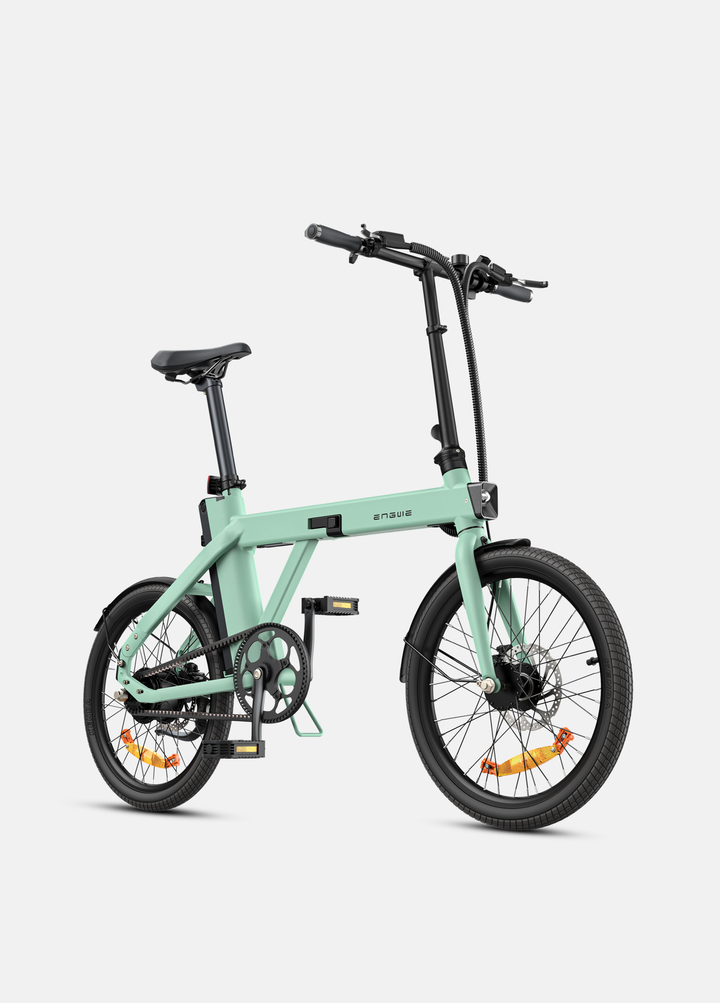
ENGWE P20: The best illustration of a current folding commuting might be this one. The ENGWE P20 features a quiet, minimalist belt drive and a torque sensor. This setup ensures smooth, silent, and quick power delivery from the rider to the bike. Because of its neat 250W motor, it is just the right kind of vehicle for a city, thus enabling a gentlemanly ride without the dirt of a traditional chain.


For Comfort and Utility
The step-through frame is perfect if you are thinking about comfort first or if you have to carry groceries.
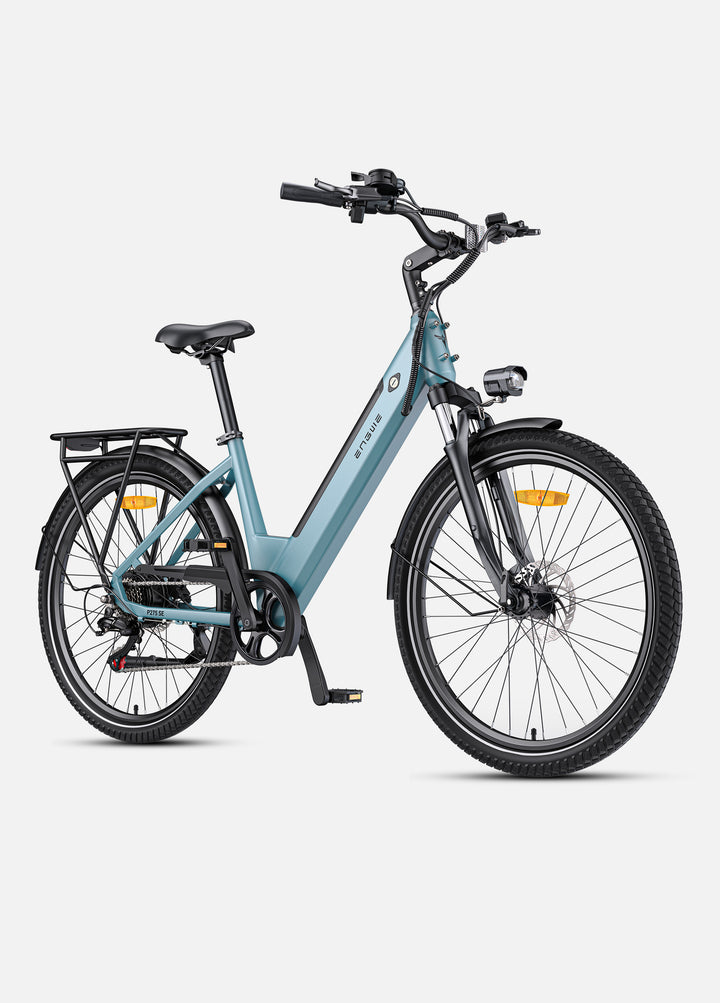
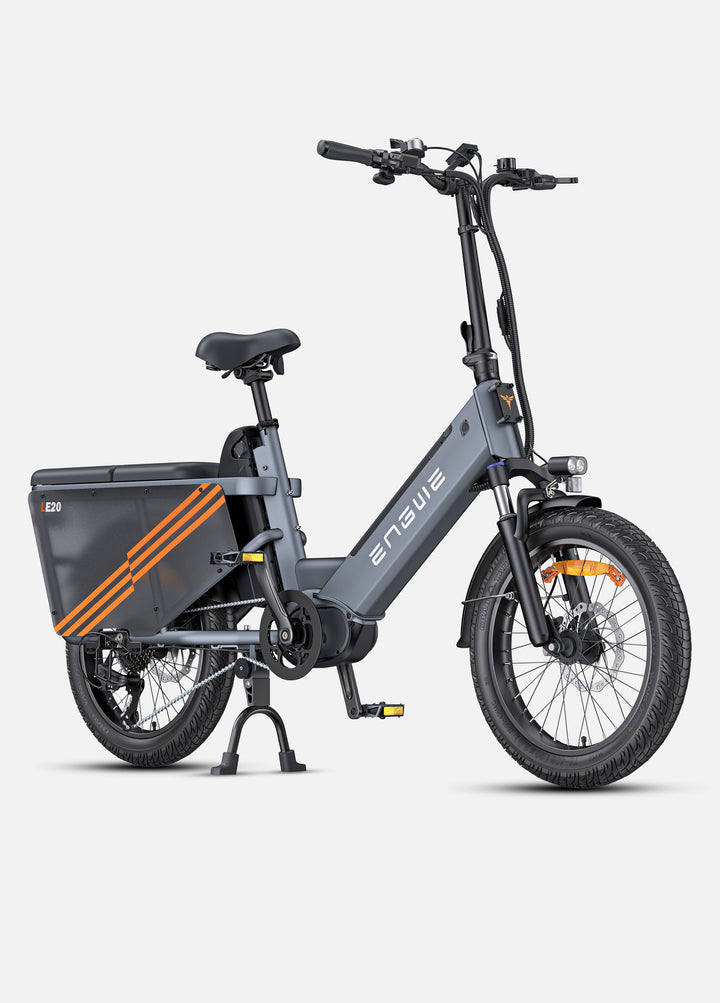
ENGWE L20: This bicycle is perfect as a utility-focused pedal ebike. The step-thru frame makes getting on and off very easy, which is nice when you are in stop-and-go urban traffic. The 250W motor allows the ENGWE L20 to meet the rules, and yet, it is quite powerful to push the heavy loads. It's an amazing choice for people who want to ride in a comfortable position and have useful features.


For All-Terrain Adventures
Those wanting to dive into the wilderness need a bike with wider tires.
ENGWE Engine X: This vehicle is the one that propels the idea of a pedal powered electric bicycle to go beyond the city and into the rough nature. The 20-inch fat tires and the full suspension make the ENGWE Engine X absorb the bumps in the road very effectively. The 250W motor helps a lot on long rides over mixed surfaces. This makes it a great choice for weekend explorers who want to venture off the beaten path.


Specialized Turbo Vado SL
In most cases, the Specialized Turbo Vado SL is a key reference because of its weight. Fans often mention it when discussing rides that feel natural. The bike has a mid-drive motor that works with the rider's cadence. It’s so advanced that you hardly notice it. To be sure, a very good decision is fitness enthusiasts.

Trek Allant+ 7
In the touring segment, the Trek Allant+ 7 is a machine that delivers massive power. With the added feature of a Bosch drive system, the e-bike is not only dependable but can also travel over long distances. This ebike offers great comfort and style. It's ideal for those who see pedal assist as a car replacement for daily transport.

Special Categories: Kids and Speed
While most e-bikes are made for adults, there is a trend rising towards the kids ebike with pedals market. Such models are usually less powerful and smaller, thus helping the little ones to keep up with the parents during the family rides. As safety is the most important thing in such cases, these bikes frequently have very limited speeds of travel.
At the opposite end of the spectrum, some people look for the fastest ebike with pedals. In Europe, they are called S-Pedelecs and can go up to 45 km/h. But, in contrast to a normal ebike with pedals that is limited to 25 km/h, S-Pedelecs need to have a license plate, insurance, and a special helmet. Most users will find a standard-compliant e-bike to be enough, and with less trouble from the authorities.
To Sum Up
What is a pedal ebike, a pedelec, or just an electric bike if not a bike with pedals? The pedal on an ebike is not just a residual part; it is the point where human power meets electric power. There's a bike for everyone. You can choose the handy folding ENGWE P20, the powerful ENGWE Engine X, or high-performance models from Specialized and Trek.
Choose a pedal-assisted model for a safe, legal, and enjoyable ride. It boosts your mobility while keeping the fun of cycling intact.
Frequently Asked Questions (FAQs)
Can I ride an ebike if the battery dies?
Definitely, without a doubt. Simply put, a huge advantage of pedal-equipped ebike is a huge advantage because it works just like a regular bike if you don't use the power. Though it might seem a bit heavier because of the motor and battery, you can still pedal it all the way.
What is the difference between a torque sensor and a cadence sensor?
If a person is pedaling, a cadence sensor will find it, and it is as if a switch for the motor is being turned on. A torque sensor, on the other hand, is the one that figures out the power of the user's pedaling. A torque-powered ebike pedal assist sensor feels smooth. It makes it seem like your own strength is being mirrored.
Are e-bikes with throttles legal in Europe?
In general, electric bicycles that can be driven only by a throttle, without any pedaling, are often called mopeds. In order to be recognized as a bicycle, the engine should be a pedal assist only (assist while pedaling) and the speed at which it disengages should be 25 km/h.
Do I need a license to ride a pedal assist ebike?
In most EU countries, you don't need a license, insurance, or registration for a standard pedal-assist e-bike. If it has a motor up to 250W and assists you up to 25 km/h, you're good to go. Such e-bikes are considered to be the same as normal bicycles.
Is an ebike good for exercise?
Research shows that users of electric pedal bikes tend to ride more often. They also cover greater distances than regular bike riders. Besides, it is possible to set the assist level to minimum if you desire to have a more exhausting exercise or to a higher level, when you need to rest.