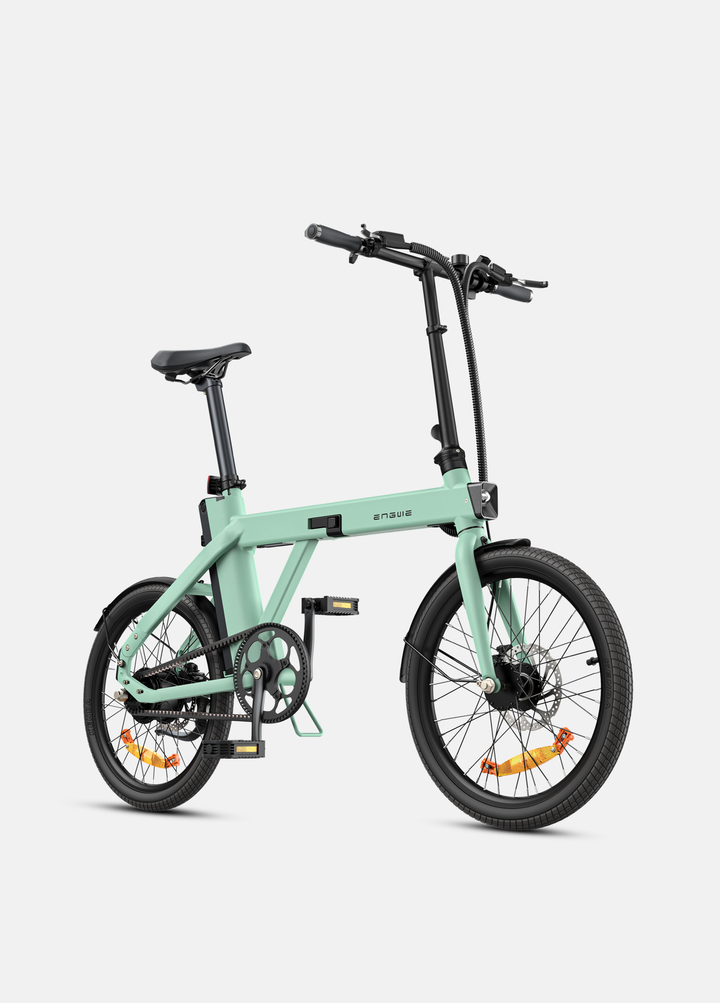
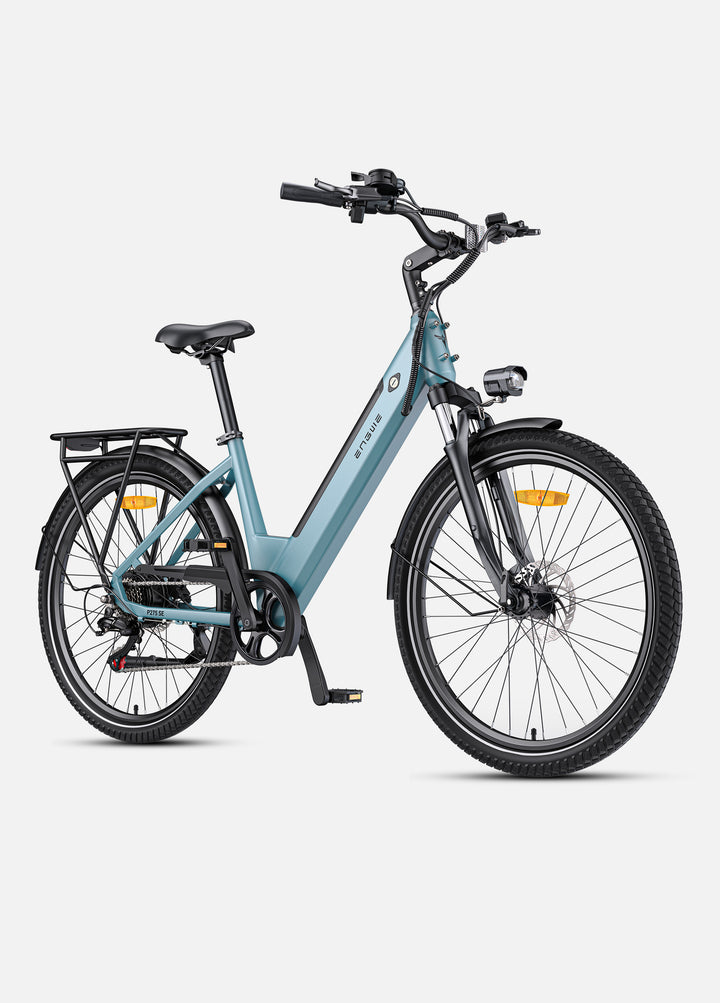
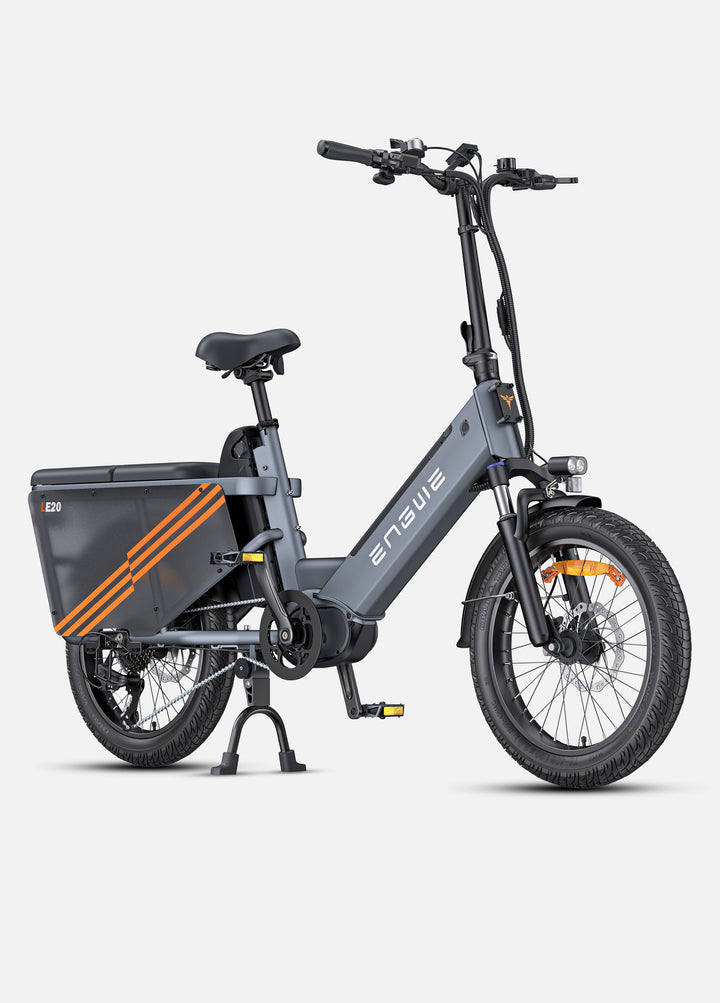
Over the last decade, electric transportation has experienced an explosive evolution. At first, it was just a tool to help bicyclists pedal. Now, it’s a line of high-performance bikes that can match small motorcycles in speed and power. At the present time, a 50 mph ebike is not the idea of the future but the reality of thrill-seekers and efficient long-distance commuters.
Nevertheless, motoring at 50 mph on a two-wheel frame evokes a peculiar trio of challenges and responsibilities. Controlling this speed takes more than just a firm grip on the throttle. A thorough knowledge of physics, first-class safety gear, and consistent self-discipline in road awareness are all essential.
In this guide, we will discuss the strengths of these machines and the top choices on the market.
The Thrill and Responsibility of High-Speed Riding
Taking off on an electric bike that goes 50 mph feels like a new kind of freedom. Most of the time, the power arrives quickly, making you curious about its source. Blending with traffic speed is not just more fun; it's also a safer way to ride. The rider must understand that at high speeds, mistakes are risky. There's little room for error.
A rough piece of pavement, a sudden gust of wind, or even a very slight blocking movement of a vehicle next to you could turn out to be significant factors. Riding a 50mph ebike means the rider has to change his/her thinking from that of a carefree cyclist to that of a very attentive pilot.

Choosing the Right High-Performance Machine
When someone is buying an ebike 50 mph that the riders can really rely on, the first things that come to mind are the build quality and the choice of components. Within the powerful motor niche, the ENGWE X26 is one such heavy hitter. It's a perfect fit for people who require a tough, versatile vehicle that can handle any terrain.
It features an advanced triple suspension system. This system reduces high-frequency vibrations, making rides stable and comfortable at high speeds. The excellent torque motor gives the rider a good burst of speed and the capability to ascend even the steepest hills without the need to slow down.


The ENGWE M20 comes as another wonderful option from the same brand. The ENGWE M20 takes inspiration from motorcycle design. Its dual-battery system lets riders go on long trips without worrying about running out of power. Its extra-wide tires provide a bigger contact area with the ground. This is key for grip and control when doing fast tricks on various surfaces.


Besides the ENGWE range, other brands have challenged the limit of speed as well. The Sur-Ron Light Bee X is probably the most famous example of an ebike that goes 50 mph thus questioning the difference between a mountain bike and a dirt bike. It often receives appreciation for its light aluminum body and a peak power of 6000W, which lets it hit top speeds in no time.

Moreover, one of the reasons why the Wired Freedom is so popular is that it is an ebike that can go 50 mph, yet it still looks like a regular bike. It typically comes with a 60V system and high-wattage motor controllers to get to its performance benchmarks. These different models show that whether you prefer a rugged off-road bike or a smooth cruiser, the technology behind 50 mph ebikes is diverse and rapidly changing.

Essential Safety Gear for High-Speed Commuting
When it comes to ebikes 50 mph or more, safety is by far the most important aspect. A regular bicycle helmet, which is intended for speeds less than twenty miles per hour, will not be enough for such high performance.
Motorists must buy a full-face helmet. It needs to meet the safety standards from the Department of Transportation (DOT) or the Economic Commission of Europe (ECE). These helmets protect your jaw and face during high-speed skids. They often have built-in visors to shield your eyes from wind and grit.
Body protection counts as well. Wearing impact protection outerwear with CE-authorized armor at the elbows, shoulders, and back can help. It may reduce fractures and lessen severe road rash. Typically, abrasion-resistant fabrics like Cordura or leather are suggested. They can withstand the heat generated by friction during a slide.
Handwear should have reinforcement at the palms with sliders and the knuckle area to protect the hands. According to natural instinct, the hands are the first to touch the ground during a fall.

Mastering High-Speed Riding Techniques
It takes different physical skills to operate a 50 mph ebike than a standard bicycle. One of the key skills is "looking through the turn." The bike will, at high speeds, instinctively follow where the rider’s eyes are.
So, if the rider looks further ahead and toward the corner exit, he will be able to take a smooth and predictable line. The rider shouldn’t make sudden steering moves. Instead, they should lean gently and use counter-steering to turn. Counter-steering means pushing the handlebars slightly to the side you want to turn. This helps the bike lean and smoothly navigate the curve.
Braking technique is also an essential skill to master. Almost all fast e-bikes nowadays have hydraulic disc brakes that offer tremendous stopping power. Yet, if you brake too hard, the wheels will get locked, and you'll skid. Cyclists should practice "progressive braking." Start with light pressure. This helps the brake pads and front suspension settle. Then, gradually increase pressure to slow down quickly.

Road Awareness and Defensive Riding
If you're riding an ebike that goes 50 mph, you're moving at a speed that most drivers won't expect from a cyclist. This brings about a "perception gap" situation where a driver may see you but think you're farther away or slower. Following riding in a defensive manner is the best way to deal with this. At any crossing, be sure to always take it for granted that a car driver doesn't see you.
Maintaining a "space cushion" is another key strategy. Turning your back on the car in front, remember that at 50 mph, you travel about 73 feet per second. If the vehicle in front of you suddenly stops, you will need a big gap to react and stop safely. Increase your following distance. Keep your eyes on the road for hazards like oil slicks, gravel, or potholes.
This gives you enough time to react. Riding at high speed is equally a mental game of foreseeing the events and a physical act of balancing.

In a Nutshell
When you ride at really high speeds, the components of your ebike get under a lot of stress. So, for your safety, regular maintenance should really be seen as a necessity rather than just a step towards a long life for your ebike.
Before going out for a ride, a quick check of the bolts should be done to ensure that none of the bolts have loosened due to vibration. Tires should always be at the right pressure. Under-inflated tires can make handling sluggish and may cause a rim strike. Also, overinflated tires can reduce traction.
Since 50 mph ebikes brake hard in a short time, they generate significant heat. You should check brake pads regularly for wear. Also, bleed the hydraulic fluid on the manufacturer's schedule. This helps you avoid a "spongy" feeling or brake fade.
Frequently Asked Questions
Is it legal to ride a 50 mph ebike on the street?
Whether high-speed e-bikes are legal or illegal differs greatly depending on the region and the country. Generally, a lot of localities have a restriction on electric bikes that they cannot exceed 20 or 28 mph to be considered bicycles.
If the electric bike can reach 50 mph, it will likely be classified as an electric moped or motorcycle. This means you’ll need to register the vehicle, obtain a special license, and get insurance.
Do I need a motorcycle license for an ebike that goes 50 mph?
In most jurisdictions, the answer is positive and a clear "yes." Because a 50 mph ebike is much faster than Class 1, 2, or 3 electric bicycles that are limited to certain speed levels, it is classified as a motor vehicle. To get a motorcycle license, you need to pass a theory and a practical exam. This is great for the rider.
How often should I replace the tires on a high-speed ebike?
Tires on high-performance electric bikes wear out faster than on regular bikes. This is mainly because e-bikes reach higher speeds and carry the extra weight of the motor and batteries. Check your tread depth once a month. If the tread design is getting level with the tire surface or if you see any cracks in the sidewall, then you need a new tire.
Can I ride my 50 mph ebike in the rain?
Most premium e-bikes, like ENGWE models, have water-resistant parts and IP-rated electronics. Still, riding at 50 mph in the rain is risky. First of all, when driving at high speed, there is a risk of treading water or "hydroplaning." This is a condition in which the tire and the road are separated by a layer of water, resulting in the loss of the ability to steer and brake.
What is the best way to extend the battery life on a high-torque ebike?
Never allow your battery to leak out the entire charge only to then recharge it. Most lithium-ion batteries function best when their charge stays within the 20% to 80% range. Heat is the enemy of battery life. So, don’t charge it right after a vigorous run when the battery is hot. Let it cool down first.