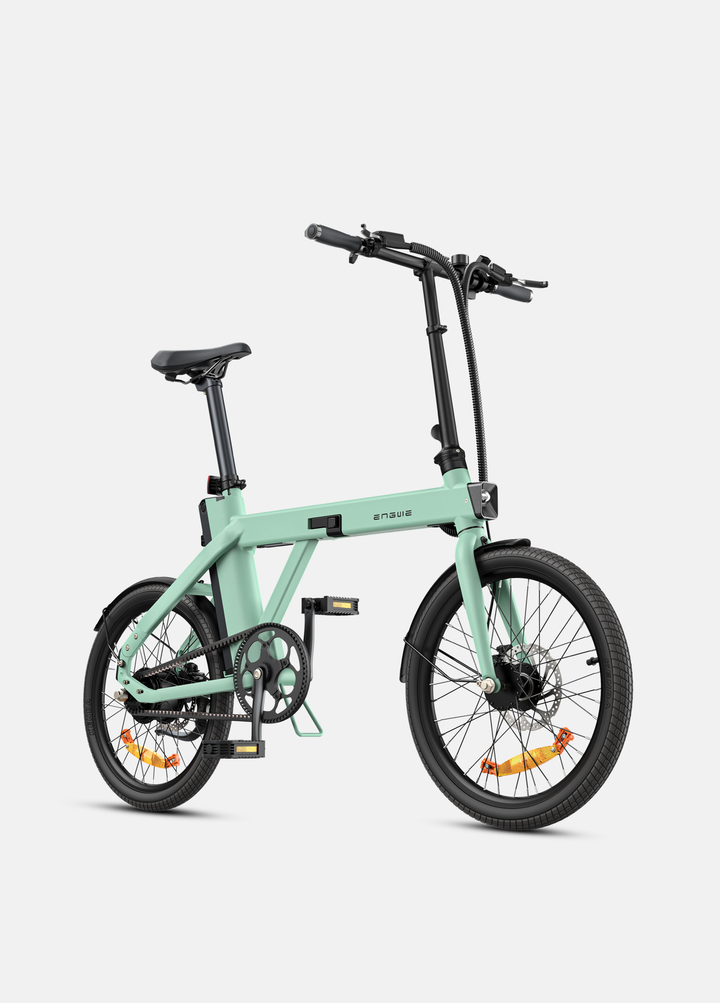
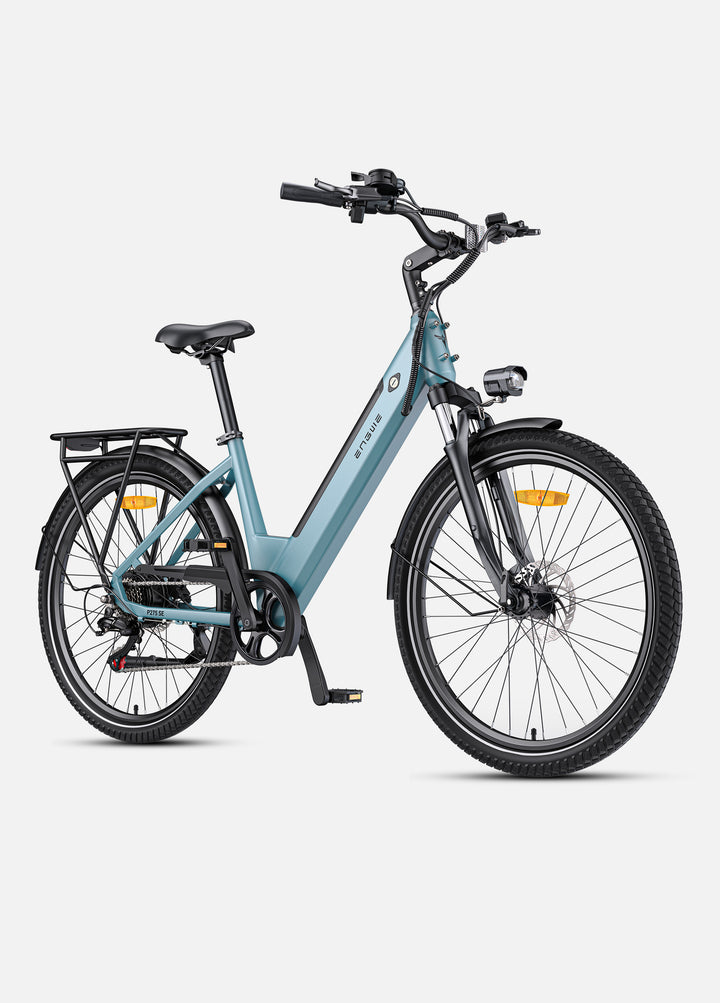
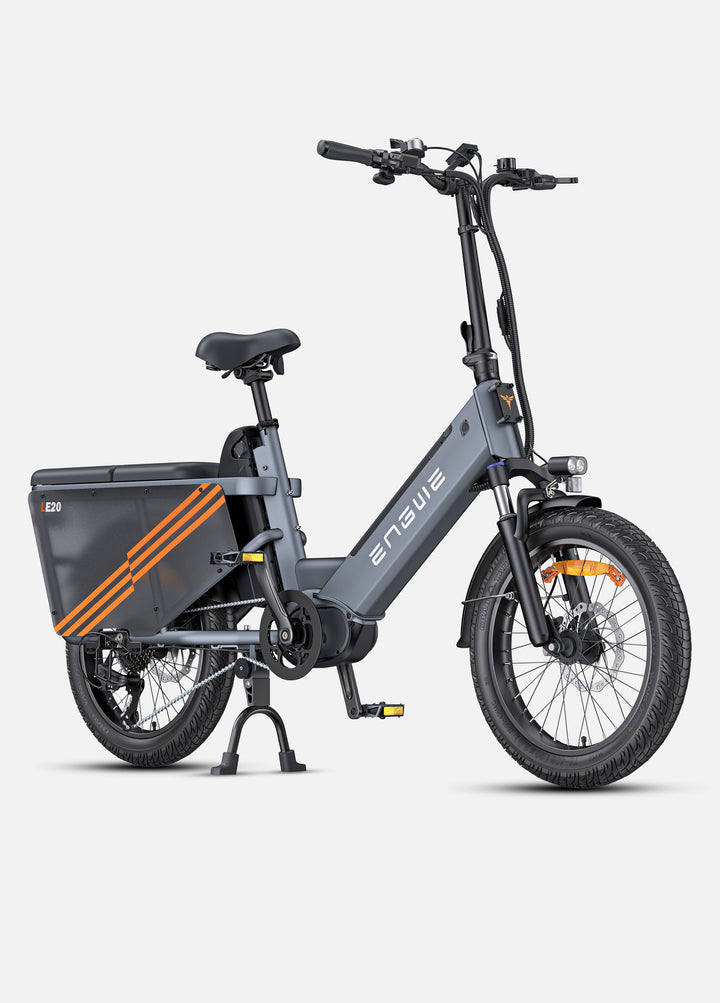
The electric mobility space is growing, but the terminology can be confusing. Two terms you will always find are “E-Bike” and “Pedelec”. And though they are often used as if meant interchangeably, they are really two very different classes of electric-powered two-wheelers with very different purposes, legal requirements, and riding experiences. Knowing these differences is the most important part of buying the right style of bike for you, fulfilling local laws, and abilities to go where it needs to. This comprehensive guide takes a deep-dive into five of those distinctions.
Motor Engagement: Pedelec vs. E-Bike
The biggest difference is how the motor engages and by how much the rider needs to pedal. That one decision determines the entire attitude and category of what this bike is. Where a Pedelec is made to support your own power, an E-Bike can function on its own. Knowing this fundamental mechanical difference is the first step to selecting the right type of bike for your fitness and commuting needs.
Pedelec (Pedal Electric Cycle)
The engine on a Pedelec kicks in only when the rider is pedaling. It employs fancy sensors to detect how fast and/or hard you are pedaling, then applies power in a syncopated manner.
- Feel: It feels like you’re riding a regular bike but with a steady tailwind, turning hills into flats and distance into less.
- Rider Engagement: This system forces and rewards physical effort. You’re always in some way along for the ride.
- Control: There are often different modes you can engage (e.g., Eco, Tour, Turbo) with varying levels of assistance, but hardly any electric assist bike will pedal without your effort.
E-Bike (Throttle-Actuated)
This is a more general description, but in this article, it commonly references an Electric Bike with a throttle. A twist-grip or thumb lever throttle lets the rider fire up the motor whenever more power is required, without pedaling.
- Feel: It has the capacity to feel like a small, quiet moped or scooter.
- Rider Interaction: You can pedal, or not. This is great for when you are on hot days, going from a stop, or just don’t want to have to do anything.
- Hybrid Nature: Many throttle-enabled E-Bikes also have a pedal-assist option, so it’s the best of both worlds. Pro Tip: To maximize versatility, look for models featuring both systems.
Legal Classification and Where to Ride
The way these e-bikes are distinguished legally is based solely on the method of motor engagement and maximum speed. This is arguably the most crucial factor for any would-be buyer, as it affects where you can ride your new e-bike, whether or not a full-blown driving license is required, and potential longer-term costs. Laws vary widely from city to city and even within them, so a bike legal on a bike path in one place may be confined to the road elsewhere.
Pedelec Regulations
Since Pedelecs depend on the rider’s input and have speed caps placed on them, almost all are classified as regular bicycles.
- Licensing and insurance: You don't need a driver's license, vehicle registration, or insurance. Electric bikes are no longer illegal to use on EU roads.
- Where to Ride: The same places that you can ride conventional bicycles, including bike lanes, segregated paths, and trails.
- Knowledge is Money: A Pedelec that complies with legal requirements can save you a lot of money throughout its life by avoiding certain fees linked to motor vehicles.
E-Bike (Throttle) Rules
Their power to move without pedaling frequently means these bikes occupy a different legal category, one that more closely resembles a moped.
- Licensing and Insurance: A license, registration plate applicable to motor power and top speed, and liability insurance of $15–$25 or above may be required in some jurisdictions.
- Where to Ride: They often are not allowed on bike paths and trails, restricting them to the roadways where mopeds are permitted.
- Practical Advice: Do your research on local regulations before buying an e-Bike with a throttle. A swift search for your city or state’s “e-bike laws” may prevent you from getting a ticket and finding out that your new ride can never leave the garage.

Power and Speed Restrictions
The legal classes are closely connected to power and speed restrictions. Manufacturers tailor their bikes to fit into certain classifications, which determines the motor’s power and at what speed electric assistance cuts off. This isn’t some legal technicality; it factors directly into every pedal stroke of your riding life, from a stop at the traffic light to that climb up the Bastille.
Pedelec Speed and Power
Designed for safety and to be integrated into traditional bicycle traffic.
- Speed Limit: By law in the European Union, assistance should shut off at 25 km/h (15.5 mph). In the US, Class 1 Pedelecs assist up to 20 mph (32 km/h). You can go faster if you use your own muscle power.
- Motor Output: Motors are generally rated to a "continuous" rating (e.g., 250W in the EU).
E-Bike Speed and Power
Throttle-capable bikes tend to exceed these limits and deliver higher performance.
- Speed Limit: In the US, you can go up to 20 mph on a Class 2 E-Bike (with throttle). A fine line comes in a Class 3 “Speed Pedelec” (which can be with or without a throttle), which is capable of up to 28 mph (45 km/h) but requires stricter regulation.
- Motor Output: These bikes may have far more powerful motors, as powerful as 500W, 750W, and even higher.
- Key Detail to Check: Have a look at the watt rating itself, not just its numbers. Take note of the torque in Nm. A high torque rating equates to better hill-climbing and faster acceleration, a big deal for real-world performance.
A Closer Look: The ENGWE M1

Now that you know the key differences, selecting the right ride is all about finding one that offers features tailored to your needs. That's where brands such as ENGWE excel – they have models that bring together that brawny power, long-mileage range, and elevated components. For those looking for a powerful, versatile, and comfortable Electric Bike that crosses genres, the ENGWE M1 is a serious contender as it delivers on affordability. Launched as a EU-standard, motorcycle-styled E-bike, it has been praised for its combination of power and compliance. Its ultra-strong motor provides 700W of assistance which will make any trip a breeze, and its comfort and safety-focused design are perfect for one or two riders.
The ENGWE M1 is designed as a proper transport option.
- Uphill-Climbing Powerhouse: Its motor remains 250W but it has been tuned to give you more power with a whopping 65Nm of torque available to use. This translates into easy scaling of steep hills, like a motor with much more size has been shoved in there: An essential feature for any undulating landscape.
- Unrivaled Exploration Length: The M1’s star feature is an optional dual-battery system. Max range outperforms the competition at up to 170 km thanks to two batteries (15.6Ah + 13Ah), ensuring you have worry-free adventures of all different lengths!
- Two-Rider Comfort and Security: A roomy, nice and comfortable cushioned seat for a Rider plus Passenger and a Dual Suspension System (Front & Rear Shock) provide a smooth, comfortable experience while riding over various surfaces.
- Priority on Safety and Control: Designed for ultimate safety, the powerful hydraulic disc brakes ensure that you come to a stop right when you need to. It has a full range of lighting, from an extra-bright headlamp to a rear light, brake lights, and turn signals, so you can be seen and signal your intentions. The 20 x 4.0″ fat tires provide grip and stability when the pavement ends, along with enough cushion to ride on salt crush, gravel, or dry hard pack.

| Specification | ENGWE M1 |
|---|---|
| Motor | 48V 250W Brushless Geared Motor |
| Max Torque | 65 Nm |
| Battery Options | 48V 15.6Ah (Single) / 48V 13Ah + 15.6Ah (Dual) |
| Max Distance (PAS 1) | 90 km / 170 km with two batteries |
| Suspension | Front Fork & Rear Shock |
| Brakes | Hydraulic Disc Brakes (160mm) |
| Tires | 20 x 4.0 Fat Tires |
| Key Features | LCD Color Display; Dual Seat; Full Integrated Lighting System |

Choosing Your Ride: Rider Profiles and Intended Use
In the end, whether to go for a Pedelec versus a throttle E-Bike is a matter of intended use and your preference. Each has a rider community of its own, and you could even say they serve different approaches to life on two wheels. Pedelecs are part of your body; Throttle E-Bikes are a tool for getting around easily. Once you figure out what your key needs are—whether that’s fitness, commuting, utility, or just a good time—it becomes pretty simple to see which category, and which individual models within a category, will do the best job for you.
The Pedelec Experience and Target Group
- Who It’s For: Fitness junkies who want to level up, long-distance bike tourers, and commuters in cities with extensive bike path systems (who want to roll into the office without appearing like they just came from a spin class).
- The Riding Feel: It features comfortable, intuitive riding that feels more natural and engaging to help you feel good. The assistance feels seamless.
- Market examples: Some examples of this category are lightweight city commuters, high-performance electric mountain bikes (eMTBs) for trail riding, and fast trekking e-bikes for long-range trips.
The E-Bike (Throttle) Experience and the Target Audience
- Who It’s For: Great for commuters who use their bicycle in place of a car for short trips, delivery riders, people with physical limitations that make pedaling difficult, or anyone interested in the opportunity to have an entirely effort-free voyage.
- Riding Experience: It powers what you want when you want it, so you never have to worry about needing that extra juice to get out of traffic or make it home after a long day at work.
- Market Examples: This category includes utilitarian moped-like e-bikes with big cargo capacity, all-terrain fat-tire adventure bikes, and compact folding e-bikes for multi-modal commutes.
Frequently Asked Questions
Q1: So what is the difference between a Pedelec and an E-Bike?
A: Yes. Most throttle-equipped E-Bikes also include pedal assistance, which has a limited electric assist, allowing the ability to increase speed when desired. In the US, these are sometimes also referred to as “Class 2” E-Bikes. A Class 1 e-bike, on the other hand, is a true Pedelec and utilizes pedal-assist only in order to be legally classified as a bicycle.
Q2: Which model is best for extremely hilly terrain?
A: Either one can be great, but the most important spec is the torque rating of the motor, which will be rated in Newton-meters (Nm). A high-torque motor, like the 65Nm one from the ENGWE M1, delivers more pulling power to climb steeper hills regardless of how it’s triggered: by pedaling or throttle.
Q3: Is one type more reliable or does it require more maintenance than the other?
A: The upkeep needs are about the same and also depend on the quality of the components, not the type of assistance. Both pose similar requirements for periodic inspections of the brakes, drivetrain, and tires, as well as a modicum of maintenance on the battery and electrical system.
Select the right motor, and you can guarantee that your new electric bike will be an ideal companion for your riding.