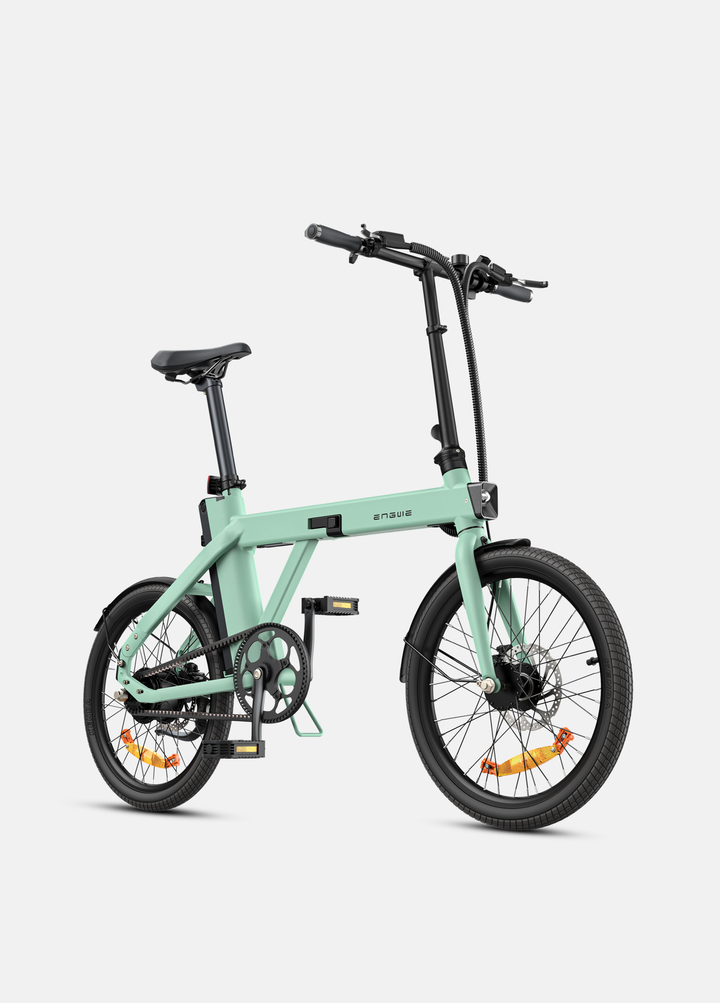
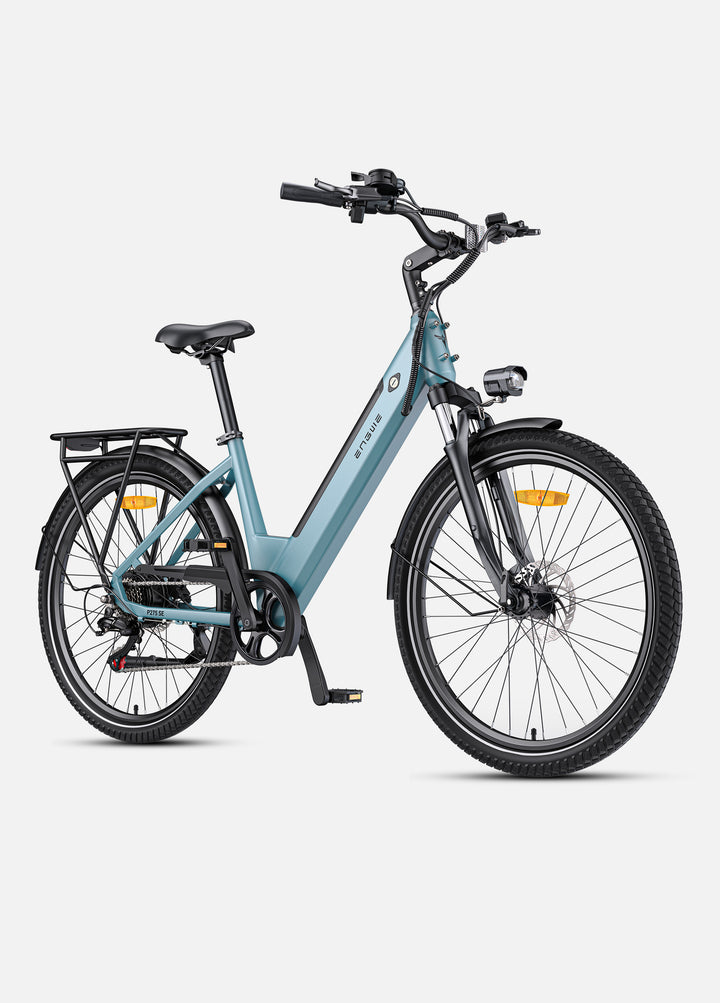
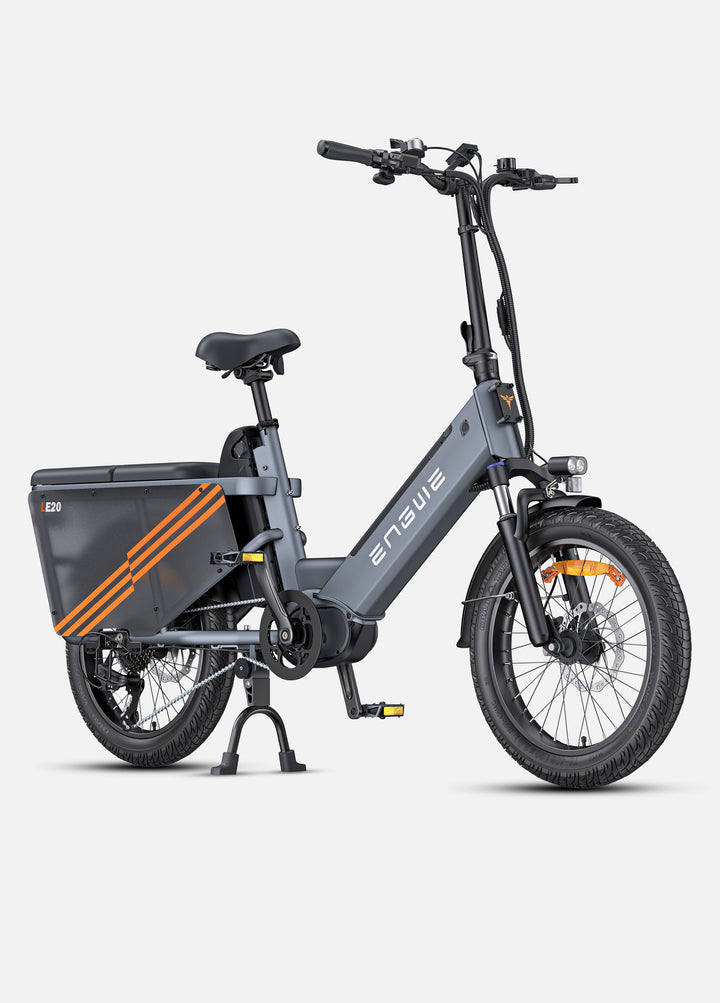
In search of the ultimate off-road experience? A Complete Review Of Rad Power Bikes. Among the many bikes you can get out there is a fat tire electric mountain bike that will take you to a completely new dimension on sand, snow, and rough trails. These ultra-capable machines are for explorers ready to let their imagination run wild. But there are so many options that finding the right one can be overwhelming. In this complete guide, you’ll learn the five key angles to approach your search and invest in the best fat tire electric bike that suits your unique needs, turning overwhelming confusion into excitement.
1. Assessing Core Performance Components: The ENGINE ROOM
The electric bike houses its most valuable parts: the power and control system. Knowing what these are is very important, and step one when looking for a good-quality machine. Looks are not everything; the motor, battery, and brakes will define how you can ride and ensure that you don’t outpace your range or safety factor. Analyzing these components will be the key to purchasing a bike that can handle the trails you seek. A good choice here means you will have more power on climbs and be able to go for longer adventures with the knowledge that when you need to stop fast, it is going to happen.
The Motor: Power and Torque
The motor is where we get the "electric" in electric bike. There are generally two kinds: hub (center of the wheel) and mid-drive (pedals). For rough mountain biking, I suspect that torque (which is measured in Newton-meters, Nm) may be more important than raw watts.
Important
Focus on torque of 50 Nm and above for steep hill climbing. It measures the twisting force the motor can generate, and it is important when you need to get up and over challenging obstacles.
The Battery: Your Fuel Tank
The range you can travel is determined by your battery’s capacity. It is expressed in Amp-hours (Ah) and Volts (V). To then easily compare the total capacity, multiply these two numbers together to get Watt-hours (Wh). A higher Wh number equals a greater potential range.
Quality Trick
Try to pick bikes made with cells from high-quality brands like Samsung, LG, or Panasonic. These cells last longer and hold a charge better over time. Also, think about whether dual batteries are available as an option – these can massively increase your potential time on the trails.
The Brakes: Your Most Important Safety Feature
Fat tire electric mountain bikes are heavier and faster than standard bikes. For that reason, strong brakes are a must. You will decide between mechanical or hydraulic disc brakes.
Pro Tip
Always defer to hydraulic brakes if it is reasonable within your budget. They offer much more stopping power for less hand effort and better modulation (being able to finely control it, which is critical when you’re trying to not lock up your wheels on technical descents). Also, take a look at the size of the rotor; 160mm is typical, but for even more heat dissipation and stopping power, you’ll want to opt for 180mm rotors.
2. Ride Quality and All-Terrain Capability
A strong motor won’t do you much good on terrain the bike can’t manage. A significant portion of your ride quality is created by the combination of suspension, tires, and frame geometry. Those elements will determine how the bike soaks up bumps, grips, and feels beneath you. A well-engineered system will give you confidence to ride faster and more comfortably over rougher ground. This dimension speaks to the bike’s connection with the trail — turning a rough ride smooth and accurate.
Suspension System
When it comes to comfort and control on a mountain bike, this is, hands-down, the most important.
Hardtail
Suspension is only in the front fork. It’s lighter and more efficient on climbs, but less forgiving over rough terrain.
Full Suspension (Dual Suspension)
Comes with a front suspension fork and rear shock absorber. This technology delivers ultimate comfort and traction by ensuring every tire is in contact with the ground at all times, no matter the terrain.
Actionable Advice
For more advanced trail rides, dual suspension makes a huge difference. It takes so much strain off your body and, in my opinion, makes riding a lot safer and less tiring.
Fat Tires
The signature of these bikes. They are enormous in volume, so you can run really low tire pressures.
Skill Tip
If you have not already, figuring out how to dial in your tire pressure is a free performance upgrade. Lower the pressure (5-15 PSI) for loose terrain, like sand or snow, allowing you to “float” over it. You can also simply run more pressure (20-30 PSI) for hardpack dirt and pavement due to the reduced rolling resistance.
Frame Material and Geometry
The frame is the body of the bike. The majority are constructed from an aluminum alloy that strikes a fine balance between strength, weight, and cost. The geometry — the angles and lengths of the frame tubes — is what dictates how a bike will handle. A “slacker” head tube angle, for example, lends more stability at higher speeds and on descents.

3. One Top Choice: The ENGWE M20

If you are looking for a fat tire electric bike that combines style, power, and comfort in all-terrain conditions, the ENGWE M20 is your go-to mate. Designed in the image of a slim-lined motorcycle, this is an e-bike made for explorers who want performance and presence. Its greatest asset is its excellent front and rear suspension: a hydraulic shock in the front and an air shock in the rear. The smooth and powerful 500W Bafang rear-drive (750W peak) electric motor paired with a no-compromise 48 Volt 13 Ah battery gives this bike the get-up-and-go you need to tackle any hill or power through any trail. This combination serves up twice the shock absorption of a typical bike, equally at home on rough trails or smooth roads for maximum comfort and control. Say goodbye to range anxiety with the M20’s optional dual-battery system—both pack even more power in the same compact package, taking riders farther than ever for epic days of discovery.

- Motor: One-push Brushless Motor
- Max Torque: 55 Nm, good performance on climbing.
- Battery: Sold as either a single 48V 13Ah Lithium-Ion battery or a dual-battery setup of two at 48V and 26Ah total.
- Max distance: Up to 75KM for a single battery, and up to 75km + 75km for dual-battery (in PAS level 1 mode).
- Charging Time: It will take about 5 hours to fully charge a single battery.
- Suspension: Front hydraulic shock & Rear air shock absorber.
- Brakes: Front and rear 160mm mechanical disc brakes for consistent, all-condition stopping.
- Tires: 20” x 4.0” triple-layer fat tires that can handle virtually everything you throw at the M20, even on dirt slopes or in deep sand.
- Gearing: Get to the top of any hill with the durable 7-speed Shimano gear system.
- Max Load: A robust 120 kg (264lbs) weight limit.
- Full Features: The M20 is one of the best electric bikes with its features, including an LCD Display, USB outlet, and a high-brightness LED headlight boasting enough power to light your way through even the darkest nights.
The ENGWE M20 is more than a bike; it will go with you wherever you want to explore along the way.
4. Everyday Usability and Real-world Features
Beyond the core performance and ride quality, it's the real-world usability of an electric bike that makes it a joy to live with each day. It's the little things that make life simpler, safer, and more functional. Everything from the display on your handlebars to how much stuff you can actually haul on your bike are integral parts of what separates a 'recreational' bicycle and one that may change your lifestyle. Here are some aspects to consider that will keep you happy with the bike and maintain it as a useful tool:
Display and Controls
Your display is your command center. A clear, backlit LCD display is much better than basic LEDs at showing exactly what you are accomplishing – speed, distance, battery level, and pedal assist (PAS) level at a single glance.
Gears and Drivetrain
Even with a motor, proper gearing (like a Shimano 7-speed system) is necessary. It gives you a reasonably easy pedaling experience while saving the battery on flat terrain, and your power blends seamlessly with that of the motor when climbing steep slopes.
Integrated Accessories
Money-Saving Tip: Seek out bikes that come equipped with accessories, such as bright front and rear lights, full-coverage fenders, and a robust rear rack. Purchasing both of these items separately can be an added expense and nuisance later.
Weight Capacity
Always confirm the maximum weight capacity as recommended by the manufacturer. This is extremely important if you intend to load up the bike for bikepacking or use it for heavily laden errands.
For a better understanding of motor specs, here’s a general guide:
| Motor Power (Nominal) | Torque (Nm) | Recommended Use |
|---|---|---|
| 250W - 500W | 40 - 60 Nm | Casual trail and light commuting, flatter terrains |
| 500W - 750W | 60 - 85 Nm | All-mountain biking, rolling hills |
| 750W+ | 85+ Nm | Steep ascents, heavy loads, and high-power demands |

5. Making Your Final Decision: Sizing, Budget and More Options
With the tech side out of the way, let's talk about how to match a bike to your body and budget. An ill-fitting bike will be uncomfortable and unsafe, just as the excess cost of buying something loaded with features you’ll never touch is an inefficient expenditure. This is about inflecting the personal into your choice. Top-of-the-line models have amazing performance, but there are a bunch of other great companies at varying price points with differing specializations in things like ultra-lightweight frames or robust hub-drive systems, better suited to more casual use.
Size Matters
Don't ignore this. Refer to the manufacturer’s size recommendation — usually, height and inseam dictate a recommended frame size.
Actionable Tip
If you are between sizes, the smaller size is often better if you prefer an easier-handling bike on tight trails.
Budget and Long-Term Value
Take Total Cost of Ownership (TCO) into account. While you will spend less upfront on a cheaper bike, it may also have lower-quality components that wear out more quickly. Look for a robust warranty on the frame, motor, and battery as a sign that the manufacturer believes in their product.
Exploring the Market
Although our top choice covers a lot of bases, the market is large. Some brands claim to have the world’s lightest e-fat tire carbon fiber framed bikes. Others focus on high-powered hub motor bikes best designed for sand and snow. Reading user reviews and watching video reviews can offer a lot of real-world feedback on the performance and reliability of a bike before you buy.
Frequently Asked Questions
1) How far can a fat tire e-bike go in the real world?
Note that the advertised maximum range is typically measured under optimal conditions (level terrain, minimal PAS level, lightweight rider). In the real world, range will be subject to hills and wind, your weight, and how much you lean on the motor. Plan on 60-80% of the maximum range outside and with mixed-density terrain. The best way to maximize your distance is to stay in a low power-assist level.
2) How difficult are these bikes to maintain?
They need all the standard maintenance of a regular mountain bike — keeping the chain clean and well-lubricated, paying attention to brake pads, and making sure tire pressure is correct. As for the electrics, the priority will be battery management: don’t store it in too hot or cold a shed, if you can help it, and try not to leave it on a very low charge for extended periods. You should have a good bike mechanic give it a check-up regularly.
3) Does a higher-priced fat tire electric mountain bike always mean better?
Not necessarily. The best bike is the one which best suits your particular requirements and budget. An expensive, high-performance full-suspension bike is overkill if all you want to do is ride along gentle beach paths. To get the most bang for your buck, match the bike's features, particularly its suspension and motor power, to the type of terrain you ride on most.
You now possess all the information needed to make an optimal selection of your next fat tire electric mountain bike.