Choosing a dual battery fat tire electric bike is not an easy exercise; it depends on your own riding requirements. These bikes offer some amazing range and incredible power, perfect for those traveling way off the beaten path or for super commuters. But the added capability is not without trade-offs in weight, expense, and complexity. This guide is going to break down the five most important dimensions you’ll need to think about when it comes to owning one, so that you can decide for yourself whether investing in this robust e-bike will be a smart choice for your lifestyle.
The Case for a Dual Battery System: Performance and Range
The number one reason to buy a dual battery fat tire electric bike is for its staggering performance and long range. This setup is for riders who can't stand the limitations of a regular battery. It’s about banishing range anxiety and enabling new adventures. That extra power directly translates to a more robust and dependable riding experience—particularly when you're testing the limits of where an electric bike can take you.
Insane Range Extension
By far the most apparent upside, you can go two to three times further than a regular e-bike. This is for long-distance touring, off-road exploration, or the dedicated courier - no more stopping to charge.
Consistent Power Output
In an ultra-distance race, in addition to the overall capacity of a single battery reducing, the power output will also decrease as a single battery is depleting. Save your battery from draining with a convenient carrying charger that hooks you up to either an XS system or our dual-rail X2 Pro or S batteries, and is easily stowed in your snowmobile bag.
Heavy-Duty Hauling
Fat tires and lots of power make these bikes great for hauling heavy loads. Whether that is loading down a rack with groceries, towing a trailer of camping gear, or you are simply a heavier rider, you’ll appreciate the torque and range available.
Master of All Terrains
Fat tires are brilliant on loose surfaces such as sandy, snowy, and gravel terrain. The dual battery system offers the security of power to go where you need without worrying about being stranded. If your setup allows, alternate between the two batteries that you are using or run them in parallel so that they will wear out evenly and provide you with maximum life.
The Downsides: Cost and Complexity
As much as we may laud the performance, there is a big question about the huge financial and maintenance commitments we get involved with. A dual battery setup is not as straightforward and involves an inevitable amount of overhead compared with a regular bike, at the time of purchase but also over the life of the bike. Part of being a savvy buyer is to know these long-range costs and responsibilities before you commit. Some companies may find that not taking this into account results in wasted money and hassle down the line.
Higher Initial Investment
Purchasing the electric bike, plus a second high-capacity battery, adds to the overall cost significantly. You are, in effect, paying for two of the priciest parts on any e-bike.
Higher Replacement Costs
Lithium-ion batteries have a limited lifespan, often around 3–5 years or a certain number of charge cycles. Then, when it’s time for a new battery, you will suddenly be slapped with the cost of two batteries at once, which can put a serious hurt on your wallet.
More Complex Electrical System
With two batteries, a controller to handle them, and also more wiring, there are now more points of failure. Serviceable electrical faults may be more difficult to diagnose and require technician expertise.
Battery Care and Handling
It is very important to keep them in good condition. This is necessary to keep both batteries charged, stored, and leveled properly to ensure a long life for these batteries. One way to save money on this is by shopping for models that sell you the second battery as an optional add-on, so you can buy it only when you discover that you really need the extra range. Do also cross-check the warranty period on both batteries.

The Physical Reality: Weight and Bulk
Among all the features of a dual battery fat tire e-bike that tend to be underappreciated, its physical size often comes top of the list. The additional battery and heavy frame make the machine much heavier and bulkier than one of its single-battery options. This is noticeable in daily use, storage, and transport, which can make or break the ownership experience depending on where you live and how able-bodied you are. It is not a small, easy-to-carry-and-store machine.
Heavy
Another battery can add 8-15 pounds to what is already a heavy bike, many times getting you up to a final bike weight of 80-100+ pounds. That makes hoisting it onto a car rack or carrying it up a flight of stairs, let alone maneuvering inside a tight garage, a true hassle.
Transportation Hurdles
Most standard vehicle bike racks cannot support the load of such a heavy e-bike. Chances are you will need to purchase a dedicated, heavy-duty rack that is built for e-bikes, and the price tag goes up.
Storage and security
The big bike frame, along with the fat tires, requires you to have enough storage space. This can be a huge problem if you live in an apartment or don’t have a lot of space in your garage. It’s also high value, so you’re going to want secure ground-floor storage.
Charging Logistics
You'll have to juggle charging two separate batteries, which means more outlet space and the need to keep track of both of them. The first thing to do before a purchase is to confirm the weight since you will not be able to test ride the bike. Then try lifting an object of similar weight (or as close as possible) and see if it's something that you’ll be able to handle comfortably.
The Smart Alternative: High-Performance Single-Battery E-Bikes
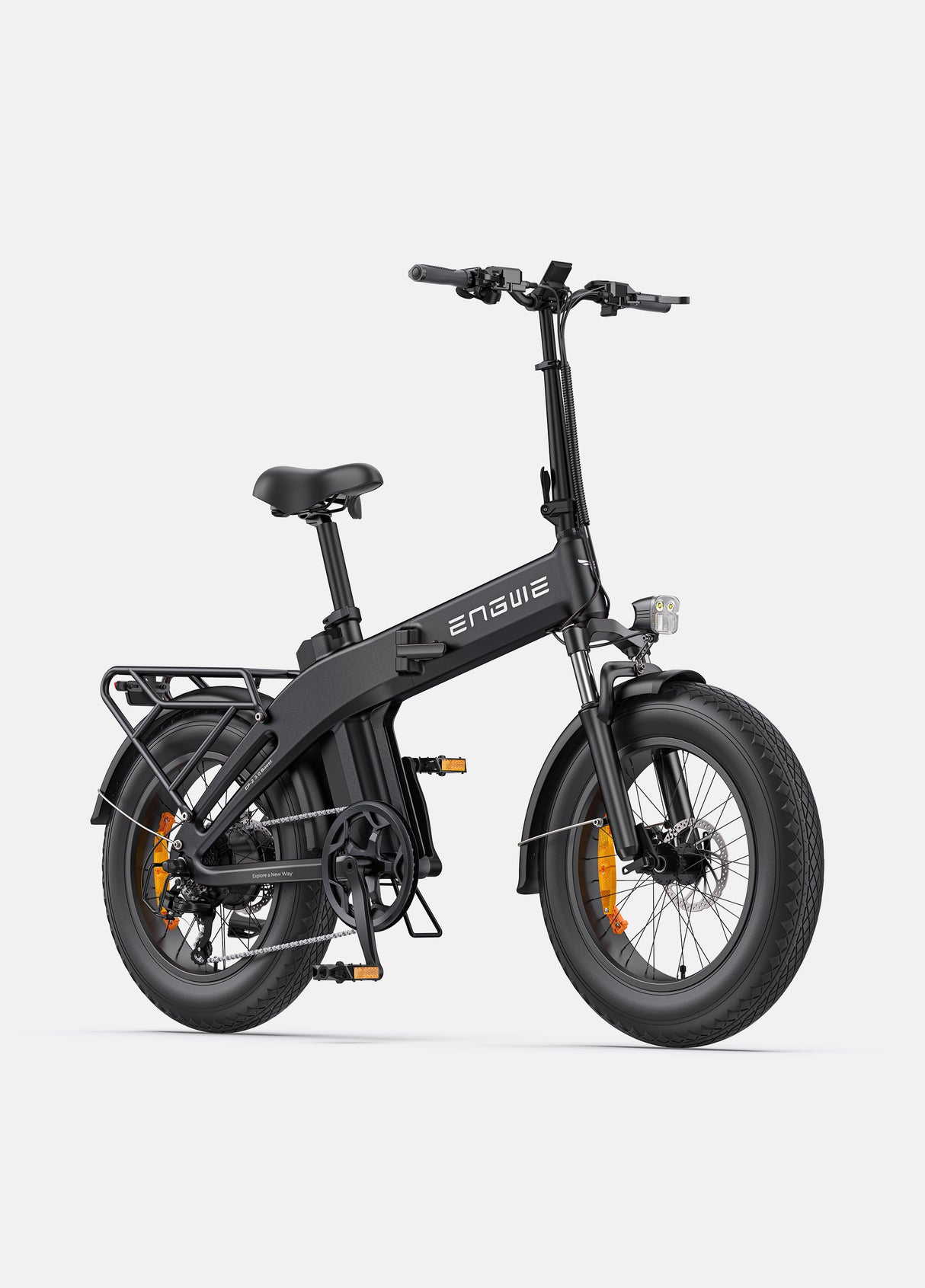
For a vast majority of riders, the complication and weight of a dual battery system is overkill. For a more intelligent approach, instead consider purchasing one of these top-rated, premium, high-performance single-battery electric bikes. This is where a manufacturer such as ENGWE has the edge, because they concentrate on getting the most power and range that they can from an integrated system. One of the most solid representations of this philosophy is the one shown by the ENGWE EP-2 3.0 Boost: a powerful and versatile answer to fulfill most adventurers' needs with none of the shortcomings inherent to using two batteries like it is common in a lot of e-bikes.

Smart and Strong Motor
The EP-2 3.0 Boost has a strong motor that delivers up to 75Nm of torque while in Boost Mode. This means super-exciting acceleration and the ability to power up hills without much effort — it more than makes up for the loss of that ‘double-click’ feel you’ll find on fancier setups.
Excellent Single-Cell Range
A max range of 120 km and it is thoughtfully designed, along with the impressive quick-release 48V 13.5Ah battery, which will be more than enough for all but the most extreme long-haul cyclists.
Maximized Uptime
Friendly to the user, the extremely efficient 4A fast charger quickly recharges the battery in only 3.5 hours! Less waiting, more riding, so it feels good for everyday use.
Evolved and Powerful E-Drivetrain
It comes equipped with high-quality hydraulic disc brakes for maximum stopping power, as well as a front suspension and 20” x 4.0″ all-terrain fat tires to improve your overall riding experiences on or off-road.
Smart, Powerful Riding
This electric fat tire bike is equipped with a 750W high-speed brushless motor and a smart torque sensor that provides ideal support to assist you in achieving maximum efficiency whilst maintaining riding control on the system.

Specialized Dual-Battery E-Bikes for Niche Users
For those with such demands that truly justify the highest range attainable, a few niche brands specialize in dual-battery setups. These are specialized bikes for specific niche uses such as cross-country touring, hunting, or hardcore commuting. Considering these options enables you to examine the high end of the market and see if their specialized features correspond to your particular needs. Not only range, however, but also motor type, frame design, and intended use.
| Model Suggestion | Max Estimated Range | Motor System Type for this Vehicle | Intended Application Use of the Product |
|---|---|---|---|
| TrailBlazer X2 | 120 miles or More | Hub Motor | Extreme Distance Trail Riding |
| Nomad Long-Haul | 150 miles | Up To Mid-Drive Motor | Loaded Touring & Cargo |
| Urban Voyager Duo | 100 miles | Hub Motor | Extreme Commuter & Delivery Vehicle |
TrailBlazer X2
For the off-road lover that wants to cover long distances in the backcountry. It’s got a dual battery setup that’s mated to an aggressive hardtail frame, designed for range and ruggedness over urban comfort.
Nomad Long-Haul
With a powerful mid-drive motor, this is the e-bike tourer to beat. Two batteries are mounted to the frame on both sides for balanced loads with heavy panniers and cargo racks, and it’s stable enough for multi-day self-supported trips.
Urban Voyager Duo
Targeted at the delivery professional or super-commuter, this rugged bike is all about reliability and uptime. Two quick, swappable batteries allow you to have one on charge while the other is in use, putting you on the move.
How much minimum distance per day justifies a dual-battery bike?
If you routinely ride over 60-70 miles (100+ km) per day while facing harsh conditions, where there is no recharging, going for a dual-battery e-bike makes perfect sense. For almost every other rider, it is an unnecessary cost.
How much extra weight is a second battery in practical terms?
A standard e-bike battery weighs 8-15 pounds (4-7 kg). This extra weight is serious and you feel it visibly in the bike's handling, to portability, all the way up to lifting.
Is there a better alternative in the form of an efficient single-battery e-bike?
For most folks, yes. Leaning in the direction of a modern, high-quality e-bike with an efficient motor and one large battery is the smarter choice because it will offer the best compromise in terms of range, performance, manageable weight, and a somewhat lower cost.
How to choose the right electric bike is, in the end, about honestly evaluating your lifestyle and needs and then getting the right tool for the job.