Rider experience: performance and comfort
At the core of any e-bike analysis is the rider experience, and here’s where the opinion of Lime’s pilot becomes mostly negative. Over the years, Lime introduced several changes to its bike design, but several characteristics are present in all versions, influencing its performance and feel. For most casual rides throughout a city, which can be regarded as an average Lime trip, the experience’s quality may vary; some include extra costs and others benefit rather than harm your comfort.
Acceleration and Power
Lime e-bikes use a pedal-assist system driven by a hub motor. When you start pedaling, the motor kicks in to help, and you cannot miss the boost when you begin to pedal away. Beginnings from standstills are a walk in the park. It is especially useful for inclines. Most city hills that are benign with a traditional bike become easily rideable.
Braking and Safety
Safety first, Lime bikes have robust, reliable brakes, usually mechanical discs or drums. Even in wet conditions, they have reassuring stopping power. The bikes also have bright, automatic front and rear lights.
Comfort and Ergonomics
Lime bikes are designed for an upright riding position, and the wide, padded saddles are a good fit for casual riders in regular clothes. The step-through frames make it easy to mount and dismount. Unfortunately, the one-size-fits-all frame design and lack of suspension on many models mean bumpy rides on poorly preserved roads.
Handling and Stability
Lime e-bikes are heavy, and they feel well-planted at low to moderate speeds. The weight and front basket make sharp, slow-speed turns a little awkward, but they give a sense of security when cruising.
2. Accessibility, Convenience, and App Integration
Much of the Lime experience is on your smartphone. Accessibility is a function of the app’s functionality and the availability of bikes. This is yet another area where Lime’s large operational enforcement comes into play. However, it can be frustrating at times. Knowing how to work the system is essential.
Finding a bike.
The in-app map displays the closest e-bikes and their exact battery level. In the majority of dense urban centers, there will be a bike every couple of blocks. Pro tip: Before approaching the bike, always check the battery in the app. I recommend choosing a bike with more than 50% charge to receive full motor assistance throughout the entire trip.
Unlocking and launching.
The process is very straightforward: scan a QR code on the handlebars or scooter stem, and then a bike unlocks within seconds with a little confirming sound. The app will turn into your dashboard and show the time of your ride and how much it has cost you.
Parking rules and zone.
Lime uses specified zones on the app’s map to prevent clutter. You have to finish the ride inside the zone and take a photo to confirm that you parked appropriately. Crucial detail: I think that not parking it correctly may result in a fine, so before you finish the ride, always take a look at the map for the closest place for approved parking.
Reliability issues.
From time to time, you may have a “ghost bike”, a bike that is on the map but is not physically appearing at the desired location, or you may unlock a bike only to see that it has a flat tire or a faulty motor. This feature is why it is essential always to report the problem with a bike right away.

3. Cost analysis and value propositions.
Is Lime an affordable method of transportation? The response depends not only on your area’s pricing rates but also on how frequently you are going to use the service.
Standard Pricing Model
Most cities operate a standard dual-fee structure. The first is a fixed amount of money to unlock the bike. Then, most Lime bikes and scooters will charge a per-minute sum from the moment of setting off. Consequently, trips shorter than around five minutes are disproportionately expensive relative to the distance traveled.
Subscription and Pass Options
Lime also offers passes and a subscription called Lime Prime to frequent users, often dismissing the unlock fee and occasionally providing a discount on the cost per minute. If you are utilizing the service more than three or four times a week, using the service with a monthly pass is practically guaranteed to be cheaper. One can also determine the average number of times they are going to use Lime over the course of the month.
Comparative Value
Lime is much less expensive than a rideshare service for a one or two-mile drive and often quicker because bikes and scooters can sidestep traffic. Longer trips, on the other hand, might be considerably more than the expense of utilizing a bus or subway. Lime is essential for journeys that are too short to comfortably walk but not too short to get a car.
Group Rides
The app supports renting multiple bikes with a single user’s account for friends wishing to go on a ride. However, the user will be accountable for the remaining bike prices and properly parking all the rented bikes.
4. A Deep Dive into Lime’s E-Bike Fleet
All Lime e-bikes are different. Since the company is refining its fleet every year, the bike you rode may differ dramatically from the one you are currently riding. The experience of the above two can vary a lot between generations. Lime’s types of e-bikes are a subcategory developed specifically for bike-sharing and shared transport applications in busy urban environments. In general, they are designed for relative robustness, longevity rather than peak performance, so the vast majority of them rely on durable hub motors and step-throughs. Here’s the way these models are called:
Generation 2.5 (The Workhorse)
- Identification: This is one of the older but still relatively common models. It has the characteristic bulky green frame, and a large, removable battery pack protruding from the front of the main downtube.
- Ride characteristics: heavy and immensely stable. The pedal-assist is functional, but it feels raw and unrefined, and the pedal-assist kicks in quite abruptly. The brakes work well, but the ride feels less agile. They are a workhorse, extremely reliable but notably lacking the polish of the next generation.
Generation 3 (The Refined Successor)
- Identification: this generation underwent significant design improvements. The battery’s removal became seamless, integrating it more effectively into the overall design of a large downtube, which gives the bike a somewhat cleaner, more modern look. The overall profile is a bit sleeker.
- Ride characteristics: Gen 3 has a much smoother engine engagement. The balance has been improved, the seats and handlebars are better, and the material used has been improved. It is a sharp jump – everything up to this point feels very much like flying an industrial rental piece of equipment, and 3 feels less like rental.
Generation 4 (The Current Flagship)
- Identification: The latest and most sophisticated model, used two scooters for service efficiency. It has a phone mount on the handles with a more substantial digital display and a sleeker overall footprint.
-
Ride characteristics: by far the best ride, and the differences are stark:
- Automatic Two-Speed Transmission: will automatically click off gears for you – give more torque to the motor at a standstill or on especially steep hills, but a higher gear at speed for more efficient cruising forces on flat ground. It is a surprisingly intense change, and the bumps between gears are seamless and imperceptible.
- Enhanced Motor: The motor has been updated; with a constant two-speed transmission, this is tuned to provide a very smooth power delivery. It is genuinely intuitive – the motor feels like it is “deciding” how much power to give you rather than the opposite. This adds up to acceleration that feels like second nature.
- Improved User Interface: View – this gives you very clear data about your speed, your battery level, and your current location in the world in terms of zone rules.
- Smart Safety: This has even brighter and consistently on LED lights. Quality braking reinforcements have been reinstalled.

5. The Alternative: The Merits of Owning a Personal Electric Bike
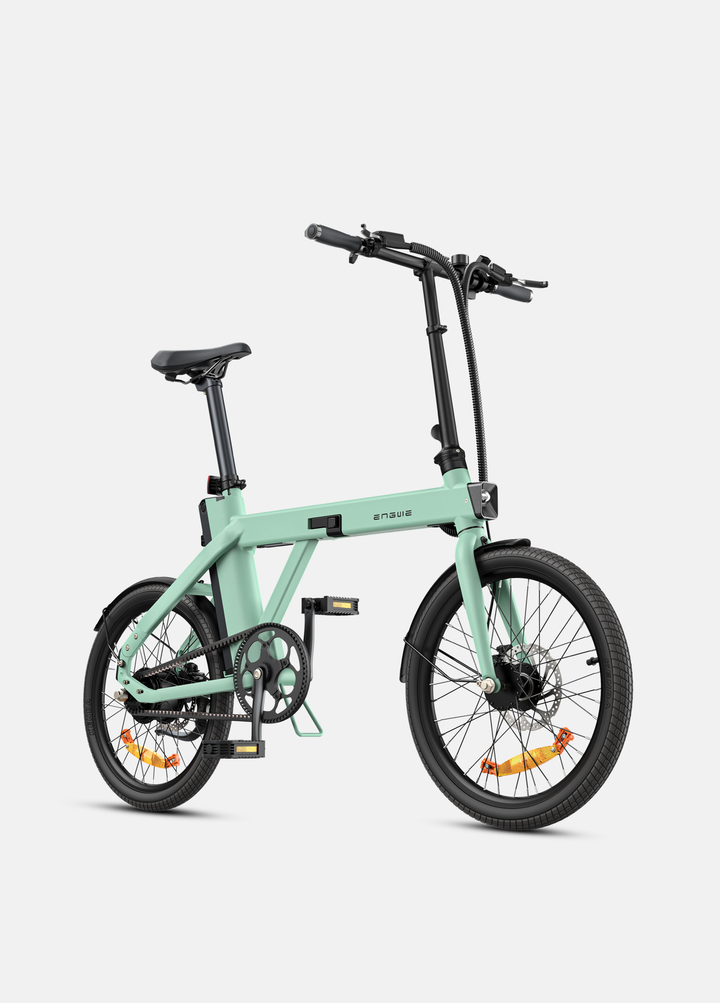
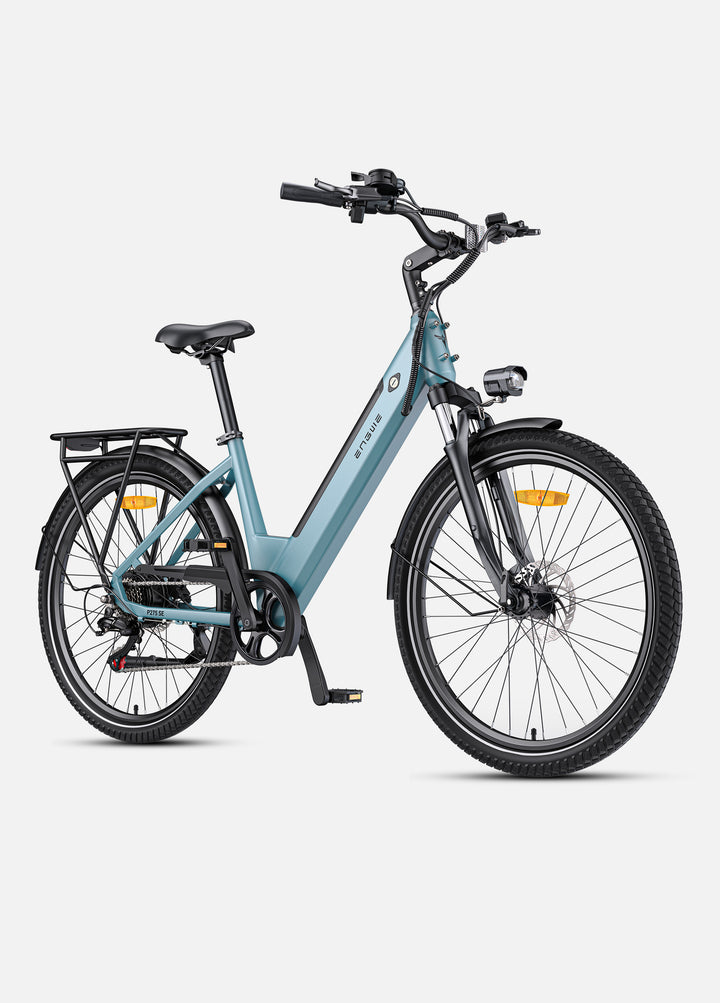
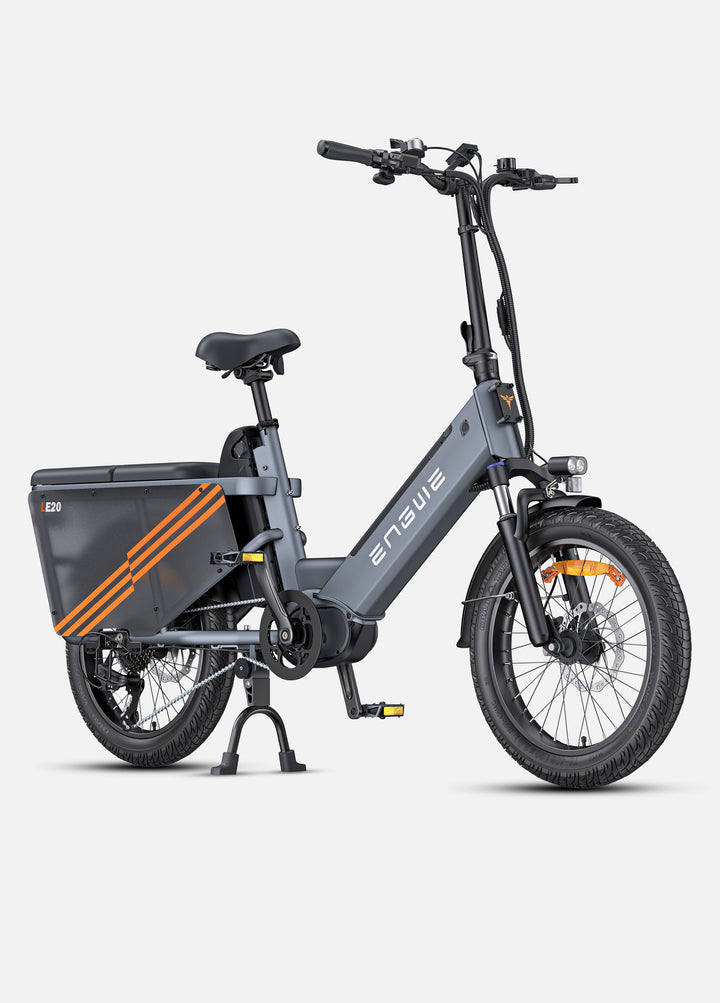
While rental opportunities are amazing for occasional trips, the most regular riders eventually see the appealing alternatives related to the sums spent because of a growing number of separate journeys, on the one hand, and limitations, on the other hand, concerning more distant rental bike zones and the costs involved. As a result, when buying a personal electric bike, people receive absolute freedom, consistent quality adjusted to one’s needs and expectations, as well as vast savings over a long period. For those considering this option, ENGWE is a great choice due to high performance. The top recommendation is ENGWE L20 Boost.
Top Recommendation: ENGWE L20 Boost

Outstanding power, utilities, and range. The comfortable companion, suitable for all sorts of needs from a regular commute to long weekends. Key features include:
- Power-Boost on Demand: a dedicated button for 75Nm torque makes even the steepest slope flat.
- Advanced Torque Sensor: an innovative solution ensures the smoothest possible ride. Instead of reacting after your force is applied to the pedal, it coincides with your effort when engaged. This makes the riding experience with it unmatched in comparison to the cheapest sensors in rentals.
- Exceptional Range: the 48V 13Ah battery provides the capacity to fully trust that it will run up to 126 km in PAS mode, eliminating any worries about the range city-owned bikes provide.
- All-Terrain Capability: with 20×4 fat tires and a front suspension fork, L20 Boost conveys you through the city cracks, park trails, and rough/soft terrains – it will give the convenience to your across-city trips despite the state of the pavements along the crowdy roads.
- Built-in Utility: fitting the bicycle, front basket, and solid rear rack make room for groceries, an additional work bag, or a picnic.

In conclusion, below is a summary of the ENGWE L20 Boost electric bike’s specified specifications summary:
Table 1: Summary of specifications of ENGWE L20 Boost electric bike.
| Specifications | Details |
|---|---|
| Motor | 250W Brushless Motor |
| Max Torque | 75 N.m (with Power-Boost Button) |
| Battery | 48V 13Ah Lithium-Ion Battery |
| Max range | 126 km (in PAS Mode) |
| Sensor | Torque Sensor |
| Suspension | Front Suspension (50mm travel) |
| Brakes | 160 mm Front & Rear Disc Mechanical Brakes |
| Tires | 20 x 4.0 Fat Tires |
Having ENGWE L20 Boost elevates your transportation to a fun and reliable electric bike that makes every trip fun and useful.
Are Lime e-Bikes Worth It?
It is worth it if you ride occasionally, are new to riding e-bikes, or are a tourist. Lime bikes are the perfect option for unplanned, citywide trips.
The Largest Disadvantage Of Using Lime?
It is expensive. Lime bike rental may be very expensive for regular riders and folks who go for over 15 to 20 minutes at a pricing center.
Is it better to rent a Lime ride share e-bike or buy your own bike?
Buying a bike like ENGWE is the best option for you. Lime offers great convenience and ease of usage, but riders should consider such advantages before committing to a rental service. Ultimately, Lime has proven to be useful in urban mobility, but the benefits of owning an e-bike outweigh the benefits of renting.