Brand Identity and Target Client Profile
Electric bikes are a thrilling and adventurous world, and with their funky designs and affordable prices, Happyrun has grabbed attention. When you inquire whether their experience has been favorable, you are, in essence, asking whether they are trustworthy, well-liked, and affordable. In the following thorough investigation that covers five different aspects of the Happyrun brand, you will receive the answer you require, as well as a viable substitute if the results are not satisfactory. The first component, the brand’s identity and target client profile, will be examined. Happyrun has found its scene inside the electric bike sector and positioned itself as accessible, cool, and on the low end of the price range. It is probable that they designed themselves to be amusing, safe, and geared toward individuals who are not elite cyclists. To determine whether utilizing their e-bikes will be a favorable experience, we must figure out if they created a bicycle for you. Based on the nuance, Happyrun’s e-bikes are intended mostly for users who place a high emphasis on aesthetics and value in their daily commuter.
Ideal User Demographics
The Happyrun bikes are perfect for urban commuters seeking a last-mile solution, students moving around campus, recreational riders enjoying weekend paths, and anyone seeking their first electric bike without a massive financial involvement.
Core Design Principles
The brand focused on bold appearances, often providing a rugged, fat tire look, comfortable seating, and folding frames. This approach is aimed at creating a commanding presence on the road while providing cushioned rides and an immense amount of storage or transport convenience.
Value Proposition
The single most important part of the Happyrun experience is its price-to-feature ratio. They include popular e-bike features and traits such as powerful hub motors or decent battery capacity but often do so at a fraction of the price while lacking some premium features.
What to Consider
If you are a performance-oriented cyclist who wants a mid-drive motor, the lightweight frame of a high-end road racer, or advanced sensor technology that you would need for a trail that is too technical for casual riding. Your experience may be less than ideal as Happyrun is ideal for casual and moderate use cases.
The Complete Happyrun E-Bike Model Lineup
One of the most effective ways to fully understand the Happyrun experience is to go through their entire product range. While each of these models serves slightly different purposes, they all center around the same design and features philosophy. They all focus on the fat tire, moped-style, and generally foldable e-bike categories. Here is the most comprehensive list with detailed descriptions that make up the majority of what potential buyers will encounter:
Happyrun Tank G50
The G50 is a compact and agile fat tire e-bike that is often considered a representative of the brand’s entry-level approach. The following are its specifications. It features a step-through frame, making it incredibly simple to get on and off, which is a huge plus for riders of all heights or those with physical limitations. As the name suggests, it is smaller than the G60, which allows it to blend in better with tight urban streets. Usually shipped with a 48V system and a robust hub motor, it provides abundant power for riding city streets and moderate inclines. Its fat tire design allows it to effortlessly traverse potholes and rough pavement. Perfect for daily commuters and delivery riders and anyone who needs a practical, low-maintenance electric bike for shorter city trips. Its ease of use is its most significant selling point.
Happyrun Tank G60
For those who want more impact, the G60 is the larger, stronger sibling of the G50. These are its features. A larger, more motorcycle-inspired frame, typically with a more extended, more comfortable bench-style seat that can comfortably accommodate a passenger for quick trips – prior consultation about the legality of this is advised. It also seems more substantial and robust. It usually has a bigger motor with a higher peak power output than 1000 watts and a bigger battery compared to the G50, which gives it a higher top speed, acceleration, and range capacity to cope with longer commutes or more epic rides. Full suspension is a common feature, tremendously improving ride quality. It’s ideal for people who want a more moped-like drive, prefer more comfort on bad roads, or want to carry a passenger or more cargo.
Happyrun HR-G550
This is often a perfect middle ground that is a complete mix of different styles and features. Further, it contains the following:
a) Design – It is typically the continuation of a fat tire appearance, but the frame looks more similar to a classic bicycle, sometimes having a step-over top tube. In other words, it is a mix between a fat bike and a utility e-bike.
b) Performance – Being outfitted with a powerful hub motor and equipped with a detachable battery for charging, this model is versatile. Meaning, it can handle trails, city streets, and beach paths alike.
c) Ideal Rider – The perfect bike for anybody looking to combine everything they require in a single option. From weekly trips and shopping to trips to the beach and adventures, it can do everything.
Easytap HR-G60
While often being confused with the Tank G60, this model is a foldable fat tire. Thus, it is characterized by the following:
a) Design – The most important factor is the foldable capability in the middle of the bicycle frame. That is, it can be drastically reduced in size for apartment storage, vehicle transport in a car trunk, or use in public transport. It is portable and small and looks like a convenience-oriented version.
b) Performance – From a performance perspective, it is designed to be robust and portable at the same time. Therefore, the engine and battery are powerful and reliable, so the rider does not suffer from the effectiveness of a foldable mechanism.
c) Ideal Rider – A perfect solution for RV owners, boaters, apartment dwellers, or anyone else with limited storage who wants power on the go.
The simplified table below should help in visualizing the primary differences between the Happyrun full lineup:
| Feature | Happyrun Tank G50 | Happyrun Tank G60 | Happyrun HR-G550 | Easytap HR-G60 |
|---|---|---|---|---|
| Frame Style | Compact, Step-Through | Moped-Style, Bench Seat | Classic Fat Bike Hybrid | Foldable Fat Bike |
| Key Feature | Accessibility, Agility | Power, Full Suspension, Passenger-Ready | Versatility, All-Terrain | Portability, Convenience |
| Ideal Rider | Urban commuters, Delivery riders | Comfort-seekers, Passenger trips | All-around users, Adventurers | RV owners, Apartment dwellers |

Ride Experience and Real-world Performance
User experience is not only about comfort and aesthetics but how the bike rides in real life. For the Happyrun, that experience is almost always related to its powerful hub motors, which are known as direct and offer a lot of fun. Thousands of reports claim they electrify their riders with an instant feeling of acceleration. At the same time, the tire’s wide footprint provides an absolute sense of stability, comfort, and safety.
Motor and Power Delivery
Happyrun is built using rear hub motors, which feed power straight to the wheel and give out a fantastic “push” sensation that satisfies immediately, particularly using the throttle. User Tip: If you want a seamless start on a hill, apply a gentle throttle right after you start pedaling rather than expect a sudden burst of power from a stop.
Battery Range and Management
While the advertised ranges are optimistic, the battery lives are generally long for most daily rides. Money-Saving Tip: Try to avoid completely draining or charging the battery. Instead, keep daily charges between 20% and 80% and charge to 100% before you know you’ll need the extra range.
Comfort and Handling
The 4.0-inch fat tires do a lot of the work here. They eat up a lot of road vibration, ensuring a soft ride even without a suspension. The full-suspension models like the Tank G60 do a fantastic job at transforming the vehicle into a bump cloud. As a result, it handles a little less nimble than a traditional bike because of the heavier wheels.
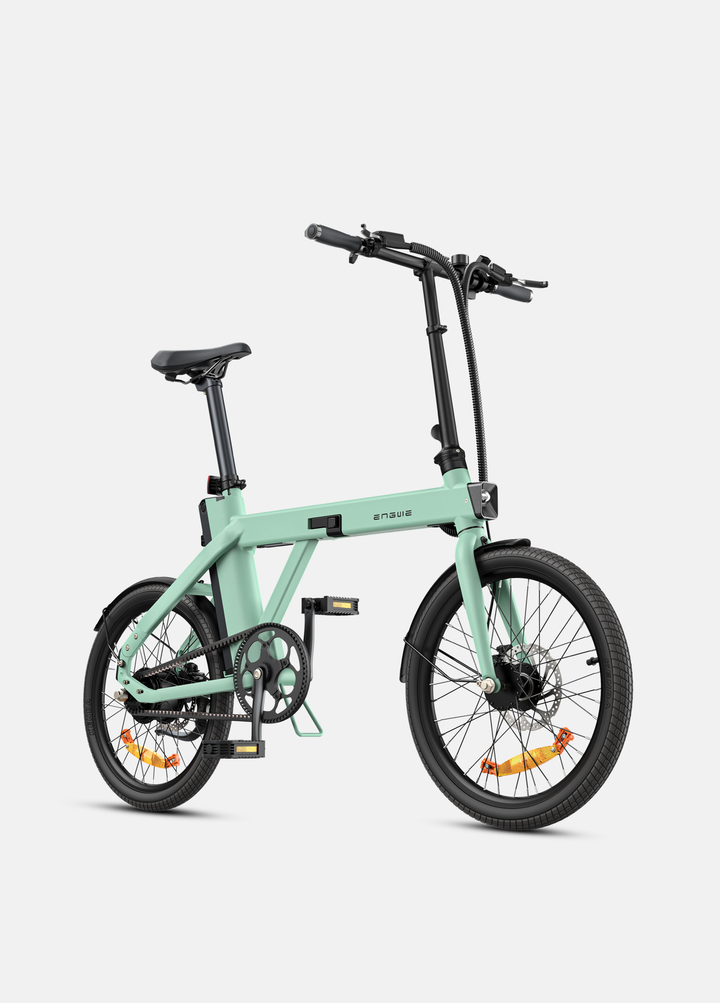
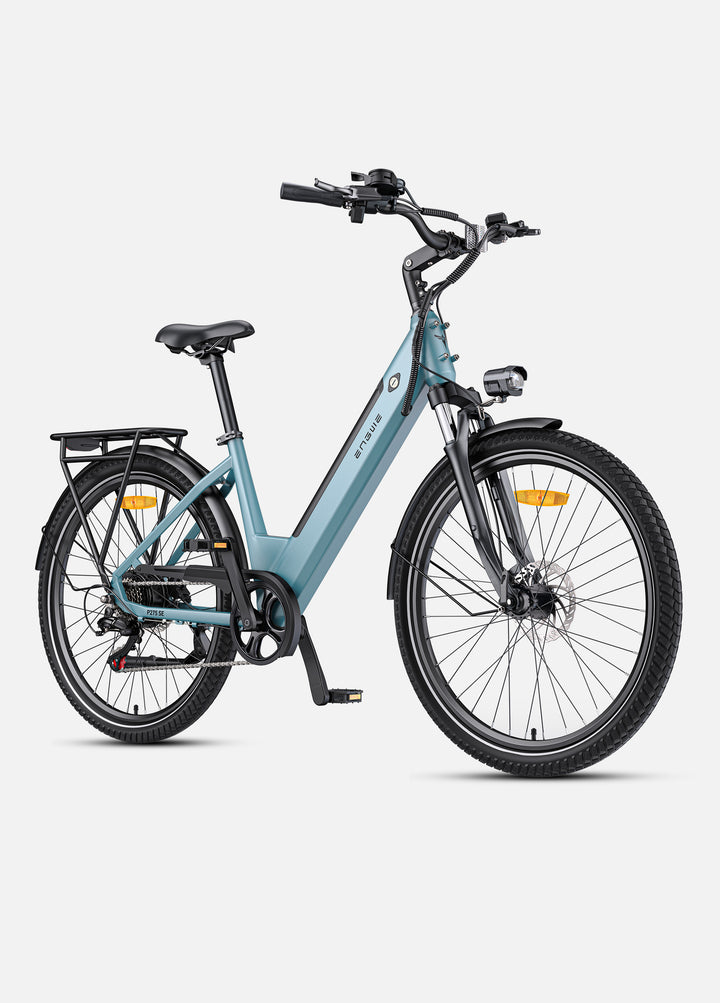
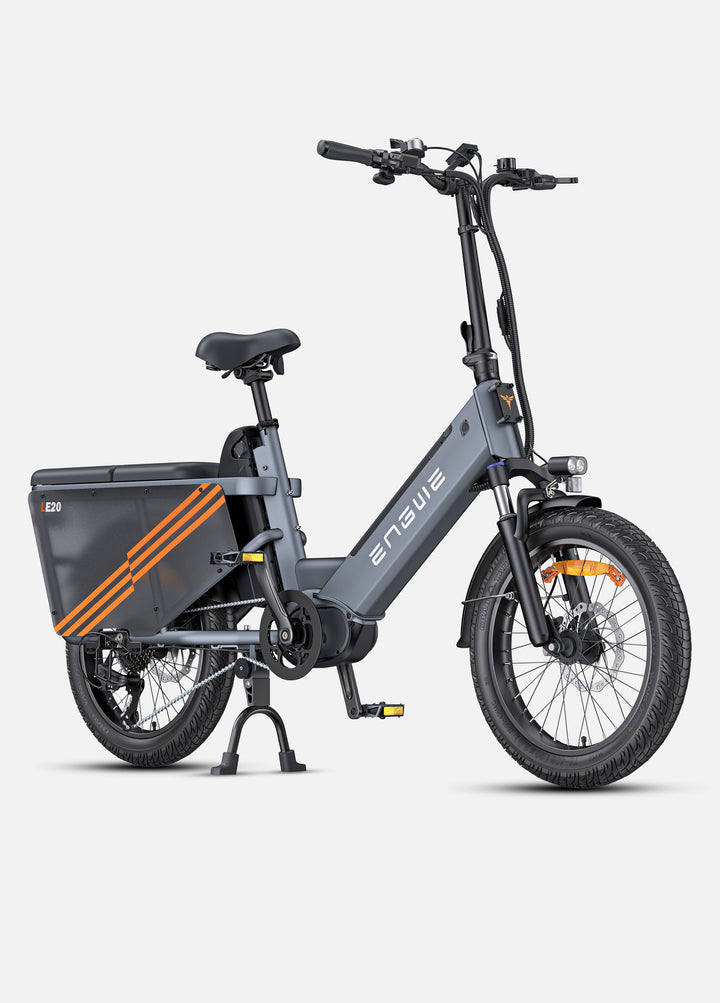
A Premium Alternative for the Discerning Rider: ENGWE Engine Pro 3.0 Boost

If you like the fat tire concept and the foldability but want a significant upgrade in technology, refinement, and performance, ENGWE has a solid offering. While most alternatives focus on under-pricing one another, this brand focuses on premium components and smart technology. ENGWE always pushes what’s possible in this genre of bikes, and their Engine Pro 3.0 Boost is the ultimate exemplar of that mentality. It’s a bit of a step above, for those who want the best.

Advanced Powertrain
On the right side, it is built on a highly responsive torque sensor, which makes it feel much more natural and intuitive to ride, compared to a basic cadence sensor. The power of the motor seamlessly matches your pedaling, allowing for much more precision control.
Superior Performance Specs
- Motor: A 48V hub motor with 90Nm of peak torque helps you tackle even steep hills.
- Battery: The high-capacity 48V 15Ah 720Wh battery is built out of premium Samsung cells, providing a claimed range of up to 130 km. More interestingly, the bundled 8A charger cuts the charging time to an impressive two hours approximately.
- Suspension and Brakes: The full-suspension system and dual-piston hydraulic brakes configuration ensures top-shelf comfort and stopping performance.
Smart Technology Integration
This is where, as previously mentioned, the ENGWE is ahead of the game. The Engine Pro 3.0 Boost model is equipped with the ENGWE IoT module, which allows GPS tracking, motion detection, and keyless unlocking, combining your peace of mind with modern benefits in a dedicated app.

Ownership: Assembly, Maintenance, and Long-Term Value
This is another critical variable. Since it is just a direct-to-consumer brand, Happyrun bikes do require some assembly. The long-term value comes from the rugged frames and large numbers of the standard components, which can be easily replaced or upgraded if necessary.
Assembly Process
Bikes generally show up 85-90% assembled. The front wheel, handlebars, pedals, and saddle all need to be attached. Key Step: Before your first ride, ensure every bolt is tightened and inflate or deflate the tires to the PSI printed on their sidewalls. It’s a simple step and the cause of most issues.
Maintenance Routine
Regular checks are critical due to the bikes’ weight and power. Specific aspects include brake pad wear, chain lubrication, and tire pressure. The components used in building the bikes are generally standard, so locating replacement parts or getting service at a local bike shop that specializes in hub-motor e-bikes is an option.
Community and Support
Strong community support typically results in positive experiences. Owners can complement official customer service with numerous online forums, social media groups, and more. They frequently share their best tips, modifications, and troubleshooting tips, creating an additional useful source.
Frequently Asked Questions
1. Q: Is Happyrun a suitable brand for an initial e-bike owner?
A: Definitely. With their unbeatable prices, easy utilization, and a throttle that allows for a smoother trip, there is no more non-intimidating starting point to purchasing an electrical bike.
2. Q: What is the most valuable advantage of a Happyrun e-bike?
A: The value is uncontestable. For a significantly lower expense than several major brands, one may obtain a bike with fat tires, a foldable frame, and enough power to make any ride fun.
3. Q: Is it still worth buying a premium version like the ENGWE Engine Pro 3.0 Boost?
A: If you prioritize the feeling, much speedier charging, as well as advanced features like GPS tracking and a reliable manufacturer, these e-bikes pay off over time. Eventually, the correct e-bike for you, no matter if it is for the casual user-friendliness of Happyrun, is there.