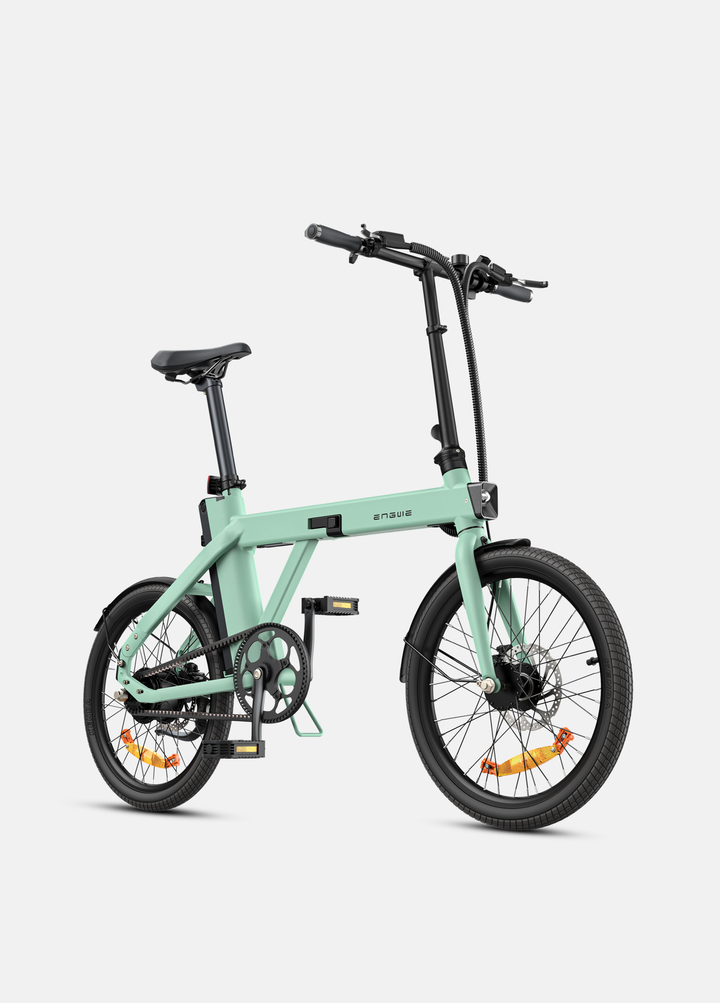
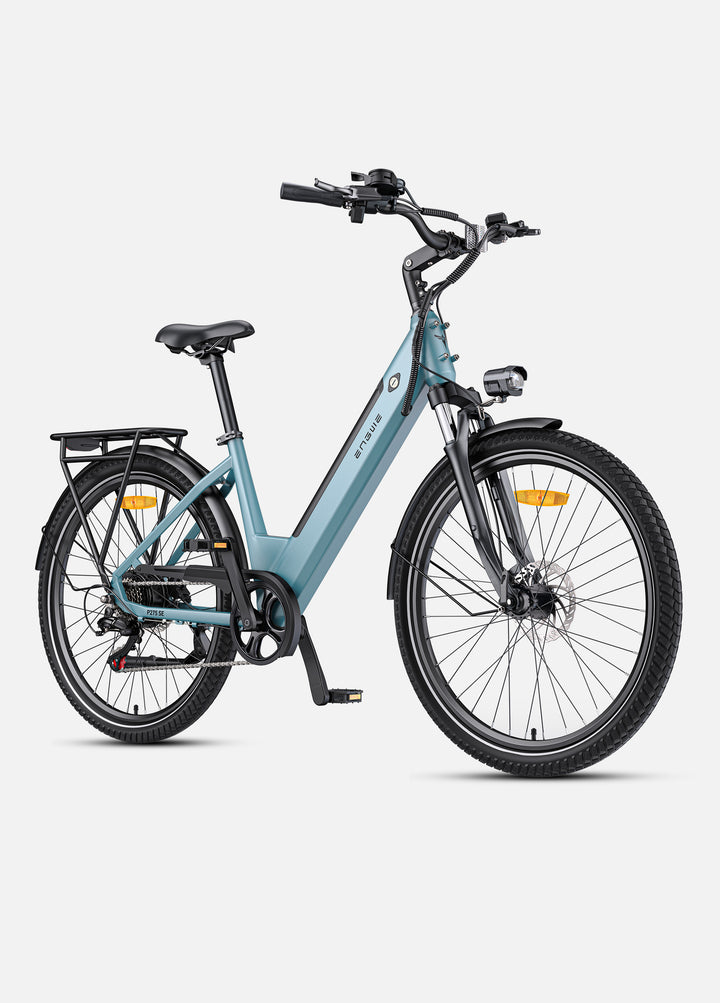
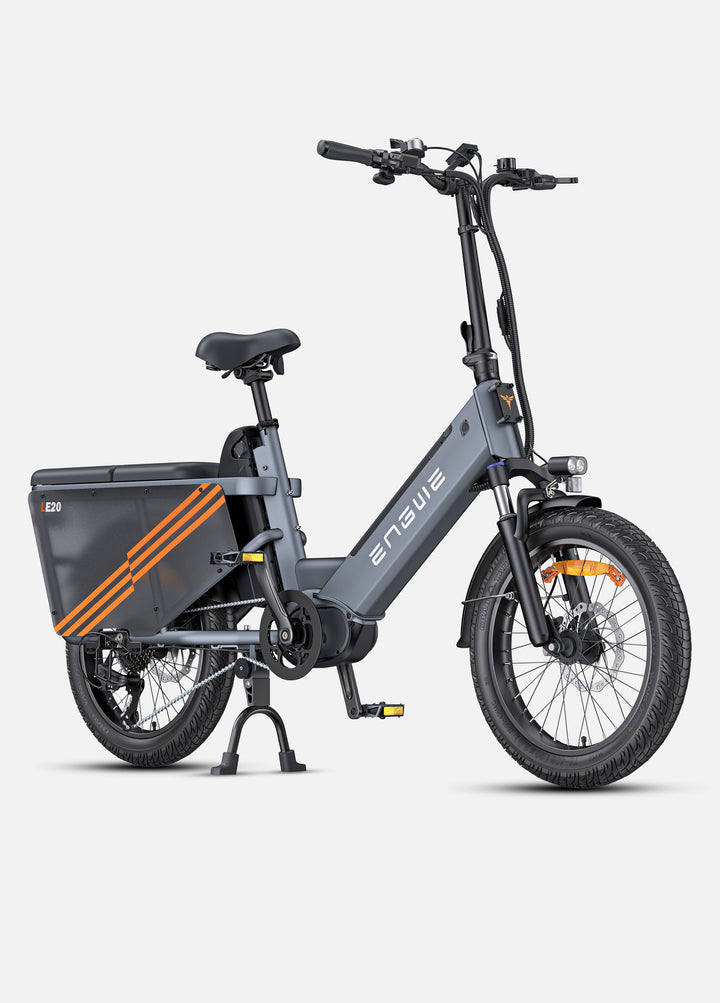
There are so many options that you probably do not know where to begin, but we can assure you we have found the best fat tire electric bike under $2000. This guide breaks your search down to the five most important dimensions: core performance metrics, a top model recommendation, factors of ride quality and fit, critical considerations, and other brands you should consider. You should have the knowledge of these gradations and be able to choose a great, long-lasting, fun e-bike that works well with your needs—your budget and riding aspirations.
Core Performance Metrics to Understand
Of course, what makes a fat tire electric bike is its powertrain, which ultimately determines how well it performs on different terrains. When comparing models, consider three key parameters that determine its power and scope. The first is the wattage of the motor, which usually ranges between 250W and 750W in this price range. A higher nominal wattage means more constant power it gives (very important for big riders or those that live in very hilly areas). Second is torque, which can be expressed in Newton-meters (Nm). Torque is your bike’s climbing power; the higher the Nm, the more easily your bike will tackle a high gradient. Looking for real all-terrain confidence? Then you should seek models that offer 60 Nm or above. Lastly, think about the battery capacity in Ampere-Hours (Ah) or Watt-Hours (Wh). The amount of energy the battery contains, measured in volts and amp hours (V*Ah), varies from model to model. A bigger battery—e.g., 48V 13Ah or more—means a longer range, allowing you to go further on a single charge. Once these three pillars are understood, one can begin to make a smart purchase.
-
Motor Watts:
Affects overall power and assisted speed. A 250W motor is the range we recommend for a good mix of legality and efficiency in most regions, where 500-750W motors are just raw power.
-
Battery Capacity (Ah/Wh):
The gas tank of your e-bike. More miles is denoted by a higher number. To compare range most accurately, multiply Volts (V) by Amp-hours (Ah) of the pack to read about Watt-hours.
-
Torque (Nm):
The twisting force for getting up to speed and up hills. A high-torque bike is powerful from the first turn of its tires and changes mountains into molehills.
-
Type of Sensor:
Synchronize no lower than a cadence or torque sensor on these bikes. A torque sensor is a high-end function that gauges how much you are pedaling and gives you the amount of assistance depending on your condition more naturally and intuitively.
Top Model Recommendation: ENGWE L20 Boost

If you’re looking for a hybrid e-bike that is able to mix innovation with functionality and value, you’ve come to the right place—ENGWE is one of the top contenders. Specifically, the ENGWE L20 Boost is a lesson in careful design–this budget e-bike has some features that are typically reserved for more expensive models. It is designed not only for fun but as a hardcore working utility vehicle. Its headlining feature is an upgraded torque sensor that provides an astoundingly smooth and responsive ride by precisely matching the motor’s output to your pedal input. This results in the maximum amount of power and removes any lag between the rider's effort and the motor's assistance. Additionally, the L20 Boost has a one-of-a-kind power-boost button which delivers an instant 75 Nm of torque when you need it to climb those steepest of hills. This electric bike, being powered by a 250W motor and 48V 13Ah battery with a range of up to 126 km, is ideal for long adventures.

-
Superb Performance:
A powerful 250W motor and class-leading 75 Nm power-boost button mean you can easily handle steep hills (while still getting a little exercise yourself!).
-
Superior Ride Feel:
With an intelligent sensor, this model delivers a smooth and natural feeling of pedal assist that improves the quality of the ride.
-
All-Day Utility:
Equipped with a front basket and rear rack, as well as a more-than-adequate portable battery for limitless applications ranging from commuting to groceries to weekend explorations.
-
All-Terrain Comfort:
The 20×4.0" fat tires are ready to tackle any terrain, and the 50mm travel suspension fork means you feel way fewer bumps for a smooth ride on pavement, dirt, or snow.
Ride Quality, Fit, and Frame
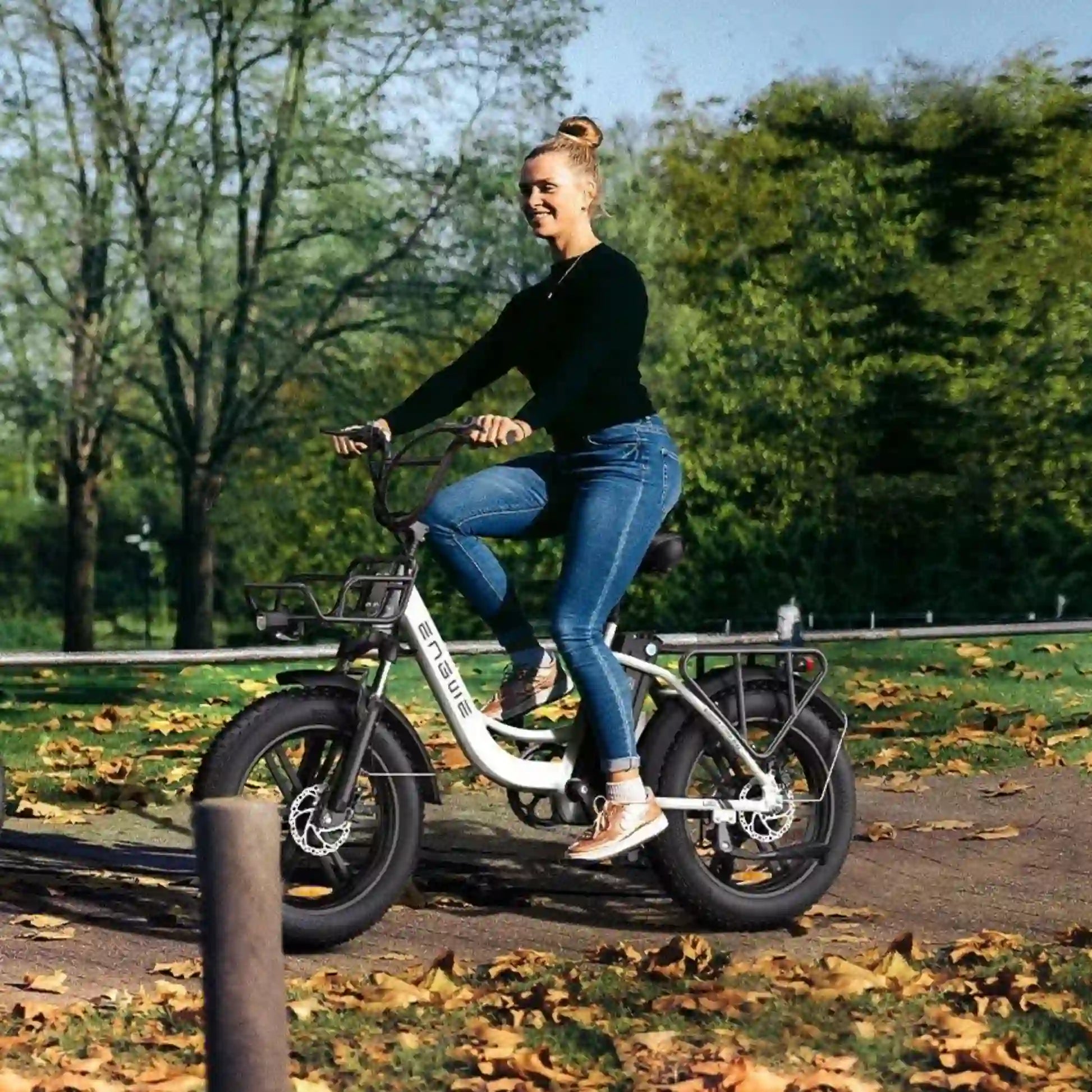
More so than the motor and battery, your ride experience will be shaped by the bike’s frame and suspension. These are the factors that determine how the bike feels over distances and bumpy terrain. First, consider the frame design. A lot of people have noted how easy to get on and off a step-through makes the bike—especially for city commutes or those with mobility problems. A traditional men's style frame (also known as a high-step frame) may be more structurally sound, which is good for rough off-road riding. Next, evaluate the suspension. In this price range, almost all fat bike e-bikes offer a front suspension fork for mitigating impacts associated with bumps and potholes. One pro user tip is to tweak your tire pressure for the terrain. Reduce the pressure down to about 15-20 PSI to increase the tire's footprint and allow an easier ride on sand or snow. On pavement, run them at 25-30 PSI for reduced rolling resistance and higher speed.
-
Frame Type:
Available in Step-Through for easy mounting and dismounting, or Step-Over for maximum frame stiffness.
-
Suspension:
A suspension fork is a must-have for getting impact reduction on a rough road.
-
Saddle and Handlebars:
Find a saddle that’s well-padded and adjustable, as well as handlebars designed to support an easy, upright position.
Critical Details and Other Brands to Consider
It all comes down to the details, and looking into the smaller pieces can mean the difference between a decent e-bike and an amazing one. Brakes are a safety system that cannot be compromised. You’ll get either mechanical or hydraulic disc brakes at this value. Mechanical brakes are easier to service, whereas hydraulic brakes provide more on-demand stopping power and a much better feel at the brake lever. The drivetrain, often from a company like Shimano, is responsible for your gearing. Standard is a 7-speed system, and it gives a decent enough range for most riding conditions. Also, take a look at the display; it should be a nice, bright backlit LCD screen that displays speed, battery level, and assistance level. A big money-saving tip is to seek models that come with built-in accessories. A bike that comes with a rear rack, full-coverage fenders, and integrated front and rear lights can save you more than $200 in aftermarket purchases and installation headaches.
| Feature | Mechanical Disc Brakes | Hydraulic Disc Brakes |
|---|---|---|
| Stopping Power | Good | Great, and more consistent |
| Service and maintenance | Simple, user serviceable | Complex, might require pro service |
| Feel | Firm lever pull | Smooth / less effort |
| Cost | Lower | Higher |
Though ENGWE has an amazing package, there’s plenty of competition in the market under $2000, and a few other good companies are still worth considering to find that perfect pick. These models typically have varying strengths, whether that’s in design, power, or portability. You can get a sense for what’s out there by exploring the most popular models. Some strive to make the most powerful moped-style e-bikes they can dream up, complete with huge batteries, whereas others would rather focus on making a lightweight, foldable frame that’s perfect for city riders or anyone who doesn’t have room in their apartment for an actual bike. When you see a few of the options side-by-side, it’s easier to cross-reference their features and identify what attributes matter most in your case (whether that’s getting the most possible power, being highly portable, or just looking like it’s designed by Apple).
-
Aventon:
They’re known for stylish design, integrated batteries, and a strong dealer network; they offer models that aim to perfectly balance form and function.
-
Rad Power Bikes:
One of the best-known names in e-bikes, the brand is widely known for creating rugged e-bike workhorses with robust accessory ecosystems.
-
Lectric eBikes:
The foldable fat tire is this brand’s strong point, and they have a range of affordable, compact models that are wildly popular for both how handy they are and their price.
-
Heybike:
Generally more feature-packed e-bikes at a very reasonable price point, with parts such as hydraulic brakes and full suspension being the kind of things you can expect in their offerings.

Frequently Asked Questions
Which matters more: motor wattage or battery range?
Each is essential, but in a different way. High wattage gives good acceleration and hill climbing, while a large battery (high Ah/Wh) will tell you how far you can go. For long-range explorers, range reigns. City riders who have to deal with hills might prioritize power and torque.
Are fat tire e-bikes hard to take care of?
Not particularly. Maintenance is akin to a standard bicycle (checking tire pressures, lubricating the chain, adjusting brakes). The trick is to keep your electronic components clean and dry. The vast majority of issues can easily be handled by a local bike shop.
Do I need a license or insurance to get on one?
Within the majority of countries, e-bikes with power outputs below a specified level (such as within 750W limits and under 20 mph) fall into a category that does not require a license or insurance for operation. But regulations differ, so be sure to consult local laws.
Now that you’re well-versed, you're all set to make the best decision and pick up your perfect fat tire electric bike for some adventurous times!