Essential Guide to Fat Tire E-Bike Inner Tubes
Selecting the best inner tube for your fat tire electric bike is not just about buying - it's an important decision that can impact performance, safety, and ride enjoyment. A flat on your ride can ruin any adventure, but the right tube isn’t just optional, it’s essential. This guide covers everything you need to know, including sizing and materials, brand recommendations, and installation tips, for a well-considered purchase on your rip-roaring, fat tire e-bike.
First of all, size and type of valve is a matter of comfort; there is no arguing about it! A wrong tube won’t fit, or it will burst and leave you stranded. This is the basic fundamental information every fat tire e-bike owner should know. All you have to do is match the tube to the numbers on your tire’s sidewall. This is the first and most important step to a good solid replacement.
Decoding Your Tire Size
Glance at the side of your fat tire. You should find a few numbers that look like “20 x 4.0”.
- The First Number (e.g., 20"): This number is the diameter of your wheel in inches. Among the most common sizes you will see for fat bikes are 20-inch, 24-inch, and 26-inch. Your replacement must be this diameter exactly.
- Second Number (e.g., 4.0"): The width of your tire in inches. Common fat bike tires are around 3.8" to 5.0". Inner tubes are stretchy, so they are generally sold with a width range like "3.8-4.5". As long as your tire's width falls within the tube's range, it will fit.
Selecting the Right Valve Stem
The valve is how you pump up your tube. There are two major types, but fat tire e-bikes seem to all use one.
- Schrader Valve: This is the most frequent kind, identical to what’s on a car tire. It’s broader, more sturdy, and compatible with the air pumps at any gas station. Nearly every fat tire e-bike, including most high-end models, utilizes Schrader valves.
- Presta Valve: A thinner, more delicate valve used in road and high-performance mountain bikes. It is very unlikely to have a fat tire rim drilled for a Presta valve.
Pro-Tip: Always check your wheel's rim. The hole in it will be larger for a Schrader valve. And don't even try to wedge a Schrader valve inside a hole made for a Presta. You will have to select the valve type your rim requires.
Choosing the Right Inner Tube Material
The materials and the way an inner tube is constructed contribute significantly to durability and ride quality. A heavy, high-torque electric bike under hard acceleration can get an inner tube up to a point where it bursts with just one light bump off-road. Pay for a better quality tube; it will save you time, heartache, and money in the end. Here’s a breakdown of your choices, each with its pros and cons.
- Standard Butyl Rubber: This is the most common and economical choice available when shopping for tubes. It provides a good combination of air retention and elasticity. A standard quality butyl tube from a well-known brand would suffice for recreational riding on pavement or easy dirt.
- Thorn Resistant/Heavy-Duty Butyl: Thicker and heavier than normal tubes. The additional rubber adds a lot of protection against flats that are caused by thorns, glass, or sharp rocks. It is a great pick for gravel riding and dirt-packed urban conditions. The trade-off is the extra rotational weight, which can have a slight effect on battery range and acceleration.
- Self-Sealing (Slime-Filled) Tubes: These are filled with a liquid sealant. When punctured, air pressure in the tire forces sealant into the hole, where it coagulates and quickly seals up a breach — generally speaking, before you can even notice. It's an awesome "set-it-and-forget-it" fix for most small punctures.
- TPU (Thermoplastic Polyurethane): This is a premium-grade material, which provides more flexibility than rubber. TPU tubes are the lightest and most puncture-resistant tubes, yet they still have good air retention ability, so users will not need to constantly top up their tire pressure. More importantly, they are also a little smaller when rolled up to pack as a spare, saving room in your bag. They are also the most expensive choice — and a bit harder to patch, should they suffer an actual tear.
| Tube Material | Pros | Cons | Best For |
|---|---|---|---|
| Standard Butyl | Affordable, commonplace | Basic flat protection | Everyday riding, value-seekers |
| Heavy-Duty Butyl | Outstanding puncture resistance | Heavy, affects performance | Off-road, city, high-risk locations |
| Self-Sealing | Automatically repairs small punctures | Heavier, messy to change | Commuters, long-distance tourers |
| TPU | Lightest, very strong, compact | Expensive, hard to repair | Performance-oriented riders looking to shave weight |

Recommendations for the Engwe EP-2 3.0 Boost
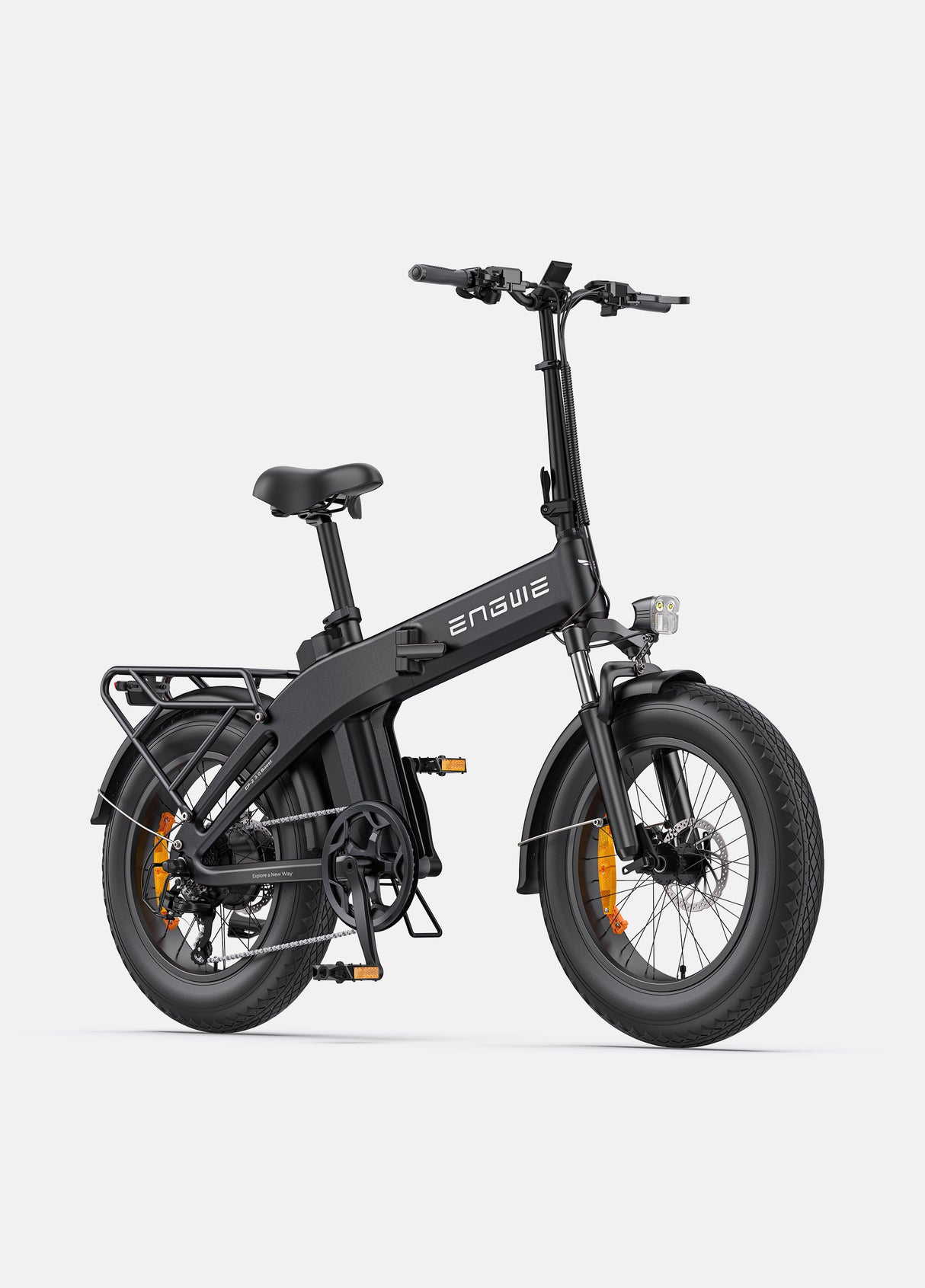
The inner tube you select should match the quality and attributes of your e-bike. ENGWE makes really sturdy, strong eBikes made to take a licking and keep on ticking, so why in the world would we want to put low-grade tubes on these bikes? With a top-of-the-range make such as the Engwe EP-2 3.0 Boost, it is important for you to choose a sturdy, hard-wearing inner tube that will maximize your performance options. This is an e-bike that’s not just for lazy Sunday rides on the bike path; it’s for the thrill-seekers and day-trippers who want a performance-oriented, all-terrain ride.
Take all-terrain performance to the next level with the Engwe EP-2 3.0 Boost, our strongest and smartest upgrade yet. Made to take on any terrain from city streets to uphill gravel climbs, this hybrid comes kitted out with an amazing 75Nm Boost motor for powerful pedal-assist thrust. The new torque sensor gives you instant power and smoother, more responsive acceleration, plus: strong hydraulic disc brakes are ready to help control whenever, faster charging for more ride time and less wait time with the 3.5-hour fast charger, a long-range 120km battery, plus awesome accessories for your next adventure. The EP-2 3.0 Boost is packed with huge 4.0-inch fat tires and a sleek, minimalist design that turns heads wherever you roll.

Key Specifications:
- Max Torque: 75 Nm Boost Mode
- Battery: 48V/13.5Ah Removable Water Bottle Style Battery
- Max Distance: 120 km (In PAS Mode)
- Charger: 4A fast charger (3.5 hour charge time)
- Brakes: Hydraulic Disc Brake
- Tires: 20" x 4.0" All-Terrain Fat Tires
- Gear Shifters: Shimano 7-Speed
- Sensor: Torque Sensor
- Connection: By Smart App Control by Bluetooth
- Features: Folding Design, Front Suspension
For a tough e-bike built like the EP-2 3.0 Boost, we recommend nothing less than top-quality 20" x 4.0" inner tubes with a Schrader valve system. Considering the bike's capabilities, a thorn-resistant or self-sealing tube is worth the investment to match its go-anywhere soul and stave off ride-ending flats.
Installation and Shopping Tips
As important as selecting the most appropriate inner tube is, knowing how to properly buy and fit an inner tube is equally important. Fortunately, with a few savvy strategies and mindful techniques, you can avoid common mishaps, save yourself some money, and ensure your new tube performs as expected. It is those with haste that I first must guard against; an installation rush means instant tube fatality!
Intelligent Shopping Tactics:
- Buy in Multiples: Never buy just a single inner tube. Buy two, always, so you have a spare ready for your next flat! It works out to be cheaper long-term, because larger quantities are usually a bit cheaper per pack, and you save on shipping fees.
- Read Online Reviews: Before purchasing a particular brand or model of tube, read what other fat tire e-bike riders have to say about the tubes. They can offer a real-life perspective on how well the tubes wear and hold up.
- Support Your Local Bike Shop: Sure, they may not be as cheap as an online retailer, but the people in the local bike shop are experts who can make sure you leave with exactly the right product.
Things You’ll Need:
- Tire Levers: A set of three durable tire levers designed not to scratch your wheels.
- Bike Pump: A floor pump or handheld bike pump with a pressure gauge and a Schrader valve fitting.
- Wrenches: Wrenches or Allen wrenches to remove your wheel’s axle nuts or thru-axle.
One Thing You Want to Avoid: The Pinch Flat
A pinch flat, or "snake bite," occurs when the inner tube is pinched between the tire bead and the rim during installation. To prevent this, always put just a little bit of air in a new tube before you install it. This gives it shape, keeps it from collapsing, and makes sure that when you’re setting the tire, it sits up well and doesn’t get pinched by your tire levers.

Top Brands and Tubeless Alternatives
Although having a good tube means everything, and quite many brands come with reliable products, understanding these choices will enable you to better determine the best model to help you meet your price and performance requirements. And for the most serious riders among us, an alternative to inner tubes altogether — though one that requires more of a front-end investment and some complicated swapping.
Inner Tube Brand List
If you are searching for the products of honest and well-known brands, see if these famous inner tube brands ring a bell:
- Kenda
- Schwalbe
- Sunlite
- Q-Tubes
If You Want An Alternative: Tubeless Conversion
For the best possible protection from flats, some riders convert their wheels to a tubeless setup. This gets rid of the inner tube altogether.
- Pros: Lower tire pressures can provide better traction without fear of pinch flats. Tiny pinholes are automatically sealed up by the liquid sealant injected into the tire.
- Cons: Not all rims and tires are “tubeless ready”. The complexity of both assembly and parts can be messy, featuring special rim tape, valves, and sealant. It's a more complicated and expensive upgrade.
Frequently Asked Questions
-
Can I use a smaller/larger size tube in my tire?
It's not recommended. A slightly narrower tube (e.g., 3.5" in a 4.0" tire) can be mounted in an emergency, but it will be stretched thin, making it weaker and more prone to punctures or even a blowout. Never exceed the recommended size range for best system reliability. -
How frequently do I need to change my inner tubes?
There is no set schedule. You should only have to replace an inner tube when it gets a puncture that is too big to patch or the valve stem tears. But if the tire you’re replacing is worn or damaged, it’s a good idea to put in a new inner tube too. -
Is it worth spending extra for a ‘premium’ or thorn-resistant inner tube?
Absolutely. For a big, powerful fat tire electric bike like this one, the relatively small added expense of a heavy-duty or self-sealing tube may very well be the investment that pays off best for you. The time, inconvenience, and frustration saved by avoiding only one flat tire are worth paying for.
Now go ahead and feel assured as you ride and enjoy the journey.