Riding in low light is risky without proper bike lights. They make drivers, walkers, and other riders notice you while also helping you see the path clearly. In busy cities, a strong bike headlight can guide you through traffic. On dark country roads, a steady rear bike light warns vehicles coming from behind.
For trails, extra lighting like a bike helmet light or bike wheel lights improves visibility from all sides. This guide explains how to choose the best bike lights for safer rides, whether you’re on a regular bicycle, a mountain bike, or an e-bike.
What Types of Bike Lights Are Available?
Many families choose bicycle bike lights with rechargeable batteries for daily commutes and school rides, since they are easy to charge and safer for kids. Each one plays its own role in safety. Some lights show the road ahead, some warn vehicles behind you, and others make you visible from the side. A good setup usually combines more than one type.
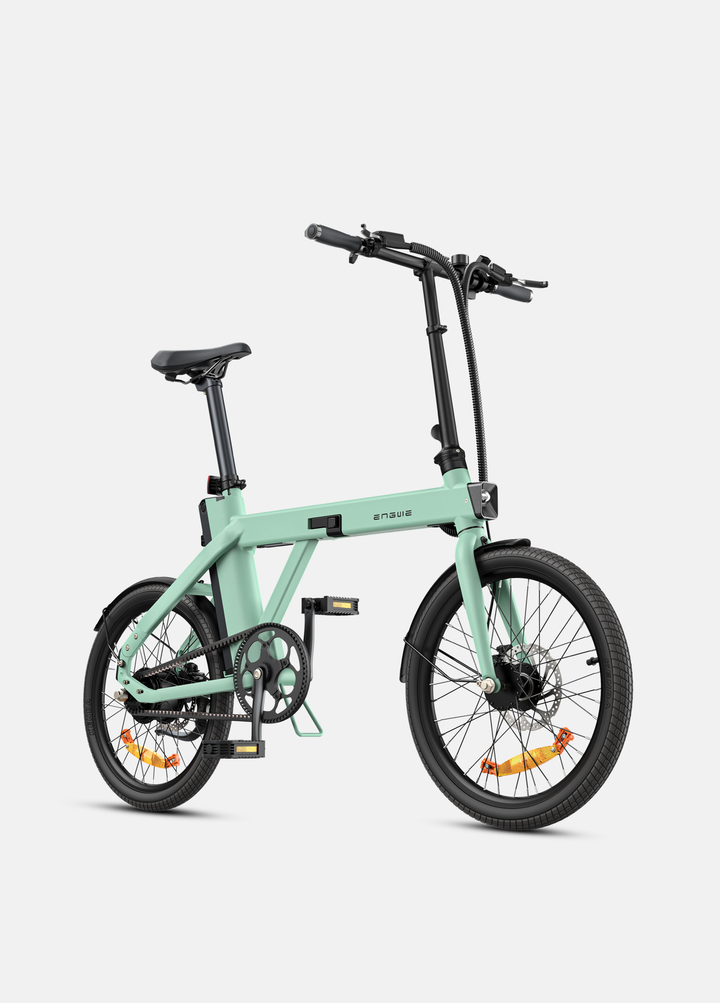
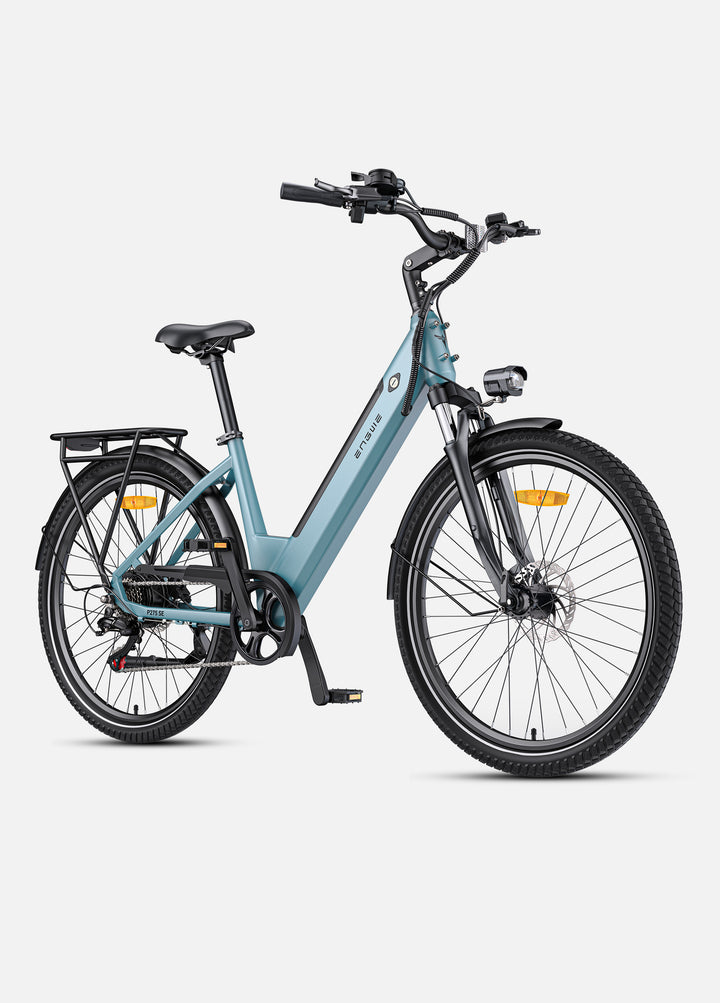
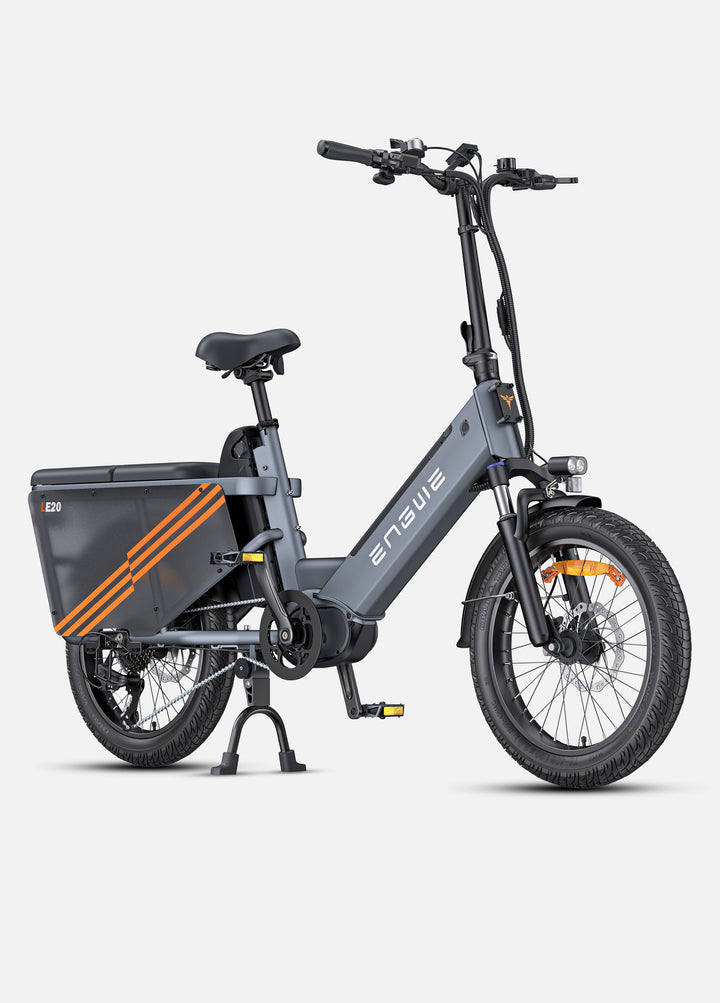
Modern e bike lighting systems, such as ENGWE’s headlights and taillights, are built for higher speeds and longer rides. These lights use rechargeable batteries, multiple beam settings, and weatherproof designs, giving extra safety for both daily commutes and night trail rides.
Bike Headlights
A bike headlight is fixed at the front and is the main source of vision at night. The best bike headlight for city use often has 200–400 lumens, which is enough for well-lit roads.
For riders on country lanes or trails, stronger beams of 800 lumens or more are better, since they spread wider and highlight uneven ground. Many top rated bike headlights come with rechargeable batteries and settings like high beam, low beam, and flashing modes.

Rear Bike Lights
A rear bike light, also called a bike back light or tail light, is just as important as a headlight. It attaches to the seat post, frame, or rear rack and signals your position to traffic behind you.
Daytime running modes make riders stand out in busy streets, while flashing or steady beams at night reduce the chance of being overlooked. A bright rear light is often the first thing drivers notice in low light.

Helmet and Wheel Lights
A bike helmet light is fixed to your helmet and points wherever you look. This makes it very useful on winding routes and forest paths where your eyes move before your handlebars do.
Bike wheel lights, mounted on the spokes, improve side visibility and add safety at intersections. They’re especially helpful at junctions where cars approach from the side. They also add style, making your bike more visible and unique at night.

The Best Bike Lights for Night Riding
Riding in the dark is safer when you use the best bike lights. A good headlight lets you see the path, while a strong rear bike light makes sure drivers behind you notice you.
For riders on quiet roads or forest tracks, the best bike lights give a balance of brightness, battery life, and weather resistance, making them suitable for both city riders and mountain bikers
When choosing the best bike lights for night riding, riders often look for durable and great bike lights that combine brightness, long battery life, and waterproofing:
-
Brightness (lumens): Around 200–400 lumens is fine for city use. On darker trails, 800 lumens or more is better.
-
Battery life: Look for lights that last several hours on high mode and recharge quickly.
-
Waterproofing: A solid IPX rating helps your lights survive rain and splashes.
Here are three reliable e-bike lighting options from ENGWE’s lighting range:
Headlight for ENGWE Ebike
This compact headlight is made for daily commuting. It gives a bright, steady beam that cuts through low light, helping riders stay visible on busy streets. The USB charging makes it easy to power up between rides.

Headlight for ENGWE Engine Pro
Designed for faster e-bikes, this headlight produces a stronger, wider beam for dark lanes and open roads. It includes several light modes so you can switch depending on your surroundings. The long-lasting battery makes it dependable for night trips.

ENGWE Bicycle Taillights with Turn Signals
More than just a bike tail light, this set includes wireless turn indicators. It has steady, flashing, and signal modes, giving extra safety in traffic. Easy to mount and USB rechargeable, it’s built for both city riders and long-distance commuters.

These examples show that the best bike lights for night riding aren’t only about brightness—they combine smart features, simple charging, and durability. Using a strong front light together with a bright rear signal gives complete protection for night riding.
Bike Lights for Different Riders
Not every rider needs the same type of bike lights. The best choice depends on where and how you ride. Trail riders, city commuters, and e-bike owners all benefit from different setups.
Mountain Bike Lights
On rugged trails, a small light isn’t enough. Mountain bike lights need higher brightness, often 1,000 lumens or more, to reveal rocks, roots, and sharp turns. Wide beams are useful for scanning the trail, while helmet-mounted lights can help riders see wherever they look. Rechargeable, waterproof designs are essential since mountain riding often means long hours outdoors.
How to Measure and Choose the Right Bike Lights
How to Measure Bike Light Brightness
Brightness is measured in lumens. More lumens mean a stronger beam, but you also need to think about beam spread.
-
200–400 lumens: good for city streets with streetlights.
-
400–800 lumens: safer on dark country roads.
-
1,000+ lumens: best for mountain biking and rough trails.
Beam type also matters.
-
Wide beam: lights up a bigger area close to you, useful for slower city rides.
-
Narrow beam: focuses light further down the road, better for fast riding and descents.
Battery run time is another factor. Always check how long it lasts on the setting you’ll use most. Waterproof ratings like IPX4 or higher make sure your lights still work in rain. A strong headlight plus a reliable rear bike light is the safest combination.
How to Turn On Your Bike Light
Most modern bike lights are simple to use. Here’s a quick guide:
-
Charge fully with the supplied USB cable.
-
Mount the bike headlight on the handlebar and the rear bike light on the seat post or rack.
-
Press and hold the power button for a second or two.
-
Tap the button to switch between brightness levels or flashing modes.
-
Hold again to turn off.
-
Aim the headlight slightly downward to light the road without blinding others.
-
If your rear light has multiple settings, pick a steady beam for night rides or a flashing mode for busy traffic.
-
For advanced models like ENGWE’s rear light with turn signals, pair the remote, test the indicators, and choose your mode before starting the ride.
Conclusion
Good lights keep you safe: a headlight shows the road, and a rear light warns approaching drivers. Wheel and helmet lights give more coverage.
Modern bike lights are brighter, rechargeable, and include smart extras like flashing modes or turn signals. With the right mix, you’ll ride at night with far more safety and peace of mind.
Frequently Asked Questions
What are the best bike lights for night riding?
The best setup is simple: a bright front light so you can see, and a strong red light at the back so cars can see you.
How bright should a bike headlight be?
For city rides, a small light is fine. For dark roads, get something stronger. Off-road needs the brightest you can afford.
Can I use bike wheel lights for safety?
Yes. Wheel lights make you more visible from the side. They are extra, not a replacement for your main lights.
Do e-bikes need special lighting?
Yes. E-bikes are faster, so they need brighter front and rear lights. Many e-bikes already come with them fitted.
How do I install a rear bike light?
Most strap onto the seat post. Some clip to the rack. Rechargeable ones pop off for charging. Remote ones like ENGWE’s come with a bracket and controller.