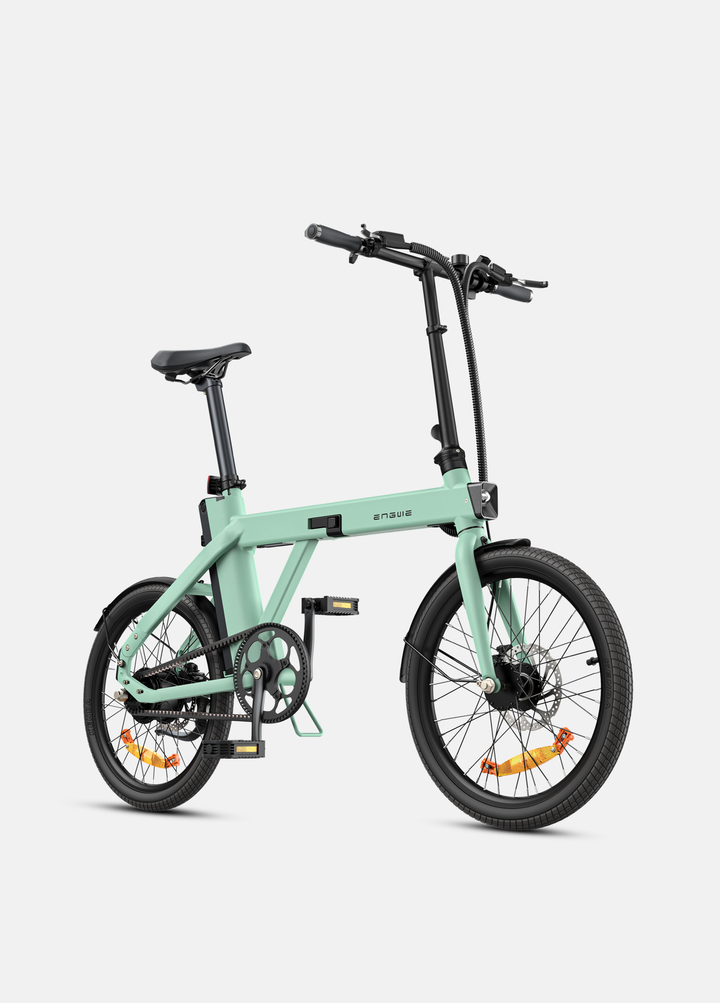
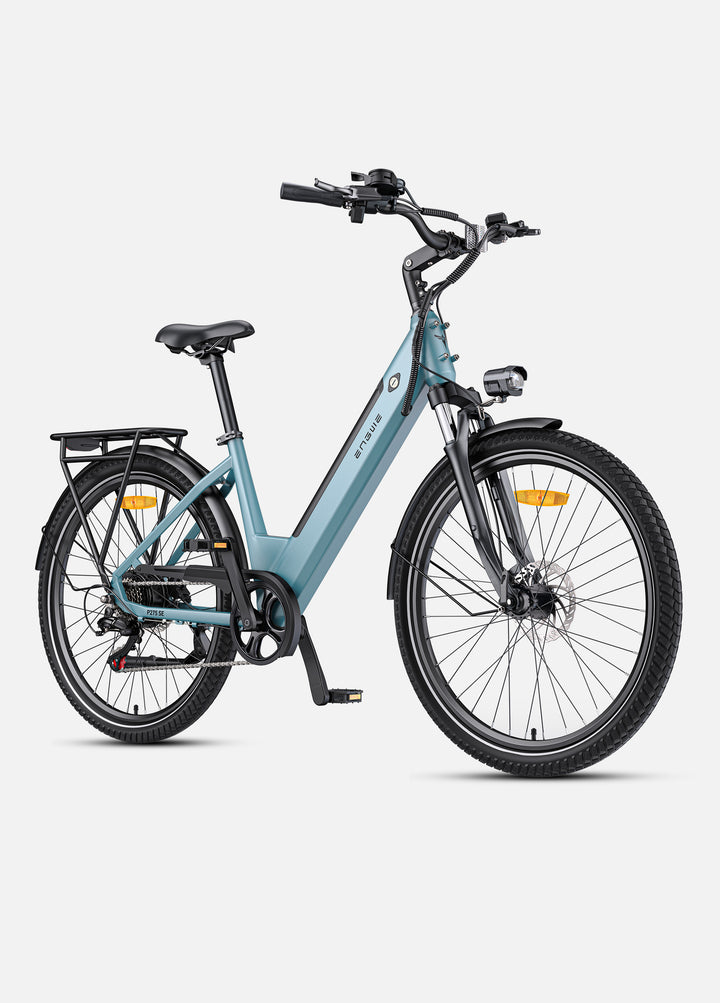
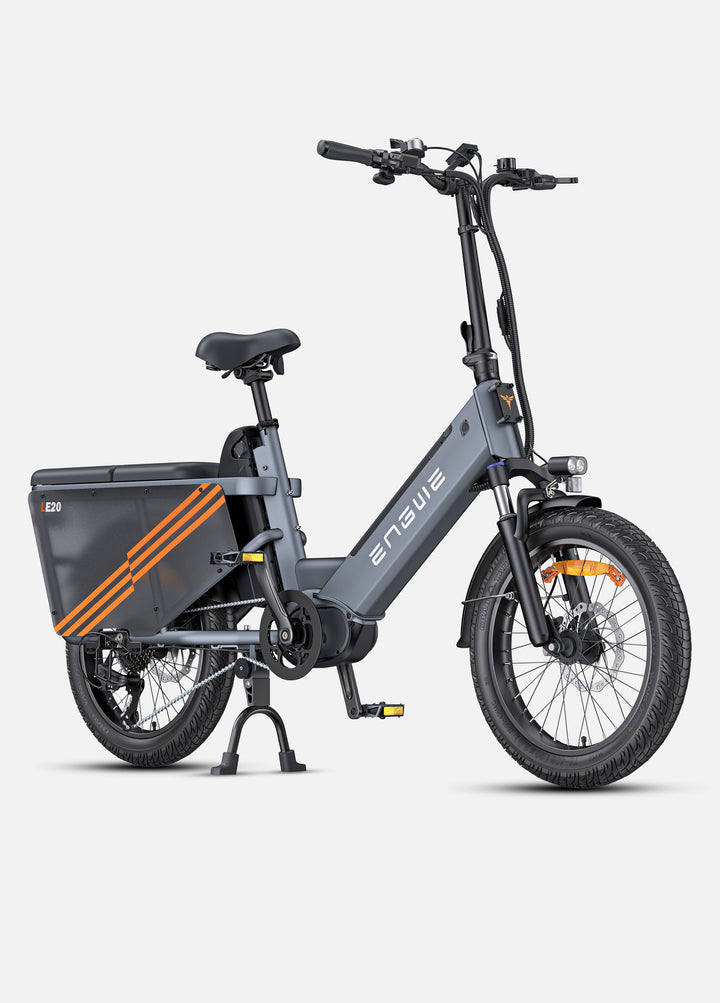
Electric bikes are still gaining more popularity, and to select the right category, it is necessary to know how each of the classes functions. Class 1 ebikes have only pedal-assist, whereas Class 2 and Class 3 have various degrees of throttle transformations and speed. Understanding the functionality of ebike classes can be used to guarantee safety, compliance and optimal riding experience.

What Is a Class 1 Ebike?
A Class 1 ebike is characterized as a bicycle that has a motor that offers pedal assist to 20 mph with no throttle. The riders will have to pedal to make the motor work and thus the most universally accepted type of bike path, trail and public space.
A Class 1 electric bike is best for the beginners and families, and commuters seeking to have a natural feeling of riding with the help of the motor. Many states believe that it is the safest and most accessible as it has controlled speed and no throttle.
This segment targets riders who are looking to find the best class 1 ebike to ride to fitness, have fun, and commute to their work.
Key Points:
-
Pedal assist only
-
Max assist speed: 20 mph
-
Legal on most bike paths and multi-use trails

What Is a Class 2 Ebike?
A Class 2 ebike has pedal assist as well as throttle mode, but it is also restricted to 20 mph. This is why it is a favorite amongst riders who like flexibility- particularly in the event of stopping at a stop or riding uphill.
The throttle brings the advantage of not having to pedal to move unlike in pedal only systems and this is beneficial to seniors, novices and those who have cargo. When comparing Class 1 vs class 2 ebike, the throttle capability is the major difference.
Key Points:
-
Pedal assist + throttle
-
Max speed: 20 mph
-
Accepted in many areas, but restrictions vary

What Is a Class 3 Ebike?
A Class 3 ebike has pedal assist up to 28 mph making it the fastest of the three regulated classes. It does not use throttles in the majority of the areas, yet some states permit them.
The Class 3 bike is targeted at urban commuters who want maximum speed and remain within the legal boundaries. In comparing the Class 1 vs class 3 ebike , the local access regulations should be taken into consideration because Class 3 models tend to be road-oriented.
Key Points:
-
Pedal assist to 28 mph
-
Some regions require a speedometer
-
Often restricted from multi-use trails

Class 1 vs Class 3 Ebike: Speed, Access, and Riding Experience
The Class 1 ebike has a Class 3 ebike that has almost the same level of pedal-assist functionality but has a lot of differences in speed, access and usage. Class 1 is designed with controlled and versatile riding whereas Class 3 is aimed at the commuter who requires to move
faster on paved roads. This will make you pick the right one to use on your daily journey as you understand these two categories.
Class 1
Class 1 ebikes maintain a natural rhythm, making them perfect for relaxed cycling, mixed terrains, and environments where pedestrians and cyclists share space. They provide safety, easy control, and the widest legal access across states and city regulations.
- Pedal assist up to 20 mph
- Legal on most bike paths, trails, and shared-use routes
- Designed for recreational cycling and fitness rides
- Gentle, predictable acceleration for beginners
- Ideal for riders prioritizing comfort and access over speed
Class 3
A Class 3 model is built for efficiency, allowing riders to cover longer distances with less time and effort. It excels on bike lanes, paved roads, and direct commuting routes where speed matters. These bikes offer stronger acceleration and higher-end components suited for daily city riding.
- Pedal assist up to 28 mph
- Restricted from many multi-use trails and parks
- Best for road commuting and high-speed travel
- Fitted with a speedometer in most regions
- Designed for experienced riders needing quicker point-to-point travel

Ebike Class 1 2 3 Comparison Table
Understanding the differences between ebike class 1, 2, and 3 models helps you choose the right bike for your speed needs, terrain, and legal requirements. This quick table simplifies how each class operates on roads, paths, and daily commutes.
|
Feature |
Class 1 Ebike |
Class 2 Ebike |
Class 3 Ebike |
|
Pedal Assist |
Yes |
Yes |
Yes |
|
Throttle |
No |
Yes |
Limited/Varies |
|
Top Assisted Speed |
20 mph |
20 mph |
28 mph |
|
Trail Access |
Widely allowed |
Moderate |
Often restricted |
|
Best Use |
Fitness & leisure |
Easy commuting |
Fast urban travel |
Top Picks: Class 1, Class 2, and Class 3 Ebikes
There are some ebike classes, and it may be difficult to select the appropriate model. Every type is used in a distinct style of riding, topography, and speed. There are some good examples of each class below that you can trust in and that present to you clearly what real-world models can provide without bleeding you with specifications.
Best Class 1 Ebike – Trek Verve+ 1
Leisure and everyday fitness rides A pedal-assist-only, class 1 ebike, smooth e-bike. It provides foreseeable handling and broad access to the trails, which is suitable to those riders who enjoy the natural cycling experience.
It is comfortable in geometry and therefore rides well without pressure and frame is lightweight so manoeuvring is also easy. Its reputation in terms of reliability to mixed commuting routes and weekend paths is admired by many users.

Best Class 2 Ebike – ENGWE P20
The ENGWE P20 belongs to the category of class 2 ebike with a throttle and pedal assist of 20 mph. It has a small foldable frame that is suitable in an apartment, office, and even on a train.
The ride quality of the bike is stable and can attract new riders, who require predictable stability, and the motor is responsive and provides a smooth acceleration. The ENGWE P20 is particularly handy to the urban rider who requires a daily city commuter that is easy to manage and handle.

Best Class 3 Ebike – Specialized Turbo Vado 4.0
This class 3 ebike. An electronic bike provides powerful pedal-assisted speed up to 28 mph, which is why it should be used on longer trips to the city. It has a sophisticated motor system that offers a refined acceleration that is smooth and quiet, and the geometry ensures balance at higher speeds.
The Vado 4.0 is designed to suit those riders who want some efficiency and comfortability on the paved roads. Its reliable parts provide a confidence-enhancing adventure to the people wishing to travel faster without losing control.

Conclusion
Despite your liking of the Class 1 ebike, throttle-powered Class 2, or high-speed Class 3, knowledge of the ebike classes will help you select one depending on the safety, accessibility, and style of riding.
Still trying to determine what is a class 1 ebike, or how fast a Class 1 ebike, just keep in mind that each category has a different use - either a pleasant trail ride or a fast ride in the city.
Frequently Asked Questions
What is a Class 1 ebike?
A Class 1 ebike provides pedal assist up to 20 mph with no throttle. It’s legal on most bike paths and ideal for fitness and everyday commuting.
How fast does a Class 1 ebike go?
A Class 1 ebike assists only up to 20 mph. Riders can pedal faster manually, but the motor stops providing additional assistance once limits are reached.
Which is better—Class 1 or Class 2?
Class 1 fits riders wanting natural pedaling and wider trail access. Class 2 suits those needing throttle support, easier hill starts, or more flexible commuting performance.
Are Class 3 ebikes legal everywhere?
No. Class 3 models often face restrictions on mixed-use trails and bike paths. They are primarily intended for road cycling and fast commuting.