Electric bikes are classified into categories based on their performance, design, and overall function. This classification helps you choose the right e-bike for your needs. A class 1 ebike is one that only provides pedal-assist, whereas a class 2 model has throttle-based acceleration. Each category suits a specific type of rider and of terrain. Select one that follows local regulations and riding practice.
Every rider wants to understand the difference between pedal assist and throttle control and what effects they have on the handling, range, and comfort. Find ways to choose between class 1 vs class 2 ebike.

What Is a Class 1 Ebike?
The class 1 ebike uses pedal power alone. When the rider is pedalling, it turns the motor on, and the motor turns off when the bike reaches the top speed. Such an arrangement makes the ride natural and most of the bike paths and mixed-use routes accessible.
The class 1 ebike definition focuses on the aspects of safety, control, and predictability of the motor behavior. This ebike is usually favored by riders who want to be more active or when they are seeking support on longer rides. These models also address the typical needs of the shared mobility regions and controlled cycling zones.

Class 1 Ebike Speed and Performance
A class 1 electric bike typically has a maximum assist of 20 mph in the US, or 25 km/h in the EU. Fr those who ask the question how fast does a class 1 ebike go, the answer is directly related to the local regulations; however, the limit of the assistance is always set within regulated parameters.
This style is effective in urban-controlled riding and mixed roads. The bike works on the principles of a natural rhythm and regular effort due to the need to be pedaled at all times.

What Is a Class 2 Ebike?
A Class 2 ebike has pedal assist and throttle control. The throttle helps the riders start from a stop more easily or balance at slow speeds within the traffic or over the soft ground. Class 2 bikes also stop aiding when they reach the top speed, as was the case with the class 1 models.
Class 2 is convenient for riders who find it easier to start or less demanding when short-distance commuting. It is a good fit when traveling in flat areas on a daily basis and lies comfortably around riders who desire the option to be versatile with motor power.

Class 1 vs Class 2 Ebike: Key Differences
The primary distinction between a class 1 vs class 2 ebike is the matter of control. Class 1 is entirely pedal-driven to enable support, providing a conventional cycling experience. Class 2 also has a second throttle, useful during making starts on slopes or slow and congested tracks.
The two types may have a variation in the range due to the fact that throttle use consumes more energy, particularly when there is frequent acceleration. Class 1 is usually picked by riders who care about the fitness advantages, whereas class 2 may be preferred by riders who attach importance to convenience.
|
Feature |
Class 1 Ebike |
Class 2 Ebike |
|
Motor Activation |
Pedal assist only |
Pedal assist + throttle |
|
Throttle Use |
Not available |
There is no pedal movement available. |
|
Typical Max Assist Speed |
20 mph (US) / 25 km/h (EU) |
20 mph (US) / 25 km/h (EU) |
|
Riding Feel |
Natural, fitness-focused |
More convenient and convenient starts. |
|
Path Access |
Allowed on most bike paths |
Limited in other aspects by the throttle |
|
Energy Use |
More efficient, longer range |
Slightly higher consumption with throttle |
|
Ideal Rider Type |
Fitness riders, commuters, and regulated path users |
Riders want easy acceleration or mixed-terrain convenience |
Class 1 vs Class 3 Ebike
Class 1 and 3 models are distinguished primarily by limits in the speed with the help of a pedal-assisted bike, means of riding, and the availability of common routes. A class 1 ebike is one that uses pedal assistance as a sole source, with the maximum level of assistance being 20 mph in the U.S. or 25 km/h in the EU. It has no throttle, and that is why it is able to share the paths and areas that prioritize controlled cycling.
In the United States, a class 3 ebike further adds pedal-assist up to 28 mph. In most areas, class 3 bikes do not have unchecked throttle use, and in those that do have the throttle, it is restricted to lower speeds. Due to Class 3 bikes' performance capacity, face restrictions.

Where Class 3 Fits Into the System
While the focus is on class 1 and class 2, riders usually compare both to a class 3 ebike. Class 3 models have greater speeds of pedal assistance and are not typically permitted on bike paths. They are appropriate for riders with long road journeys who want faster transportation on open streets.
Knowing the classes of the eBikes assists the riders in getting the right fit depending on their locations. It is easier to compare the classes of ebike class 1 2 3 and realize where each type fits.
|
Feature |
Class 1 Ebike |
Class 3 Ebike |
|
Assist Type |
Pedal-assist only |
Pedal-assist (no unrestricted throttle) |
|
Top Assisted Speed |
20 mph (U.S.) / 25 km/h (EU) |
28 mph (U.S. classification only) |
|
Path / Trail Access |
Usually allowed |
Often restricted |
|
Best For |
Exercises, walking, and footways. |
Road travel, longer distances |
|
Riding Feel |
Natural cycling support |
Faster, road-oriented pacing |
Which One Do You Need?
The decision on which type to use between class 1 and class 2 is based on the surroundings of your ride. Cyclists in cities, or riders who are fitness-focused, and commuters who share paths tend to use a smoother control of a class 1 e-bike. Those who deal with high numbers of stop-and-go traffic may like the throttle of a class 2.
Individuals who are looking for a class 1 ebike for sale usually tend to desire a rideable, stable bike with predictable support. Meanwhile, riders who order a class 2 usually focus on fewer demanding starts or mixed conditions that can be used to their advantage in throttle control.

EU-Friendly Controlled Pedal Assist Ebikes
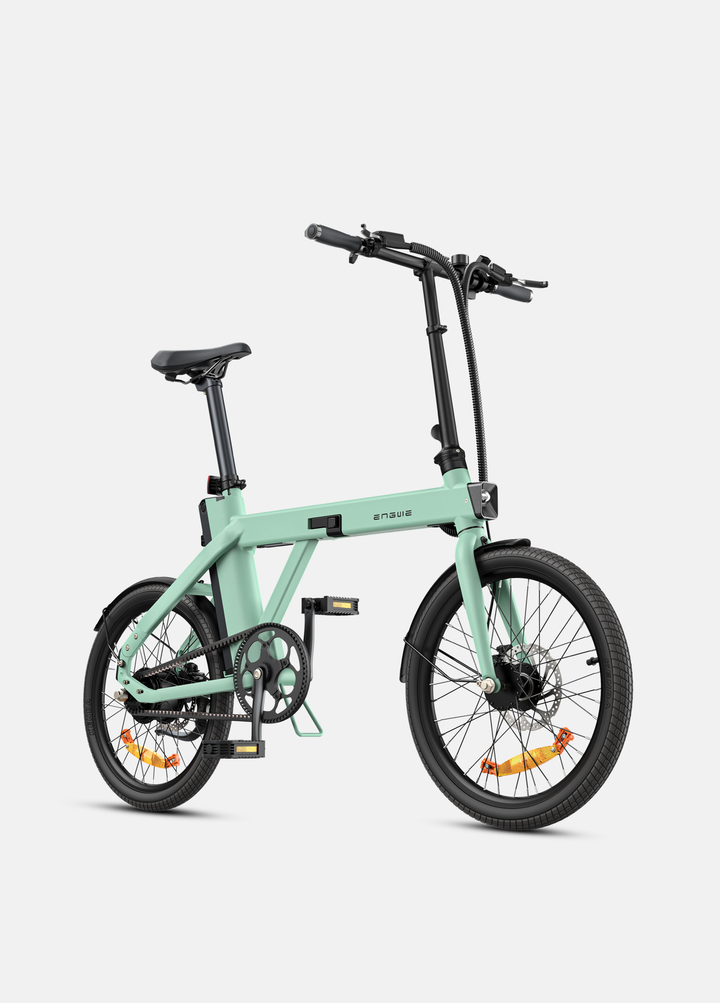
Most riders in Europe use models with rules in the same category as a class 1 ebike, particularly in cases where they are using bike paths, shared lanes, or their daily commute in cities. ENGWE provides the best class 1 ebike, which follows these requirements, namely, the smoothness of pedal support, comfortable geometry, and stable ride characteristics in mixed urban conditions.
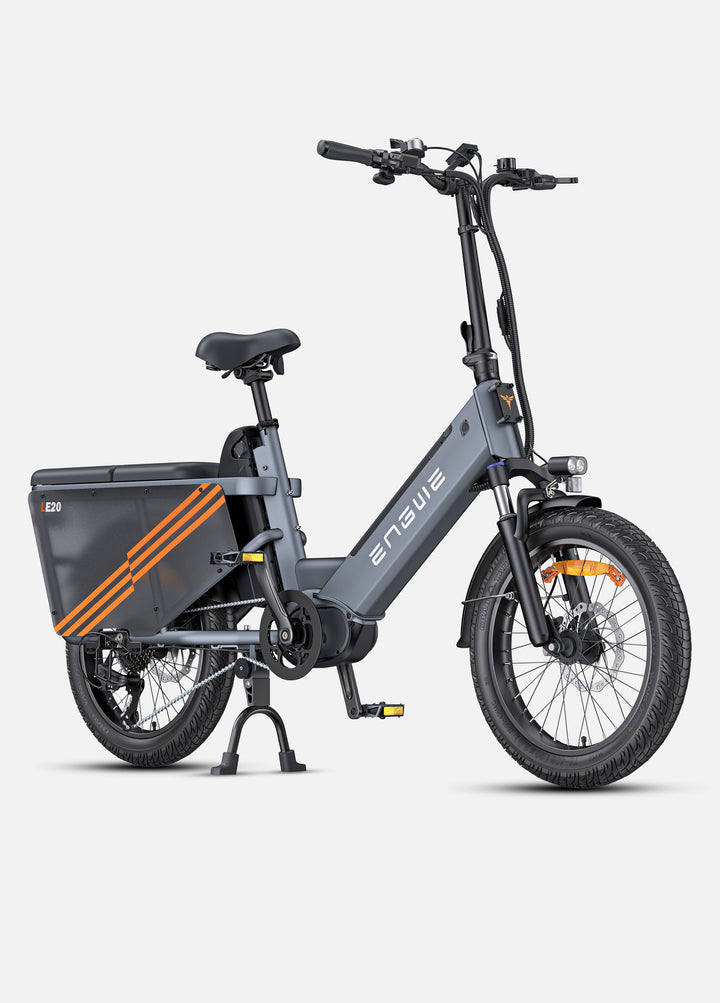
ENGWE L20
The ENGWE L20 is a step-through bike made for riders who prefer comfort, a long range, and easy handling. Its user-friendly frame gives the product an easy time to mount, and the fat-tire feature provides stability on pavements, park trails, and rough runways.
The 25 km/h support rate remains under the EU regulations and provides the riders with a peaceful and foreseeable experience when riding to their destinations or pleasure riding.


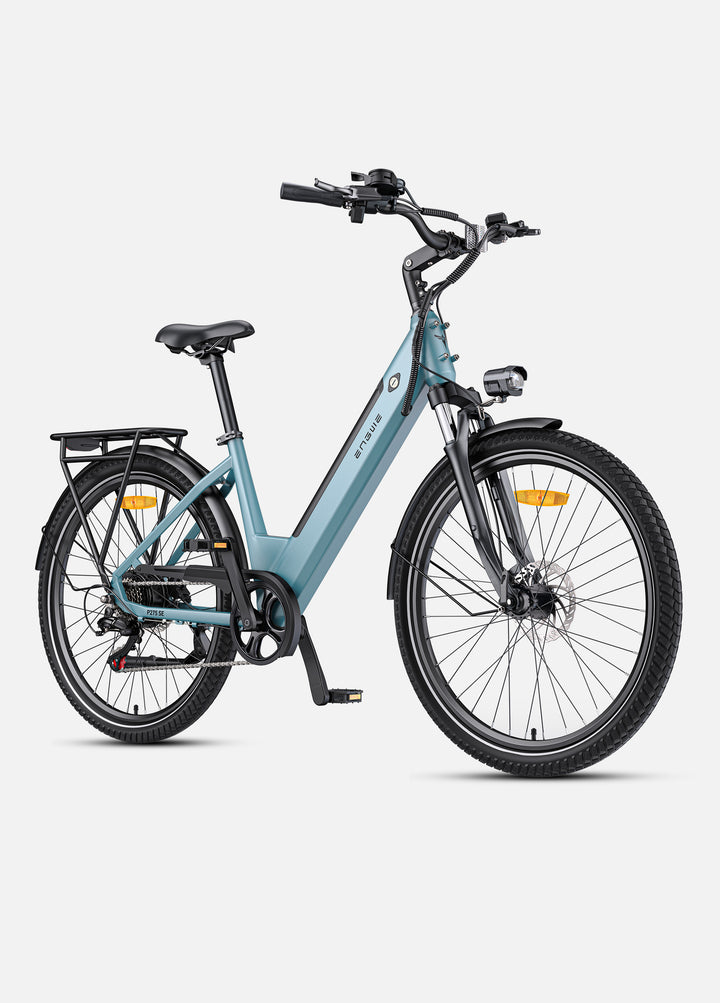
ENGWE P275 Pro
The ENGWE P275 Pro offers a more urban riding experience to riders with the mid-drive responsiveness. Its even-footed peddling action contributes to a steady pacing when travelling over a longer distance every day, and the built-in battery design contributes to a clean line and symmetrical control.
The balanced 250W motor and silencing drive train of the ENGWE P275 Pro make it a good fit for any commuters who need an efficient and easy-to-maintain way of getting around, and should not surpass the scope of European assistance.


Conclusion
Class 1 and Class 2 e-bikes have varying types of support, and each suits a particular type of rider. In class 1, there is a sense of natural cycling, whereas in class 2, there is the provision of added convenience in the form of throttle control. The differences can assist the riders in selecting a bike that fits their terrain, regulations, and level of comfort.
Frequently Asked Questions
How fast does a class 1 ebike go?
In the U.S, a typical speed is up to 20 mph, or in the EU, 25 km/h. When the limit is exceeded, the motor no longer assists, but (at that point) riders can go on riding faster solely by pedaling
Can class 1 or class 2 bikes be used on all bike paths?
Class 1 models are not often prohibited on most mixed-use paths as they do not need pedaling. Throttle control makes the Class 2 access region variant. Local regulations also define where the different types can be used, particularly in places where paths are strictly regulated.
Is a class 1 ebike better for fitness?
Yes. Bikes of Class 1 b are peddled regularly and are thus more like traditional cycling. Riders also benefit from fitness and have consistent support on the hilly or even on the longer routes. Class 2 still has the ability to support exercise, but it permits a greater motor-driven motion by controlling the throttle body.