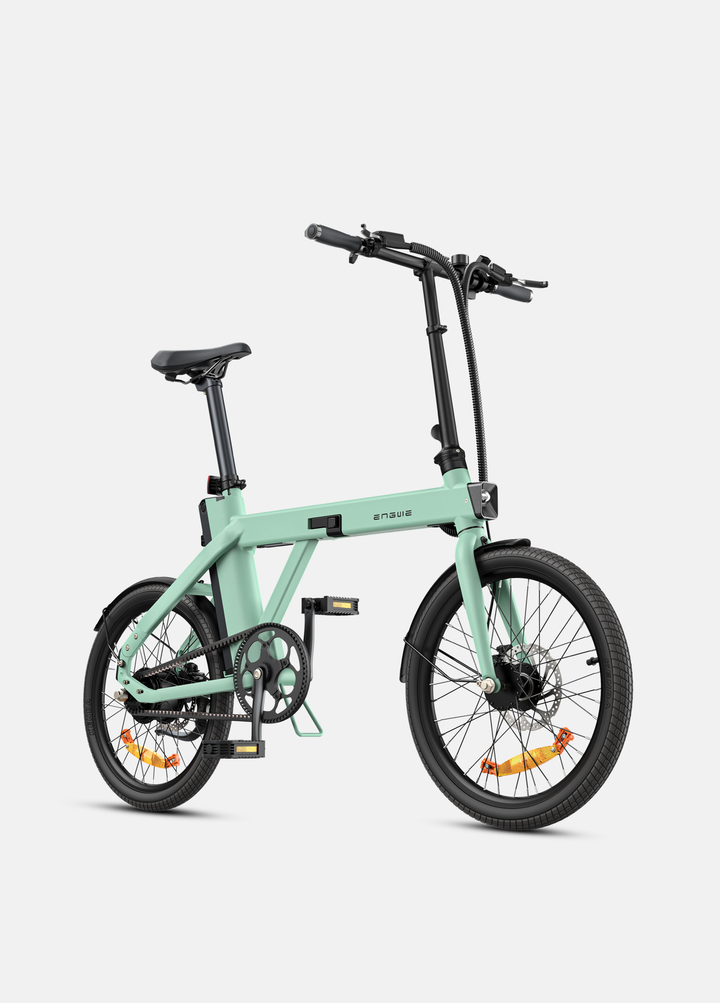
The electric bikes are worth their salt when it comes to climbing steep hills. While a single ebike hub motor can handle moderate inclines, riders tackling heavy loads, off-road terrain, or aggressive gradients often look toward dual-motor setups. A dual hub motor ebike allocates power to both wheels, which enhances the traction, delivery of the torque, and general climbing confidence.
Learning the principles of the work of an electric bike hub motor and the way in which two motors can modify the performance allows riders to select the appropriate system to use in difficult landscapes.

How Does an Ebike Hub Motor Work?
Before comparing single and dual systems, it's important to understand how does an ebike hub motor work. The hub motor is embedded into the wheel hub, which may be the rear or front wheel. Once engaged, it transforms electrical power out of the battery into rotational power, driving the wheel forward.
In contrast to the mid-drive system, which drives the machine, a hub motor for ebike does not use the chain and gears. This makes ebike hub motors mechanically simple, low-maintenance, and reliable.
There are two main types:
-
Front hub motor
-
Rear hub motor ebike setups
Both of them have their own advantages in terms of the terrain and the style of riding.

Front vs Rear Hub Motor
The front hub motor is used to draw the bike forward, just like in a car front-wheel drive. A front hub motor ebike is more likely to be easy to install and useful for light commuting.
Ebike rear hub motor, in turn, is a motor propelling the bike behind. It is more natural-feeling to many riders since it is more like a traditional rear-wheel drive. I have been wondering, what is a rear hub motor ebike? It is simply an electric bike in which the motor is installed in the rear hub of the wheel. In hills, rear motors often give more traction since on the climb, more weight is over the back wheel.

Ebike Hub Motor vs Mid Drive on Hills
The debate between ebike hub motor vs mid drive systems is ongoing. Mid-drive motors utilise the bike gears to employ the mechanical advantage of a bike in an ebike mid drive vs hub comparison, and this can be effective on climbs. Nevertheless, a dual hub motor e-bike will be able to match or even surpass the performance of mid-drives climbing with raw torque and dual-wheel grip.
In the ebike hub motor vs mid drive discussion, the deciding factor often comes down to terrain. Mid-drives are very good in technical mountain tracks, whereas the dual hub is most prominent in steep yet simple climbs where traction is the most valued.

Rear Hub Motor
A rear hub motor ebike puts the motor within the rear tire providing the power directly to the back tire. This arrangement provides a natural pushing feeling which resembles the conventional rear-wheel-driven cars. Since on climbs a greater fraction of rider weight is on the rear wheel, traction is generally better than in an ebike front hub motor.
Rear hub systems are characterised by:
-
Simple design
-
Lower maintenance
-
Smooth, quiet power delivery
Powerful climbing on flat and moderate hills.

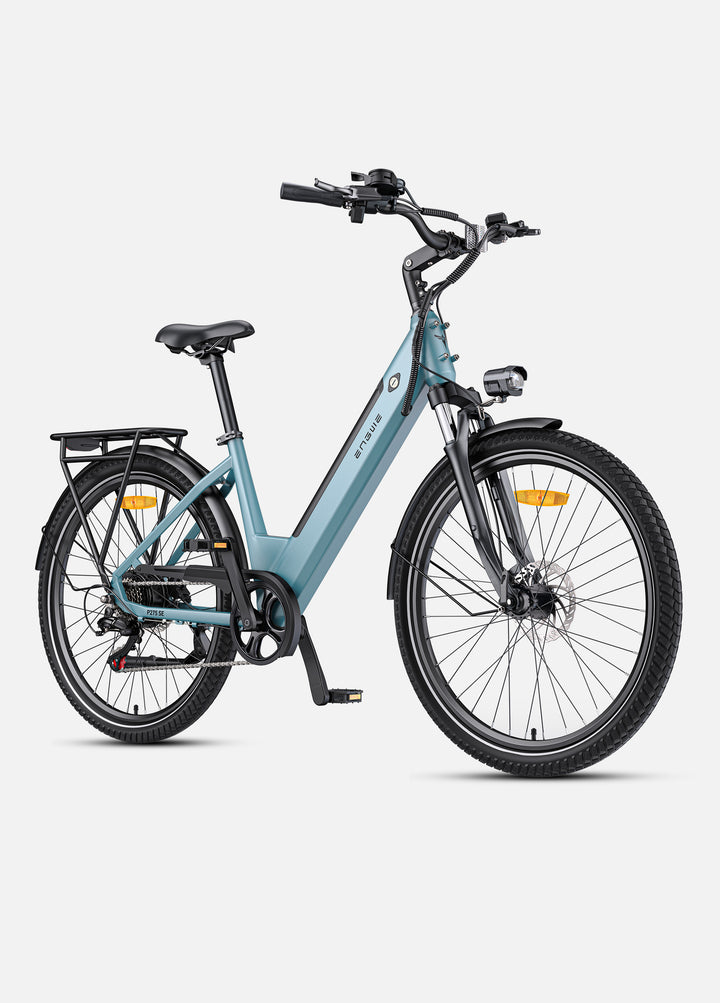
ENGWE E26
The ENGWE E26 is a practical example of the best ebike hub motor configuration. It has a powerful rear hub motor with a large capacity battery and 26-inch tires which are used to provide stability on mixed terrain.
The system provides predictable torque during urban riding, light trail and moderate hilly conditions and mechanical simplicity. The rear hub design enables the ENGWE E26 to give a steady propulsion without straining the bike to execute propulsion via its drive systems.


Aventon Aventure.2
Another famous rear hub motor ebike is the Aventon Aventure.2. It is constructed with a torque-sensing rear hub motor, fat tires, which provide assured acceleration and handling. The best hub motor ebike solutions are common with riders who desire simple power delivery and a low level of driving gearing.

Mid Drive Motor
Mid drive motor is located in the mid-point of the bike frame, which is close to the crankset. It does not directly run the wheel; rather, it runs the chain and operates via the gears on the bike. This enables the motor to utilise the gearing ratios, making it efficient and climbable.
Mid-drive systems are appreciated for:
- Better weight distribution
- Effective gear multiplication of torque.
- Better operation over rough roads.
- Balanced handling
Due to the fact that power is sent through the drivetrain, mid-drive systems are usually more natural and feel more responsive, particularly when on technical hills.

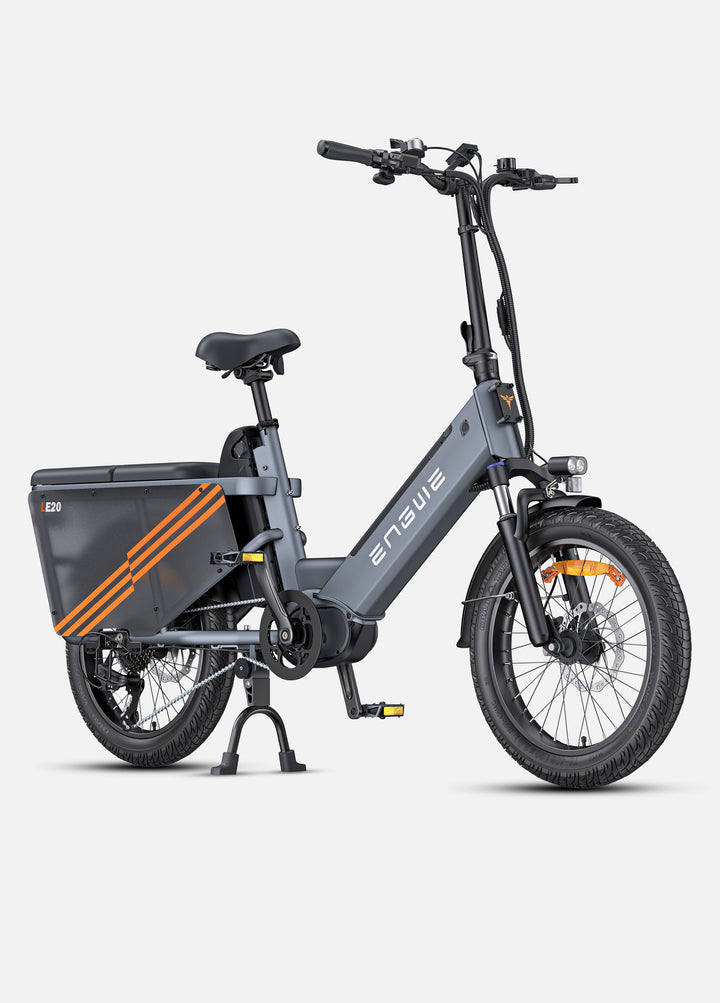
ENGWE L20 3.0 Pro
ENGWE L20 3.0 Pro is based on a mid-drive motor with high torque. Its motor, which is centrally located, enhances balance and stability, especially during climbing or carrying cargo. Together with the full suspension and a torque sensor, the ENGWE L20 3.0 Pro is focused on controlled and effective performance on hills at the expense of sheer speed.
The mid-drive design enables the bike to take advantage of its gearing mechanism, and it is in this way well adapted to diverse urban terrain and steeper hills.


Trek Allant+ 7
The Trek Allant+ 7 is one of the well-known mid-drive electric bikes with a Bosch mid-drive motor. Having centralised weight distribution and gear-aided delivery of torque, it represents the reason why mid-drive systems are primarily preferred over others in performance-oriented commuting and longer travelling.

Why Two Motors Beat One
A single best ebike hub motor may offer impressive wattage, but all that power is delivered to just one wheel. That wheel can have a slip, especially in aggressive climbing. Power is distributed with a dual hub motor ebike. The front hub motor ebike rides on the pull and the rear one on the push. Such uniformity will minimise the load on individual motors and enhance stability.
Dual motor hub motor riders of hills are likely to find the best hub motor ebike to be much more confident than the best ebike rear hub motor alone.

Efficiency and Battery Considerations
One should note that the dual motors are more consuming. Running two ebike hub motors simultaneously drains the battery faster than a single-motor configuration. Nevertheless, most current systems enable the riders to dual- or single-mode. This implies that you will be able to save energy over flat terrain, and will only switch on both motors during climbing.
Who Should Choose Dual Hub Motors?
A dual system is ideal for:
- Mountain climbers.
- Riders with high weight, such as heavy riders, require additional torque.
- Off-road enthusiasts
- All-weather commuters
In case you have to go around hills in your daily schedule, a dual-drive hub motor ebike can make the whole process of riding one that does not require any effort to climb.

Choosing the Best Ebike Hub Motor Setup
When searching for the best ebike hub motor, consider more than wattage. Check out torque ratings, quality of the controller, braking systems and battery capacity.
A dual hub motorebike can be very effective when it is important to achieve maximum performance on the hill. However, only one rear hub motor ebike is perhaps all you need when riding on moderate, flat urban roads.
Final Thoughts
An ebike hub motor is simple, powerful, and reliable. However, on steep hills, traction and torque are more important than simplicity. A dual hub motor ebike will provide excellent climbing power, better grip, and stability by having a front hub motor and an ebike rear hub motor.
Although mid-drive systems also perform well, the dual hubs are a competitive alternative to those riders who seek a serious performance in uphill climbs. Two motors really can be better than one, especially when you need to climb hilly terrain.
Frequently Asked Questions
How does an ebike hub motor work?
An ebike hub motor works by converting electrical energy from the battery into rotational force inside the wheel hub. The hub motor on the electric bike turns the wheel directly, and it offers the bike propulsion without the use of a chain or gears.
What is a rear hub motor ebike?
A rear hub motor ebike is an electric bike where the motor is fitted to a hub of the rear wheel. This design offers a natural conducting feel and usually has better steering on a slope than a front hub motor development.
Is a dual hub motor ebike better for hills?
An electric bike with a dual hub motor gives power to both wheels, which enhances traction and torque distribution. This lowers the wheel slip, and steep climbs are more manageable than with a single hub motor ebike.
Ebike hub motor vs mid drive: which is better?
In the ebike hub motor vs mid drive debate, mid-drives use the bike's gears for torque efficiency, while hub motors provide simpler, low-maintenance power delivery. On steep climbs, dual hub systems are able to compete with mid-drives because of dual-wheel traction.
What is the best ebike hub motor for climbing?
The best ebike hub motor for climbing depends on terrain and rider weight. A best ebike rear hub motor provides a rider with better traction, but a dual hub motor can offer the highest hill-climbing capability.