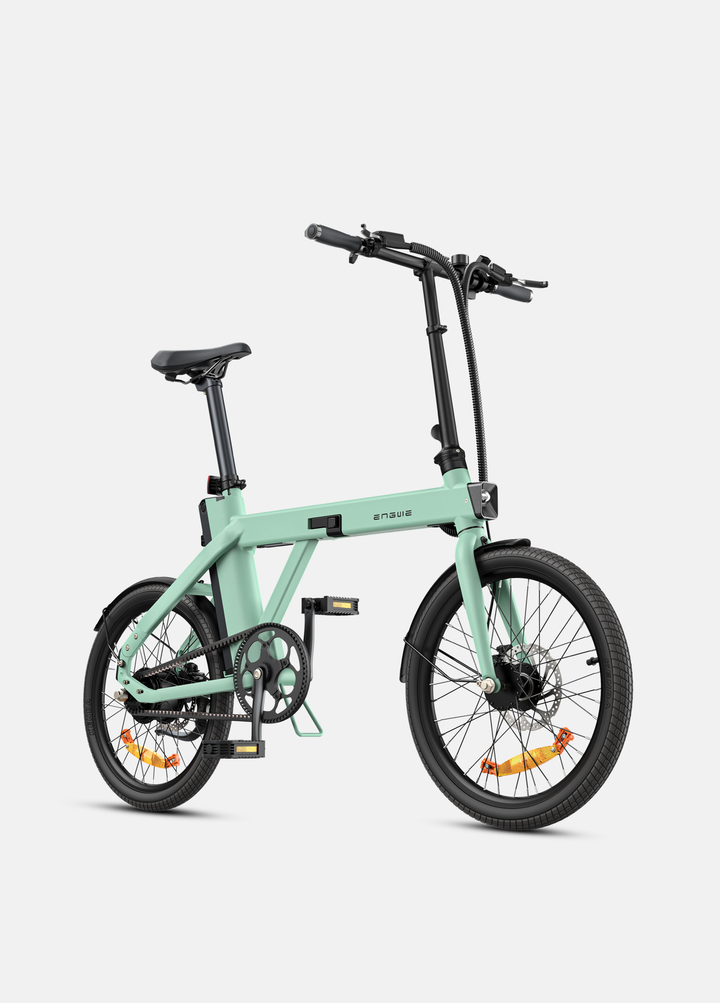
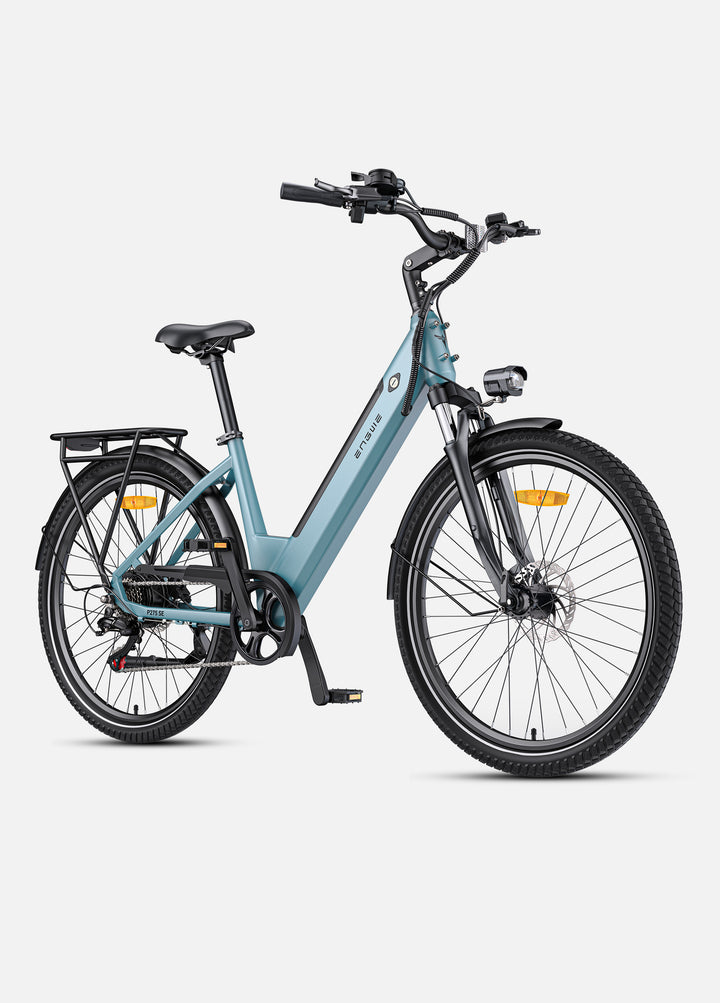
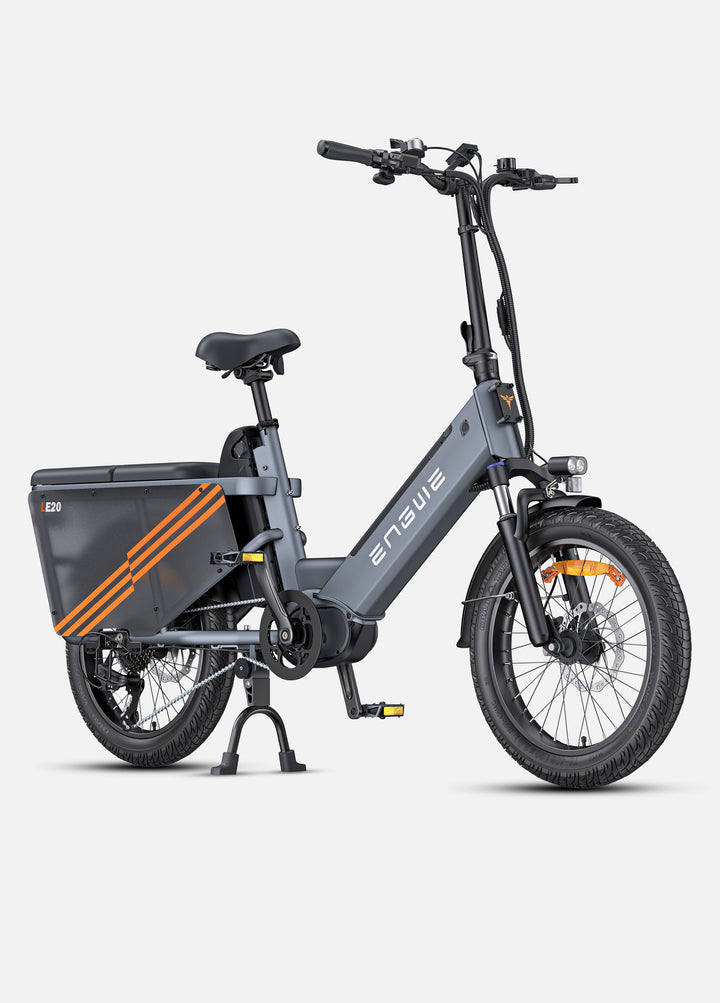
Choosing between a dual motor ebike and a single motor electric bike can be a tough call. As electric bicycles gain popularity, knowing the key differences can help you make the right choice.
This guide breaks down the performance and things to think about for both setups to help you pick the one that's best for you.
Understanding Dual Motor Electric Bike Technology
The dual motor ebike is equipped with two independent motors. Single motor systems rely on just one wheel to propel the bike, but an ebike dual motor sends power to both wheels.
The tech behind dual motor systems is pretty advanced. These bikes usually come with different drive modes you can switch between, like running the rear wheel, front wheel, or both at the same time. This flexibility is a big part of what makes dual motor dual battery ebike models so attractive.
ENGWE is a well-known brand in the electric bike market, thanks to their reliable single motor models. Their ENGWE Engine Pro 2.0 packs a punch with its high torque output and full suspension. This just goes to show that single motor systems can still bring the heat for outdoor adventures.

Power and Performance Comparison

When it comes to raw power, dual hub motor ebike systems have a clear advantage. Single motor ebikes usually run on motors between 250 watts and 750 watts. That's a lot of variation in power. In contrast, dual motor setups can deliver a combined output of 1,500 to 2,000 watts.
The best dual motor ebike models can move 30 to 50 percent faster from a standstill than single motor models. You'll really notice the difference when you're merging into traffic or hauling heavy loads. With two motors working together, they can deliver a serious boost of power. That makes tough climbs feel a lot more manageable.
Single motor systems, like the one in the ENGWE EP-2 3.0 Boost, show that one motor can still deliver great performance. It packs 75 newton-meters of torque. This shows that single motor designs can handle everyday riding really well.

Traction and Terrain Handling
The dual motor fat tire ebike setup shines in terrain where traction matters. The front motor pulls and the rear motor pushes, creating a balanced feel. On the other hand, single motor ebikes can have a tough time on really steep hills. Studies show that single motor bikes usually do well on slopes of 10 to 15 degrees. This makes the dual motor off road ebike a great choice for adventure riders.
For hunting, the dual motor hunting ebike offers all-wheel drive makes things easy for hunters. Hunting models usually come with camouflage patterns and quiet motors.
Battery Life and Range Considerations

Battery usage is a big factor. The dual motor dual battery ebike setup needs a lot more energy to run both motors. When both motors kick in at full speed, battery drain can jump by 20 to 30 percent.
Most dual motor ebike systems usually give you 30 to 50 miles of range, while single motor bikes can go 50 to 70 miles on a similar battery. This range difference makes single motor options a better choice for commuters. But some models with dual batteries help even things out by offering more range.
The ENGWE M20 shows how makers tackle range worries in single motor bikes. Its dual battery system is the key.

Weight and Portability Factors
Weight is another key factor. The dual motor folding ebike offers compact convenience but adds some heft with two motors. Usually, dual motor systems weigh an extra 15 to 25 pounds over similar single motor bikes.
That extra weight changes a few things about ownership. Getting the bike onto car racks or navigating tight spots is trickier with heavier dual motor setups. The dual motor step thru ebike design makes it easier to mount, but the weight is still something to consider when transporting it.
Single motor folding options, like the ones from ENGWE, are lightweight, making them a practical choice for commuters.
Cost Analysis and Value

Price differences between dual and single motor ebikes can be quite noticeable. Dual motor systems usually run about 30 to 50 percent higher than similar single motor models. This is because they have extra parts. The cheapest dual motor ebike options kick off around 900 to 1,200 bucks, while top-end models can go over 4,000 dollars.
The ENGWE EP-2 Boost is a great example, with a price that's on par with other European options. It's got torque sensor tech and can handle various terrains, all at a lower cost. If you mostly ride for commuting, a single motor bike can deliver great performance.

When checking out the best dual motor ebike 2025 options, you should think about whether the performance perks are worth the extra upfront cost. Having two motors means double the parts that might need servicing.
Suspension and Ride Quality
The dual motor full suspension ebike setup is the top tier in the electric bike scene. These bikes mix the power of dual motors with advanced suspension. Full suspension really shines when the added weight affects how the bike handles on bumpy trails.
Single motor bikes can have great suspension systems, too. The ENGWE Engine Pro 3.0 Boost has full suspension. This shows that you don't need dual motors to get a high-end suspension.

Speed and Legal Considerations
The fastest dual motor ebike models can hit speeds from 35 to 46 miles per hour. But speed laws differ a lot and many places cap ebike speeds at 20 or 28 miles per hour. So, the performance of those dual motor systems might go beyond legal limits.
Single motor ebikes tend to ride within the law more easily. European models from ENGWE stick to the rules with 250-watt motors and a top speed of 15.5 miles per hour. In the US, single motor bikes with 750-watt motors stay within Class 2 or Class 3 ebike laws.
Specialized Applications
The dual motor moped style ebike models blend electric bikes and motorcycles. These options attract riders who want both power and style.
For use cases like hunting or riding year-round in icy areas, dual motor systems start to make more sense. Their superior traction and power delivery are worth the extra cost and weight.
Making Your Decision
The decision between a dual motor and single motor ebike comes down to how you plan to use it and what you're willing to spend. If you're hitting the trails, a dual motor system gives you the traction and power you need. On the other hand, single motor bikes are generally more efficient and weigh less, making them a great choice for casual rides.
Finally, if you often ride on seriously steep slopes or need to accelerate quickly, consider a dual motor e-bike. On the other hand, if you're looking for more range or mostly ride on paved roads and moderate hills, a single motor e-bike might be the way to go.
Brands like ENGWE offer quality single motor ebikes at various price points. Their models include modern features like torque sensors and dual battery systems that tackle many of the concerns riders have. Finally, for most riders, a well-designed single motor ebike provides the performance and reliability they need.
Frequently Asked Questions
What is the main advantage of a dual motor ebike over a single motor?
The main perk of a dual motor ebike is its awesome traction and power across both wheels. This all-wheel drive setup grips slippery surfaces, plus it speeds up quickly. Dual motors handle steep hills easily and stay stable, even when you're carrying heavy stuff.
Are dual motor ebikes worth the extra cost for daily commuting?
For most commuters, dual motor ebikes are overkill unless you're dealing with super steep hills. A single motor does the job on paved roads and slight inclines, plus it saves you money on the purchase price and battery life. But if you're into off-road adventures or live in the mountains, the extra cost of dual motors is worth it.
How much does a dual motor system affect battery range?
Dual motor systems generally cut range by 20 to 30 percent compared to single motor bikes with the same batteries. For instance, a single motor bike might get 50 to 70 miles on a charge, while dual motor bikes often get 30 to 50 miles. To offset this, many dual motor bikes offer bigger batteries or the option for a second battery.
Can you use just one motor on a dual motor ebike?
Most dual motor ebikes let you pick which motor kicks in or use both at once. You can usually choose between rear-wheel, front-wheel, or all-wheel drive. Running on a single motor saves battery life and cuts power use when riding gets easy.
What is the best type of ebike for beginners?
New ebike riders usually get the most out of single motor bikes with step-through frames. These bikes make it easier to get on and off, weigh less, and have enough power to learn on. Single motor setups are also more forgiving and use the battery more efficiently - which is perfect for people just starting out.