Many riders are now considering the electric bike vs regular bike decision more carefully than ever. We've had conversations with people in the same spot: some who just want a faster commute, others who love the physical challenge of riding old-school, and plenty who just want to ride for the joy of it on weekends.
The truth is, neither option is better across the board. But one is probably better for you, depending on how you ride, where you ride, and what matters most to you.
Let’s break it down in real terms, then look at a few bikes I’ve worked with or personally recommended. No fluff. Just what you actually need to know before spending your money.
What Is an Electric Bike?

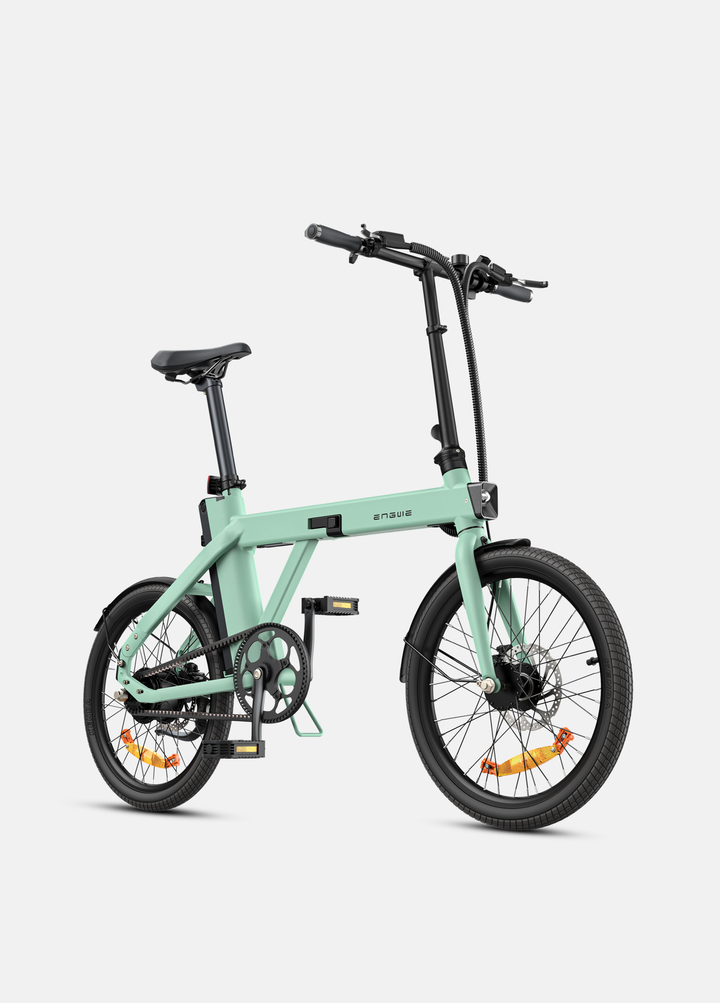
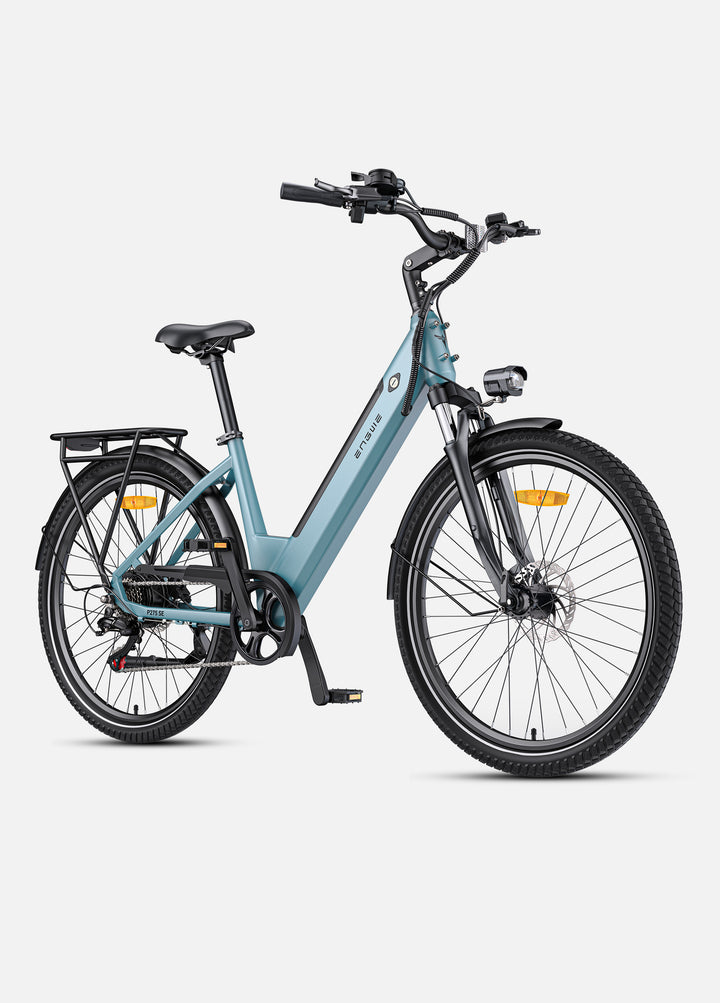
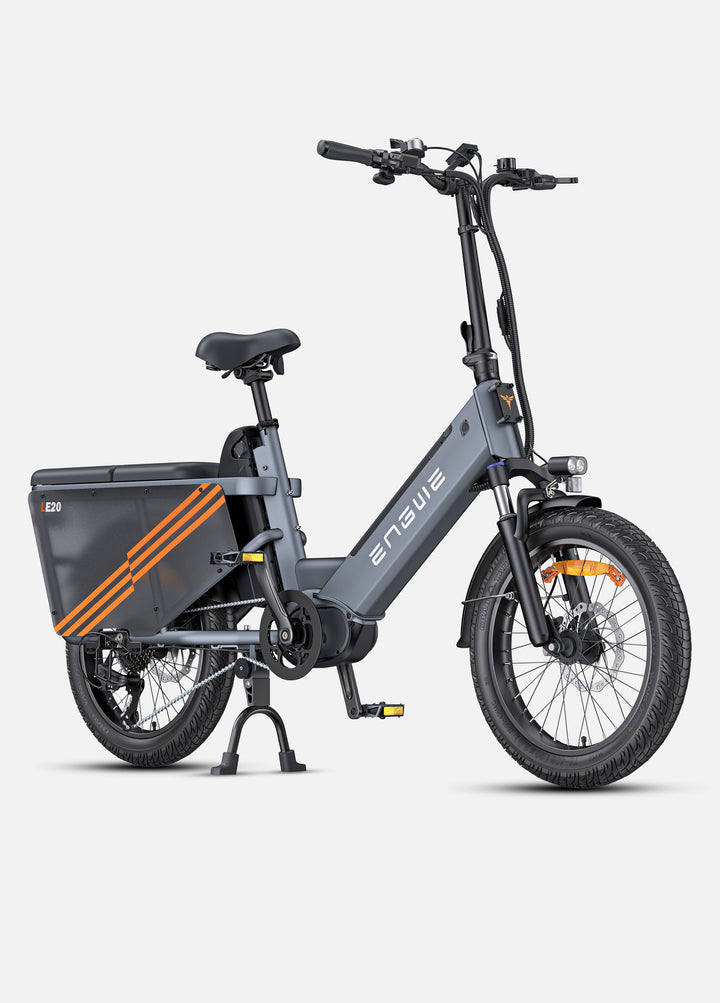
An electric bike, what most people call an e-bike, has a motor and battery built in to assist your pedaling. You’re still doing the work. But when you need a hand, especially going uphill or covering longer distances, that motor gives you just enough support to keep things smooth.
Most modern e-bikes let you control how much assistance you want. Some even have throttle-only modes (where you don’t have to pedal at all), but most rely on pedal-assist.
Pros of Electric Bikes
Electric bikes make riding easier, period. Whether you're climbing steep hills or commuting to work, the motor support takes the strain off your legs. People can go to their destination faster, and they can ride longer without getting tired. For many people, that means riding more often, and that is where the real benefit lies.
Cons of Electric Bikes
The downside is undoubtedly weight and complexity. Most e-bikes are heavy (over 30), which makes them hard to carry. You’ll also need to stay on top of battery charging, and repairs can get expensive if electronics fail. These trade-offs can be frustrating for people who want something simple.
What Is a Regular Bike?
A regular bike is exactly what it sounds like: no motor, no battery, just muscle. It’s human-powered, simple, and time-tested. There are dozens of types, from road and mountain bikes to hybrids and cruisers. What they share is a lightweight frame and the joy of earning every kilometer you ride.
Pros of Regular Bikes
The beauty of regular bikes is in their simplicity. There is no motor to think about or battery to charge. Just you, the pedals, and the road. They’re also easier to carry and give you a real sense of connection to the ride. For people who love the physical part of cycling, that matters more than any feature list.
Cons of Regular Bikes
Still, traditional bikes aren’t for everyone. There are countless cases where people wanted to ride regularly but gave up because of steep hills or just not having the stamina for longer trips. When you have to push through every incline and muscle your way home, it can start to feel like a chore.
Now, we’ll talk about specific electric and regular bikes and tell who they’re really for.
Key Differences: Electric Bike vs Regular Bike
|
Feature |
Electric Bike |
Regular Bike |
|
Effort Required |
Low to moderate (pedal assist) |
Full physical effort |
|
Weight |
30-40 kg (heavy) |
10–15 kg (lightweight) |
|
Maintenance |
Higher (battery, motor, drivetrain) |
Lower (basic mechanical upkeep) |
|
Range/Distance |
40–140 km, depending on battery/mode |
Unlimited (limited by your body) |
|
Cost |
Higher upfront + battery replacement |
Lower upfront, cheaper to repair |
|
Best For |
Commuters, seniors, hilly routes |
Fitness, simplicity, portability |
Which Bike Is Right for You?
Here is a deeply honest take:
Electric bikes are good if you commute daily for long distances or are getting back into riding after a long time. They’re also perfect for people with joint issues.
But if you’re focused on fitness and love the challenge, go on a regular bike ride. They’re also great if you live in an apartment or move your bike often.
Electric Bike Recommendations
Engine Pro 2.0
Engine Pro 2.0 is a muscular, go-anywhere folding e-bike. The 20x4” fat tires give it real bite on sand, snow, or rough city roads. But what really makes it stand out is the torque sensor and 75 Nm of torque. It responds naturally to your pedaling effort. You feel in control all the time.
The folding frame makes it great for people with limited space, though it’s not light at 31.6 kg. We would recommend this for weekend adventurers, delivery riders, or city commuters who want something compact but powerful. Just keep in mind it’s more of a small tank and no urban cruiser.

ENGWE E26
For taller riders or anyone wanting a full-sized frame, the ENGWE E26 is solid. It’s one of the few bikes in this price range with hydraulic disc brakes and front+rear 180 mm rotors, which makes a huge difference in wet conditions or stop-and-go traffic.
It climbs well (up to 30° inclines), and the 140 km range in PAS mode means you’re rarely worried about charging. Between the high-step and step-thru options, we’d recommend city commuters or rural riders toward this one, especially if they’re replacing a car for errands.

Fiido Nomads Touring E Bike
Want distance and flexibility at the same time? With a 3-battery structure and up to 147 miles of range (with all batteries), it’s made for touring or serious commuting.
The 9-speed Shimano system makes gear transitions smooth, and while it doesn’t have the most aggressive motor (45 Nm), the torque sensor balances that out for a smooth, controlled feel.
It is perfect for tall riders (up to 205 cm), which is rarer than you'd think. If you’re planning long-haul rides or just don’t want to charge every day, the Nomads is worth looking at.
Best Regular Bike Recommendations
Gravity Avenue A
It is one of the better aluminum-frame road bikes under $500. It is not flashy. But its geometry is very smart – it gives you that forward-leaning posture without being aggressive.
The Shimano 14-speed setup covers most terrain, and the 700x25c tires roll fast without punishing you on bumps.
This is great for someone who’s getting into cycling for fitness or commuting on flatter terrain. It’s not built for trails or heavy loads, but for sheer efficiency and weight (around 25 lbs), it punches above its price.
Nishiki Tamarack Comfort Bike
If comfort is your top priority, this is the one. Seniors, casual riders, and even people recovering from injuries use this bike regularly. The suspension fork and gel saddle absorb a lot of what cheaper bikes throw at your back.
It’s heavier than you would expect for a non-electric (because of the steel frame and cushy components). But still, the 7-speed drivetrain is enough for moderate city riding.
The bike is great for flat neighborhoods, family rides, or someone who just wants to enjoy a slow cruise.
Final Thoughts
There’s no universal answer here for choosing an electric bike vs regular bike. What works for one rider might be totally wrong for another. What really matters is being clear with yourself: how often do you ride? How far? What kind of terrain? And how much do you want to pedal, day in and day out?
The best electric bikes can open doors. They make riding more accessible, practical, and versatile. But they also come with weight and maintenance trade-offs. Regular bikes are simple and easier to live with day-to-day, if you’re physically up for it.
The best advice we can give is to test ride if you can. Feel the bike under you. It’s the only way to make a fully informed decision.