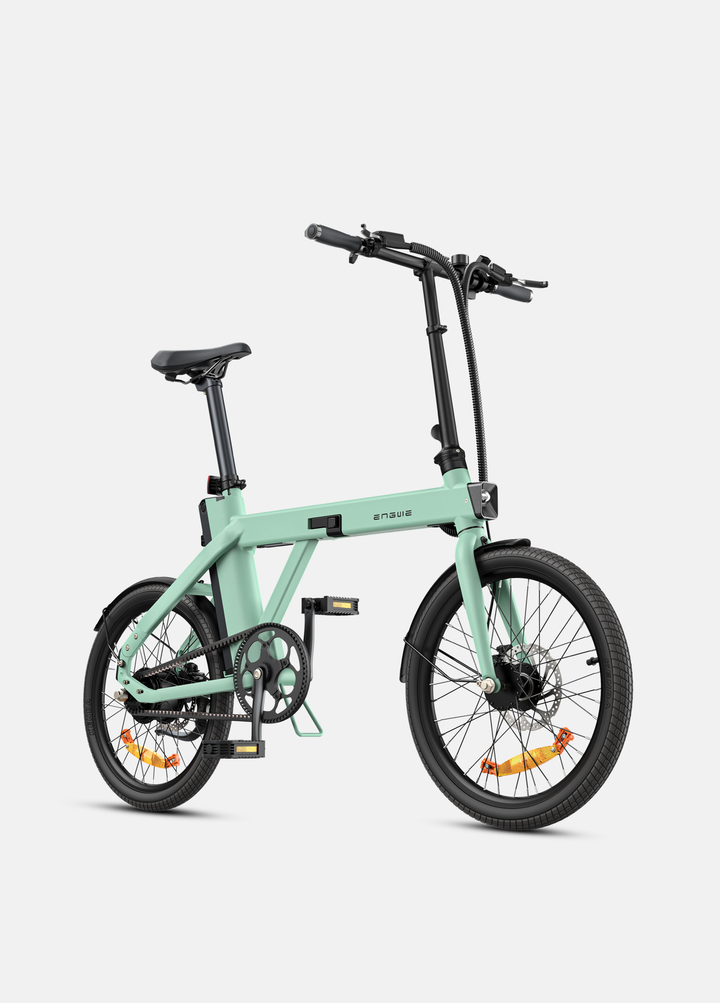
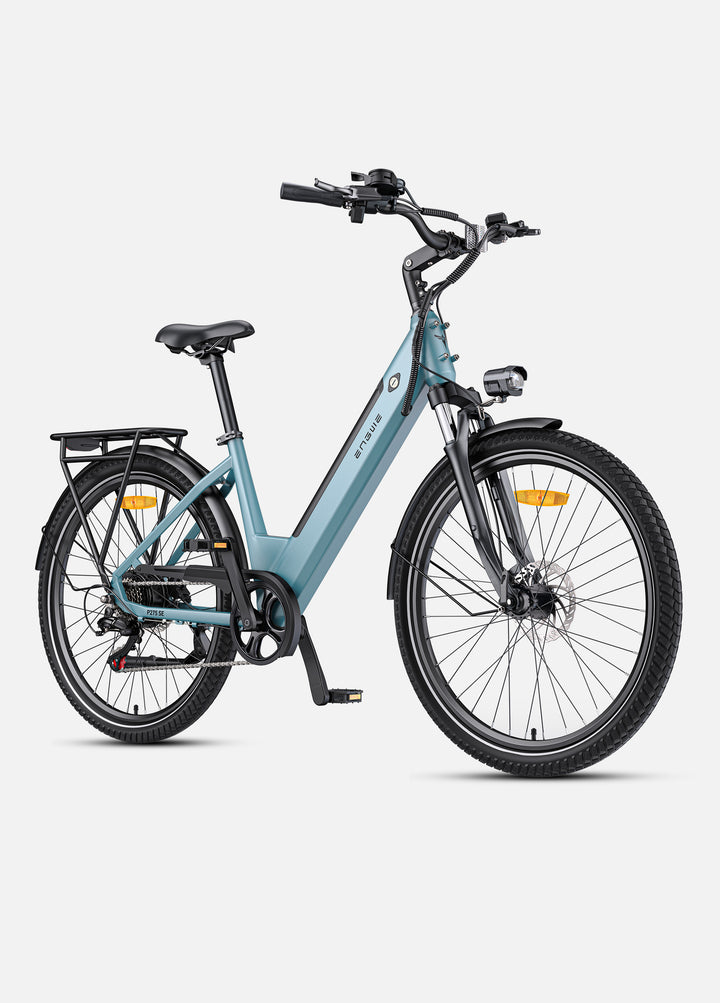
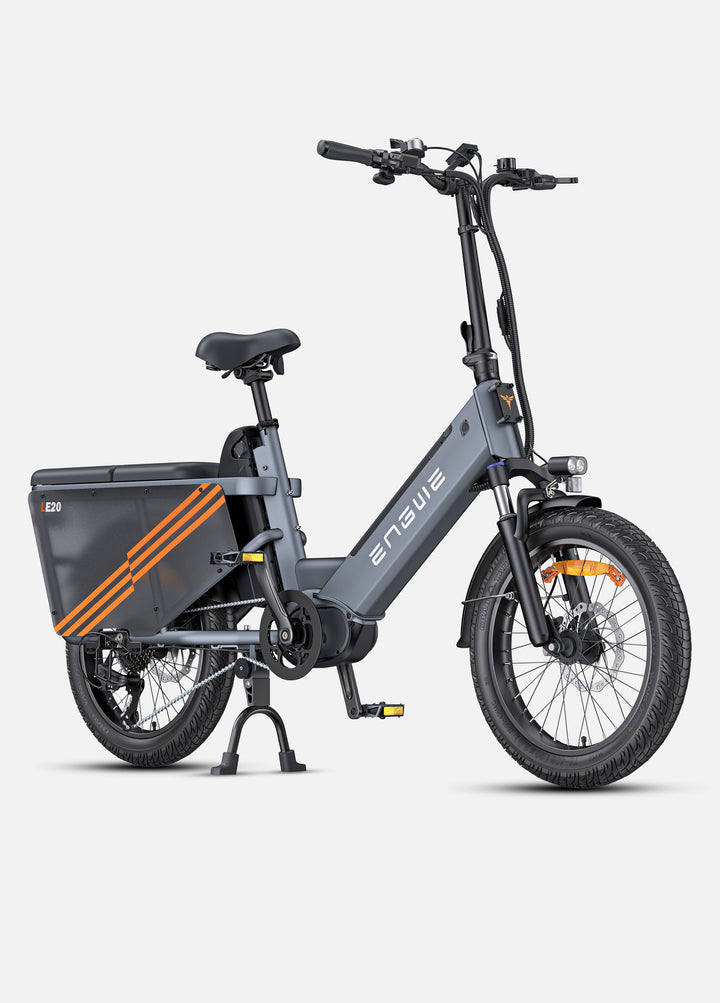
People ask this a lot: Is an electric bike a motor vehicle or not? The reason it matters is simple: if it counts as a motor vehicle, then you need a license, plates, and maybe insurance.
The law is not the same everywhere. In one country, a bike with an electric bike motor is treated just like a normal bicycle. In another place, that same bike could be called a moped or even a motorcycle. The two things that decide it are always the same: how strong the motor is, and how fast the bike can go.
Does an Electric Bike Have a Motor?
Yes, it does. If it didn’t, it would just be a normal push bike. The motor can be in the wheel (hub motor) or near the pedals (mid-drive). Hub motors are cheaper and found on city bikes. Mid-drive motors feel stronger and are used on bikes built for hills and trails.
Power is different too. A 250W electric motor for bike is enough for flat roads. A bigger electric dirt bike motor or electric motor for mountain bike is built for rough tracks and climbing. For kids, brands use smaller electric mini bike motors so they don’t go too fast.
That’s it, an e-bike always has a motor, but the type and size change what the bike can do and how the law sees it.

Legal Classifications of Electric Bikes
The law isn’t the same everywhere. What counts as just a bike in one country might be called a motor vehicle in another. It mostly comes down to how strong the electric bike motor is and how fast the bike can go.
U.S. Regulations
In the U.S., if the motor is 750W or less and the top speed is between 20–28 mph, it’s still just a bicycle. There are three main classes:
-
Class 1: Pedal assist only, max 20 mph.
-
Class 2: Throttle assist, max 20 mph.
-
Class 3: Pedal assist, max 28 mph.
Once you go over 750W, it’s no longer seen as a bicycle. The law puts it in the same box as mopeds or motorcycles.
EU Regulations
In Europe, the limit is lower. An electric motor for bike up to 250W and a top speed of 25 km/h is classed as a bicycle. If the motor is stronger or the speed is higher, the bike is legally a moped or motorcycle.
Other Regions
In places like Canada, Australia, and parts of Asia, the rules are mixed. Most of them follow the same idea: small motors and lower speeds are bicycles, but anything bigger is a motor vehicle.
Dual and High-Power Motors
Some e-bikes don’t stop at one small motor. They come with two motors or a very strong one, and that changes how they ride and how the law treats them.
Dual Motor Electric Bike
A dual motor electric bike has a motor in the front and another in the back. This setup gives more pull, better grip, and easier climbing on hills. Riders call these the best dual motor electric bike for trails and rough ground. The problem is most places don’t class them as bicycles. They are often treated as mopeds or small motorcycles.
High Wattage Motors
A 2000w dual motor electric bike or a bike with an electric mini bike motor is way above bicycle rules. These motors give speed and power, but the law sees them as motor vehicles. In most regions, you’ll need plates, insurance, and a license to ride them.

When Is an Electric Bike Considered a Motor Vehicle?
An e-bike is seen as a motor vehicle once it goes past the legal limits for power or speed.
In the U.S., the line is clear: anything with an electric bike motor over 750 watts or a top speed above 28 mph is not a bicycle anymore. It falls under moped or motorcycle law.
In the EU, the cap is lower. A bike with an electric motor for bike over 250 watts or that rides faster than 25 km/h is no longer classed as a bicycle. At that point it is treated as a motor vehicle.
Once your e-bike passes those limits, you will need a license, insurance, and registration to ride it legally on the road.
Differences Between Ebikes, Mopeds, and Motorcycles
Each of these machines has a motor, but the rules are not the same. What changes is how strong the motor is, how fast it goes, and what papers you need to ride.
|
Type |
Motor Power |
Top Speed |
License/Insurance |
Where You Can Ride |
|
Ebike (within limits) |
Up to 250W (EU) / 750W (US) |
25 km/h (EU) / 20–28 mph (US) |
Not required |
Bike lanes, cycle paths, roads |
|
Moped |
Around 500W–4000W |
30–50 km/h |
Usually required |
Roads only, not bike paths |
|
Motorcycle |
Above 4000W |
50+ km/h |
Always required |
Roads and highways |
Safety and Compliance Tips
Before you buy or change a motor for electric bike, check the rules where you live. The law is different in every place.
If you get an electric motor for mountain bike or an electric dirt bike motor, make sure the power is under the limit for your area. If it’s higher, the bike won’t count as a bicycle anymore.
Don’t remove the speed limiter unless you plan to treat it like a motor vehicle with plates and papers. Even a small electric mini bike motor can throw a kid off. Helmet, pads, and gloves are not optional.
Popular Moped-Style Electric Bikes for Everyday Riders
Not everyone needs a huge motorbike. A solid bike with electric motor is plenty for city trips, groceries, or a ride to work. These bikes keep speed and power inside e-bike laws but still give comfort and range.
Moped-style e-bikes combine motorcycle styling with bicycle functionality. They ride smoothly in the city and can handle small dirt paths, too. ENGWE has two solid options that resemble small motorcycles.
ENGWE M1
ENGWE M1 looks tough, rides smoothly. It’s got 65Nm torque and fat tires that bite into dirt and road. Not too heavy, still easy to handle.
- 250W motor that climbs hills fine
- Big chunky tires for grip
- Can run with one or two batteries
- Front light and disc brakes for safe stops

ENGWE M20
This one feels closer to a mini motorbike. Fat tires, full suspension, and the option for dual batteries if you want long rides. Good mix of city and off-road.
- Front hydraulic + rear air shocks
- Single or dual battery setup (up to 150km)
- Strong steel frame with wide tires
- LED headlight for night rides

Conclusion
A bike with an electric bike motor is not always a motor vehicle. If the motor is small and speed stays low, the law sees it as a bicycle.
When the motor is bigger, like on a dual motor electric bike or a 2000W dual motor electric bike, most places count it as a moped or motorcycle. That means papers, license, and insurance.
The only way to be sure is to check the rules where you live. Pick the right motor for electric bike so you can ride safe and not worry about the law.
Frequently Asked Questions
Does an electric bike have a motor?
Yes, every e-bike has a motor. It can be a hub motor inside the wheel or a mid-drive motor by the pedals.
Is an electric bike considered a motor vehicle?
No, not if the motor is small and speed stays limited. In the U.S. the line is 750W, in the EU it’s 250W. Cross that, and the law calls it a motor vehicle.
What kind of motor is used in electric bikes?
City bikes often use hub motors because they’re simple and cheap. Mid-drive motors are stronger and better for hills. Dirt and mountain bikes use higher torque motors.
Are dual motor electric bikes legal?
Most of the time, no. A bike with two motors usually goes over the legal limit and gets treated as a moped or motorcycle.
Can you put a motor on a normal bicycle?
Yes, you can. Kits are sold to add an electric motor for bike, but once fitted you still have to follow the wattage and speed rules in your area.