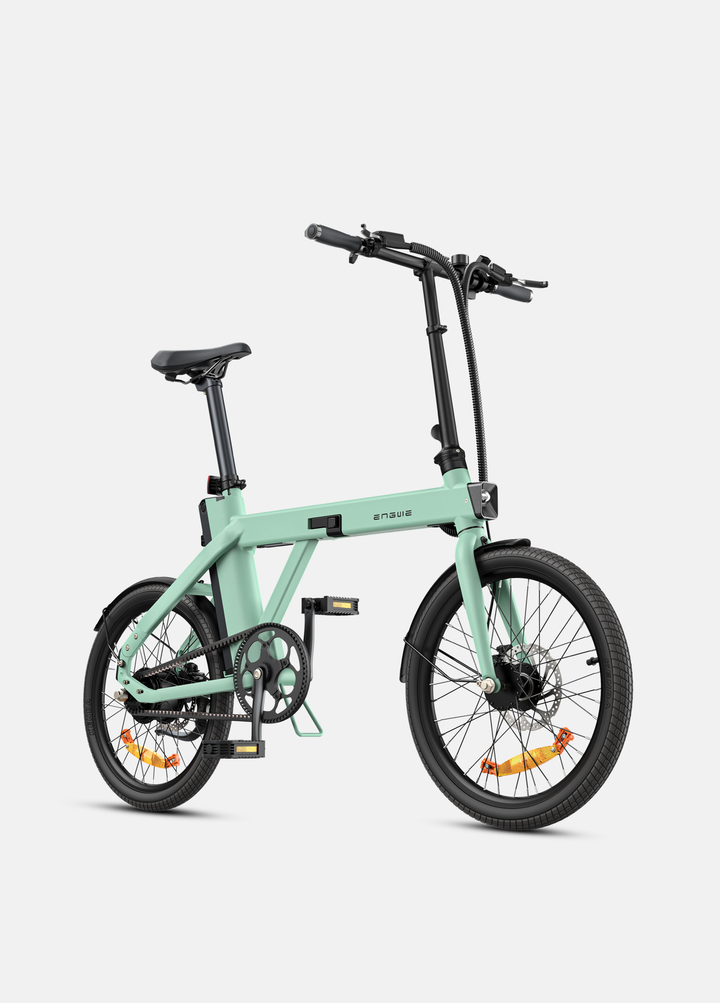
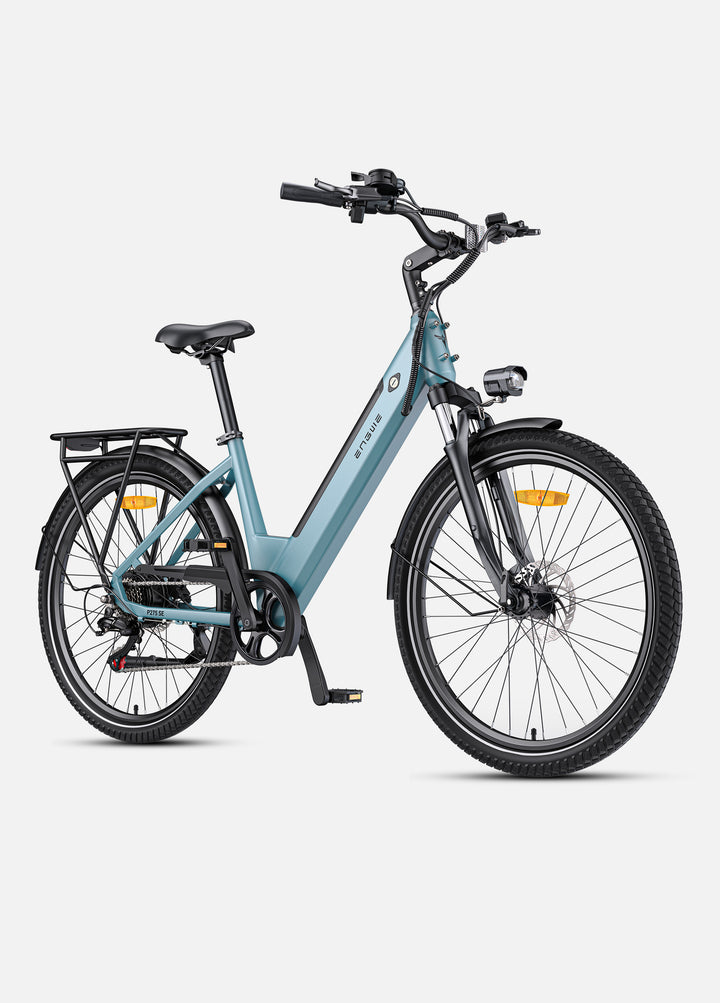
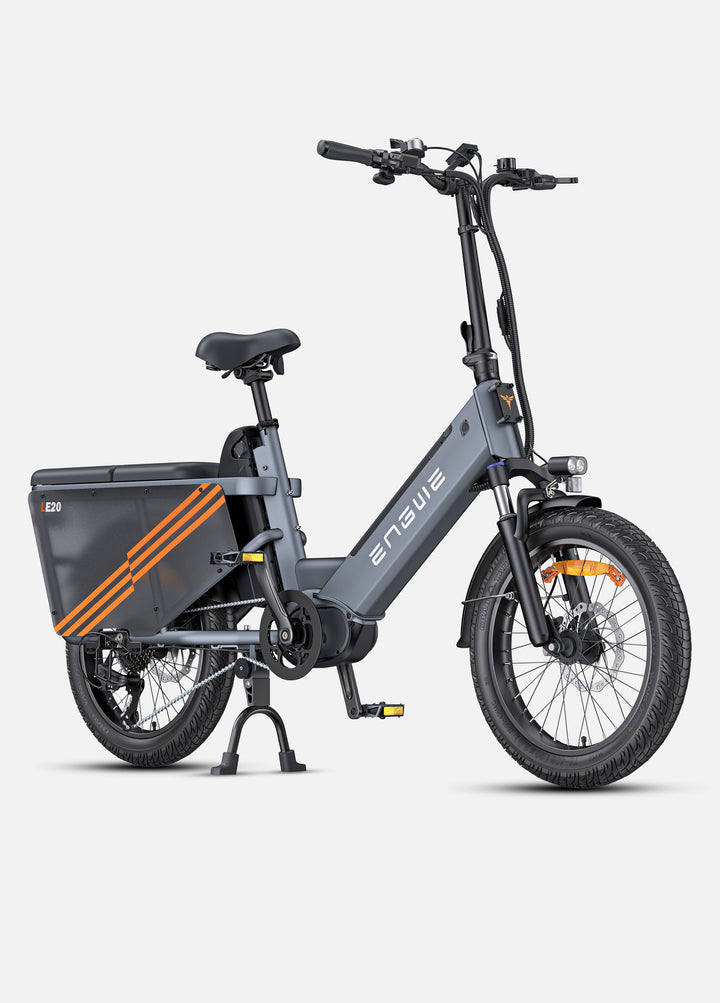
When people buy an e-bike, they usually think about motor power, battery range, gears, etc. But the frame design matters as much. It decides how you’re going to mount or dismount, and so, it significantly changes your riding experience.
Now, most riders don’t know the difference, which makes it important to clarify step-through vs. step-over ebikes. They believe that the difference is nothing more than how high the top tube sits. But once you ride the electric bike for adults of both frames, you realize that this single detail affects comfort, stability, and even the type of rides you’ll want to take. Let’s break it down carefully.
What Are Step-Through and Step-Over Ebikes?
Step-through and step-over ebikes are two of the most common frame styles you’ll find today. Understanding these frame types helps you choose the model that best matches your needs.

Step-Through Ebike
A step-through e-bike is designed with an open frame, usually missing the traditional horizontal top tube. Instead, the frame curves lower, allowing you to swing your leg through instead of over.
A step-through e-bike has a low standover height. This design makes it accessible to a wider range of riders, regardless of flexibility or their experience level. They’re also built with comfort at the core, which you’ll feel when you mount, dismount, or sit.
In real life, step-through frames are perfect in places where riding is more stop-and-go than continuous. City commuting is a good example where traffic lights are part of the daily routine. Riders with mobility issues also find them welcoming. They’re also perfect for casual outings, where you might be riding in jeans or office wear.
Step-Over Ebike
A step-over e-bike, sometimes called a diamond-frame bike, has the classic straight top tube running between the seat post and handlebars. You need to lift your leg over it to mount. This frame design is the most traditional in cycling and is still the go-to for performance bikes and riders who want maximum rigidity.
A step-over ebike carries the traditional triangular frame that cycling has relied on for more than a century. This design is highly rigid, which is why it has better weight distribution if we compare it to open-frame bikes. When you’re pedaling hard, that rigidity translates into more efficient power. This makes it well-suited for riders who want to push themselves.
If you’re riding on rough terrain, this ebike will absorb the pressure of uneven ground without making you feel unstable. And if you’re on a longer ride, especially at a higher speed, the stiffness will reduce the wasted energy and make your bike feel more efficient mile after mile. Riders who want a sportier cycling position also gravitate toward this design.
How Do Step-Through VS Step-Over Ebikes Compare in Comfort and Usability?
A step-through ebike always wins when it comes to comfort. Riders can plant both feet flat on the ground. They also don’t have to wrestle with balance while swinging their legs over. So step-throughs take the pressure off tough moments.
For riders with limited flexibility, joint issues, or those simply wearing clothes that don’t work well with high mounts, the difference is night and day. Even younger, athletic riders find themselves appreciating step-through frames after a long workday when energy is low and convenience matters.
Step-over frames, however, bring their own kind of convenience once you’re riding. Because the frame triangle is stiffer, you feel less frame flex, especially when you’re pedaling hard or carrying extra weight. Riders who stand on the pedals during climbs or who lean aggressively into corners particularly like this responsiveness.
So in daily usability:
Step-throughs = easier starts, stops, and mounting.
Step-overs = more efficient pedaling and more natural if you’re used to traditional bikes.
Which Frame Style Performs for Stability and Durability?
When answering this question, the engineering side becomes more relevant. A step-over frame, with its closed triangle, is naturally stronger and stiffer. It handles higher loads, rougher terrain, and aggressive riding styles with less flex. That’s why mountain bikes and performance road bikes almost always stick with the step-over geometry.
Step-through frames, on the other hand, are known for being less durable because the missing top tube means fewer reinforcement points. But modern designs have closed that gap quite a bit. For urban use, grocery runs, or moderate hills, a quality step-through can hold up just fine.
How Do Style and Design Influence Rider Preference?
The real style is about how the ebike makes you feel. Many riders still prefer step-over frames when they want speed or sports performance. When people see a rider on a diamond frame, the image instantly connects to athleticism. For some, that aesthetic alone is a deciding factor.
Step-throughs, on the other hand, have undergone a quiet rebranding. They’re no longer seen as “women-only’ bikes as riders of all ages and genders now use them. There are even modern step-throughs that look sleek with integrated batteries and hidden cables. Mostly for urban riders, they carry a sense of effortless style as they can jump on in office clothes or step off gracefully.
Step-Through vs. Step-Over: Best Ebike Models for Riders
Each design has standout models that highlight the strengths of its frame type. We’ve selected the two best ebikes with high performance and good user feedback.
Best Step-Through Ebike: ENGWE L20 3.0 Boost
The ENGWE L20 3.0 Boost has a low, open frame that makes getting on and off effortless. Unlike older step-throughs that felt flimsy, this one is solid thanks to its aluminum alloy build and smart geometry.
Riders of different heights, from 5’1” to 6’3”, can use it without a hassle, which is rare. The compact design and suspension make it easy to handle in both city streets and casual trails. It’s proof that step-through can mean convenience without sacrificing confidence.

Best Step-Over Ebike: ENGWE EP-2 Boost
The ENGWE EP-2 Boost stands out because its step-over frame integrates seamlessly with the rest of its build. The bike has a diamond frame, which pairs well with the 20x4.0 fat tires to handle bumps without shakiness. That stiffness also makes the bike more efficient when climbing hills, as less energy will be lost to frame flex.
The internal battery placement keeps the center of gravity balanced, which further enhances the natural stability of a step-over design. For riders who want the traditional frame feel with modern e-bike utility, the ENGWE

nails it.
Which One Should You Choose for Your Lifestyle?
Well, there is no universal answer here. It all comes down to what your lifestyle actually is. But there are several indicators that can point you in the right direction.
Choose a step-through e-bike if:
Need to commute daily and face frequent stops.
Hassle-free mounting and dismounting is what you want.
Have mobility issues or knee and hip sensitivity.
Plan to ride casually in mixed clothing.
Want convenience and not raw performance.
Choose a step-over e-bike if:
Riding on trails or rough terrain.
Value stiffness and long-term durability.
Want a more traditional “bike feel.”
Stand up on the pedals often or push hard when riding.
Prefer the sporty look of a classic frame.
Conclusion
The difference between step-through vs. step-over ebike might look small on paper, but in practice, it significantly changes how you experience every ride.
Neither choice is “better” in a universal sense. It is only about matching the frame to your body and your riding style. If possible, test ride both. The right frame will feel natural. And once you find that fit, the motor, battery, and features simply add to the experience, rather than define it.