The motor or power unit is the essence of any electric bicycle or motorbike. The most important thing is that a buyer can select the appropriate electric motor for bike. The location and construction of the motor determine the way the bike will ride, the way it will provide power, and the overall efficiency of the bike. The technology behind electric motors for bikes can be categorized into two main types: hub motors and mid-drive motors.
It is important to know these differences when you are purchasing a motor for a simple motor for electric bike conversion using an electric motor kit for bike or buying a complete machine.
What Is an Electric Motor for Bike?
An electric motor for bike is the drive unit that converts electrical energy into mechanical power to assist pedaling. The motors of ebikes are designed to work with the bicycle drive system, and have specific limits on the level of torque and speed, as opposed to an electric motor bike (which describes motorcycles).
Modern electric motors for bikes are configured to be efficient, controllable, and durable based on the style of riding and the terrain.

Hub Motors Explained
An electric hub motor for bike is built into the front or rear wheel, delivering power directly to the hub. This design isolates the stresses on the motor by the drivetrain and makes them easy to install.
Hub systems are popular with commuter bikes, folding bikes, and low-budget conversions. Riders looking for electric bike motors for sale often choose hub motors because they’re affordable and low maintenance.
Best use cases include flat city riding, casual commuting, and lightweight builds where simplicity matters more than climbing power.

Mid-Drive Motors Explained
A mid-drive motor sits at the crankset and transfers power through the chain and gears. This allows the motor to take advantage of gear ratios, making it highly efficient on hills and variable terrain.
Riders upgrading an electric motor for mountain bike builds usually prefer mid-drives due to improved balance and torque control. The systems are more natural and responsive, particularly during climbing.
Mid-drives have more powerful chains and cassettes, but are more efficient at load.

Hub vs Mid-Drive: Key Performance Differences
The choice between hub and mid-drive impacts how the bike behaves in real conditions.
The Hubs have the advantage of being easy to predict in terms of power and also being favored by those riders seeking a quiet and relaxing ride. Mid-drive features: The mid-drive systems offer more power at low speeds and are more effective on hills, trails, and heavy loads.
For riders asking what is the best motor for an electric bike, the answer depends on terrain rather than price alone

Motor Options for Different Riding Needs
Different riding environments place very different demands on an electric motor, so choosing the right setup depends on how and where the bike will be used most often.
City and Daily Commuting
Urban riders often prefer hub motors due to their simplicity and minimal cycling of the parts of the drivetrain. Many motors for electric bikes aimed at commuting have been geared towards smooth acceleration as opposed to aggressive torque.
Mountain and Trail Riding
Mid-drive electric motor for mountain bikes is more efficient in steep hill climbing and rough surfaces. Centered weight improves the handling, and gear-assisted torque helps avoid overheating.
Dirt and Off-Road Builds
Conversion to an electric motor for dirt bikes usually requires increased torque and stronger parts in a dirt bike. These motors are not intended for standard ebikes and often exceed legal limits for street riding.
Mini and Youth Builds
An electric motor for mini bike or electric motor bike for kids focuses on low torque and capped speeds. It is essential to have safety, predictable throttle response, and lightweight construction.
High-Power and Dual Motor Setups
A dual motor electric bike for adults has several front and rear hub motors, which enhance its traction. These constructions are appropriate to use with snow, sand, and cargo transportation and demand highly developed controllers and more powerful batteries.

Key Comparison: Hub vs. Mid-Drive
|
Feature |
Hub Motor |
Mid-Drive Motor |
|
Location |
Integrated into the wheel hub |
Mounted at the crank/bottom bracket |
|
Efficiency |
Performs well on flat terrain and steady speeds |
Excels on mixed terrain and changing gradients |
|
Torque & Climbing |
Decent torque, especially with geared hubs |
Superior climbing power by using bike gears |
|
Weight Distribution |
Rear hub preferred for better traction |
Balanced, low center of gravity |
|
Maintenance |
Easier wheel removal and servicing |
Increased chain and drivetrain wear |
Motor Kits vs Integrated Systems
An electric motor kit for bike allows riders to adapt existing frames, which provides flexibility and reduces initial cost. However, integrated systems offer more advantages of weight distribution and factory-tuned reliability.
Riders comparing kits vs factory bikes should consider compatibility, torque demands, and long-term maintenance.
Maintenance and Longevity Considerations
The hub motors are generally long-lasting and less serviced as they do not put a strain on the chain or cassettes. Mid-drives need more servicing of their drives and pay back to riders with efficiency.
Choosing the right motor for electric bike use ensures fewer repairs and more consistent performance over time.

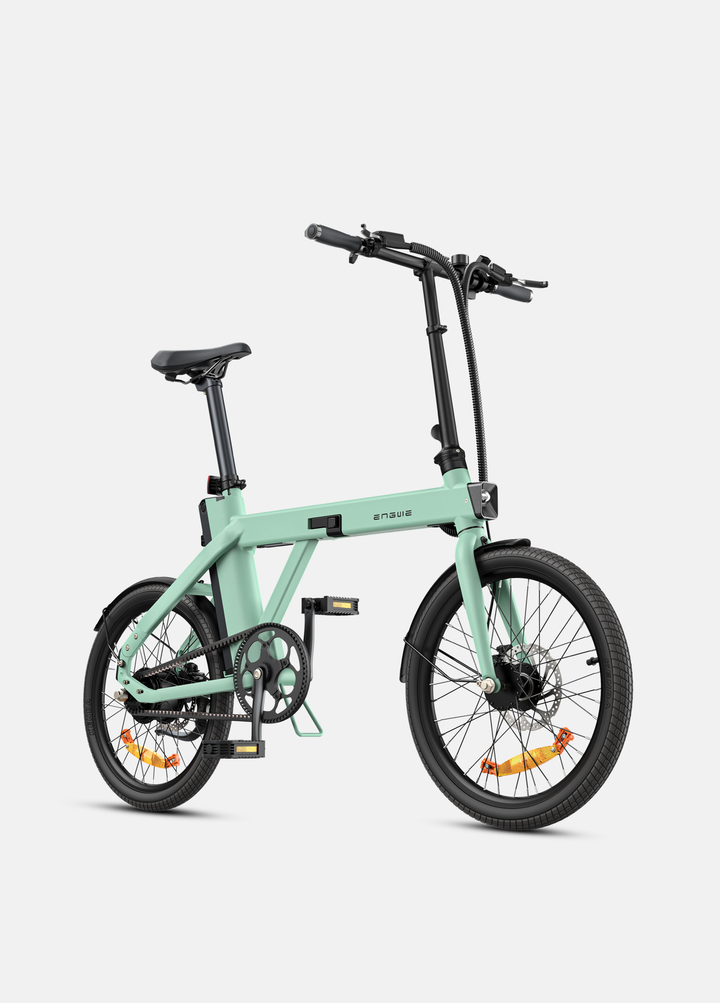
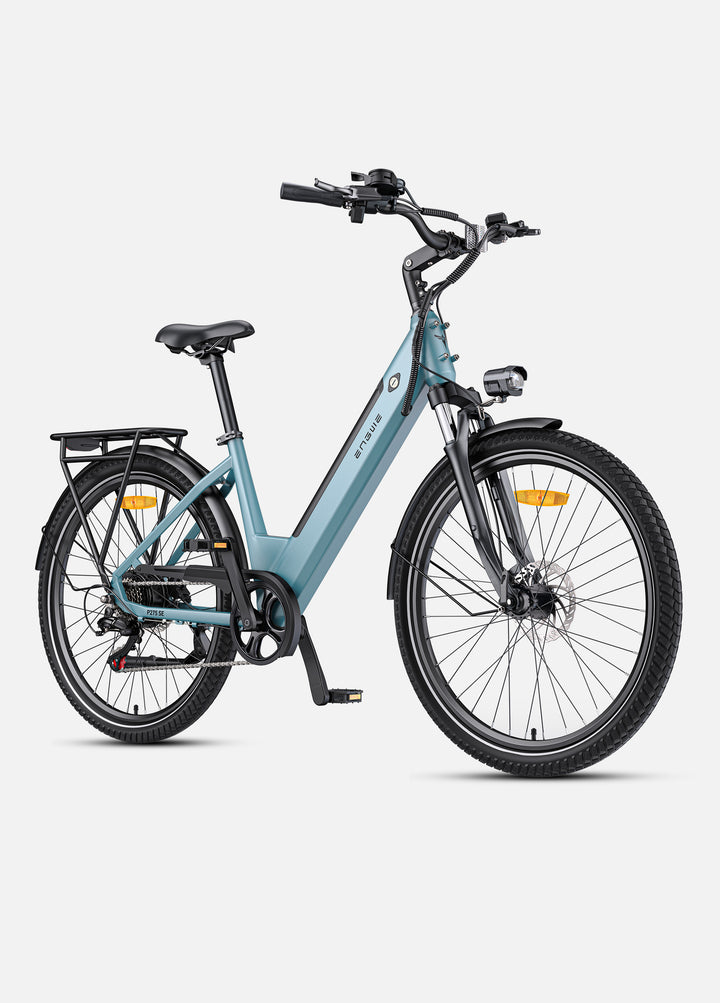
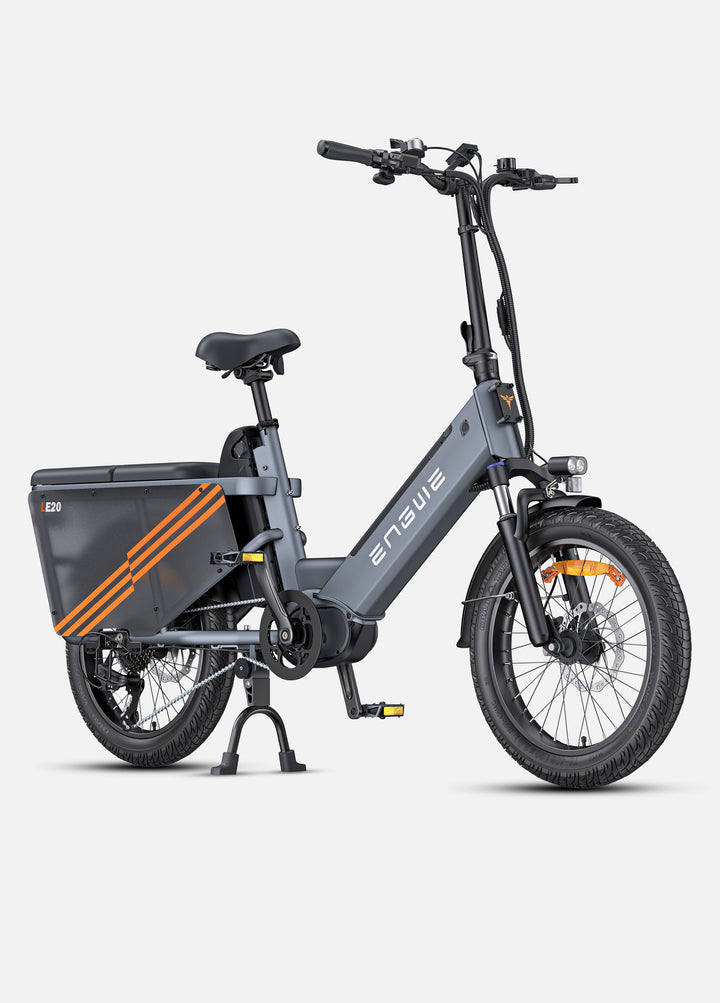
ENGWE Electric Bikes: Practical Examples of Hub and Mid-Drive Systems
ENGWE provides a vivid actual experience of the way various electric motor for bike operate in commuting, urban, and mixed-terrain. Their models feature both the hub-motor and mid-drive models, and hence easy to explain to the riders which type fits their needs.
ENGWE EP-2 3.0 Boost- Hub motor for bike
The ENGWE EP-2 3.0 Boost is a strong example of a rear electric hub motor for bike use. This has a hub-based system, which provides smooth and predictable acceleration that is useful in commuting to cities, light trails, and daily errands. The riders who require a low-maintenance and constant support can find this kind of motor to be convenient in their daily riding.


ENGWE L20 3.0 Pro-Mid drive motor for bike
The ENGWE L20 3.0 Pro shows how a mid-drive system transforms the ride experience of those riders who require greater torque and greater control over hills. Its centrally mounted motor applies power through the drivetrain, improving balance and climbing efficiency. The design is appropriate for riders who are going to face slopes, carry loads, or need to feel more natural on the bike.


Conclusion
The knowledge of how an electric motor for bike works will enable the riders to select a system that suits their environment, riding style, and in terms of maintenance needs. Hub motors are oriented towards simplicity and comfort; the mid-drives are oriented towards control and climbing potential.
The combination of motor type to real-world ride conditions will always give you better results than just the watt numbers
Frequently Asked Questions
What is the best motor for an electric bike?
The greatest motor is based on the hill and riding. Hub motors are best adapted to flat commuting as well as leisure riding, but not hilly and trail riding, as they depend on the gears of the bike to deliver an efficient torque.
Are hub motors better than mid-drive motors?
Hub motors are not as complicated, they are not as noisy, and they do not need much maintenance, which makes them the best for urban riding. Mid-drive motors have better climbing capability and balanced handling, which is handy for mountain and off-road riders. Two of them are not better everywhere.
Can I upgrade my bike with an electric motor kit?
Yes, an electric motor kit for bike would enable you to use an existing frame. There is a need to be compatible with brakes, frame spacing, and the strength of the drivetrain to guarantee safe and reliable performance.
Are electric motor bikes the same as electric bikes?
No. An electric motor bike is a vehicle that is termed to be of motorcycle style. Electric bicycles with pedal-assist motors are not meant to be used in contradiction to the cycling laws and should not be confused with electric motorcycles.
Do dual motor electric bikes make sense for everyday riding?
An adult electric bike with two motors will be better in the snow and sand or when riding up a steep hill, although it is heavier and more complicated. A single, well-suited motor can be more useful and convenient in the case of day commuting.