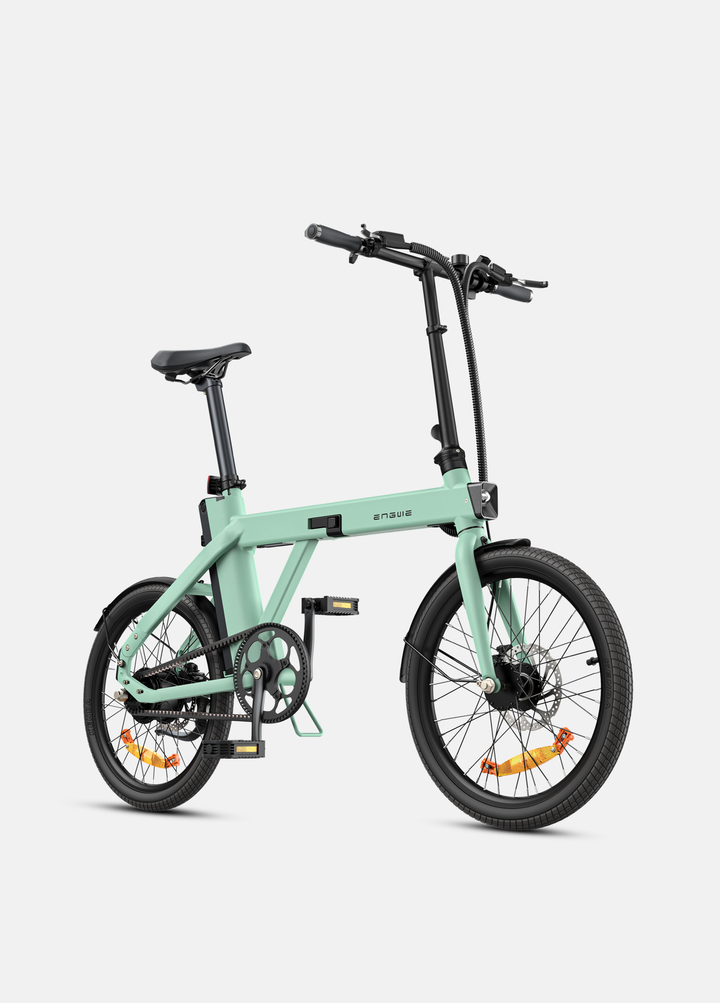
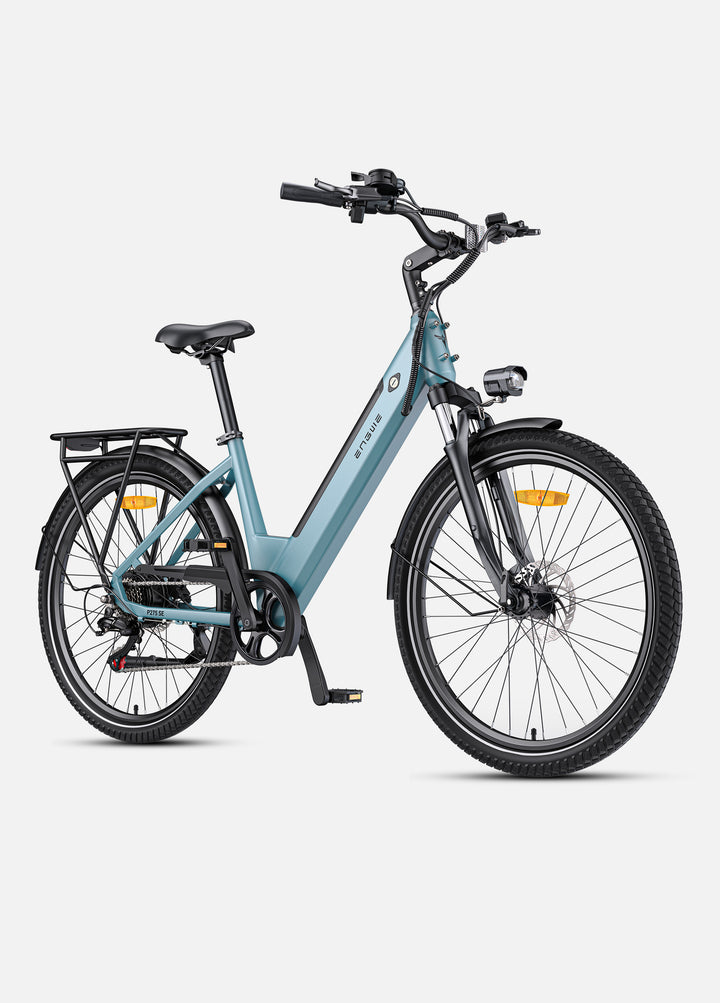
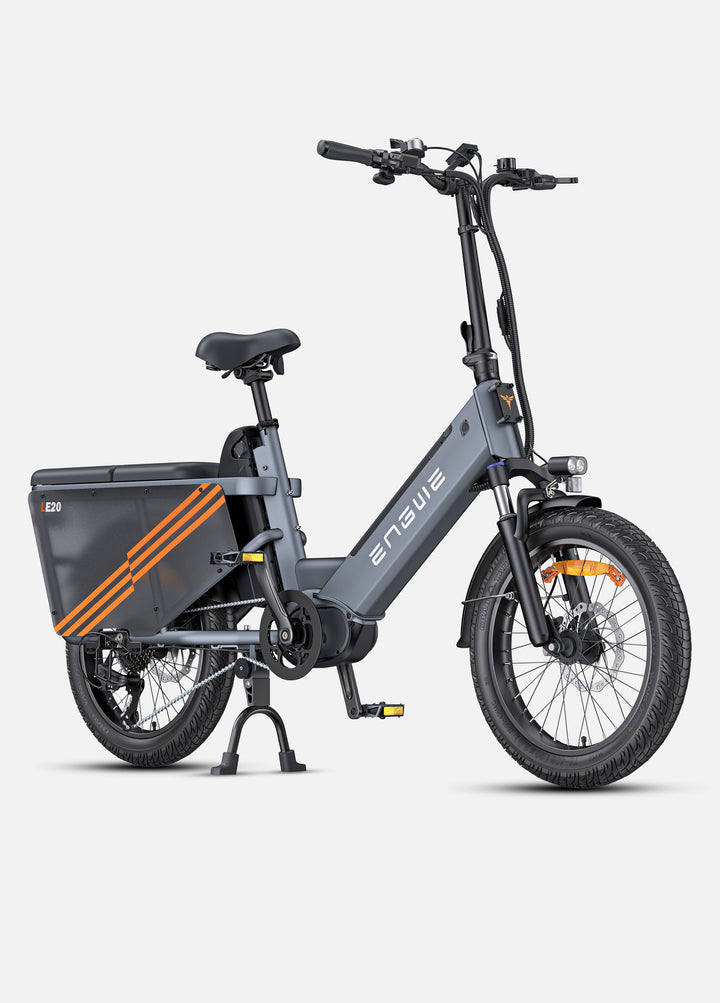
Electric bikes have become various classes depending on the specificity of preferences when riding, the specifics of the terrain, and the legal aspects. The Class 2 ebike is one of the most misinterpreted classes of the ebike, and it is largely due to the fact that it has a throttle, and is legal in most states.
Whether it is your first throttle-assisted bike or a comparison of the ebike Class 1 2 3, it will be important to find out the details and be able to select the bike that fits your lifestyle and local regulations.
This manual describes the meaning of a Class 2 model, throttle mechanism, speed of such bikes as well as their differences with both Class 1 ebike and Class 3 ebike. We also discuss the most effective applications, the type of rider that would suit, legal requirements, and the best ebikes models that would be worth considering.

What Is a Class 2 Ebike?
It is an electric bike that has both pedal assist and a throttle that can accelerate the bike up to 20 mph without peddling. Riders have an option of riding the throttle, the throttle on its own, or a combination of the throttle and the peddle to allow the rider a smooth acceleration.
This contributes to the fact that a Class 2 ebike is the friendliest category since it does not require constant pedaling especially on steep hills, roadblocks or when one is tired. A Class 2 model is considered a bicycle by most states, unlike motorcycles or gas-powered mopeds, and this provides convenient mobility without the need of insurance or registration.
How Fast Does a Class 2 Ebike Go?
The normal Class 2 ebike speed is 20 mph, throttle or under the pedal assist. In a case where the bike reaches 20 mph, the motor will switch off and any extra speed is attained by the rider alone. A Class 3 ebike (28 mph) could be considered by riders desiring more speed, though the Class 3 bikes do not use throttle-only mode.
This is where Class 2 is the sweet spot of:
-
Commutes with traffic stops
-
Riders wanting to get some assistance but not too fast.
-
The daily utility or cargo requirements.
-
Elderly and novices that value throttle support.

Class 1 Ebike vs Class 2 vs Class 3: Core Differences
Before choosing a bike, it’s important to understand how each class differs in power, speed, controls, and legal access.
Class 1 Ebike — Pedal Assist Only (Up to 20 mph)
A Class 1 ebike relies solely on pedal assist, meaning the motor activates only when you pedal. This keeps the riding experience close to a regular bicycle.
Key Points:
-
Speed limit: 20 mph
-
Controls: Pedal assist only
-
Access: Allowed on most bike paths, shared trails, and multi-use lanes
-
Best for: Fitness riders, longer rides, mixed terrain
-
Why choose it: Widely accepted everywhere; feels natural and intuitive
-
SEO note: Covers “Class 1 ebike definition,” “Class 1 electric bike”

Class 2 Ebike — Throttle + Pedal Assist (Up to 20 mph)
A Class 2 ebike includes both pedal assist and a throttle, allowing riders to accelerate without pedaling when needed.
Key Points:
-
Speed limit: 20 mph
-
Controls: Throttle + pedal assist
-
Access: Most bike lanes; some parks/trails restrict throttles
-
Best for: Commuters, seniors, beginners, cargo riders
-
Why choose it: Effortless starts, better hill support, great for stop-and-go traffic
-
SEO note: Covers “Class 2 ebike definition,” “ebike Class 2”

Class 3 Ebike — Pedal Assist to 28 mph (No Throttle)
A Class 3 ebike removes the throttle but boosts pedal-assisted speed significantly.
Key Points:
-
Speed limit: 28 mph
-
Controls: Pedal assist only
-
Access: Streets, bike lanes; NOT allowed on most trails
-
Best for: Long-distance commuting, road cycling, high-speed travel
-
Why choose it: Fastest legal option for public roads
-
SEO note: Covers “Class 3 ebike”

Class 1 vs Class 2 vs Class 3 Ebike: Core Differences
|
Feature / Category |
Class 1 Ebike |
Class 2 Ebike |
Class 3 Ebike |
|
Motor Type |
Pedal assist only |
Throttle + pedal assist |
Pedal assist only |
|
Top Speed |
20 mph (assisted) |
20 mph (throttle or assist) |
28 mph (pedal assist) |
|
Throttle |
No |
Yes |
No |
|
Where You Can Ride |
Most bike paths, shared trails, multi-use lanes |
Most bike lanes; some trails restrict throttles |
Roads, bike lanes; not allowed on most trails |
|
Best For |
Fitness riders, mixed terrain, natural riding feel |
Commuters, seniors, beginners, stop-and-go cities |
Long-distance commuters, road cyclists, speed-focused riders |
|
Legal Acceptance |
Widely accepted almost everywhere |
Accepted in most states with minor trail restrictions |
Most regulated; varies by state and city |
|
Riding Experience |
Smooth, natural, bicycle-like |
Flexible, effortless, user-friendly |
Fast, efficient, powerful at higher speeds |
|
Why Choose It |
Widest access + natural pedaling |
Instant acceleration + easy hill support |
Fastest legal option on public roads |
Benefits of a Class 2 Ebike.
- Offers pedal assist and throttle mode, which enable the rider to have flexibility in stop-and-go traffic.
- Has smoother starts and easy hill climbs with an inbuilt throttle support.
- Perfect to novice riders, older riders and to those who like to accelerate without working hard.
- Provides a smooth and predictable ride, which is why it will be a best seller in the category of ebikes classes.
- Fits well in between Class 1 vs Class 2 ebike preferences- has more power than Class 1 and is not controlled like Class 3.
- The most viable option of the best Class 2 ebikes and the most useful in daily commuting.

Where Can You Ride a Class 2 Ebike?
It is important to know the places that you can legally ride a Class 2 ebike as laws vary in states and cities. Where the ebike Class 1 2 3 models of e-bikes are treated in a similar manner across various locations, some jurisdictions enforce more strict requirements on throttle-powered models. Overall a Class 2 model is acceptable on the majority of the public roads and bike lanes making it easy to use in everyday commuting and travelling through the city.
The Class 2 ebikes may also be used on multi-use paths in many areas with walkers and cyclists. Nonetheless, throttle-based riding might be limited by state parks, off-road mountain trails, and off-road mountain trails.
Such places usually restrict entry of Class 1 ebikes only. The reason is that Class 2 ebike laws are highly diverse; this means that a person needs to verify the local regulations prior to going out, particularly when their path involves trails or nature reserves.
What Kind of Rider Needs a Class 2 Ebike?
This versatility explains why Class 2 is often considered the best Class 2 ebike category among recreational and urban riders. A Class 2 ebike is ideal for riders who:
-
Want flexible throttle use without depending on pedaling
-
Commute in traffic-heavy areas
-
Prefer a more relaxed ride
-
Need mobility assistance
-
Carry cargo or tow small trailers

Top Picks: Best Class 2 Ebikes in 2025
The latest models of Class 2 ebikes combine the smooth throttle power, effective pedal assist, and the commuting features. The following are some of the best choices of riders seeking comfort, control and reliable urban performance.
Rad Power RadRunner 2 – Utility-Focused Class 2 Ebike
The RadRunner 2 is designed as a practical machine, with a modular rack structure that can be used to carry passengers, groceries, or work equipment. The sturdy construction and sitting posture would make it user friendly to beginners; whereas the throttle guarantees easy start at the traffic lights. It is a great representation of a rider-oriented type ebike Class 2 used in everyday activity and commuting.

Aventon Pace 500.2 – Comfort & Performance
Aventon provides comfort at an easy geometry and a responsive motor support. The model is the best choice of riders who desire a combination of comfort and reliable throttle action. Pace 500.2 is a very good bike to use on the smooth roads or in the commutes that require more than the Class 3 speed.

ENGWE P20 – Compact & Commuter-Friendly
The ENGWE P20 stands out as a lightweight folding Class 2 option with smooth handling and predictable throttle response. Its compact aluminum frame, integrated battery, and clean design make it great for apartments, short commutes, or last-mile travel. Riders appreciate its stability at 20 mph and ease of storage, making it one of the most practical Class 2 ebike for sale choices this year.

Lectric XP 3.0 – Affordable Folding Class 2 Ebike
This model is popular among the customers with low income who want to have a foldable frame with good throttle performance. It guarantees the transport of riders with ease to a speed of 20 mph and collapses into cars or other tiny spaces, which qualifies it as one of the best among daily commuters.

Conclusion
Class 2 ebike combines the convenience of throttle with the versatility of commuting with good speed hence its popularity among regular people and beginners as well as those who prefer a quick acceleration. It is not as quick as a Class 3 or as trail friendly as a Class 1.
It is a very versatile type of electric bike, one of the most available and universal types in the market today. Regardless of the differentiation such as Class 1 vs Class 2 ebike or Class 2 Class 3 ebike, this type of category has proven to be a secure and very legal option in comfortable travel.
Frequently Asked Questions
What is a Class 2 ebike?
A Class 2 ebike includes pedal assist and a throttle that propels the bike up to 20 mph. It offers easy acceleration and remains legal in most areas.
How fast does a Class 2 ebike go?
A Class 2 ebike reaches up to 20 mph using throttle or pedal assist. The motor stops providing power beyond that speed.
Is a Class 2 ebike legal everywhere?
Most states allow Class 2 bikes on roads and multi-use paths, but some restrict them on dirt trails or natural-surface routes.
What helmet should I wear on a Class 2 ebike?
Use a certified helmet suitable for 20 mph speeds. Urban riders prefer lightweight commuter helmets; off-road riders choose more protective designs.