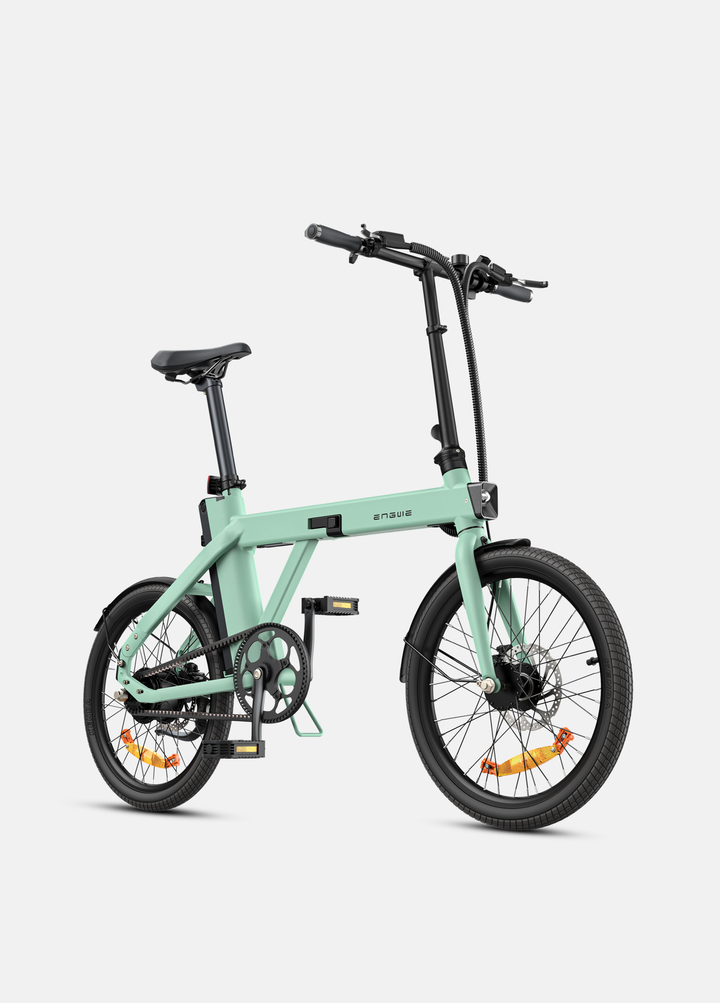
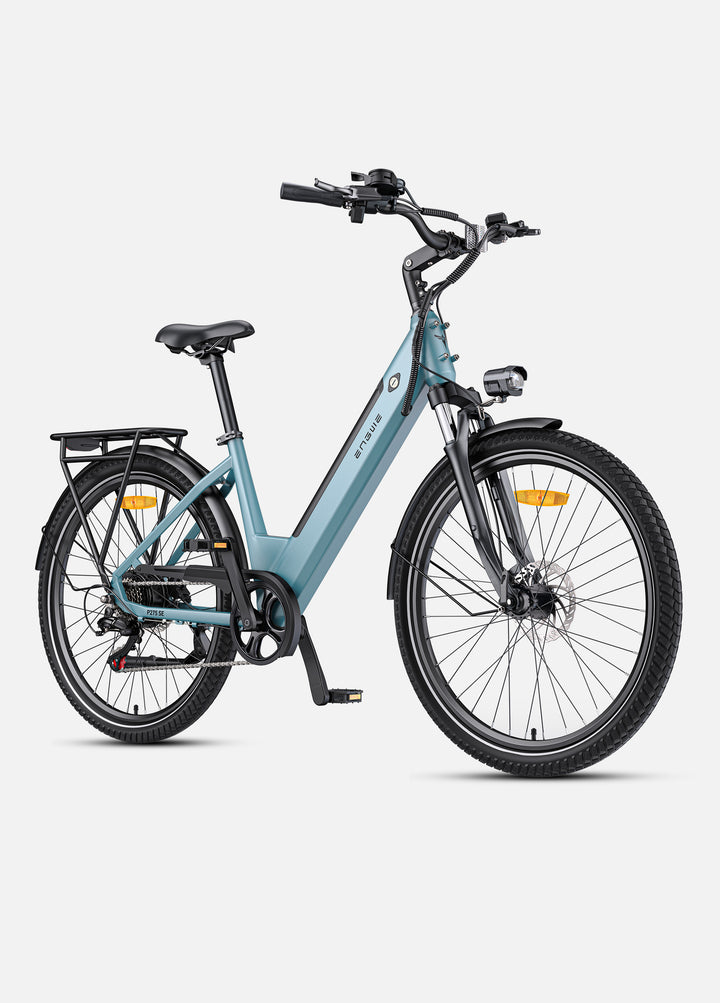
An electric bike has motor assistance, so why do people pedal electric bikes? This simple question puzzles many people. However, the answer is not simple. The motor is the core feature, but it does not eliminate the need for pedalling.
Watch any group of e-bike riders. You will see their legs moving in rhythm with the motor. The truth is that pedalling is not an unnecessary feature in electric bikes. It is meant to offer the traditional bike riding experience with less manual effort, something many people with limited physical abilities appreciate. It creates a partnership between humans and machines that redefines mobility, fitness, and the joy of riding.
How Pedal Assistance Technology Works
The Pedal Assist System (PAS) is the soul of modern electric bikes. It either uses a cadence sensor or a torque sensor. A cadence sensor detects if the cranks are turning and then tells the motor to provide static power. It works as a simple on/off switch, and the power boost can feel like a sudden push from behind.
A torque sensor is more advanced. It measures the actual force you apply to the pedals. Push harder, and the motor gives more power to make pedalling less demanding. Push with less force, and the motor adjusts accordingly. The motor response is instant and feels natural, resulting in a fluid ride.

Key Reasons Why People Pedal Electric Bikes
There are many reasons people pedal ebikes, including:
Health Benefits
Many people believe ebikes offer no exercise. However, studies prove otherwise. An ebike lowers the barrier to exercise. A steep hill no longer seems tough, and a strong headwind becomes manageable due to the motor assistance. As a result, people of all fitness levels can enjoy rides.
Electric bikes are not about intense training. They are about sustainable, light cardio where people can control their exertion with the assist level. This still burns calories and improves health.
Extended Battery Range
Range anxiety is real for e-bike owners. Using only the throttle slashes the bike’s range. Pedalling, even lightly, drastically reduces battery drain. The human body shares the load, which lowers stress on the battery. This gives you more range, helpful for long recreational rides on routes without a charging point.
Maintain Control and Stability
For those wondering why people pedal electric bikes, part of the answer is that a bike is stable when in motion. Pedalling contributes to forward momentum and balance, which is critical on technical terrain. A throttle alone can deliver power harshly, which may cause the rear wheel to slip on loose surfaces. Continuous pedalling helps the bike track straight and maintain traction.
When Do Riders Choose Not to Pedal?
The throttle or high assist is invaluable for certain situations. For instance, starting from a dead stop is their most common use.
A steep climb requires a confident launch, and the throttle or high assist can offer a quick power burst for that as well.
Riders with physical limitations use these features to avoid strain. However, they are not the primary mode for experienced riders who prefer pedalling.
Here are some pedalling tips to maximise your ebike’s efficiency:
Use the lowest assist level suitable for the conditions. Start on PAS 1 or 2 on flat ground for a consistent manual effort.
For hills, shift to a lower gear and increase the assist level just before you start climbing. This prevents stalling and reduces motor strain.
Pay attention to the motor as well. A whining, straining sound means you need to contribute more power or shift down.
Choosing the Right eBike for Your Riding Style
Different ebikes encourage different pedalling behaviours. Here are some of the best ebikes with the PAS:
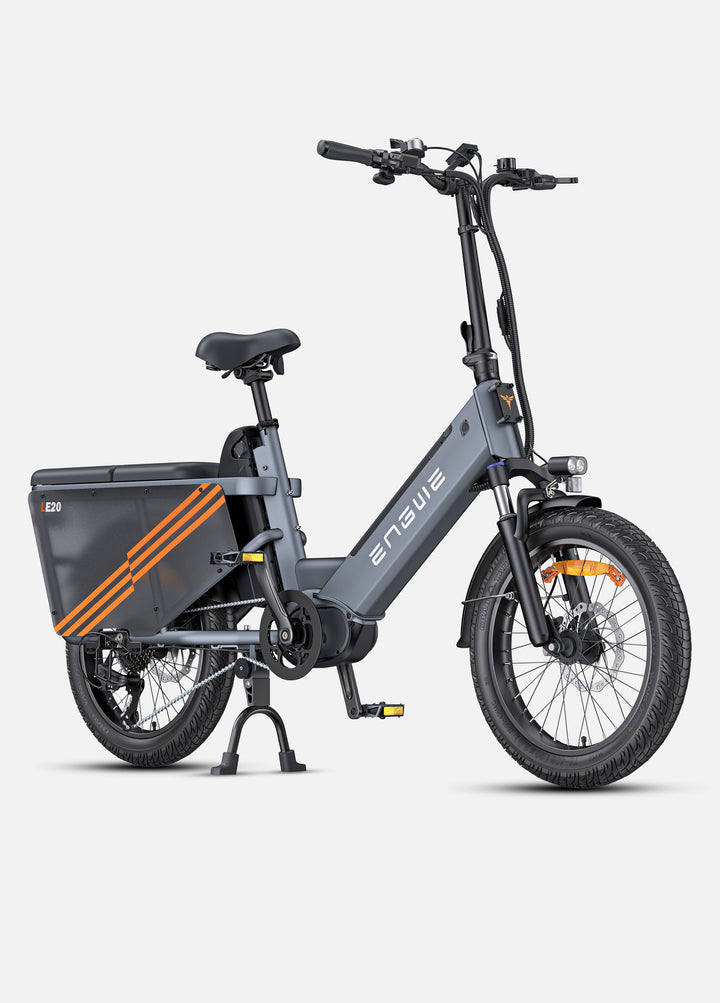
ENGWE L20
ENGWE L20 is a fat-tire ebike with 20x4.0 shock-absorbing tires for stable rides. Its 250W motor and 50Nm torque are suitable for city and light trail pedalling. The 7-speed Shimano transmission offers necessary gearing, but also lets you pedal manually to propel the bike. ENGWE L20 invites you to explore new paths with a 140 km range, and pedalling is a natural part of these adventures.

ENGWE EP-2 3.0 Boost
The ENGWE EP-2 3.0 Boost encourages athletic rides. Its PAS uses a torque sensor to provide immediate, proportional power depending on the requirement. This folding bike makes pedalling feel incredibly natural and rewarding. The motor produces a potent 75 Nm of torque to make uphill rides less demanding without eliminating the need for pedalling. This bike is ideal for riders who see e-bikes as sporting equipment, not just a means of transport.

ENGWE T14
The ENGWE T14 is a compact and utilitarian ebike. Its 250W motor and 30Nm torque mean the bike requires more exertion than other options on this list. In fact, pedalling is a necessity on this bike to augment the limited 25 km electric-only range. The electric assist is a welcome boost in this bike, but it is not the core feature. ENGWE T14 is a practical choice for daily commutes, errands, and easy storage.

Conclusion
This was some essential information for those wondering why do people pedal electric bikes. Pedalling is not an outdated habit. It is the vital input that turns a motorised vehicle into an extension of the human body.
The motor amplifies the rider’s effort. You can ride farther and conquer tougher terrain without being physically exhausted. However, it does not replace the fundamental joy of bike rides. That joy comes from turning the pedals and moving forward under your own power, no matter how amplified it may be.
FAQs
Why Can’t a Throttle Be Used All the Time?
Using a throttle exclusively is possible but inefficient. Continuous throttle use places more stress on the battery. This results in a quick battery drain and significantly low range. It also increases the risk of overheating. Use the throttle for a power boost on hills or only when needed.
Are ebikes too heavy to pedal?
An ebike is significantly heavier than a traditional bicycle. However, this weight mostly matters when the motor is off. When the motor is engaged, even a low assist level compensates for the weight.
Why do you have to pedal electric bikes?
The human body is an efficient power source. Combining its output with the electric motor offers more range and versatility. Pedalling also keeps the rider engaged and offers health benefits. A battery-only system could not achieve this.