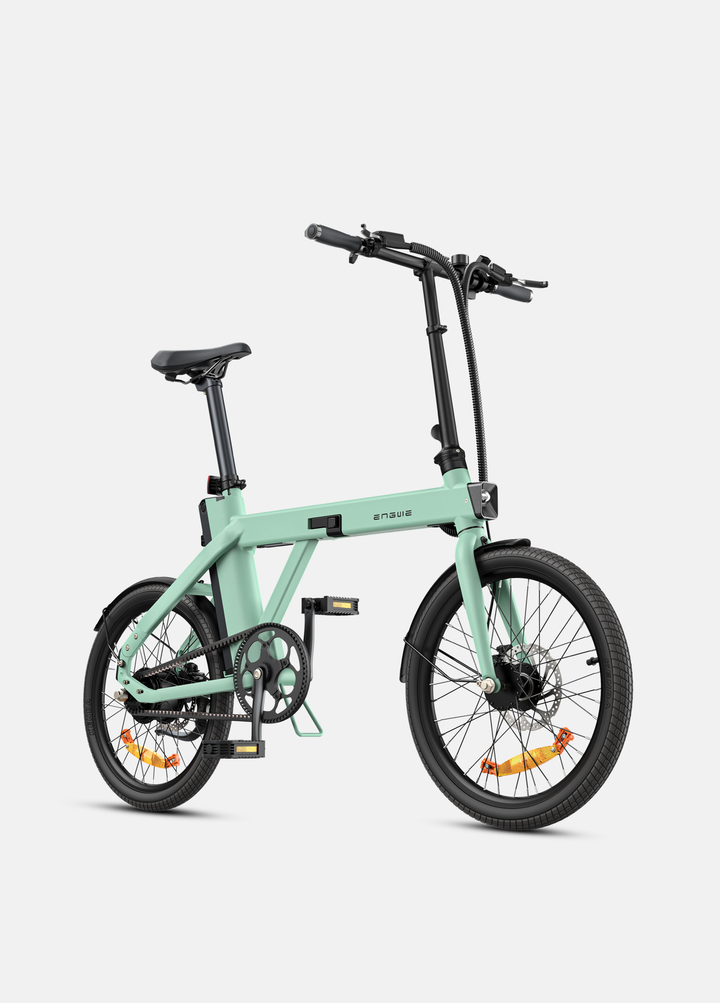
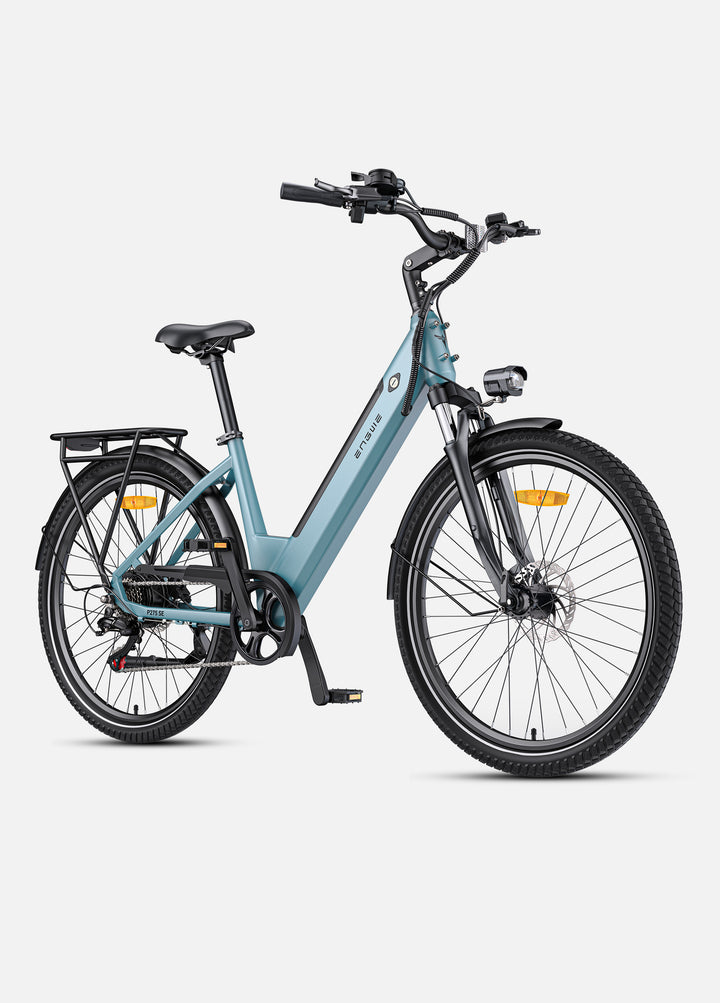
If you walk through European cities these days, you'll notice something different about the traffic. Those sleek machines going through the streets aren't just concepts from auto shows anymore. Electric motorcycles have arrived, and they're changing how people think about two-wheeled transport.
But we have seen that the regulations surrounding these vehicles confuse so many people. They keep wondering, “Are electric motorcycles street legal in Europe?”
One day, you're admiring a motorcycle at a dealership, and the next day, you're drowning in licensing categories and insurance requirements that seem designed to confuse you. The truth is, European regulations around electric motorcycles have been playing catch-up with technology. And this creates some genuine confusion along the way.
This article explains in detail whether electric motorcycles are street legal in Europe and what you should (and should not) do to stay on the safe side.
Are Electric Motorcycles for Adults Street Legal in Europe?
Electric motorcycles are completely legal across Europe, but they live by the same rules that govern traditional motorcycles. This will catch you off guard because there is this persistent myth that electric means different or somehow exempt from normal vehicle laws.
European authorities look at the performance very closely. A motorcycle that can reach 100 km/h gets treated the same whether it runs on lithium batteries or premium gasoline. The 4kW power threshold and 45 km/h speed limit create the dividing line between what counts as a motorcycle and what falls into the moped category.

What License Do You Need?
You need to follow the same path as any other motorcycle for getting licensed, which means dealing with Europe's tiered licensing system. The A1, A2, and A categories were not designed with electric vehicles in mind, but they've adapted reasonably well.
Getting to the full A license requires patience, either waiting until 24 or spending two years with an A2 first. But once you're there, the restrictions disappear entirely. Not that there are many electric motorcycles pushing beyond A2 limits yet, though that's changing as manufacturers gain confidence in the market.
Is Insurance Mandatory?
Insurance requirements for e-bikes mirror exactly what you'd expect for any other motorcycle in Europe. Third-party liability coverage isn't optional – it's legally required in every EU member state. There are no exceptions whatsoever.
What's interesting is how insurance companies have responded to electric motorcycles. Early adopters often found insurers who'd never heard of their bikes, leading to awkward phone calls trying to explain what an electric motorcycle actually was. That's largely resolved now, with most major insurers having specific electric motorcycle categories.
The main thing to watch for is making sure your insurer actually understands electric motorcycles. Repair procedures, parts availability, and replacement costs can differ significantly from those of traditional bikes. Getting stuck with an adjuster who treats your electric motorcycle like a gas bike with a dead engine won’t help you at all.
Are You Required to Wear Protective Gear?
In Europe, Helmet laws apply equally to electric and gas-powered motorcycles. But the specifics vary between countries, and this creates real confusion if you’re a cross-border rider.
But the rule is simple. If European law considers your vehicle a motorcycle, you need an ECE-certified helmet. Period. This applies whether you're on a proper electric motorcycle or a converted bicycle that somehow qualifies as a motorcycle under local regulations.
Things get murky with the protective clothing requirements. France has reflective gear requirements that many other countries ignore. Italy tends toward a comprehensive protective equipment mandate. Germany generally stops at helmet requirements but strongly encourages proper gear.
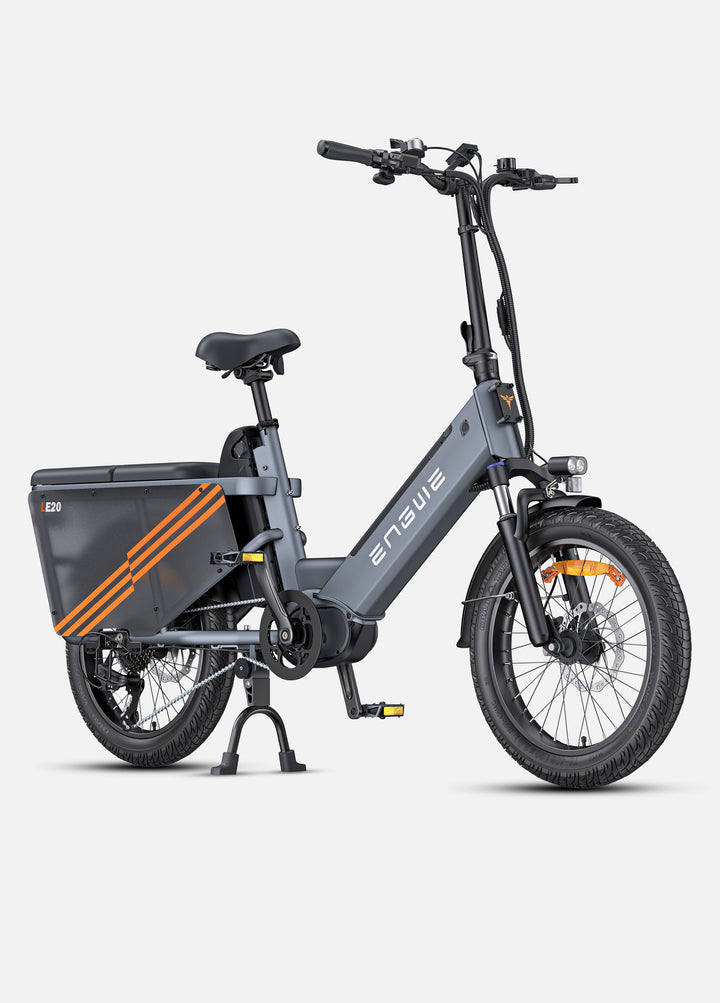
Recommended Electric Moped Style Bike: ENGWE M20
Unlike a traditional electric motorcycle, an electric moped-style bike offers the look and feel of a moped but with the legal benefits of an e-bike. This means you can enjoy the powerful performance without the need for a license, registration, or insurance.
The ENGWE M20 is the perfect example. Capped at 25 km/h, it is a folding fat-tire e-bike that stays comfortably within EU limits. You can ride it anywhere regular bicycles are allowed, without any headache at all.
It has 20x4.0 fat tires that effortlessly roll over cobblestones, gravel paths, and beach sand with the kind of confidence that makes weekend exploring actually enjoyable. Similarly, the 6061 aluminum frame keeps things sturdy enough for the bike's 34.8kg weight while still being reasonably portable when folded.
What really stands out is the dual battery option. 75km range means actual all-day rides. If you’re in Europe and want something efficient, this e-bike checks all the boxes.

FAQ
Can you legally carry a passenger?
If your electric motorcycle came with a passenger seat, footpegs, and proper grab rails, and if the registration documents list it as a two-person vehicle, then carrying passengers follows the same rules as any other motorcycle.
The catch is that some electric motorcycles that look passenger-ready were not certified for two-up riding. This is not unique to electric bikes. But it is more common since some manufacturers prioritized getting single-rider versions to market first.
They added the passenger certification later.
What are the penalties for riding an electric bike illegally?
Operating without proper licensing carries fines between €500 and €2,000. It depends on the country you’re riding in. Vehicle impoundment is also increasingly common. It will create obvious problems when your impounded vehicle needs daily charging to maintain battery health.
European authorities have gotten serious about enforcement as electric motorcycles have become more common. What might have been a warning five years ago often results in substantial fines now, partly because there is less excuse for ignorance about the rules.
Conclusion
The regulatory landscape for electric motorcycles in Europe now makes sense, even if it took some time to get there. You need to learn the same licensing categories and insurance requirements if you are interested in understanding the system deeply.
However, if you want a powerful ride without the legal hurdles, a moped-style e-bike is the ideal choice. The ENGWE M20 offers the perfect blend of performance and convenience. Because its motor is pedal-assisted, it's legally treated like a regular bicycle. This means you get the robust feel and moped-like appearance you want, but you can ride it with the freedom and ease of a traditional bike.