An In-Depth Review of the Co-op Cycles E-Bike Lineup
Choosing the best electric bike for your needs is often navigating a new world of motors, battery packs, top tubes, and a multitude of frame geometries. (You’re probably here because you've heard of Co-op Cycles, the in-house brand of REI, and you're curious if their e-bikes hold up to the retailer's high standards of quality and reliability.) You want more than a basic spec sheet; you need to know how these bikes perform in the real world, who they are actually for, and whether they are a smart purchase for your urban jaunts or weekend adventures. This is that in-depth review of the Co-op electric bike lineup that you came here looking for, and it is full of detailed ride impressions and important details to help you make an informed decision with confidence. We'll find out for you what makes these bikes tick and where they shine, and we'll see how they stack up against the fierce competition of the market, giving you a very clear point of view about what a Co-op e-bike can do for you.
The electric bike category is divided into clear riding profiles with innovative products for each, all from Co-op Cycles. They have a simple lineup, with not a confusing amount of models and each one serving a distinct purpose. Below is a full list of their current offerings in the electric bicycle world.
Co-op Cycles Generation e Series (Utility/Cargo)
For: On-road riding
Get Co-op Cycles Generation e series bikes if you want to tote up to 300 pounds of stuff between dinner at a friend’s and a long ride home.
Generation e1.1
Generation e1.2
Co-op Cycles CTY e-Series (City/Commuter)
CTY e2.1
CTY e2.2
Co-op Cycles DRT e-Series (Trail/Mountain)
DRT e1.1
Real-World Ride Impressions: CTY e2.2 and DRT e1.1
Now, we can get one step past the catalog and onto the experience-filled seat of these classic best-sellers. To really get the measure of them, I lavished attention on two of their star products: the CTY e2.2, a classic urban commuter style, and the DRT e1.1, their gateway into the realm of electric mountain biking. I was concentrating on the experience, the utility, and the finer points that you can’t simply convey with specs. The CTY e2.2 reveals itself from second one as a beautifully conceived city machine. You're immediately struck by the upright riding position that offers great visibility in traffic and is easy on the back and wrists. It’s got authority and ease from the moment you start off. The Shimano E6100 mid-drive motor provides power delivery that is buttery smooth and intuitive. Unlike a number of hub-drive systems that can be a little bit jerky, the CTY e2.2’s power assist feels like an extension of your own pedal effort. You never notice it on inclines; just a steady tailwind while climbing. The integrated lighting is excellent; the stock lights are bright and a huge safety benefit in the dark mornings and evenings. The included rear rack is solid, not an add-on, and easily accommodated a full pannier of groceries without any wobble. Plowing through a hectic city center, the bike feels far from unwieldy, and the hydraulic discs inspire confidence, delivering strong, yet modulated, stopping power in dry or wet conditions. It’s a bike that feels dependable and safe, ideal for taking the place of a car on daily errands.
Shifting gears to the DRT e1.1, the experience transforms. This bike is designed for good times on dirt paths and moderate trails. The chunky, knobby tires and 120mm of front suspension travel immediately feel solid off-road. On a test ride, I tackled a bit of gravel fire roads and some flowing singletrack. It’s powered by the Shimano E7000 motor system, and the DRT e1.1 has a distinctively sporty character from the CTY's motor, and it throws down more torque for popping up short, steep climbs on the trail. What I was really impressed by, though, was how damn planted this bike was. The motor and battery weight are low and central in the frame; this puts the weight where it’s going to do the least harm and makes the bike feel planted and predictable around corners and over roots. And it doesn’t handle like a big clumsy electric bike, either; it handles like a good mountain bike that just happens to have a serious helper. The 10-speed Deore drivetrain equipped on the frame was responsive and reliable even when under load, something that’s essential when you need to drop up or down the cassette in the blink of an eye on a rolling trail. It’s no full-sus enduro machine for hitting big lines, but that’s not how it’s built. The DRT e1.1 is the ideal e-bike for trail-hungry riders who want to shake off the throttle limits, unlock the world of trail systems that extend further, and take on more. It’s a cheerleader, a bike that goads you into finding what’s on the other side of the next hill. In either case, build quality would be a screaming feature for sure. The frames feel solid, the welds are smooth, and the decision to fit the entire e-bike system (motor, battery, display, and drivetrain) from the reliable Shimano range of components results in a coherent and robust package.

The Co-op Advantage: The REI Ecosystem and Build Philosophy
In addition to individual model feel, there are, of course, broader value propositions and ecosystems that prospective buyers would want to factor in when buying into a Co-op electric bike. You're probably not going to find a better benefit than that created in a partnership with REI. Unlike many direct-to-consumer brands, each Co-op e-bike is assembled by a certified technician before it reaches your door. It takes the hassle (and potential danger) out of self-assembly and ensures you’ve got everything perfectly tuned from day one. This, included with the purchase, is a huge value point. And the assistance doesn’t end when you ride away. Riding is covered by a seller warranty and, depending on usage, you'll also get free maintenance in REI's nationwide store network. You have a physical location to go to if you have an issue with the motor or battery, which is nothing but a good thing. The other thing Co-op Cycles harps on is the use of tested, name-brand components. By sticking to the big names — think Shimano and its complete e-bike systems — they promised me a high level of reliability, and easier access to service and replacement parts in the future. This thinking is applied to other parts as well, such as the hydraulic disc brakes and drivetrain parts, which tend to be Shimano or SRAM. This emphasis on trustworthy, non-proprietary components is evidence of a mindset reaching past the thrill and deep into the ownership experience. This brand is great for the no-nonsense rider who prefers security, professional support, and proven technology over the latest and less common features. It is a purchase that makes riding an electric bike as easy and well-supported as possible.
How Co-op Compares: A Look at the Competition
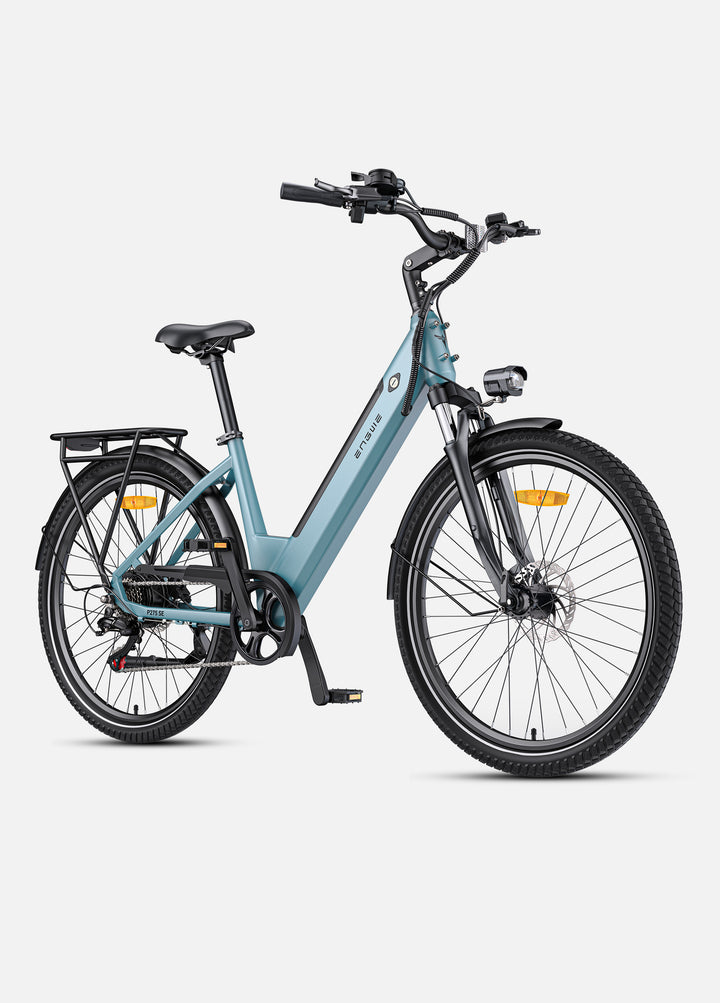
Although Co-op provides a proven base of dependability and in-store service, there’s a wide world of e-bikes out there, and some riders are looking for a different mix of high-end technology, smart features, and off-the-shelf commuter focus. This is exactly the space that a brand like ENGWE enters into the conversation, especially with a model like the P275 SE. This electric bicycle was built from the ground up to be the most versatile e-bike on the market, integrating cool and convenient features right in. Its killer feature is the ultra-responsive smart torque sensor. That means this advanced system "reads" how you are pedaling and can deliver power to you in 50 milliseconds, making it feel very natural and like you get it the instant you want it — with a not small dash of it knowing what you want before you even realize you want it. Powered by ENGWE’s proprietary E-SATS AI algorithm, it allows the Power Assist to be always absolutely smooth and proportional to your pedaling. This sampling rate is something I usually see in much higher-priced units.

The ENGWE P275 SE also impresses in terms of range and convenience, boasting a remarkable max range of 100km on a single charge, so you don’t have to worry about range as you commute during the week or explore your city on the weekend. The 36V, 13Ah lithium battery is nicely mounted in the frame for a seamless appearance, yet can be quickly removed within seconds and then re-installed to charge whenever required. Rider comfort is obviously a priority, complete with the most wholesome Dutch-style upright riding position, an ergonomic swallow handlebar, and an adjustable stem for your ideal fit. For everyday commuting and shared electric scooter rides, the dashboard lets riders easily start and end their ride. You’ll also get battery and system information at a glance, as well as a Wi-Fi and Bluetooth link to your smartphone for over-the-air updates. With punchy 160mm hydraulic disc brakes, and a solid Shimano 7-speed gear set up, the ENGWE P275 SE delivers a winning combination of intelligent technology, long-distance range, and rider comfort.

Co-op Cycles Electric Bike Comparisons and Parameters
| Feature | Co-op Cycles CTY e2.1 | Co-op Cycles CTY e2.2 | Co-op Cycles DRT e1.1 |
|---|---|---|---|
| Aimed At | City Commuters | Premium City Commuters | Trail & Off-Road Riders |
| Motor | Shimano E5000 250W Mid-Drive | Shimano E6100 250W Mid-Drive | Shimano E7000 250W Mid-Drive |
| Max Motor Torque | 40Nm | 60Nm | 60Nm |
| Battery | Shimano E8014 418Wh | Shimano E8010 504Wh | Shimano E8014 418Wh |
| Frame Material | 6061 Aluminum | 6061 Aluminum | 6061 Aluminum |
| Frame Type | Hardtail | Hardtail | Hardtail |
| Front Suspension | SR Suntour, 75mm travel | SR Suntour, 75mm travel | SR Suntour, 120mm travel |
| Brakes | Shimano Hydraulic Disc | Shimano Hydraulic Disc | Shimano Hydraulic Disc |
| Drivetrain | Shimano Altus, 9-speed | Shimano Deore, 10-speed | Shimano Deore, 10-speed |
| Included Extras | Fenders, Rear Rack, Lights | Fenders, Rear Rack, Lights | None (Trail Optimized) |
| Tires | Schwalbe Big Ben 27.5 x 2.0 | Schwalbe Big Ben 27.5 x 2.0 | Kenda Nevegal 27.5 x 2.6 |
| Riding Position | Upright | Upright | Forward/Athletic |
Buyer's Frequently Asked Questions
What is the single biggest benefit of purchasing a Co-op e-bike instead of one of the online-only brands?
The REI family is by far the biggest plus. Your bike arrives fully assembled by a professional bike mechanic, a service which can cost in excess of $100 at other bike retailers. Even better, there is a nationwide network of physical locations from which you can obtain service, warranty claims, and repairs. That peace of mind, and long-term support, is priceless, especially to someone that doesn’t know their way around a bike. Many REI stores also offer test rides of models so you can make sure you find the ideal fit before you buy.
CTY series or DRT series, how to decide?
This is purely a matter of where you are going to be riding primarily. The CTY series (e2.1, e2.2) is purpose-built for pavement. They often have integrated lights, fenders, and racks as well as a comfortable upright position, great for commuting, running errands, and fitness rides on bike paths. The DRT series (e1.1) is designed to appeal to those who want to drive off-road. Its stronger motor, longer-travel front suspension, and knobby tires are intended for dirt trails, gravel roads, and rough terrain. Pick a CTY if 90% of your rides are on pavement. If you dream about running through the woods and ripping through some singletrack, the DRT is the bike for you.
How far can I actually go on a charge?
The advertised range is always optimistic. Real-world range is going to depend on a whole host of factors: your weight, what level of assist you are riding, how many hills are in your route, wind, and tire pressures. A CTY model rider who's mixing low-to-mid assist level on rolling terrain could expect 30-50 miles (48-80 km). For its DRT model on trails, which requires more power, the range could be closer to 20-40 miles (32-64 km). The trick is to apply the most assist possible when you need it, like on hills and headwinds, and to conserve as much of your power as possible.
Are Co-op electric bikes heavy?
Yes, like almost all good electric bikes, they are much heavier than non-electric bikes, which usually weigh 50 to 60 pounds (22-27 kg). The motor and battery are also quite heavy. This is something to keep in mind if you’re going to have to carry the bike up stairs with any frequency. But the bulk is imperceptible while you’re mid-ride, and accoutrements like walk-assist mode (which employs the motor to assist you in pushing the bike) make it easy to handle when you’re on foot.
What maintenance is necessary for the Co-op e-bikes?
The maintenance is almost the same as a regular bicycle with a couple of additional things to consider. You’ll still want to keep the chain clean and lubed, maintain your tire pressure, and inspect your brake pads for wear. The electric parts require little maintenance. The big issue is the battery: Keep it charged, don't let it sit in extreme heat (or cold), and try not to let it run out of battery completely if it's going to be stored for long periods of time. An REI, or other reputable bike shop, is recommended once a year for a ‘check all systems’ review.
And in the end, a Co-op e-bike is a reliable and very well-supported way to wade into the waters of e-cycling.