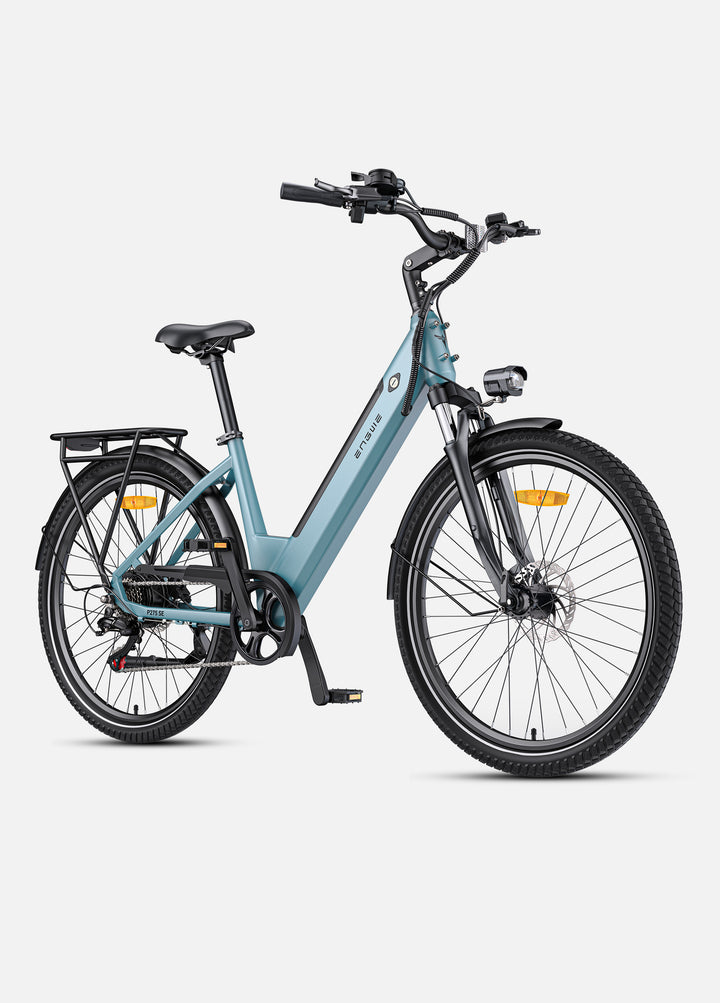
In the mountain biking domain, a normal trend has been the use of slender frames and knobby tires built mainly for speed and accuracy. Nevertheless, a different style of bike has been spotted more and more on the trails: the fat bike. This type of cycling has big tires and a strong frame. It started as a winter hobby but now appeals to outdoor lovers all year.
A lot of the riders are wondering if a fat tire bicycle could really handle a mountain trail as well as a mountain bike (MTB) built for that purpose. To figure out how these bikes work, one needs to consider their interaction with dirt, rocks, and roots rather than just their appearance."
The Evolution of the Fat Bike on Technical Terrain
Originally, fat tire bikes were mainly for snow and sand because that's where normal tires get stuck. Fat tire bike models have a huge surface area, which makes the rider's weight spread over a larger area of the ground, thus allowing the bike to "float." Over the last few years, makers have changed the shapes of these frames to enable them to be more helpful on the technical mountain trails.
Even though they seem heavy, a modern fat tire MTB bike setup is quite nimble. The wide rubber surface offers such a good grip that the rider can take the routes that he/she would not be able to take with a standard MTB. On loose gravel or muddy climbs, fat-wheel bikes grip the ground tightly. This stops the rear wheel from spinning out, giving riders confidence that's hard to beat.

Comparing Traction and Stability
One key difference between a regular mountain bike and a fat tire mountain bike is the tire pressure. We run the tires on a normal MTB between 20 and 30 PSI at most, but the tires on a fat tired bike can be at pressures as low as 5-15 PSI. Such low pressure is what allows the tire to wrap around rocks and roots rather than just bouncing off them.
This results in the tire having a very large surface area in contact with the ground, thus providing incredible stability. Coming from a beginner's perspective, the electric fat bike is a really reassuring option since it feels glued to the ground and it's harder to slide in the corners.
The advanced rider experiences a vehicle-like feel when descending tough terrain. They can roll over obstacles that a traditional bike would need careful planning for.
The Power of the Fat Tire Electric Bike
Ever since the era of motors, their incorporation into bicycles has literally changed the game. An electric fat tire bike introduces a solution to one of the main issues encountered by wide-tire cyclists: weight.
Because the tires and rims have more mass, it can be more challenging to gain momentum from a stop. An electric bike fat tire model acts as a buffer to this by giving you pedal assistance, so those serious mountain climbs will no longer be a problem that is quite a challenge.
When you have a fat tire electric bike, it is the motor that really does the hard work, and you as a rider only need to concentrate on handling and perhaps taking in the landscape. In fact, this has made mountain trailing accessible to a greater number of people because the e bike fat tire setups make it possible to cover longer distances without getting physically worn out, as is usually the case with heavy-duty trail riding.

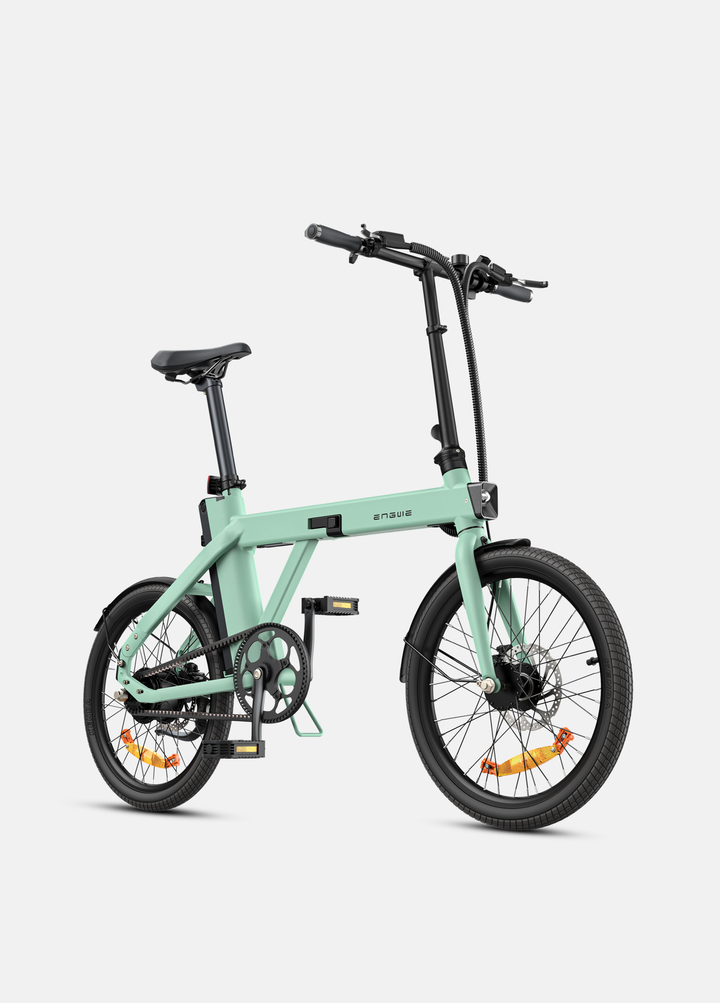
ENGWE EP-2 Pro
The ENGWE EP-2 Pro stands out as a flexible choice. It's perfect for daily city commutes and weekend outdoor adventures. The frame material of this folding fat tire electric bike is rugged aluminum alloy, which can easily absorb the vibrations coming from rough terrains.
Wide tires make an excellent air cushioning system, which is very important when you are going over mountain trails that are not smooth. This model is great because you can easily carry it with you. Folding the frame makes it simple to pack in your car for your favorite trail.


Traditional and Modern Competitors
Besides those that focus on the specialized market, other brands are also to be credited for the rise in fat tire e bikes. For instance, the RadPower RadRover 6 Plus is almost always recognized as the standard for stability and user-friendliness.
It comes with a tough frame and extra-wide tires that make it a great fit for both fire roads and mountain trails of moderate difficulty. The Himiway Zebra is yet another contender that comes with a giant battery and is well equipped to undertake long-distance trips even at varying altitudes.

On the other hand, if you are after a non-electronic bike, then the Specialized Fatboy is still a household name in the sector. The bike with a carbon or alloy frame that focuses on just the mechanical performance and trail feedback is also light in weight.
Hence, the question of whether to opt for a fat tyre electric bike or a traditional pedal-powered one that these bikes are revealing.

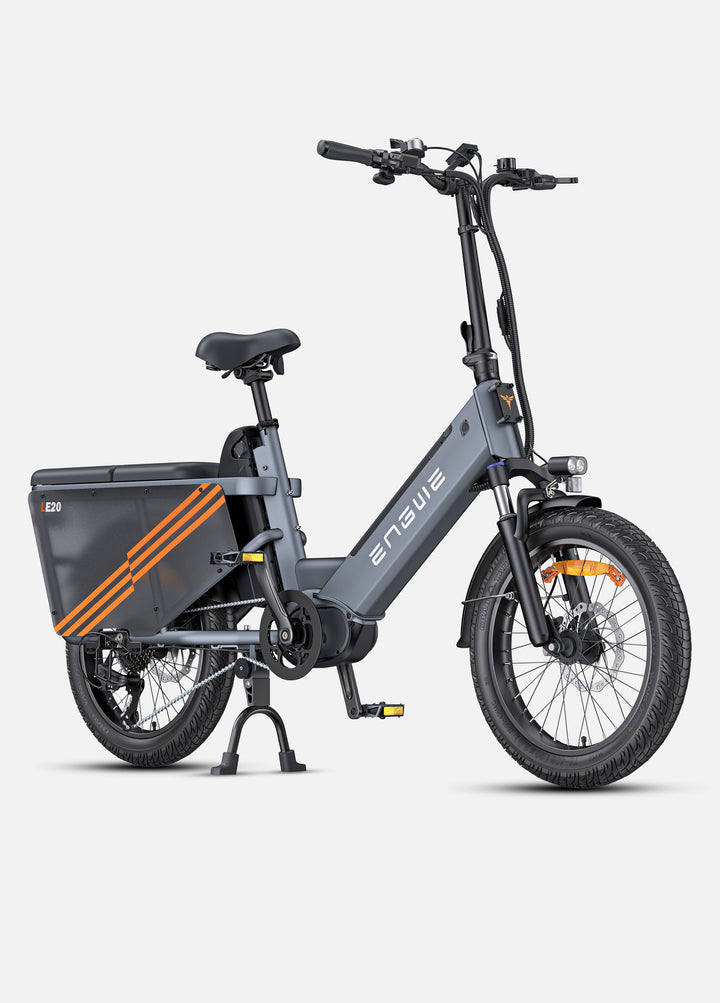
ENGWE L20
For those riders who mainly focus on the comfort and simplicity of the ride while enjoying the benefits of a fat bike, the ENGWE L20 is a step-through frame bike that has a little twist about it. Many mountain bikes have a high top tube.
The ENGWE L20 makes it easier to get on and off. This is helpful when you need to quickly touch the ground on steep or technical trails. It has an easy-to-access frame but is still an electric bicycle fat bike that can very comfortably handle dirt paths and gravel inclines.
The tires' width is such that they can easily float over the soft parts of the trail and therefore the rider can remain upright and in control. It goes to show that the best fat tire electric bike doesn't necessarily mean the one with the most aggressive posture, but the one that gives the rider the most confidence in the surroundings.


Handling the Descents
Descending with fat tire e bikes versus a full-suspension MTB is quite a different experience. Since the tires are acting as a type of suspension system, they gently filter out the high-frequency vibrations from little stones and chatter. As a result, the ride is smoother on "flow" type trails. On very large drops or fast, technical descents, some models without hydraulic suspension can feel different.
Quite a few riders say that the fat tire bike is more of a lazy down-the-hill kind of ride where you get the grip and the ability to roll through mud or sand spots that would stop a thinner tire in its tracks. The weight of the fat wheel bikes alone gives you a momentum level that helps you go through the rougher parts with very little effort.
Portability and the Fat Tire Mini Bike
A subset of the broad market that keeps on growing is the fat tire mini bike. These small-framed vehicles are usually utilized for "last-mile" transportation; however, more and more, they are also found on light trails. Their combination of small wheels and wide rubber produces a unique center of gravity that is very stable.
Although they might not be the top pick for a professional downhill course, a fat tire mini bike is quite proficient on forest service roads and well-maintained hiking trails. Because of their compact size, they can be stored in small apartments or brought along on public transport, and yet, they still provide the 'go-anywhere' liberty that characterizes the fat tire bicycle movement.

Maintenance and Long-Term Durability
Keeping a fat bike in top shape requires a somewhat different maintenance routine than a normal mountain bike. At the center of everything is generally tire pressure.
Since the volume of air is enormous, a minor change in PSI can significantly change the way the bike handles on the trail. Riders frequently bring along large-capacity pumps to be able to modify the pressure as they go from hard-packed dirt to soft mud.
Moreover, a fat tyre electric bike being heavier and having motor torque thus brakes and chains might need more frequent checking. Many models are simpler. They often have rigid forks, which means there are fewer parts that can fail. This is in contrast to a complicated full-suspension mountain bike.
Conclusion: Is the Fat Bike Right for Your Mountain Adventure?
Ultimately, a fat bike is definitely capable of handling mountain trails; however, it will respond differently from a traditional MTB. The fat bike gives up the razor-sharp agility in exchange for "unstoppable" traction and stability. For the riders who prioritize turning their explorations in all seasons and on all types of terrain, the electric fat tire bike is a revolutionary tool.
ENGWE models stand out for their smart folding features and easy use. They are great for both casual riders and serious trail enthusiasts. The benefits of wide tires are clear. The fat tire mountain bike has demonstrated that it is not merely a novelty, but a valid option for anyone who wants to conquer the great outdoors.
Frequently Asked Questions
Is a fat bike harder to pedal than a regular mountain bike?
While the tires have increased rolling resistance, an electric fat bike totally gets rid of this problem by adding a motor to help the rider. On a non-electric model, pedaling on pavement is tougher. However, it’s often easier on soft or loose trails, where regular tires slip.
Can I ride a fat tire electric bike in the rain?
Most good-quality fat-tire e-bikes will typically have water-resistant components as part of their design. The big tires provide better traction. They grip well on wet surfaces, slippery roots, and rocks, much more than standard mountain bike tires.
Do fat bikes need suspension forks?
No, not really. The huge amount of air in the tires serves as a natural suspension. Still, a lot of fat tire mtb bikes come with a front suspension fork to help reduce the impact on extremely rocky trails and make the rider's comfort better.
What is the benefit of a folding fat tire electric bike?
A folding fat tire electric bike such as the ENGWE EP-2 Pro provides the advantage for riders of being able to store their bike in small spaces and carry it around effortlessly without necessarily requiring a heavy-duty roof rack, thus opening more mountain trails to people living in cities.
Are fat bikes good for beginners?
Absolutely. Partly because a fat tired bike will generally have more stability & traction, it becomes very challenging to wash out in corners or lose your balance on uneven ground; therefore, it makes the inexperienced in off-road riding feel more confident.