A Felt E-Bike Review for the Discerning Rider
If you are looking for a “Felt E-bike Review,” then you are a discriminating rider. Most of you are pro cyclists who want to expand your cycling experience using electric assistance. You're not merely researching any electric bike — you're looking into a brand with a long history in racing and engineering. There’s really no question that that’s the kind of heritage to build an e-bike line upon, and the big question you likely have (assuming you’ve been on a Felt road bike or similar) is whether that translates to its electric bikes. Does it feel like a Felt e-bike, or does it feel like the frame had an engine attached to it? This in-depth review is intended to help you sift through all the noise to find out the real deal about Felt’s e-bike lineup and decide for yourself if one would make the ideal companion for your road or trail-riding adventures.
An Overview of the Felt E-Bike Lineup
Felt's range of electric bikes is a natural and obvious expansion of their traditional cycling disciplines, providing tailored options, not generic solutions. Their range is carefully categorized to suit specific riding styles, whether you are a road commuter, weekend warrior, or world-class enduro competitor. Here is a rundown of their electric portfolio at present:
Verve Series (Performance Hybrid & Fitness e-bikes)
Café Series (Exciting, Fashionable Urban and Commuter eBikes)
Bruhaul (Long-tail Cargo e-bike)
Decree Series (All-Mountain and Trail e-MTB)
Redemption-e Series (Long-travel Enduro e-MTB)
Surplus Series (Hardtail Trail e-MTB)
Sport-e and all other models up to 2020 (Recreational and Sport e-bikes)
To really understand the Felt experience, we need to look beyond spec sheets and get on the ride itself. I have spent lots of time on a few of them, and the hallmark of each one is perfect, ride-focused design and seamless integration. We’ll kick things off with the Felt Verve 30, a fitness bike for fitness riders and serious commuters. First off is the posture; the riding position is that of an all-sports stance yet comfortable, ready for action. The Bosch Performance Line motor is buttery smooth. That engagement isn't jerky by any means; instead, it feels like a natural extension of your own pedal stroke, a constant tailwind simply pushing you down the road. On rolling terrain that would normally have you standing and grinding, you continue to sit down and spin a comfortable cadence, and the bike just crushes the climb. The firmness of the frame, characteristic of Felt’s philosophy of design as a whole, makes itself felt at once. Steering is accurate and confidence-inspiring, and while zipping through city traffic, the bike feels nimble and reactive, not sluggish and ponderous like a big, clunky e-bike. From the Shimano drivetrain to the powerful hydraulic disc brakes, everything is neatly selected and of superb quality. It feels less like an electric bike and more like a superb hybrid bike with the world’s best assisting system. Speaking of the trails, the Felt Redemption-e 50 is an extreme machine that will take you to the top of the roughest, most aggressive mountain biking trails. You know what you feel here; it’s control and ability. The Shimano EP8 motor is a beast, but power delivery is totally adjustable and predictable. The bike doesn’t just motor you up steep technical climbs strewn with rocks and roots; it helps you find traction. The help is reactive; it gives you just the little burst of oomph you need to get over an obstacle, and it feels natural. When the trail points down, the bike’s racing DNA comes through. The geometry is bang up-to-date, and we get a modern, stable ride position. The 150mm of suspension travel can take a battering, and you feel perfectly centered and in control. It transforms mountain biking—huffing up the climbs being arguably the worst part of the sport—and lets you take twice as many awesome downhill runs in a single ride. It feels like the bike is telling you to take a few risks, knowing you'll be able to dust yourself off and do it all over again. Either way, the sensation is of empowerment and of refinement; Felt has obviously spent its engineering bucks on ride quality, not just electronics.

The Felt Philosophy: Engineering and Ecosystem
Before you decide that you’re going to invest in a brand like Felt, perhaps you should contemplate the bigger picture of ownership. You aren’t just purchasing a bike; you are committing to an ecosystem of technology and a particular design philosophy. First and foremost is Felt's dedication to high-end, proven motor systems. They work only with the best the industry has to offer, such as Bosch and Shimano. This is a significant advantage. This means you get a high-powered and reliable drive unit and battery system, a motor that has been optimized for central weight distribution, and a cadre of trained service centers. If you ever have any problems, you can easily call in local technicians, which is not yet possible with a proprietary or lesser-known brand. The other highlight is Felt’s frame design. They don’t just recruit a generic bike frame and find a bolt-on spot for a motor. They design their e-bike frames around the drive unit from the ground up. In so doing, we get the perfect weight distribution for good handling and greater frame stiffness to cope with the increased forces and torque of the motor. Hence, an e-bike from Felt, with all that extra mass it’s packing, rides so perfectly balanced and “bike-like” as to render that weight almost irrelevant when you’re actually rolling. What’s more, the brand comes from a performance-cycling background, so they sweat the details. You then get decent-level componentry all the way through the range, as well as internal cable routing for a neat look and frame geometries that are specifically designed for the style of riding it is aimed at. This attention to detail makes for a more robust, fun, and ultimately more valuable electric bike in the long run. This holistic consideration is what generates the full value proposition, joining top-of-the-line motors with frames developed from scratch to get the most out of them.
An Alternative for Versatility: The ENGWE EP-2 Boost
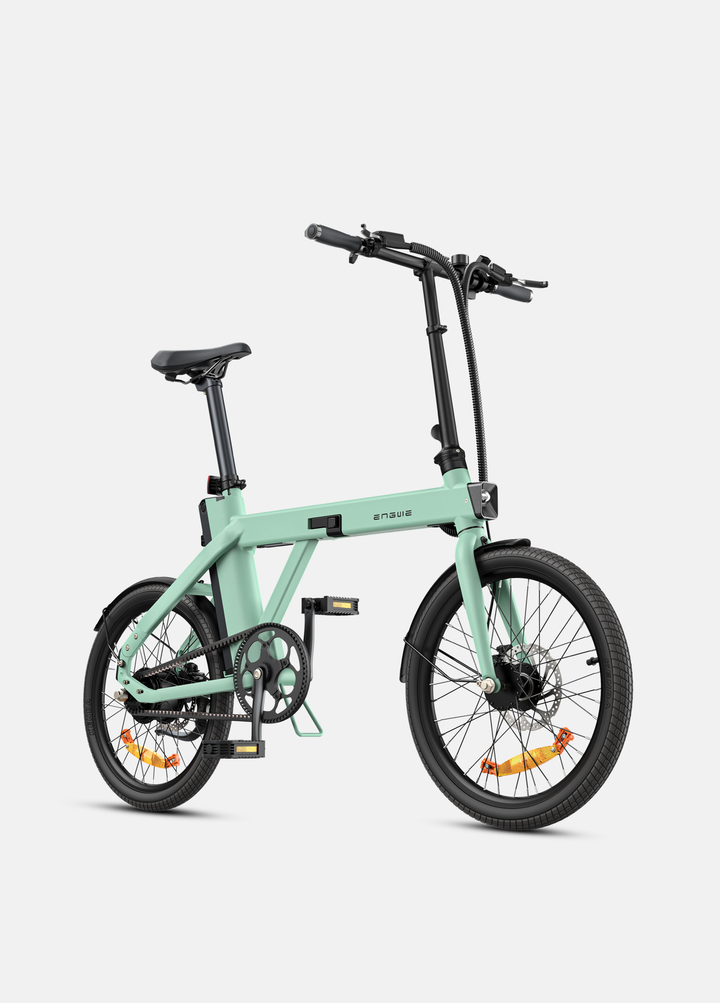
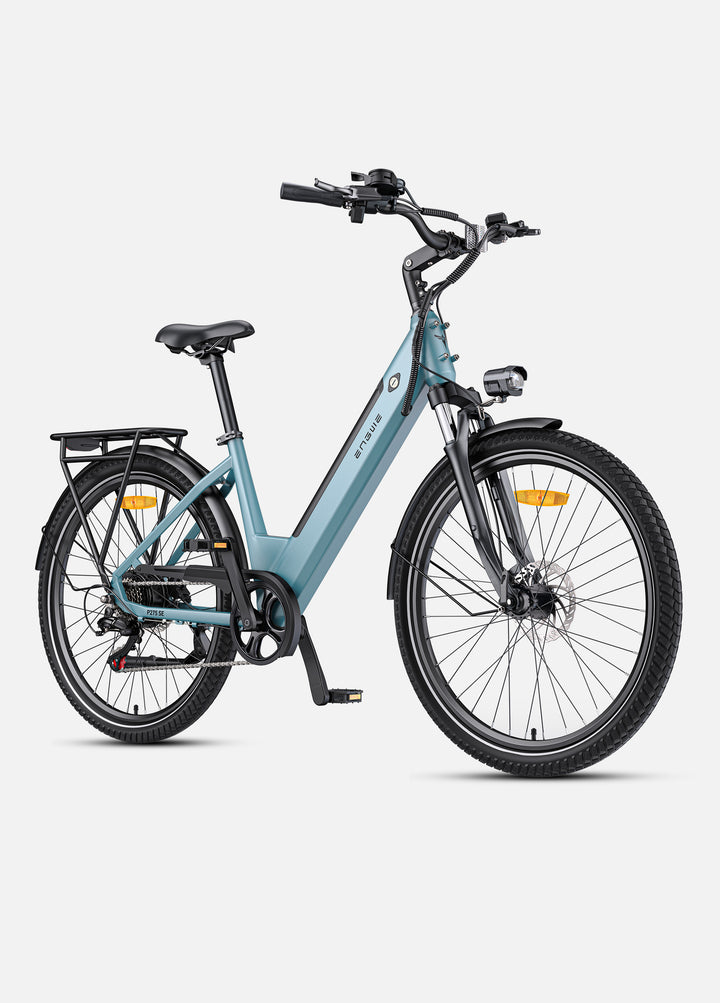
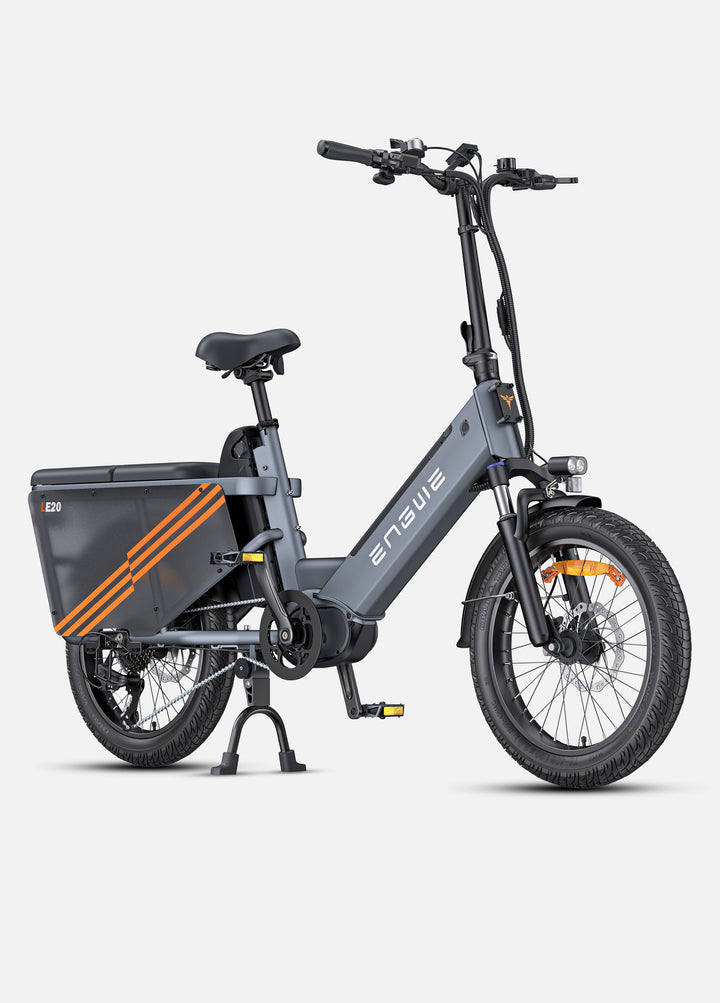
As much as Felt is known for creating ultra-custom, performance-oriented electric bikes for riders focused on a given discipline, other folks prioritize a different kind of mix: versatility, versatility, and more versatility. For riders like these, a company like ENGWE can be a good solution and, with models like the EP-2 Boost, an interesting alternative. This folding electric bike was designed to be flexible. It has an interesting feature of including a torque sensor and a proprietary “Boost” button. The torque-sensing TMM4 sensor constantly measures your pedal power and seamlessly matches it with the motor's output for a smooth and natural riding experience that is easy to love. Press the Boost button and shift for immediate full power—for up to 55 N.m of torque from the 250W motor—which feels like a gentle tailwind at your back on the steepest hills. The ENGWE EP-2 Boost is crafted to go wherever you want to travel. Its 20 x 4.0 fat tires and one-piece wheels can easily handle smooth pavement, gravel paths, or dirt trails. In terms of battery capacity, you will not be disappointed, thanks to its massive 48V 13Ah detachable pack that will allow you to ride up to 120 km without worrying about range and running out of power on your long trips or weekend rides. It is constructed with practicality, having 180mm mechanical disc brakes which make stopping smooth and straightforward, a 7-speed Shimano transmission for easy hill climbs or when you need lots of speed, and a compact foldable frame, so it can fit into your car boot or in a cupboard. Urban explorers and adventurous city riders need a bike that can deliver day-in-day-out power, speed, and versatility across any surface—pavement, gravel, and even some dirt—and the ENGWE EP-2 Boost is exactly that kind of package, with a powerful and vibrant feature-set to keep up with your busy life.

Felt Electric Bike Model Comparison
| Feature | Felt Verve 30 | Felt Redemption-e 50 | Felt Bruhaul |
|---|---|---|---|
| Suggested Use | Fitness and Commuting, Trail, Bike Path | Enduro, Aggressive Trail | Cargo Hauling, E.g. Pizza, Booze, Trees |
| Motor | Bosch Performance Line | Shimano EP8 Drive Unit | Shimano STEPS E8000 |
| Battery size | High Capacity Bosch PowerTube | High Capacity Internal DT | Shimano E8010 504Wh |
| Frame Material | Felt e-bike specific, aluminum | Felt E-MTB specific, aluminum | Felt cargo-specific, aluminum |
| Suspension | Front Suspension Fork (e.g., SR Suntour) | 160mm Front / 150mm Rear Travel | Rigid Fork (stability-focused) |
| Key Features | Balanced, athletic ride feel | E-Tuned F.A.S.T. Suspension | Long-tail design w/ 200lb cargo capacity |
| Wheel Size | 700c (28″) | 29” front / 27.5” rear (Mullet) | 24″ |

5 Questions About Felt E-Bikes Answered
What motor systems does Felt use on their e-bikes, and are they reliable?
Felt uses nothing but the cream of the crop when it comes to motor systems, from the most trusted and top-quality manufacturers in the e-bike world: Bosch and Shimano. Bikes such as the Verve typically employ Bosch’s Active Line or Performance Line motors, which are revered for their smooth, quiet performance and smart power delivery. Their high-end e-MTBs, such as the Redemption-e, generally spec Shimano's potent EP8 motor, well-regarded for its abundant torque, natural ride feel, and adjustable assist levels. When you select these brands, you are choosing the best in state-of-the-art e-bike technology—reliability, support, and system compatibility.
Why are Felt electric bikes usually more expensive than a lot of the online-only brands?
With a Felt e-bike, the price reflects its premium quality. What’s behind this cost is first and foremost the high-quality Bosch or Shimano drive systems, which, in comparison with far cheaper generic hub motors, are clearly more costly. Second, the sophisticated engineering and materials used in their frames, which are built from the ground up to handle the unique stresses of an electric motor and battery, provide superior handling and longevity. Third, the high-end components (brakes, drivetrain, suspension) from trusty names such as Shimano, SRAM, and RockShox. You’re not buying a set of parts; you’re purchasing a well-engineered system.
How Heavy Are Felt e-Bikes And Will It Affect Your Riding?
As with all e-bikes, Felt models are heavier than regular bikes due to the motor and battery, weighing in the 20-25 kg (45-55 pounds) range, depending on the model. But that's where Felt's engineering really shines. They are designed to concentrate the mass (motor and battery) low and in the center of the frame. This produces an extremely low center of gravity, making the bike very stable and planted when you're riding. You’ll feel that weight when you’re picking the bike up off the ground, but you’ll feel just how nimble and controlled it is on the road or the dirt.
What is the range of a Felt e-bike in real-world cycling?
Battery range varies widely according to many factors such as body weight, terrain, tire pressure, outside temperature, and maintenance. It also depends on the assistance level you use. To extend that range, Felt uses high-capacity (usually 500Wh to 630Wh) batteries on their bikes. For a model like the Verve, a rider might get 60 to 120 kilometers (35 to 75 miles) or more in eco-modes on flatter terrain. On a burly e-MTB like the Redemption-e, when it’s being ridden aggressively up and down steep hills, you’re probably more in the 40-60 kilometers (25-40 miles) range, which is still a very long day out on the trails. Bosch and Shimano systems are also highly efficient, which contributes to getting the most life out of each battery charge from Felt.
Can I ride a Felt e-bike in the rain and what maintenance is needed?
Yes, Felt e-bikes and their Bosch and Shimano systems are all made to be water-resistant, and it’s safe to cycle with them in the rain. Try to avoid soaking the electronic parts and using high-pressure water to clean them. Maintenance is much like that for a high-quality traditional bicycle: keep the chain clean and oiled, check tire pressure regularly, and have brakes and gears checked from time to time. The electrical components are pretty much maintenance-free, although it is recommended that a dealer does a diagnostic check each year to update firmware and check for possible issues so that your investment runs flawlessly for years.
At the end of the day, you get what you pay for—our bikes are investment-worthy, built by people who take pride in creating the best ride for you.