An Introduction to Onyx Motorbikes
It’s a machine that blurs the lines between the past and the future, a vehicle that lingers in your mind long after you’ve laid eyes on it for the first time. The search for an Onyx electric bike review usually starts from a single image. It’s a design that harks to nostalgia and promises cutting-edge electric performance. But behind the head-turning looks, there’s a more fundamental question for any prospective buyer: What is it actually like to buy and ride an Onyx? This isn’t the type of purchase you can ever make in passing. It’s a statement on wheels, a bike that’s about performance above all, and a big-ticket purchase. Potential buyers want a greater context than a list of specs—they want us to tell them if a product will feel, the golden word, right in a day-to-day sense and value for their money. They want to know if the invigorating ride matches the arresting looks and if an Onyx meets their electric-vehicle needs. That’s exactly what this in-depth review is here for — it’s a thorough, honest guide to the world of Onyx e-bikes, helping you decide whether an Onyx e-bike is the right choice for your needs.
Onyx Models: RCR vs. CTY2
Onyx Motorbikes is more concentrated on a curated, high-quality lineup with an emphasis on performance and a signature design philosophy as opposed to a large catalog of many different types of models. The brand’s offering revolves around two main product lines, designed for two different rides and types of use. Here is a great summary of what they currently offer:
Onyx RCR Series
Onyx CTY2 Series
The core of the Onyx name, and its flagship model, is undoubtedly the RCR. From the first time you walk up to the RCR, you realize that it’s constructed differently. The welded tube steel frame feels extremely solid, and touches like the wood-veneer center panel (available on some trims) and the big, bright headlamp give it a genuine, mid-century motorized-bike aura. Swinging a leg over, you can feel its significant weight, as well as its muscular presence; this isn’t a featherweight, knock-around electric bike. The ride position is aggressive but comfortable, slanted forward slightly, feeling ready to pounce. And the true revelation is in how it feels when you turn the throttle. In the lower levels of power, the acceleration is very manageable and is all you need to cruise around city streets. Put the RCR in Sport mode, however, and it’s a different machine. The sudden surge of silent torque is without question formidable, pushing you back in your seat and vacating its parking space with a feeling of authority not dissimilar to the gas-powered scooters for which it should be a compliant partner in crime. It’s just a blast to play. It cuts through corners like it is on rails, its weight pressing it into the pavement, and autonomous regenerative braking, that you can switch on and off using a handlebar button, is an instinctive way to slow the bike while also feeding some juice back into that dominating battery. The display is straightforward and effective: You get the vital stats — speed, battery life, mode — but without unnecessary confusion.
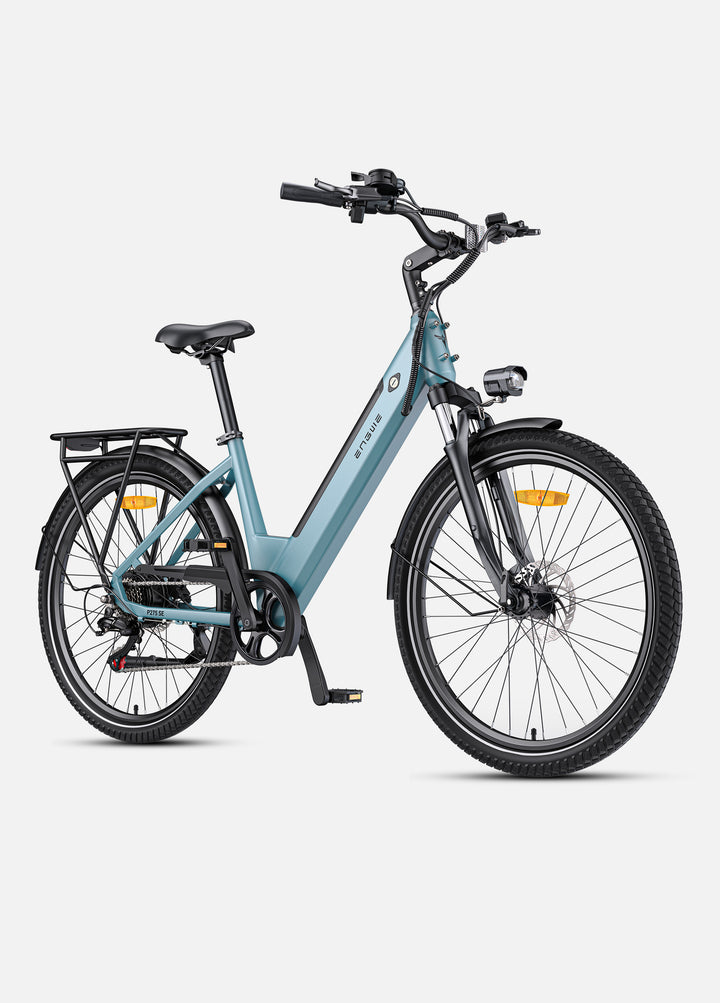
The CTY2, on the other hand, is Onyx's answer to the urban street rider who needs to commute daily, so expects a bit more out of their bike. The experience is instantly more user-friendly. Its easy step-over frame design will help you get on and off the bike with ease, which is a big added benefit if you tend to do a lot of stop-and-go riding around the city or don’t want to swing a leg over a high seat. The riding position is a comfortable upright one, giving you a high probability of being noticed in city traffic. It’s not the raw, neck-snapping acceleration you’d get in the RCR in its highest mode, but the CTY2 is impressively prompt from the get-go. It’s nimble and responsive enough to dart through bike lanes and weave through congestion. The power assist is honed for utility, offering plenty of punch to flatten hills and stick with city traffic. You see that same DNA of quality in the CTY2 - from that rock-solid frame to the high-quality components, but in a very specific sense - to be the ultimate stylish city electric bike.

Practical Considerations: Ownership and Legality
Before you go ahead and order up an Onyx, however, it is important to look beyond the thrill of the ride and acknowledge some of the more 'mundane' aspects of owning one. These are special machines, so your choice should be made with a broad understanding of what they can do. The buyer has to be brutally honest about the performance vs. utility equation. The RCR is a track toy, a guilty weekend indulgence with a hint of commuter duty. But at more than 145 lbs., it is hard to carry up stairs, and it is not something you easily pop into the back of a car. Its pedals are little more than footrests and are not a viable means of driving the bike if its battery runs out. The CTY2 is a significantly more practical and approachable frame, as well as being styled for city life - although at the price of some of the RCR's top-end speed and off-road attitude.
Secondly, and most crucially, is the matter of legal classification. The Onyx RCR, especially when used in its “unlimited” mode, is on the wrong side of regionally defined speed/power limits for e-bikes in many areas. That said, this leaves potential owners needing to consider local state and city laws. It might also need to be registered and insured as a moped or motorcycle, based on where you live, for which you could also be required to have a motorcycle driver’s license. Knowing this before you buy is non-negotiable if you want to spare yourself legal headaches. Think also of the ownership experience. Onyx has built a strong, enthusiastic community of owners who share tips, mod ideas, and troubleshooting help online. This network is an incredible resource. The construction is fantastic, being made with bullet-proof parts, but again, like any high-performance machine, it is going to need some care to make sure it runs as slick as a whistle. It’s an enthusiast’s machine, and you’ll get the most out of it if you like tinkering and being part of an active community.
An Alternative: The ENGWE EP-2 Boost
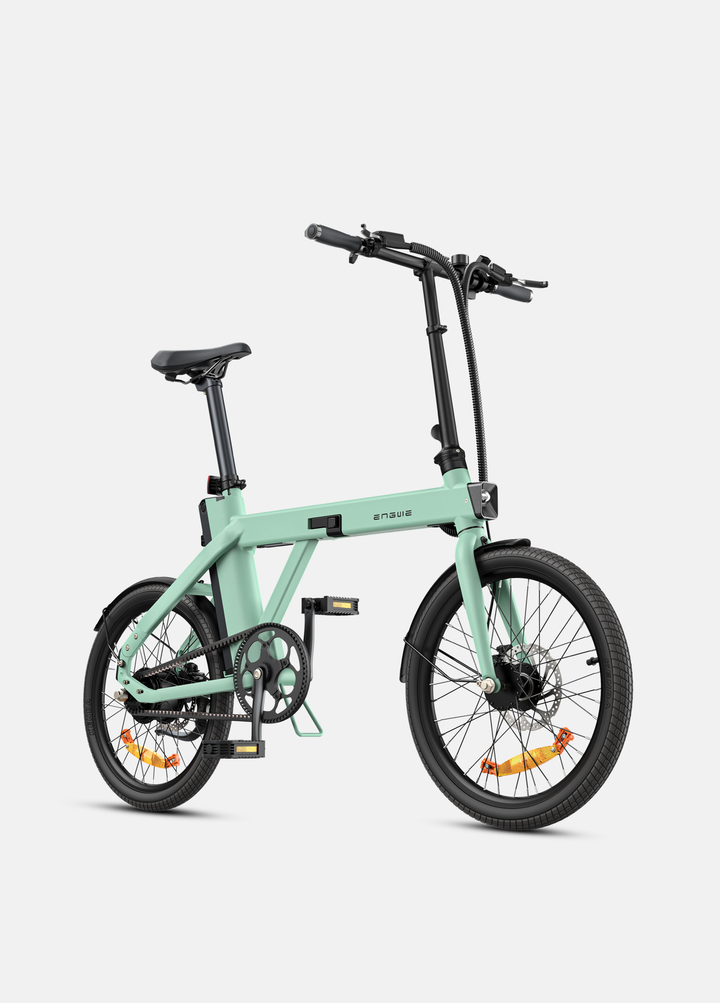
While Onyx’s specialized, moped-like approach is no doubt appealing to some, there is a large portion of the population looking for something a bit more versatile and practical that provides power and all-terrain capability, without getting caught up in legal hassles of owning a moped-class vehicle or the obscene weight of a moped itself. This is where a company like ENGWE really shines, providing us consumers with a quality alternative thanks to the EP-2 Boost. Everything on the ENGWE EP-2 Boost is functional design, designed and built as a foldable fat-tire electric bike that is up for anything. Just think for a second of a potent electric bike you can fold and stuff into any car or closet. Central to it is a smart, responsive motor system that includes a torque sensor, so the assistance from the motor feels completely natural and seamless, as it precisely follows your output. The added power from the EU-legal 250W brushless motor comes into its own on occasions when you need a bit of extra oomph, such as when powering up a steep gradient. A tap of the "Boost" Mode button delivers a punchy 55Nm of torque to make mincemeat of the most hilly of districts. The bike is highly versatile in its capacities, due in part to its 20 x 4.0-inch fat tires with one-piece wheels, which provide more stability and durability than traditional spoke wheels on such conditions from pavement to sand to gravel. Never suffer from range anxiety with the massive 48V 13Ah removable battery which can last up to 120 km. Practicality is built-in throughout, with a beautiful pair of 180 mm disc brakes allowing you to stop in a moment, as well as a rear rack and fenders that you can use straight from the box to help carry any extra luggage. This makes the ENGWE EP-2 Boost a strong and savvy option for a rider looking for a multifunctional, ride-anywhere, do-anything electric bike.

Comparison: Onyx RCR and Onyx CTY2
| Feature | Onyx RCR | Onyx CTY2 |
|---|---|---|
| Best For | High-Performance, Moped-Style Riding | Urban Commuting, Town Runabouts |
| Frame Style | Top-Tube, Café Racer/Moped Inspired | Step-Through, Upright Comfort |
| Maximum Speed | Up to 60 mph (off-road mode) | Up to 20 mph (Class 2) |
| Motor | High-Torque Hub Motor (72V System) | Hub Motor (48V System) |
| Battery Capacity | 23Ah (standard) or 41Ah (high capacity) | 23Ah |
| Approximate Range | Up to 75 miles (depending on battery/mode) | Up to 60 miles |
| Suspension | Front & Rear Suspension | Front Suspension Fork |
| Riding Position | Aggressive, forward lean | Upright and relaxed |
| Pedalability | Low (pedals are mainly for legal classification) | Moderate (more practical for low-speed riding) |
| Weight | 145+ lbs | 83 lbs |

Frequently Asked Questions (FAQ)
Do I need a special license or do I need to register to ride an Onyx RCR?
This is a critical question, and the answer depends on your local laws. The RCR is often too powerful/fast to be considered a Class 1, 2, or 3 electric bike in its stock form. It would legally be a moped, motor-driven cycle, or light motorcycle in many states and countries. This might involve a special driver’s license endorsement, vehicle registration, and insurance. The CTY2 falls within the Class 2 e-bike category and usually doesn’t need a special license. Before you purchase, PLEASE check your state or local Road Traffic Law for Motor-Driven Cycles (AKA mopeds).
Can you pedal an Onyx RCR if it loses a charge?
Technically yes, the RCR has pedals that work. Realistically, no. It’s a very heavy bike, over 145 lbs, and the crank gear ratio is not optimized for human-powered locomotion. In practice, the pedals are there just to help the bike look more like a "bicycle" in those areas where lawmakers insist on making the impossible attempt to legally define what a bicycle is, and they are best thought of as emergency backups for moving the bike a very short distance, or as simple footpegs during regular riding. You should assume you will always be riding on motor power on your trips.
What is the real-world range for an Onyx e-bike?
The quoted range (ex: “up to 75 miles” on the RCR) comes from an ideal scenario: the lightest rider, under ideal conditions, riding perfectly efficiently on the most economical power mode (Eco mode) without ever stopping. In the real world, your range will depend greatly on your weight, how you ride, what kind of terrain you are on, and what power mode you choose. Range also may be affected if you travel up steep hills, carry heavy loads, or stop frequently. If you use the high-powered Sport mode a lot on the RCR, with a lot of acceleration and hill climbing, range might be more like 30-40 miles. A mix of city riding on the CTY2 should net you a very practical 35-50 miles. We suggest being conservative with range estimates for your first few rides until you learn how your riding style impacts battery life.
How is the build quality and long-term reliability?
Onyx is built with quality materials, like a steel frame, strong drivetrain, and quality suspension. General build quality is said to be very high in the e-bike world, which no doubt justifies their premium positioning. But like any machine, it needs checking and servicing at regular intervals. They say that standard care includes checking brake pads, tight bolts, and battery care. The company has iterated on several generations of its product and dealt with early issues. It's fair to say most owners agree they're reliable machines if you keep on top of them.
How strong is the community support for Onyx owners?
One of its greatest assets is the community at Onyx. Being an enthusiast brand, they've also cultivated quite a passionate user community. There are a number of big, bustling Facebook groups and web forums in which owners can share everything from custom mod projects and performance tuning tips to troubleshooting advice and ride meets. This network of fellow riders is a great way to learn the ins and outs of your new bike. Onyx does offer official support for their products, but this is more of a helping hand, while the owner community forums are generally faster and surprisingly often much more practical for everyday questions or minor problems.
In the end, by choosing an Onyx, you're investing in a one-of-a-kind ride that expertly combines vintage style and thrilling electric power.