When you’re in the market for a QuietKat electric bike review, it’s not like buying any other e-bike. You want a specialized tool, a durable companion meant to carry you well beyond the paved path and deep into the wilderness. You want to find out if this top-of-the-line brand, designed to meet hunters' and outdoor lovers' needs, really lives up to its promise of power, performance, and all-terrain domination. This in-depth review is here to cut through the noise and get you the key details you need. We’ll scour the entire QuietKat lineup, provide a detailed look at the real-world performance of their most popular models, and identify some of the most important factors you should consider before buying, so you can figure out if a QuietKat is the unmatched off-road vehicle you’ve been looking for.
QuietKat has quickly developed a solid reputation for its unique line of electric bikes, each designed with a specific job in mind in the great outdoors. Knowing their product line is the first step to discovering your ideal match. Here is the full lineup of QuietKat e-bikes, displaying their clear segmentation into heavy-duty workhorses and more versatile explorers:
Apex Series (Flagship All-Terrain)
Ibex Series (Full-Suspension Trail Dominator)
Ranger Series (Versatile All-Terrain Performer)
Pioneer Series (Accessible All-Terrain)
Jeep E-Bike (Co-Branded Off-Road Powerhouse)
-
Villager Series (Urban & Light Trail Comfort)
The Villager is a classically styled, road/path comfortable commuting bike with an upright riding position!
Real-World Ride Impressions: Apex vs. Ranger
But to really get to the heart of what makes QuietKat a top leader in the off-road e-bike industry, I want to go beyond a list and talk about what it's like to actually ride some of their most popular e-bikes. We will focus on the Apex and the Ranger, two bikes that sum up the QuietKat approach really well. As soon as you throw a leg over the QuietKat Apex, you sense that it has a purpose. This is not a lightweight "fun-commuter" you ride casually. The frame design will make you feel as if this bike belongs to you and your trail-mates. Accelerating with the massive mid-drive motor is a revelation. It’s a wall of torque, as daunting as can be, but one you can modulate as if on a dimmer switch while crawling slowly over obstacles or flicking it like a light switch and letting Jesus take the wheel for out-of-the-saddle efforts on steep, technical pitches. All that you see and feel is pure possibility. The huge fat tires appear to glide over sand, mud, and loose rocks, yet the sturdy front suspension fork soaks up agonizing hits, so your arms and shoulders don’t take on fatigue on long backcountry trips. From the wide handlebars to the strong hydraulic-disc brakes, every component feels overbuilt and ready for abuse. The Apex is more than a bike; it is a machine that gives you confidence to explore further into rugged territory. Then we come to the Ranger; the experience is a bit different but just as amazing. It seems more like the prototypical all-rounder. It perhaps doesn't have the absolute top-end speed of the Apex, but its hub-drive motor is fast-reacting and packs more than enough punch to suit the vast majority of off-road scenarios. You can feel that balance when you’re riding the Ranger on a combination of fire roads and singletrack. It’s so agile that it can be a blast on flowy trails, yet still has the QuietKat stability and toughness that you’ve come to expect. The build feels solid, and it's obvious that no rattles or creaks slipped through the build. The optional single-wheel trailer system is a game-changer for hunters and campers, and you can really feel that the bike was conceived from the outset as a cargo-hauling platform. It is a practical, powerful, and long-lasting electric bike that’s built to make every outdoor adventure fun and accessible.

Beyond the Bike: The QuietKat Ecosystem and Build Quality
There is also the personality of the brand that makes a prospective buyer wonder if it's worth investing in, beyond just raw, on-the-trail performance. That is where QuietKat really stands out above the competition. First, the accessories ecosystem with the brand is unmatched. They don’t just sell bikes; they sell a total off-road mobility system. From hauling trailers, carrying coolers, and gun racks to pannier bags, every accessory is made to work with their bikes. This all-encompassing aspect extends beyond just the bike itself—it also creates a platform into which you can adapt your bike for hunting, fishing, overlanding, and property management. Another great benefit is the attention to build quality and components. QuietKat uses quality and serviceable components from the top suppliers in the industry, including Bafang, SRAM, and Tektro. That is important for a bike built to tough it out on tough terrains. Frames are solid, welds are clean, and the general build quality seems to be more than up to years of hard service. This focus on ruggedness is why the brand carries a premium position that is tough (no pun intended) for buyers that depend on their gear in the backcountry. And, with QuietKat's customer service and dealer network, that can be a beneficial resource. They know their customers and are able to provide help with the unique problems you'll face with a high-performance electric bike in the backcountry. To many buyers, being confident they have a solid company behind their purchase, one with parts and know-how, is every bit as crucial as the horsepower of the bike.
A Worthy Alternative: The ENGWE EP-2 Boost
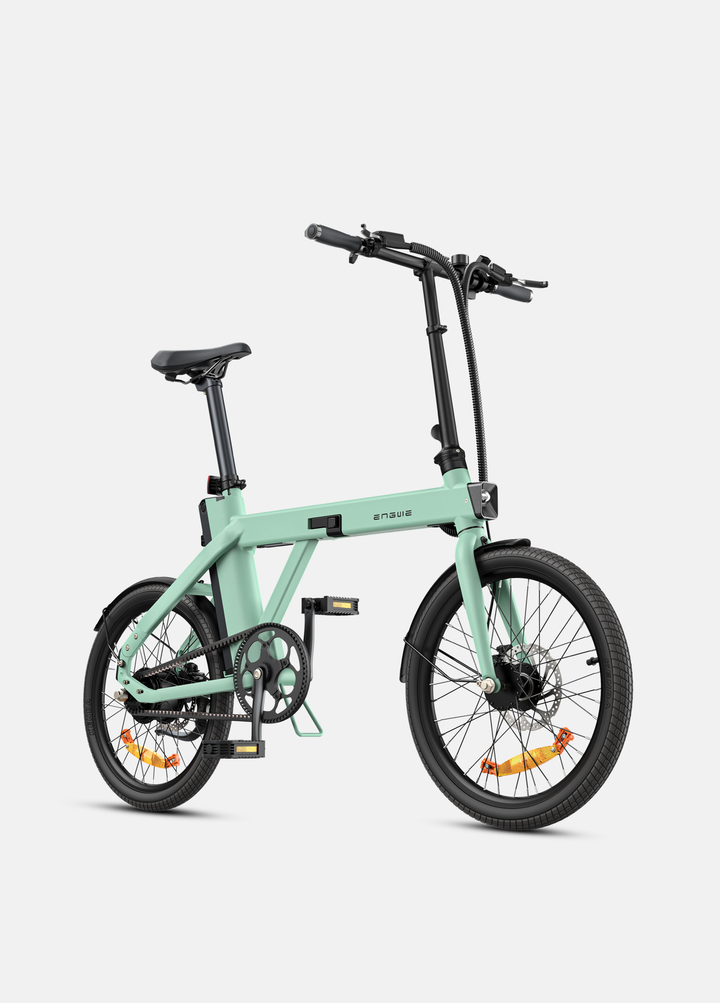
Although QuietKat has done an excellent job targeting its niche consumers—making the most hardy bikes for the serious, rugged off-road riders—it’s worth mentioning there are riders who are looking for a different combination of things, particularly portability, urban maneuverability, and advanced motor technology for a smoother ride. The ENGWE EP-2 Boost is an interesting alternative for this user. This compact electric bicycle is an intriguing study in engineering and design that mixes all-terrain capabilities with unparalleled transport convenience. It's equipped with a 250W (limited to 15.5mph in EU) powerful, brushless front motor and the ability to hit the Boost button, allowing you to get a whopping 55Nm of torque when you need to tackle those hills. What really separates it from the pack is its advanced torque sensor that makes it really intuitive and smooth to use – it feels like you’re the one doing the pedaling, just with a bit of a mechanical helping hand. With 20 x 4.0-inch fat tires and a front suspension fork, it’s ready for everything from blacktop to gravel and dirt roads. The 48V 13Ah battery is removable, and with a range of up to 120km, you will never worry about running out of battery on your long commute or adventure. The EP-2 Boost is also a very functional choice; its sturdy rear rack, fenders, and brilliant one-piece wheels are durable and useful, and the foldable frame is also ideal for storing in a flat, RV, or in the trunk of a car. The ENGWE EP-2 Boost is an excellent option for an e-bike that’s responsive, capable of tearing it up on the trails, and offers a well-executed design for the rider who wants to migrate between urban and more treacherous settings.


QuietKat Product Parameter Comparison
| Feature | QuietKat Apex | QuietKat Ranger | QuietKat Ibex |
|---|---|---|---|
| Motor Type | Mid-Drive | Hub-Drive | Ultra Mid-Drive |
| Motor Power | 750W / 1000W / 1500W | 750W / 1000W | 1000W |
| Battery | 17.25Ah/48V | 12.8Ah/48V | 21Ah/48V |
| Suspension | Inverted Air Fork (150mm) | Coil Spring Fork (100mm) | RockShox Full Suspension |
| Brakes | Tektro 4-Piston Hydraulic | Tektro 2-Piston Mechanical | Tektro 4-Piston Hydraulic |
| Gearing | SRAM 9 speed | SRAM 7 speed | SRAM 9 speed |
| Tires | 26" x 4.5" | 26" x 4.5" | 26" x 4.8" |
| Best Use | Mountain Cycling | All-Around, Trekking | Trail Riding, Downhill |
5 Things to Know (FAQs) About QuietKat E-Bikes
Are QuietKat bikes street legal?
This is a critical question. QuietKat bikes—and in particular the 1000 and 1500-watt versions–often exceed the power ratings for class 1, 2, or 3 e-bikes in many areas and, in doing so, take themselves out of that category. They’re built for off-roading on private property and designated OHV trails. But most have programmable features that can limit the speed and power settings down to whatever your local street laws require. Make sure to consult local and state regulations for e-bike classification and motor wattage before you ride on streets or bike paths!
What is the real-world range?
The advertised range is calculated under ideal circumstances (flat terrain, low level of pedal-assist, average rider weight). For a QuietKat, that real-world range is going to vary dramatically depending on your usage. If you are ham-fisting the throttle and climbing relentless grades in the backcountry, your range could be far below the advertised level. On the other hand, if you are riding with less pedal assist while on rolling terrain, it is not too hard to achieve or even exceed the claimed range. As a general rule of thumb, you can expect around 20-40 miles of hard off-road use, but terrain, rider weight, and how much you use the throttle really come into play.
Why are QuietKat e-bikes so expensive compared to other fat tire bikes?
The price reflects the fact that it is aiming to be a "specialized tool," rather than a "general-purpose" e-bike. The price is supported by a few things: A) High-quality powerful mid-drive motors, which are more complex (and expensive) than the simpler hub motor since they offer “gear reduction.” B) Higher capacity batteries, C) A beefier frame designed for heavier load-carrying capacity, D) More high-end components including 4-piston hydraulic brakes and quality suspension, and E) There is a good chunk of R&D money built into these for off-road performance as well. You are buying a level of ruggedness, strength, and capability that is engineered for the harshest environments.
What do QuietKat bikes weigh, and how easy are they to transport?
QuietKat bikes are heavy. They're designed to be strong and last, not to be light. The majority of models range in weight from 70 to 80 pounds (32-36 kg). Hoisting one onto your common car roof rack is a real handful for one person. Many owners employ a heavy-duty hitch-mounted e-bike rack, which is designed and rated for the weight of the bike. Although not traditionally very portable, their purpose is their capability once you get where you’re going.
How do you maintain a QuietKat?
Just as with any quality high-performance vehicle, your QuietKat eBike is a complex piece of equipment that may require regular maintenance to ensure its continued safe and proper operation. That includes rudimentary bike maintenance such as a clean chain and proper lubrication, tire pressure, and bolt tightness. More specific to e-bikes, you’ll want to routinely check brake pads for wear and tear (especially given the high speeds and added weight), as well as your battery’s health by charging it correctly. It’s also a good idea to have it professionally serviced once a year to inspect the motor, electrical connections, and suspension components, particularly following a tough season of use.
In the end, a QuietKat electric bike is a boldly designed, purpose-built tool and investment for the hardcore outdoorsman wishing to wring the maximum performance from their gear when they conquer the wilderness.