The Dream of a Tesla Ebike: Concept, Hype, and Reality
The so-called Tesla name is synonymous with innovation, minimalist sexy design, and an electric future. For a long time now, the brand has entirely owned the market for electric vehicles, its name becoming shorthand for high-performance, state-of-the-art technology. It’s not very surprising, then, that talk has shifted naturally towards other types of personal electric mobility.
There’s a lot of buzz about a possible Tesla electric bike, or ebike, on online forums and tech news sites. The idea has the imaginations of enthusiasts and commuters alike running wild: what would Tesla make if it set out to build something with two wheels? This review takes a deep dive into that very question, sifting through the rumors and delivering a nuanced explanation of what a Tesla ebike is, what it might provide, whether or not the hype and expectations around it are realistic, and giving you all you need to know.
One thing that tripped up many people is that many consumers were unsure what Tesla’s current ebike lineup looks like. Just to clear the air, currently, Tesla doesn’t have a line of ebikes released commercially for purchase. The intense hype is almost all conceptual. So, here's the full list of Tesla's ebike commerce efforts:
Tesla Model B (Concept)
The Tesla Model B is the ghost product behind all the “Tesla ebike” talk. It's no production model that you can buy, but a sweet conceptual design that was made by independent designer Kendall Toerner. But to whet the appetite for what a Tesla ebike could look like, we can examine the Model B concept as if it were in fact a real thing, breaking down the features it proposes and what the user experience of one might be.
At first glance, the Model B is all Tesla. Its frame is a clinic in minimalism, looking like a single, sweeping piece of metal and shunning all the typical bike architecture. There are no chains or gears; it can only be assumed that it will have small motors in the hubs (probably of both tires, for complete AWD) ensuring a smooth, maintenance-free electric drivetrain. Nor are the handlebars a traditional set of bars; they are a pair of forward-sweeping grips that appear to materialize from the frame. The steering is not a function of turning but force-sensing input—you push forward on the hand grip in the direction you wish to go. This provides a ride experience no electric bike can replicate. Pedaling the Model B would be less like pedaling and more like coasting.
The quiet, unstoppable acceleration would be immediate. Its built-in LiDAR and camera sensors would establish a 360-degree safety bubble around the rider, informing the rider of obstacles that would then stop the bike in a feature plucked from its four-wheeled cousins. The primary display isn’t a piddly, bolt-on screen, but fully integrated into the top tube of the frame, displaying speed, navigation, and battery life in a clean, futuristic display. Everything about it, from its spokeless wheels to its automatically deploying shock absorbers in the hubs, is built for an effortless, intuitive, and above all, safe ride.
The Tesla Ecosystem and Ownership Experience
The choice for a prospective buyer is not merely a product- or feature-based one. It means looking at the brand's ecosystem, thinking long-term, and how this will integrate into their lifestyle. A theoretical Tesla ebike would embody all of this. The draw would of course be tying it into the existing Tesla ecosystem. Picture your ebike charging itself on a branded Tesla charging dock inside your garage, updating its software overnight like a Tesla car, and having its location and status perfectly synced with your Tesla app. The battery tech would be another huge selling point.
Being that Tesla is one of the world’s most experienced battery builders, one would expect that they would put a battery in the ebike that is class-leading in terms of capacity, lifespan, and power density – possibly far exceeding anything else in the market today. Plus, a Tesla ebike would be a statement product. It's a vision that stands for quality, innovation, and sustainability, and it sets the stage for our continued leadership in the electric vehicle space.
But it could provide a better ownership-experience through Tesla’s robust service infrastructure, something most ebike brands can’t come within a country mile of offering. For the gadget-crazy city urbanite, this is all very appealing. It’s more than just a means of getting around; it is an extension of a connected, efficient, and modern way of living. The potential of on-board, even prototype "autopilot" would be a quantum leap for personal mobility and commuting, and would make travel more relaxing and safer than it’s ever been.

The ENGWE EP-2 Boost: A Real-World Alternative
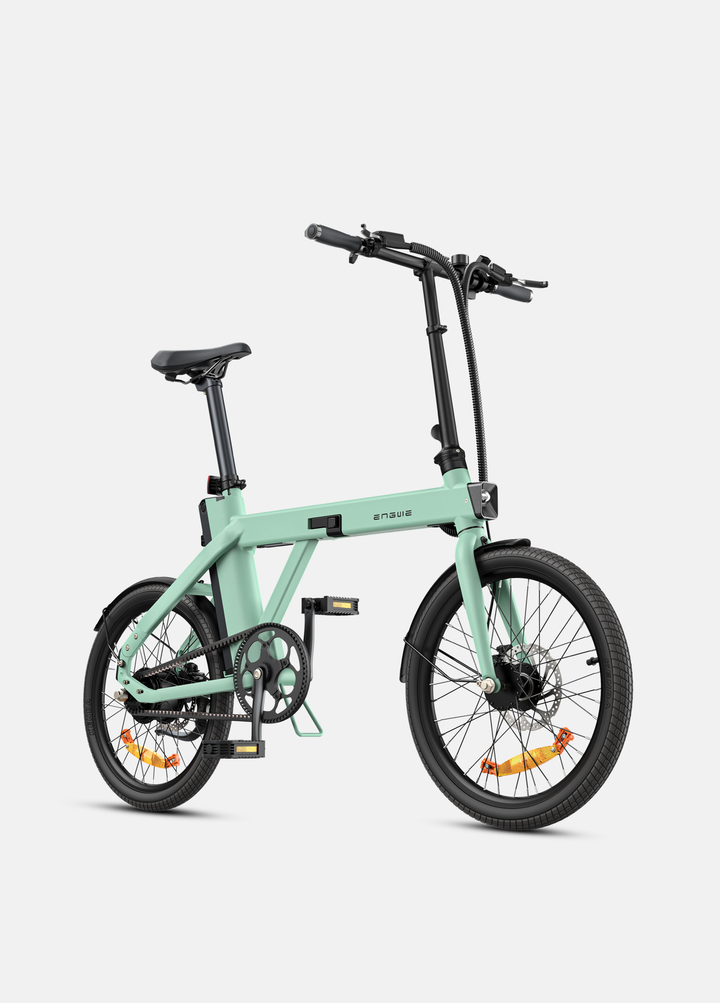
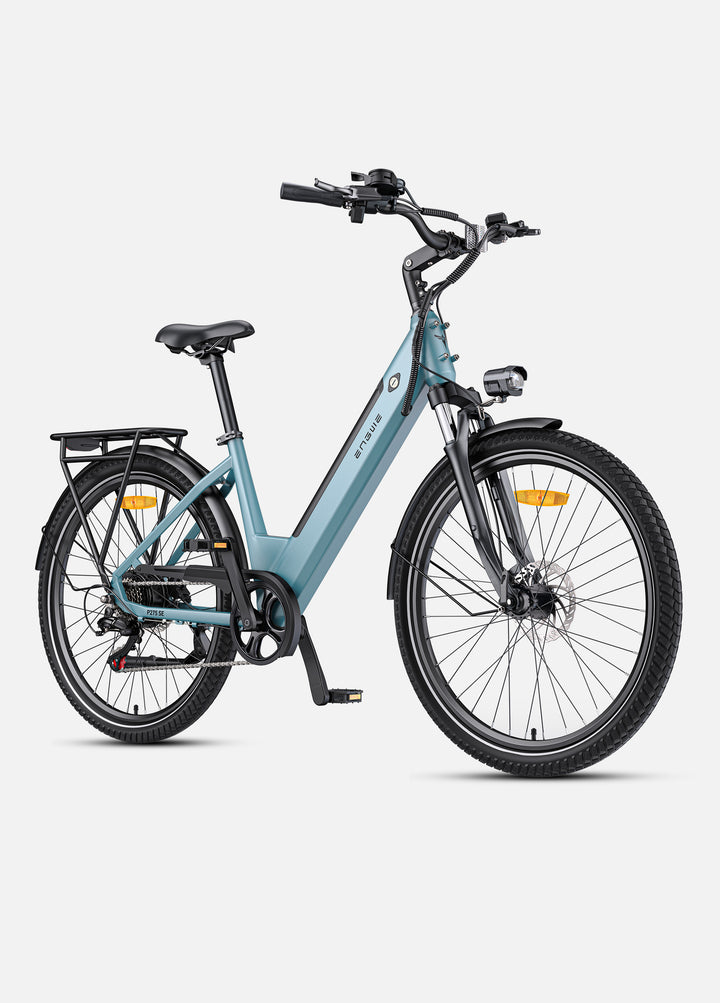
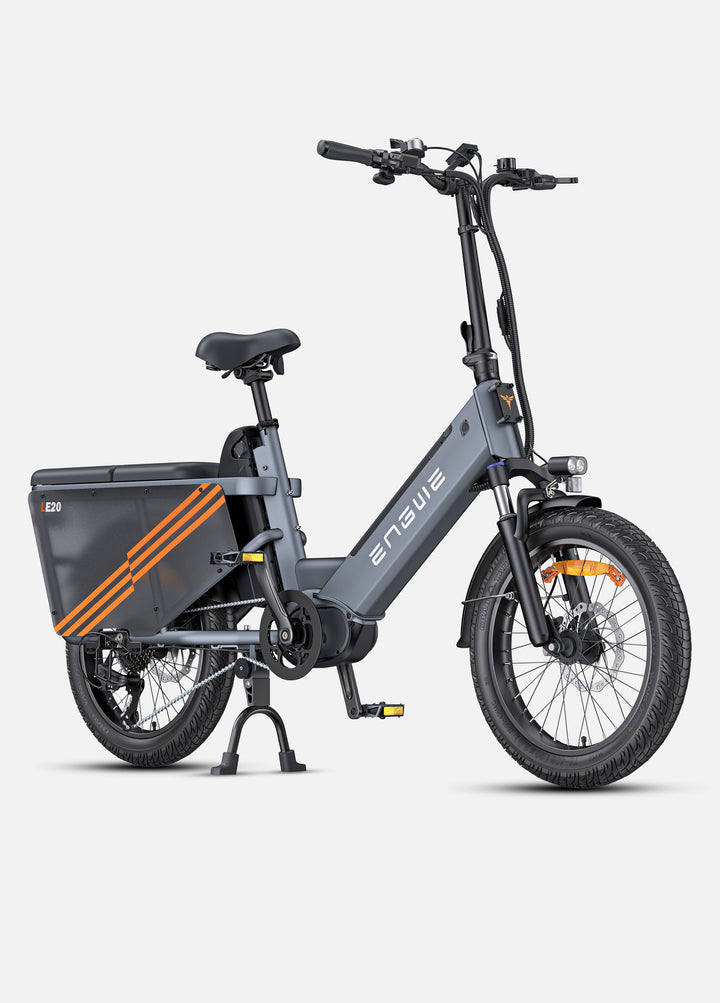
As much as a Tesla ebike is a sexy dream, the fact is that it’s still a concept and nobody has any idea on when it will be released. For riders looking for a strong, unique, and feature-packed electric bike now, years of waiting is not a viable choice. That is where brands such as ENGWE are shining, providing real-world technology with amazing performance now. Enter the ENGWE EP-2 Boost, a fat-tire folding electric bike that carries a no-nonsense attitude of power and multi-tool functionality that many cyclists are looking for. It has a powerful EU-legal 250W brushless motor, but the crucial addition is a Boost button that delivers a huge 55 Nm of torque when you need it. This mode delivers an immediate boost to your power when you need it, such as climbing uphill. The ride is incredibly smooth and natural with an advanced torque sensor that provides just the right amount of power assistance in relation to your pedaling input; it's the most intuitive eBike system yet. Ready for anything, the 20 x 4.0-inch fat tires and one-piece wheels provide phenomenal traction and ensure you can push through sand, snow, and gravel, over jumps, and across undulating surfaces due to their incredible stability and durability across the broadest of terrains from tarmac to trails and everything in between. It’s down-to-earth practical, really: the bike is foldable for convenient transportation and storage, and there is a detachable 48V 13Ah lithium-ion battery that provides a range up to an impressive 120 km. Safety is at the front of mind too, as a pair of powerful 180mm front and rear disc brakes ensures dependable stopping power. This is not just a vision for the future: it's the best of both worlds, in store and waiting for you today.

The EP-2 isn't just a concept—it's a fully-realized electric bicycle that's ready to ride.
Tesla Model B (Concept) Detailed Features Analysis
| Feature Category | Proposed Specification / Design Philosophy | Potential User Benefit |
|---|---|---|
| Frame and Design | Ultra-slim, one-piece frame. All cables and typical components are seemingly unseen. Integrated LED lighting strips. | Beautiful appearance, minimalist, less cleaning, better aerodynamics, as well as visual safety. |
| Drivetrain System | Dual-motor, all-wheel-drive hub system. No physical chain or gears. Direct power delivery. | Adhesion capable of handling any surface, silent operation, no greasing, and instant acceleration. |
| Steering | Force-sensing handlebars. Instead of rotating the handlebars, the rider applies pressure to steer. | Very intuitive and efficient control, and could perhaps result in more accurate and stable riding at speed. |
| Safety System | Integrated LiDAR, radar, and cameras to ensure a 360-degree environmental scan. "Autopilot" style proximity alerts. | Never crash again, collision avoidance alerts, and a rider that’s more aware in busy urban areas. |
| Suspension | In-built front and rear shock absorbers that self-adjust depending on the ground conditions. | A super-smooth ride that soaks up bumps and road buzz without interrupting the frame's aesthetic with chunky external suspension. |
| Wheels & Tires | Spokeless wheel structure. Airless tires. | Modern, futuristic look. Eliminates the risk of flat tires and broken spokes. |
| User Interface & Tech | Large screen integrated into the frame. Complete integration with the Tesla mobile app for remote control, security, and diagnostics. | Easy access to ride data, anti-theft tracking, and becoming part of the overall Tesla smart device ecosystem. |

5 Common Questions About the Tesla Ebike
Is the Tesla ebike truly for sale?
No, it is not. There's no actual (official) Tesla ebike for sale just yet. The product that has everyone talking, the Model B, is a concept produced by an independent industrial designer and not Tesla. Although Elon Musk has previously said Tesla could create an electric bike, there have been no official announcements, prototypes, or production plans from the company.
What would make a Tesla ebike special, compared to other ebikes?
The main differentiators would be the integration between technology, battery performance, and design philosophy. For a real Tesla ebike, that would probably involve an advanced “autopilot”-type system for safety, with sensors that can tell if cars or obstacles are around the rider. It would connect to the Tesla app for security and software updates. Its battery would be built using Tesla’s unmatched battery technology, and it would have an even better range and lifespan as a result. Lastly, the design would mirror Tesla’s design philosophy of minimalist surfaces, an integrated frame, and emphasis on user experience — removing traditional bike components like chains and extending screens.
And how would a Tesla e-bike fit in with other Tesla products?
One of its main appeals would be its full integration. You might expect it to have a charging setup that, say, would allow it to be charged from a Tesla car or Powerwall. On your phone, there’d be a Tesla app you could use to lock/unlock the bike, track its GPS location, see how much charge it has, plan your routes, and receive software updates over the air. This provides a unified environment for customers who have several Tesla products, and it offers more convenience and structured security benefits.
What are the most significant benefits of a fat-tire electric bicycle?
Fat-tire e-bikes are extremely versatile and comfortable. The high-volume tires (typically 4 inches or more) are a kind of natural suspension, absorbing the jolts from bumpy pavement, cracks, and holes in the road and rocky trails. They offer a significantly wider surface for making contact with the ground, which means better traction and stability while riding on sandy, snow-covered, gravel, or dirt roads. This renders them as genuine all-terrain vehicles, as well-suited to riding around downtown streets as pounding across a rough weekend path.
Should I hold out for a rumored Tesla ebike, or pick up something else now?
That entirely depends on your urgency and priorities. If you’re a rabid Tesla fan who’s intoxicated by the idea of its distinctive tech and you’re not in a hurry, then waiting might make sense, despite the fact that there’s no assurance it will ever exist. But if you’re seeking a dependable, high-performing electric bike for commuting or fun in the near future, you should buy from a known brand with a proven product in the market today. The ebike market is already mature, packed with forward-thinking companies making powerful motors, long-range batteries, and smart features, such as torque sensors—features that provide a great riding experience today.
And at the end of the day, the future of urban mobility has never been more electric, with your perfect ride waiting for you out there.