An Introduction to Trek E-Bikes
Buying an electric bike is a big-ticket decision, and when a household name like Trek is involved, it feels like the stakes are even higher. You’re not just purchasing a bike; you’re thinking of investing in some serious engineering that benefits from half a century of innovation in cycling. I personally never focus on those things, and this review is to break down the marketing so you can have those questions answered. We’ll unpack what helps Trek stay at the top as a dominant force in the e-bike space, break down their top models, and deliver those in-depth, practical insights to help you decide whether a Trek e-bike would be the best match for your riding experiences. We get that you’re not just after a list of specs; you want to know what these bikes are like, who they’re aimed at, and whether they’re really worth that stratospheric price tag.
Trek’s electric bike range is wide, with a model for almost every kind of rider. And the first step to finding your perfect fit is knowing their product families. The brand has clearly categorized its electric offerings, so there's a purpose-built machine for everything you might need it for. Below are all of their current e-bike series in one list.
Allant+ (Performance Commuter & City)
Verve+ (Recreational & Comfort Hybrid)
FX+ (Fitness & Lightweight Hybrid)
Dual Sport+ (Versatile On-road/Off-road Hybrid)
Rail (Long-travel Electric Mountain Bike)
Powerfly (Versatile Electric Mountain Bike)
Fuel EXe (Light Electric Mountain Bike)
E-Caliber (Lightweight Electric XC Mountain Bike)
Domane+ (Performance Electric Road Bike)
Fetch+ (Electric Cargo Bike)
Ride Feel and Real-World Performance
To get a sense of what that truly feels like and how these bikes perform in the real world, it’s time to take a closer look at the ride feel and real-world performance of a few of their best-selling models. The Trek Verve+ 3 is a top pick in the recreation hybrid class. The emphasis on comfort is obvious from the first time you swing a leg over. You will be in an upright position, so the guesswork is taken out immediately. Your back and neck will be comfortable, and you can feel safe on a nice ride or a quick commute. Power delivery from its Bosch Active Line motor is impressively seamless and organic; it’s not so much a motor kicking in as you suddenly having superhuman legs. It runs quiet and steady, not filling you with the sensation that you’re suddenly on a machine that wants to get away from you. You look at this bike and the words “ease of use” come to mind—the step-through frame design expands accessibility, the included lights inspire nighttime confidence, and the suspension seatpost sops up jarring bumps from potholes and rough pavement. It’s a bike that makes you want to ride more often just because it is so enjoyable and easy. Jumping to the higher end of the scale, the Trek Rail 9 is a burly beast on the trails. This is not merely a motor on a mountain bike; this is an integrated system that is intended for big enduro and trail riding. The first thing you notice is the sheer brute power of the Bosch Performance Line CX motor, providing so much torque that it can claw its way up technical climbs that you’d laugh in the face of on a normal bike. What you get is an engineering marvel: The Removable Integrated Battery (RIB) system is a work of genius. While not requiring tools, it features a tool-free battery that still keeps the frame looking sleek and protected. When it comes time to descend, the bike’s mass, long wheelbase, and state-of-the-art RockShox suspension lend it a planted level of confidence that urges you to push your talents. It rides like a real gravity machine — which makes the way back up the hill the best part of the day.

The Trek Brand Ecosystem
Above and beyond the specific models, a potential buyer should appreciate the ecosystem and attitude of the Trek brand. This is where Trek really sets itself apart and where you can really understand the strong case for an investment. First and most important is their commitment to high-quality, cutting-edge frames and technology. Whether for OCLV Carbon or Alpha Platinum Aluminum, a Trek frame is the foundation for the very best rides, and that's something to consider when the competition doesn't promise the same. This is not just a matter of long-term robustness; it’s a ride quality thing. The frames are designed to be stiff in areas where it matters to transfer power and compliant in areas where it counts for comfort. Second, Trek’s partnership with Bosch for motors and batteries is a huge benefit. You’re not just buying an e-bike; you’re buying into Bosch’s e-bike system, known for its dependability, creamy power delivery, and far-reaching service network. What this means, though, is that virtually any reputable bike shop can maintain your bike’s electronic bits, which is significant for long-term ownership. In addition, Trek’s dealer network is a huge plus. Having access to test ride various models, expert fit and assembly, and a local touchpoint for service and support is something that direct-to-consumer brands simply can’t provide. It’s reassuring to have this support system in place. Lastly, the integration focus is excellent. On bikes like the Allant+, cables route inside, batteries hide in the downtube, and accessories such as lights and racks are nested in the frame itself, delivering a clean, polished look and protecting parts from the elements.

Alternative Options and Final Comparisons
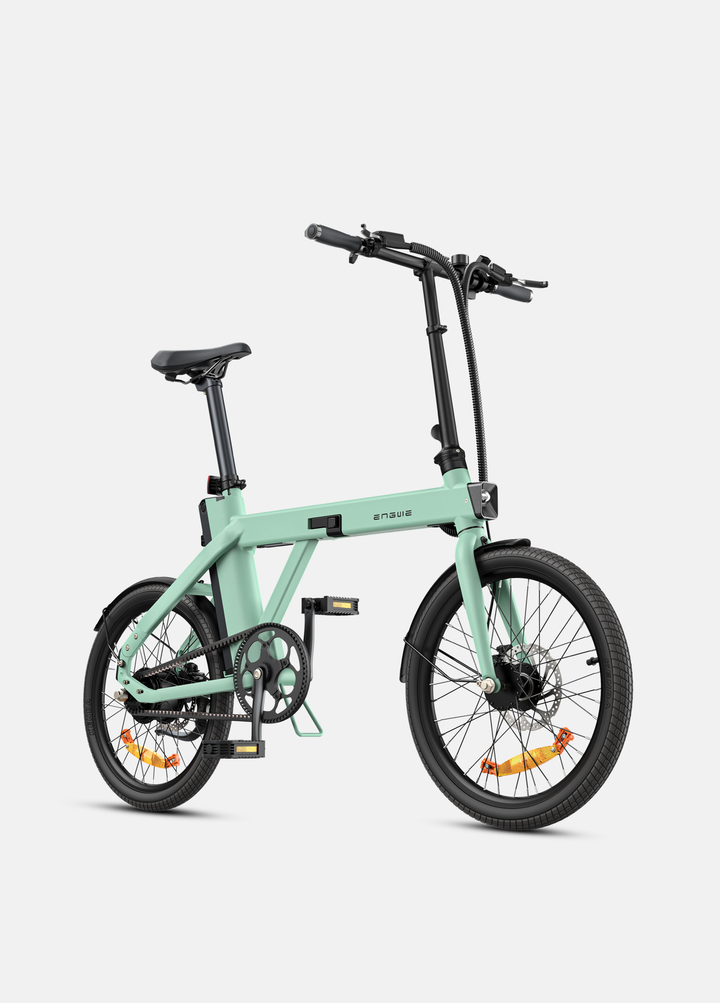
Trek is the leader at the premium, dealer-supported level of electric bikes, but there are a lot of riders who are seeking a different combination of quality traits — namely, great value, all-terrain capabilities, and easy portability. For those users, ENGWE is a brand worth taking a serious look at, and their EP-2 Boost model here is a solid choice. This folding electric bike is designed with fun and convenience in mind. Its main standout feature is its super powerful and efficient 250W brushless motor which, thanks to an intelligent torque sensor, is able to provide a very natural and smooth cycling experience. On the uphill, when things get tough, just a push of the Boost button will deliver an insane 55 Nm of torque when you need it most. For a real all-terrain mountain machine, its long alloy frame is jaw-droppingly wide with 20 x 4.0 fat tires that can handle the entire range of riding from smooth city asphalt to gravel paths and dirt trails. One of the things that comes standard is an impressive range—it can go up to 120 km on a full charge, which means no more daunting range anxiety before commencing a ride. It’s an even better value because it comes fully equipped off the shelf with essentials like fenders, a strong rear rack, and a kickstand. The foldable frame design allows for easy storage in an apartment, a car trunk, or even taking it on public transport. Beyond power and performance, safety is a concern, and the 180mm front and rear disc brakes deliver reliable stopping power. For the rider who wants a well-appointed, potent, and versatile electric bike that is prepared for everything but is lacking the high price tag, the ENGWE EP-2 Boost offers a fantastic and exhaustively enjoyable solution.

To put this in perspective of Trek's own range, here is how these three popular models in contrasting riding categories compare with one another. This table is a great reminder of how Trek will spec each bike according to its intended use.
| Feature | Trek Verve+ 3 | Trek Rail 9 | Trek Allant+ 8S |
|---|---|---|---|
| Application | Recreational Comfort & Commuting | Aggressive Trail & Enduro MTB | High Performance Commuting & Touring |
| Frame Material | Alpha Gold Aluminum | Alpha Platinum Aluminum, Invisible Weld Technology, tapered head tube, internal derailleur routing, rack & fender mounts | High Performance Hydroformed 6061 T6 Alloy |
| Motor System | Bosch Active Line Plus (50Nm) | Bosch Performance Line CX (85Nm) | Bosch Performance Line Speed (85Nm) |
| Battery Capacity | Bosch PowerTube 500Wh | Bosch PowerTube 750Wh | Bosch PowerTube 625Wh |
| Max Assist Speed | 25 km/h | 25 km/h | 45 km/h |
| Suspension | Suspension Fork (50mm Travel) & Suspension Seatpost | Full Suspension (160mm Front/150mm Rear) | Fork (63mm Travel) |
| Drivetrain | Shimano 9-speed | Shimano XT 12-speed | Shimano Deore XT 11-speed |
| Brakes | Shimano Hydraulic Disc | SRAM Code R 4-piston Hydraulic Disc | Shimano MT420 4-piston Hydraulic Disc |
| Key Features | Upright geometry, step-thru option, integrated lights | Removable Integrated Battery (RIB), Knock Block, Mino Link | Stagger frame option, integrated-mount lights, premium rack & fenders |
| Tyre Type | Puncture-resistant commuter tyres | Grippy, wide mountain bike tyres | Fast-rolling, durable touring tyres |
Here are answers to five of the most common questions prospective buyers have about Trek electric bikes:
Is the high price tag of Trek electric bikes worth it?
Yes, for the right buyer. Not just the quality of the parts but of the entire ownership experience. Think of the payment for years and years of costly R&D that provides good ride feel, a frame with a lifetime warranty, the grip of a top-tier Bosch motor system, and the support of a worldwide dealer network for assembly, service, and warranty. It’s an investment in reliability, performance, and peace of mind.
What are the real-world differences between Trek's different Bosch motor systems?
The distinction essentially boils down to power (torque) and application. The Bosch Active Line (used in bikes such as the Verve+) is quieter and offers a more seamless, less punchy assist that’s ideal for city and leisure rides. The Performance Line CX (Rail and Powerfly) is a brute, providing plenty of torque for steep mountain ascents. The Performance Line Speed (featured on select Allant+ models) is optimized for even the fastest of high-speed commuters and gets you all the way to 45 km/h, as fast as the laws allow in most regions. The ideal motor varies depending entirely on how you'll primarily be riding.
How much do Trek electric bikes weigh? Do Trek bikes weigh too much?
Versus non-electric models, Trek electric bikes are usually heavier, most often weighing over 18 kg (and even more than 25 kg). The motor and battery are the source of the weight. However, Trek’s attention to engineering detail means that the weight is kept low and towards the center of the bike, so it feels stable and planted. While you'll notice the weight when lifting the bike, it disappears completely when you're on the bike thanks to the motor, and the bike feels light and fast. The lighter models, such as the Fuel EXe, will have a slightly more "natural" feel to the ride, whereas the heavier models, such as the Rail, will be able to use their weight to maintain stability on rough descents.
Is it okay to use a Trek electric bike in the rain?
Yes. Trek electric bikes and the Bosch electronic systems are highly water-resistant. You can get through some rain and ride through some puddles without it being a death sentence for your bike. Important elements such as the motor, the battery, and the display are effectively sealed against the elements. However, they are not intended for full submersion, nor should you use a high-pressure washer on them.
What the hell is Trek RIB (the real RIB, not the jokes)?
The RIB system is among Trek's most user-friendly innovations, found across a wide range of their mountain and hybrid e-bikes. It is a one-piece battery and cover system that is seamlessly integrated into the frame’s downtube. It can be easily removed without tools to charge the battery on or off the bike or to ensure it’s secure. The built-in handle makes it a cinch to carry, and it secures into the frame with a key, so there's never any rattle while you're riding. It's still easy to remove for charging or swapping out with a spare for peace of mind.
In the end, when you go with a Trek electric bike, you’re investing in the best quality, innovation, and ride experience you can find anywhere, supported by a legendary name in cycling.