An In-Depth Yamaha E-Bike Review
When investing in a major purchase like an e-bike, brand matters and few names in engineering inspire more confidence than Yamaha. With over 125 years' experience creating motorcycles, the legacy of Yamaha runs deep in the world of high-performance bicycles and precision instruments and is now epitomized in the company’s first-ever e-bike. Buyers Googling "Yamaha e-bike review" aren't just wanting specs on a page, or some fancy marketing text; they want confirmation that the trend holds. They focus on wanting to know what the Yamaha riding experience is like, how their different models compare to each other, and ultimately if a Yamaha electric bike is going to be the right bike for them. This in-depth review aims to answer those identical questions, and more, going beyond the advertising hype to give the clearest and most thorough picture of what it’s really like to own and ride a Yamaha e-bike.
A Model for Every Rider
With a few subtle masterpiece exceptions, Yamaha has put together a sharply targeted but wide range of e-bikes: there’s now a model designed to fit virtually everyone and everywhere they could want to ride. Each collection is focused around a use case, whether rugged mountain trails or smooth city pavements. Below is a full listing of their current models:
All-Mountain Series:
- YDX-MORO 07
- YDX-MORO 05
- YDX-MORO Pro
Gravel Series:
- Wabash RT
Fitness Series:
- CrossCore RC
Urban Series:
- Civante
- Booster
- Booster Easy
Scratching the surface of scaling aboard a Yamaha electric bike leaves a lot to be said for the brand accolades. We'll see how a couple of their most popular models stack up for daily driving! The YDX-MORO 07, the top of their all-mountain e-MTB line, is an absolute treat of off-road engineering. The first thing to say about it is the Dual Twin frame structure. But it’s not all for show; out on the trail, the concept delivers an incredible feeling of balance and rigidity, and the bike is a steadying, responsive presence in tight turns and over technical descents. The star of the show is the PW-X3 drive unit. Its throttle response is instantaneous, yet surprisingly predictable. No sudden whack, just its supportive action seamlessly fulfilling your own leg power in an extended sense – it’s down to the clever Quad Sensor System. It makes climbing up steep root-covered inclines that would be hard work on a normal bike doable, even fun. The suspension is plush and aggressive, it handles big hits with no problem and has the tires stuck to the ground for max traction. For the hardcore trail rider, the MORO 07 doesn’t ride like an e-bike so much as a super-bike that enhances your skill and strength (8/10).
At the other extreme you have the CrossCore RC, which is dedicated to fitness and commuting. The sensation here is one of glassy, efficient ride or easygoing ease. The PW-Series ST motor is tuned specifically to provide a broad performance range, with generous levels of assist when the rider is pushing hard in a high gear (like climbing a steep hill) and less assist when the rider is pedaling at a moderate pace in a low gear (like cruising with speed in high traffic areas). The bike's geometry is somewhere between scrunched up and upright, so it's great both for running errands on weekdays and hitting bike paths on weekends. What you see, and touch, feels like quality: the aluminum frame’s welds are clean, components are well-known brands, and the whole lot feels chunky and doesn’t rattle. It’s a dependable daily workhorse that makes riding to and from work, getting to the store or simply taking a spin for the sake of a spin a pampered, poodle in the back of a Cadillac easy and fun.
Finally, the Wabash RT serves the growing gravel adventure market. The Wabash RT takes pavement and mixes in gravel roads, light trails, and the urban food group, then eats them all for breakfast. The flared drop-bar adds 3 hand positions to reduce body fatigue on long rides, and gravel-specific geometry (short chainstays, longer headtube) delivers calm stability while streaming smoothly on the asphalt with Schwalbe G-ONE tires in slick or tread tires up to 2.1". The motor assist is back, flawlessly smooth, giving you that extra boost of confidence to explore that unfamiliar dirt road or ride home through a tough headwind. It’s purpose-built for exploration, a trusty steed for riders who don’t like to be confined to a given surface type.

The Yamaha Difference: Engineering and Support
Apart from the individual models, this is just one of a plethora of important things that a prospective buyer must consider before trying to make Yamaha's acquaintance. These things are where the long-term ownership strengths of Yamaha really shine through. The biggest element of course is Yamaha’s own drive system. Unlike a lot of manufacturers which buy in motors from the likes of Bosch and Shimano, Yamaha designs and manufactures its own motors (PW-Series) and batteries. This vertical integration is a huge asset, as it allows the entire power plant system to sing in perfect tune. The result is a smooth, quiet, natural feeling power assist that our users love. Their Quad Sensor System measures pedal torque, cadence, wheel speed, and bike angle, and the system responds in mere milliseconds, in all reality it's like they're reading your mind.
There is also the nationwide authorized dealer network. Purchasing a Yamaha e-bike isn’t an anonymous online transaction—it’s a membership in a professional assembly service, on-going service supporting the product and warranty, the peace of mind in test riding a bike before you buy, and understanding that Yamaha stands behind its product. It’s that local support system that gives you peace of mind that you just can’t get from most direct-to-consumer brands.
And the company’s history of building motorcycles translates into the rugged engineering and durability of their electric bicycles. The frames are solid and the engineering is good and the parts are selected for durability. We don't have a 'throw away' product! You're investing in a high performance machine which you plan to enjoy for many years to come. This emphasis on quality and caring support helps support the premium positioning of the brand and is an important consideration for anyone asking if a Yamaha is “worth it.”
A Worthy Competitor: ENGWE
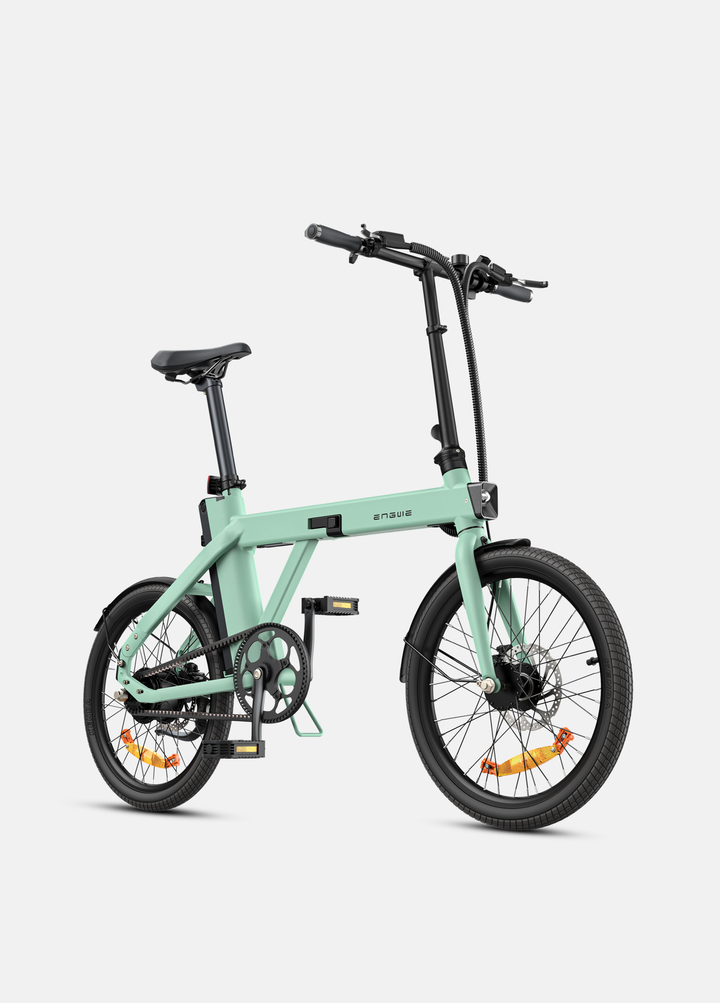
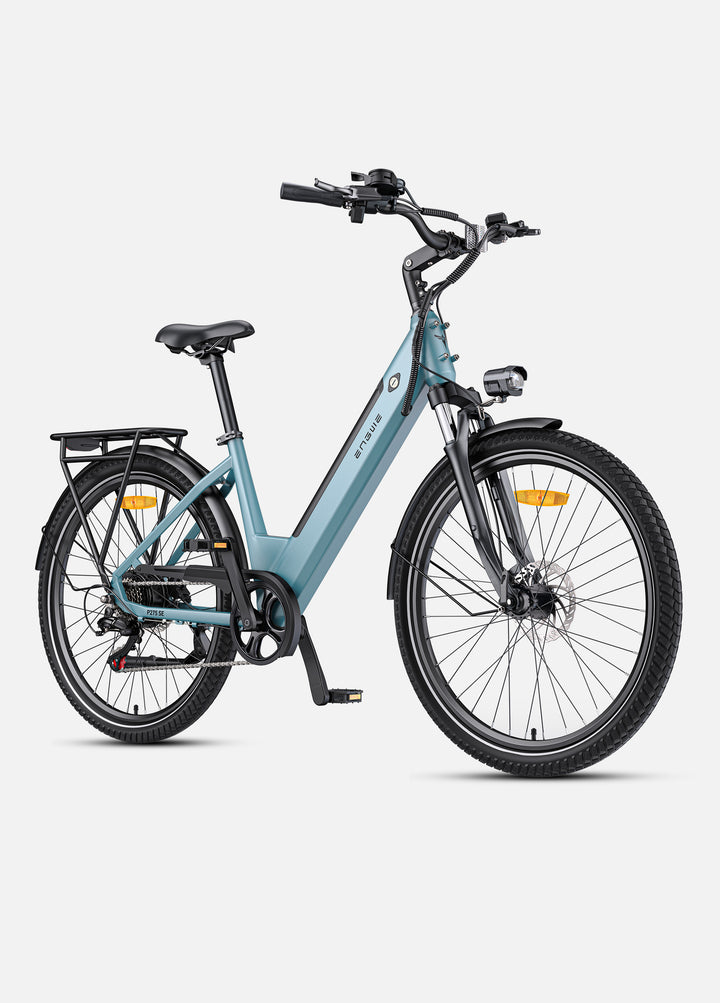
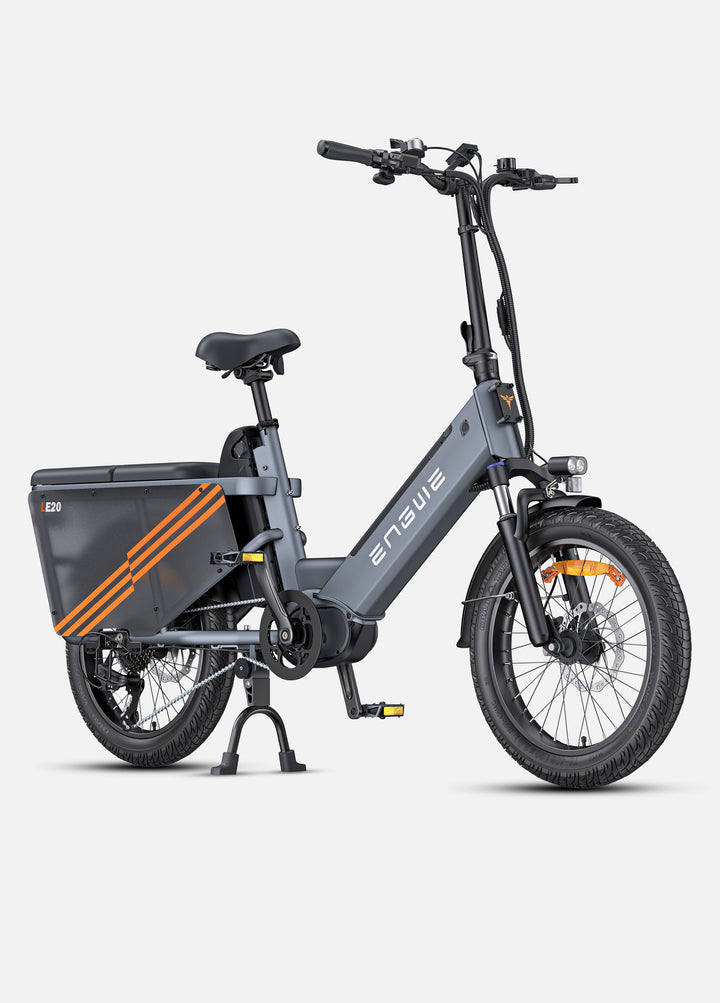
Although Yamaha epitomizes the state-of-the-art in e-bikes at the head of the class, some riders may not be able to resist the combination of versatile off-road capability, striking design and value our front suspension full-size model offers. And for these riders, a brand like ENGWE is one that should be taken seriously. One such standout model is the ENGWE EP-2 Boost, which is a viable option that has its own set of unique strengths. Constructed as a fat tire foldable electric bike, it’s ideal for all-around versatility. The 20" x 4.0" fat tires are capable of rolling over various terrains such as hard and packed sand, beach, snow, rugged trails and all types of terrain, thus giving you more fun riding the machine. One of the stand out features with the EP-2 Boost is its clever power management system. With an advanced torque sensor, the motor is activated in a smooth and responsive way – the perfect assist ratio is being provided: not too quick, not to slow – just perfect! For those times when you might need that little bit extra, there is a Boost button which provides a surge of instant power, giving up to 55 N.m of torque from its EU-legal 250W motor to help you power up the hill. As a cargo carrier, the bike is also highly practical, offering a sturdy rear rack with a maximum load capacity of 150kg. Safety comes first, with oversized 180mm dual-disc brakes that provide extreme stopping power with more progressive resistance and feel so you can attack the trails with confidence and precision, and the hassle-free, maintenance-free one-piece wheels solidify specific strength and durability where it matters most. The foldable frame of EP-2 Boost allows you to flip the lever and carry it. Cut the inconvenience of small space. The world's adventure is waiting for you! Featuring a big long-range 48V 13Ah Lithium battery, the Nomad boasts impressive distance coverage of up to 120km from a single charge. For the rider of today, who is looking for a foldable full-powered energy terrain e-bike with wireless technology, ENGWE EP-2 Boost offers a sexy and capable option.


Specifications and Frequently Asked Questions
To aid in your effort to separate one model from another in Yamaha’s family of machines, here is a comparison chart of the major specifications for their most popular models. This makes it easy to see quickly what kind of use a bike is intended for.
| YDX-MORO 07 | Wabash RT | CrossCore RC | Civante | |
|---|---|---|---|---|
| Intended Use | All-mountain / Trail | Gravel / Adventure | Fitness / Commute | Urban / Commute |
| Motor | Yamaha PW-X3, 85Nm | Yamaha PW-ST, 70Nm | Yamaha PW-ST, 70Nm | Yamaha PW-Series ST, 70Nm |
| Max Assist Speed | 20 mph (Class 1) | 28 mph (Class 3) | 28 mph (Class 3) | 28 mph (Class 3) |
| Battery | Yamaha 500Wh | Yamaha 500Wh | Yamaha 500Wh | Yamaha 500Wh |
| Frame | Yamaha Compact Dual-Tube, Aluminum | Aluminum | Aluminum | Aluminum |
| Front Suspension | RockShox LYRIK SELECT, 160mm | 60mm Travel Fork | 63mm Travel Fork | N/A (Rigid Fork) |
| Brakes | Magura MT5, 4-Piston Hydraulic | Shimano GRX Hydraulic Disc | Shimano M201 Hydraulic Disc | Shimano M201 Hydraulic Disc |
| Drivetrain | Shimano XT, 12-Speed | Shimano GRX, 11-Speed | Shimano Sora, 9-Speed | Shimano Sora, 9-Speed |
| Tires | Maxxis 27.5 x 2.6" | Maxxis Rambler 700x45c | CST 700x35c | CST 700x35c |
| Special Features | Dual Twin Frame, Dropper Post | Flared Drop Bars, Rack/Fender Mounts | Integrated Display, Rack/Fender Mounts | Integrated Display, Rack/Fender Mounts |
Here are replies to five of the most urgent questions would-be buyers have about Yamaha electric bikes:
How do Yamaha e-bike motors stack up against competitors such as Bosch and Shimano?
Yamaha first and foremost is holistic. Being the creator of the world’s 1st production electric bike, the motor, battery, and controller are not an ‘Add-On’ and are not a kit. This is what they describe as the "Yamaha DNA" which is characterized by a linear and crisp throttle response making the engine feel like an extension of the rider. Their Quad Sensor System is a little more sophisticated than many rivals, and the power feels almost instantaneous – more a natural extension of the rider’s effort, rather than an assisting motor’s force driving you along. This attention to the "feel" of the ride, along with their famous reliability, is their trump card.
Do the Yamaha E-bikes justify the expensive cost?
Yes, for the right buyer. If your concerns are the best ride, durability, heavy-duty construction, and the comfort of relying on a strong dealer company for service and support, a Yamaha is a good bet. What you’re paying for is top-tier engineering, a tuned drive system, and the knowledge that you’re riding a globally renowned brand. There are certainly more affordable options, but a Yamaha is not something that’s meant to be a disposable piece of temporary gear.
Where are Yamaha e-bikes made?
Although Yamaha is a Japanese firm famed for its exacting engineering and manufacturing standards, its manufacturing is worldwide. The two most crucial parts — the PW-Series motors and batteries — are made by Yamaha in Japan and Japanese-based plants owned by the company. The bike frames themselves are usually produced in Taiwan, which is known as the high-end bike production capital of the world. The last assembly takes place closer to the sale. The most important thing to note is that every aspect of the operation is monitored using Yamaha's stringent quality control no matter where it occurs.
Can I ride a Yamaha e-bike in the rain?
Absolutely. Yamaha e-bikes and their components are extremely water-resistant. This means that it is perfectly acceptable to ride through the rain, in rain puddles, or on wet roads, and the device itself will not be harmed in any way. But resistant does not mean waterproof. The bike is not intended, nor should it be, fully submerged in water, neither should high pressure jet washers be applied, as water can be forced past seals and into delicate electronics. General riding and hosing out are fine with a low pressure hose or bucket.
What is the range on a Yamaha e-bike like in practice?
Advertised range is based on real-world tests in ideal conditions (flat terrain, low assist level) and will vary across conditions. In the real world, so many variables will come into play that, depending on the hills you climb, the assist level you use to do so, your weight, and even how windy it is, your range will vary. However, as I mentioned before, Yamaha's systems have been nothing but efficient. The battery is mounted inside the frame, allowing for minimal energy loss so that the range remains predictable and reliable. But because of the torque sensor, Yamaha e-bikes get great range when pedaling hard, without necessarily needing to use a lot of battery, so most people will likely find Yamaha e-bikes offer a very useable and significant range, and it’s easy to read off the battery to see where it’s at, so you’re generally not going to be caught out.
At the end of the day, when you choose a Yamaha e-bike, you’re not investing in a first-generation product; for the difference between a shitty bike and a Yamaha, you get a proven engineered product, a superior riding experience, and the confidence to take on any road or trail.