The Yeti E-Bike: More Than Just a Machine
If you’re here, you’re looking for something more than a small, weak electric bike. You're searching for a Yeti. This isn’t a brand that you just fall into as a means to get a cheap commuter; it’s one that is steeped in history, performance, and a burning love for mountain biking. You’re probably wondering, and this is an important question to ask: Does Yeti’s foray into e-bikes hold to the same legendary — dare I say, mythical — status of the brand’s analog bikes? You want to know if that premium price tag equals a transcendent riding experience. You want to know if the spirit of Yeti — the race-bred DNA, the incredible handling, the sensation that both man and bike are perfectly at one with the trail — has been successfully electrified. That’s exactly what this review is here to answer, to cut out the bullshit of marketing to provide you with a straight, substantive answer of what it's actually like to own and ride a Yeti e-bike.
Performance-First Philosophy
Yeti’s performance-first philosophy is echoed in its clean, purpose-built electric bike lineup. They’ve made their engineering better for one thing and one thing only: delivering a premium platform for the most aggressive enduro and all-mountain riders. Here’s the full rundown of what they currently offer:
Yeti 160E Series
- Yeti 160E T1 (TURQ Series)
- Yeti 160E C1 (C-Series)
- Yeti 160E C2 (C-Series)
Wrangling the Yeti 160E, especially in T1 trim, is an experience that resets your e-bike expectations. From the moment you throw a leg over the bike, the geometry will be immediately familiar to anyone who's spent time on a modern Yeti, as it is aggressive but balanced. Turn the cranks for the first time and you immediately sense the Shimano EP8 motor system. There’s no sudden lurch; the power delivery is intuitive and smooth, like an extension of your effort, except supercharged. When you get it out on the trail, the Sixfinity suspension platform that everyone is talking about really shines. Whereas other e-bikes can feel like heavy plowhorses, the 160E has a surprisingly lively and supportive feel. The Sixfinity platform – a patented six-bar linkage that's been custom-tuned for the specific needs of an e-bike ‐ gives the Yeti 160E an unbelievable amount of traction on technical climbs. You can feel the rear wheel digging in and hooking up over roots and rocks where other bikes may spin out. The anti-squat of this bike is very high, meaning that it is working net uphill. No energy is lost; it’s all coming through the bike into moving you forward. And when the trail points downhill, that Yeti DNA is unmistakable. Downhill, its low center of gravity and slack head angle make it incredibly composed at speed, and you develop the confidence to jump off the brakes and let it run. But it doesn’t drive like a monster truck. It’s surprisingly easy to butter and throw around the trail with a poppy feel that will have you looking for side-hits and gaps. The suspension feels endlessly deep, taking big hits with ease and without fuss but not entirely deadening trail feedback. You are of the terrain, not set apart from it. Jump aboard the C-Series version, say the C1, and that sensation on the trail is remarkably similar. Sure, it’s got a bit of a heavier carbon layup and more budget-focused parts, but the heart of the matter – the geometry and the game-changing Sixfinity suspension – are all very much the same. That sensation of unwavering confidence and playful agility still runs throughout; it's a top value for any rider eager for world-class performance without a world-class price.

An Investment in a High-Performance Ecosystem
Though the on-trail performance is obviously a major concern here, a would-be Yeti owner is looking beyond this. You’re not purchasing a piece of hardware; you’re thinking of an investment in a high-performance ecosystem. The first thing to consider is the value proposition. And Yeti e-bikes are not faintly cheap, so it’s important to understand where that premium goes. It’s there, in the years spent developing the Sixfinity suspension platform, a system developed from the ground up to cope with the new forces a weighty and powerful e-bike can throw at a bike. It’s made with proprietary TURQ Series carbon fiber, which regular readers will know offers some of the best stiffness-to-weight numbers we’ve seen. It’s in the race-proven geometry, developed and refined over years of participating in the Enduro World Series. You’re buying a machine that is uncompromisingly crafted to fulfill one purpose: to be the fastest, most capable enduro e-bike out there. Another factor to consider is the brand’s community and support (The Yeti Tribe). Being a Yeti owner links you to a culture of like-minded traditionalists who think you should earn your way to the top. That results in great resale value, nearly ubiquitous dealer support for service, and a sense of belonging. This is a brand that backs up its products, with an industry-leading warranty and a record of outstanding quality! Remember the way it will be used too. A Yeti 160E is a tool. If your riding is all mellow bike paths or city commuting, this bike is overkill by several factors of 10. It is designed for the rider who is going to the edge and will crank the throttle down hard on technical uphills and brutal terrain. It’s for that hardcore rider that reads about suspension kinematics and knows the right tool can unlock a new level of shredding.
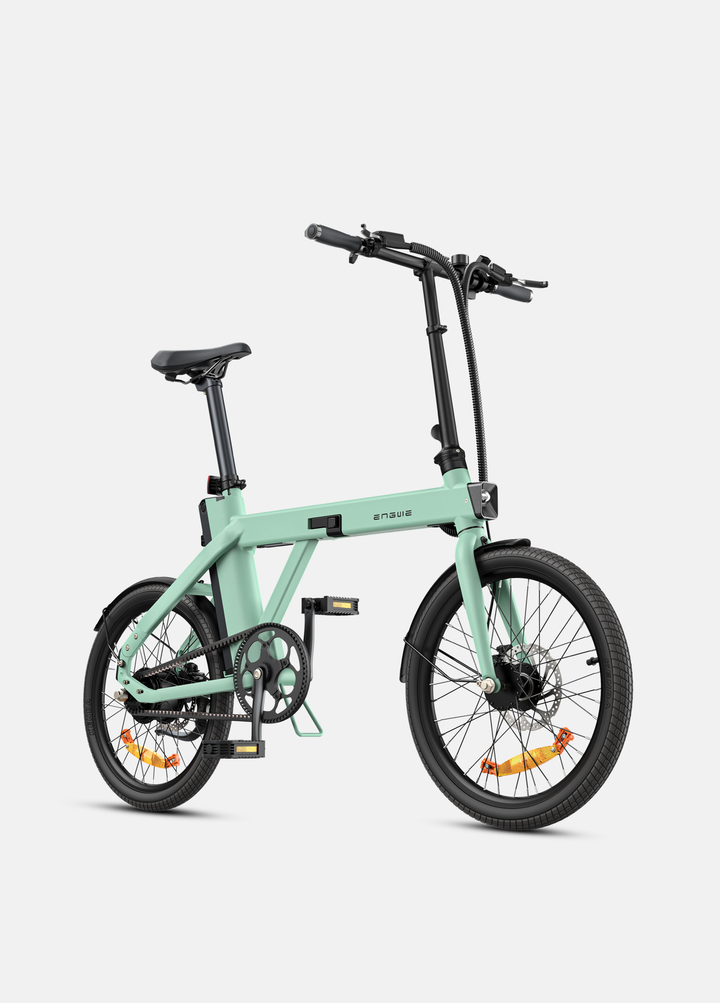
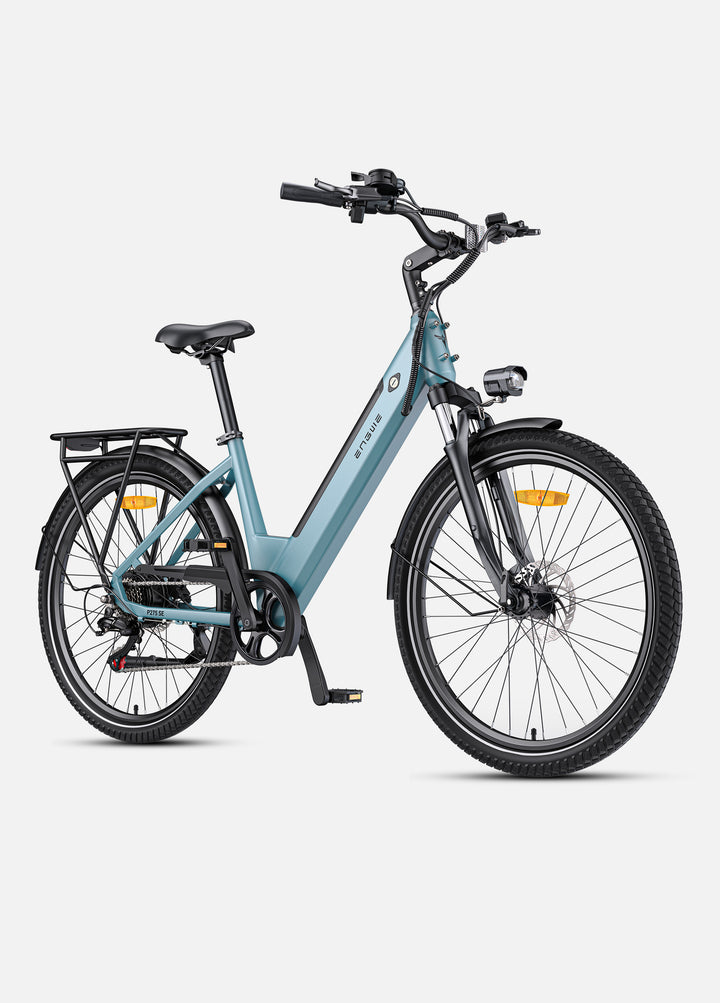
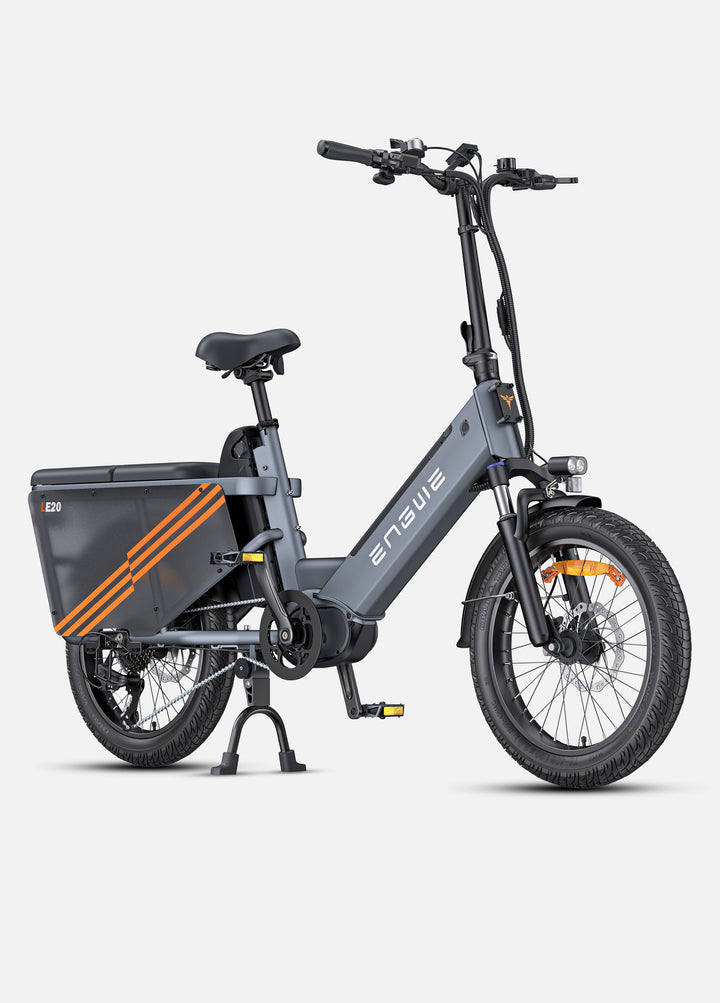
But as I already said – not every rider — not even riders that are open to challenging themselves — requires a machine with dreams of a World Cup Enduro race. A lot of people are looking for an ‘all-in-one’ electric bike that can handle a bit of everything – from gnarly trails to daily commutes. This is where brands such as ENGWE come into their own, providing a great alternative. Look at the ENGWE EP-2 Boost Fat Tire Foldable Electric E-Bike, for instance. It’s a masterclass in versatility. All of this is in addition to those trail-conquering, pavement-smashing 20 x 4.0-inch fat tires, which make it great on anything from pavement to sand and gravel. The smart collapsible frame design also allows practical storage in an apartment, easy transportation in the trunk of the car, or on a bus, metro, tramway... a level of convenience that a ‘standard’ enduro bike will never be able to provide! The EP-2 Boost is also incredibly useful. It has a torque sensor that provides a smooth ride that feels like you have Superman legs. On harder hills, however, you can simply flick the "Boost" button and you'll instantly feel the power of the 250W motor pushing out a max of 55 Nm of torque, which makes for ease of climbing. Safety, as well as utility, are of great concern, and thanks to powerful 180mm dual disc brakes, a heavy-duty rear rack with a massive carrying capacity of up to 35–40 L on our custom rear bags, and up to 120 km of range, you can feel safe in the saddle, but confident knowing you can get wherever you need to go on electric power alone. For the rider whose life calls for versatility — whether you're a daily rider, a weekend wanderer, or an urban cargo deliverer — the ENGWE EP-2 Boost delivers it all in one package: power, convenience, and all-terrain.

In order to assist readers in establishing the differences between Yeti’s lineup of their own models, I have whipped up this simple parameter comparison of the 160E platform bicycle. If anything, this will give you some insight on what the direct comparisons are between the premium TURQ Series and more budget-friendly C-Series builds.
| Feature | Yeti 160E T1 (TURQ Series) | Yeti 160E C1 (C-Series) |
|---|---|---|
| Frame Material | TURQ Series Carbon Fiber | C-Series Carbon Fiber |
| Suspension System | Sixfinity | Sixfinity |
| Rear Shock | Fox Float X2 Factory | Fox Float X Performance |
| Fork | Fox 38 Float Factory GRIP2 170mm | Fox 38 Float Performance 170mm |
| Motor System | Shimano EP8 | Shimano EP8 |
| Battery | Shimano 630Wh Integrated | Shimano 630Wh Integrated |
| Drivetrain | SRAM X01 Eagle | Shimano SLX |
| Brakes | SRAM Code RSC | SRAM Code R |
| Wheels | DT Swiss EX1700 | Crankbrothers Synthesis Enduro |
| Who is it good for? | The no-compromise racer or hardcore enthusiast demanding the absolute best in performance, lightest weight, and top-tier components. | The weekend warrior or enduro rider looking for the same frame geometry and rear suspension performance found on the T-Series at a lower price point. |
| Weight | Lighter as a result of the TURQ carbon and top-shelf components. | Only a little heavier because of the C-Series carbon layup and performance-level kit. |
Answering Your Biggest Questions
Here are five of the biggest questions potential buyers have, answered for the most complete clarity.
So what exactly is Sixfinity suspension, and why should I be excited about it on an e-bike?
Sixfinity: If you're wondering about the name, it's a nod to Yeti's patented six-bar suspension linkage used exclusively on the 160E (Sixfinity, get it?). Instead of the standard four-bar linkage, those extra links give Yeti’s engineers greater control over the suspension characteristics throughout the travel. For an e-bike, that’s a game changer. It gives them the ability to tune it to an insanely high degree of anti-squat right off the bat. Translated into practice when you’re cranking up a hill, particularly with the aid of the motor, the suspension doesn’t compress or “bob.” Every watt of energy you and the motor are using gets put into moving the bike forward. This provides amazing efficiency and traction. As the suspension settles in, anti-squat numbers diminish, liberating the rear end to activate and deal with square-edge hits without getting bound by braking forces. It gives you the best of both worlds: a nice, firm, efficient platform when pedaling hard, with a soft, bottomless feel on descents.
Does the Yeti 160E really climb well, or is it just a "shuttle" bike?
It's a really good climber, and this is the main differentiating factor. Most powerful e-bikes can be ridden long before your battery gives out, but they do so with brute force. The 160E ascends with skill and alacrity. The Sixfinity suspension's anti-squat is combined with a steep 78-degree seat tube angle to put the rider in a powerful position directly between the wheels, and you can pedal around technical climbs on the trail, while the Shimano EP8 provides smooth power delivery and an output that's much easier to manage than before. Technical climbs are no longer a chore but rather a challenge that needs to be conquered. It sticks forever when other bikes just don't, and it feels freakishly light when you're negotiating uphill switchbacks. It is much more than a self-shuttling downhill bike; it’s a full-blown all-mountain destroyer.
So why a TURQ Series vs. C-Series, and why is TURQ so much more money? Is it worth it?
The price discrepancy is simply a matter of materials and parts. Yeti's TURQ Series frames benefit from a higher modulus carbon fiber which allows them to make the same strength and stiffness as the C-Series at a lighter weight. This weight reduction makes a difference out on the trail, where the bike feels more lively and a little more flickable. Additionally, T-Series builds come with some of the best "Factory" level suspension from Fox, light and responsive drivetrains, such as the SRAM X01, and quality wheelsets. It’s a personal decision whether the cost is “worth it.” For the professional racer or the rider for whom every gram and every micro-adjustment counts, the gains of the TURQ Series are a clear benefit. For most expert riders, the C-Series gives 95% of the on-trail feel and the very same groundbreaking frame design for a fraction of the cost.
What is the real-world battery life and range like under aggressive riding?
The Yeti 160E is specced with a Shimano 630Wh battery. It is important to note that range numbers for high-performance e-mountain bikes can be all over the map. A rider running in “Eco” mode on rolling terrain will get a huge range. But the 160E is intended for more aggressive riding and that usually entails a lot of "Trail" and "Boost" mode when climbing at a punishing angle. In a real-world ride of about 2-3 hours with 3,000-4,000 feet of climbing, riding with the power modes as intended, you would be coming back with still a lot of battery left. But Yeti and Shimano have fine-tuned the system for power more than ultimate range. It’s built to deliver enough charge for epic multi-lap mountain rides, but it’s not built to take it out for long hours on the road.
Who is the Yeti 160E best suited for? And who should probably shop elsewhere?
The stronger the rider's ability, the faster and harder the bike can be pushed (I would recommend the 160E to a seriously aggressive and experienced 650b DH rider). This is a rider who values speed on the descents over everything else: stability and suspension performance. They likely already toe the line on the “long, slack, and low” geometry bandwagon and are looking for an e-bike that enables them to ride more, ride faster, and ride bigger features without sacrificing handling. It's for the rider who regards e-bikes as a vehicle to access things, like gnarlier trails and more laps in a day. For beginners, city commuters, or people who only ride non-technical, flat, smooth trails, the aggressive geometry and suspension design would be complete overkill.

Final Thoughts
At the end of the day, buying a Yeti e-bike is an investment in premium performance and a means of gaining admission to an exclusive club in the world of mountain biking.