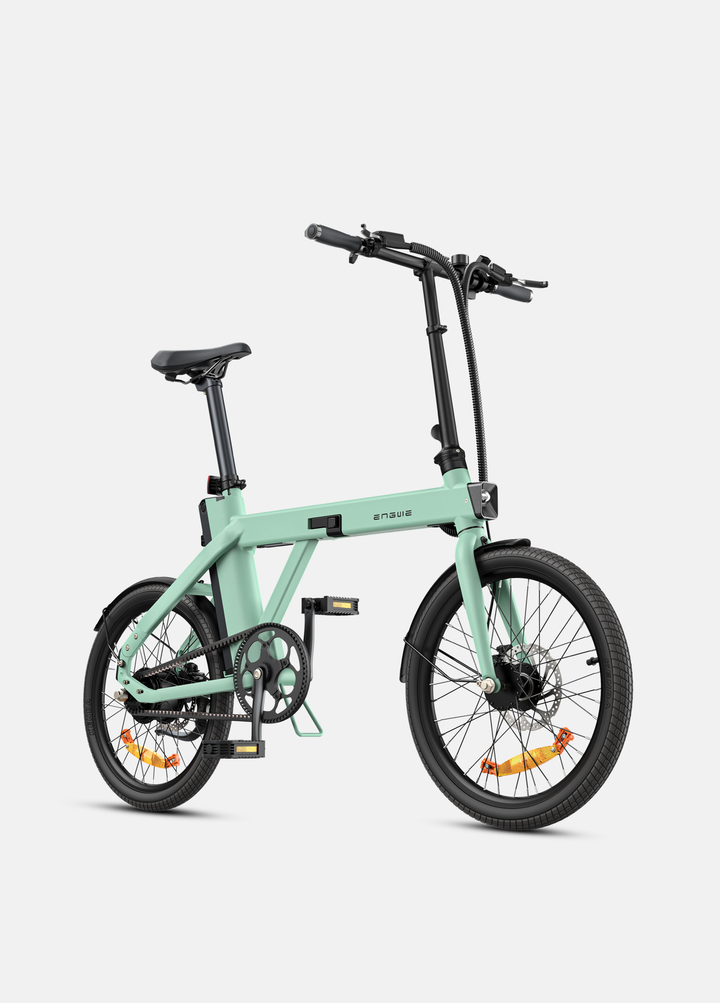
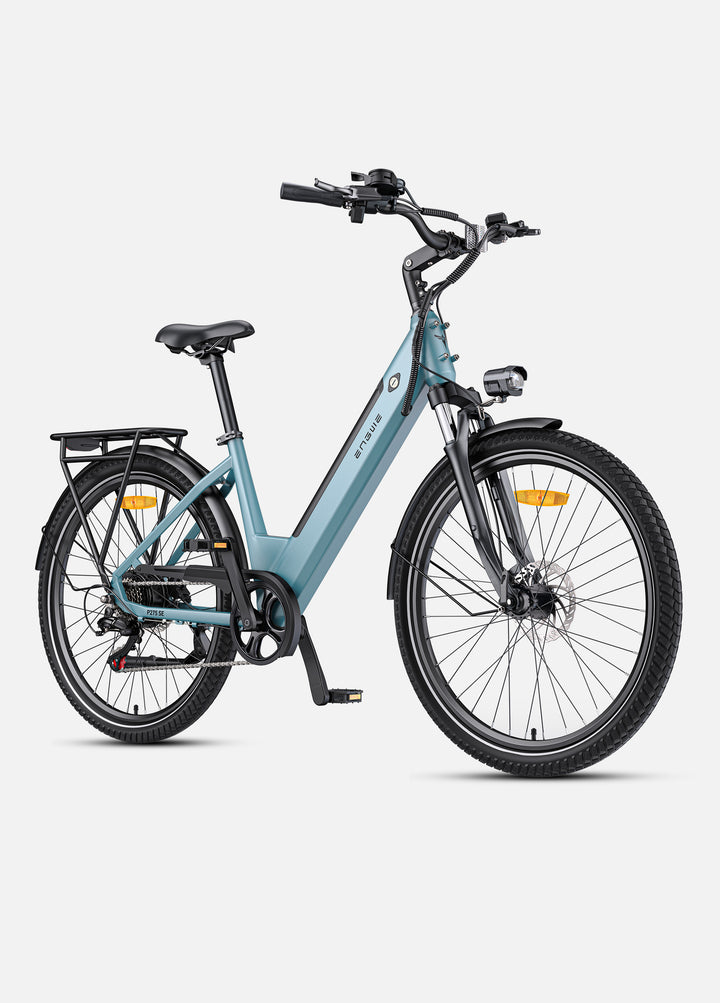
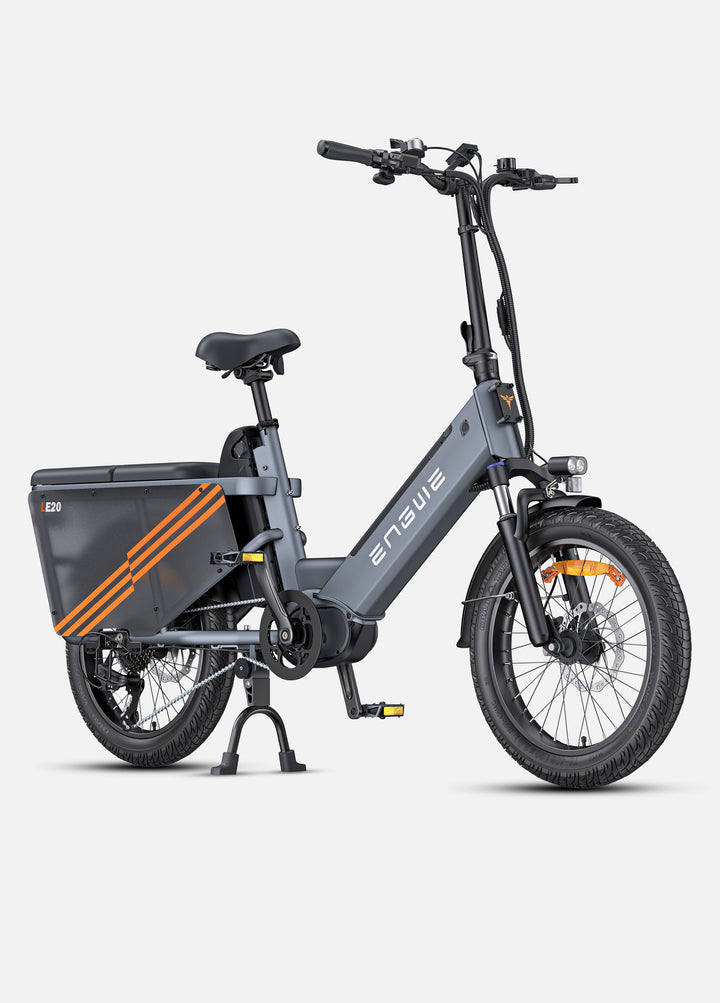
Selecting an appropriate electric bike frame is significant in the way an e-bike rides, performs, and endures. Frame material influences weight, comfort, durability, and price. Aluminum and carbon are the most popular today, both having extremely different needs of the riders.
This guide will provide a comparison between aluminum and carbon frames to help you choose the most appropriate electric bike frame, in accordance with your style and riding budget of riding.
What Is an Electric Bike Frame?
This is the structural component that supports all the other components of an electric bike, namely the motor, battery, rider weight, and suspension. In contrast to conventional bicycles, an ebike electric bike frame has to endure greater loads on the torque, increased battery weight, and increased braking forces.
Frames of electric bikes are usually made of aluminum alloys or carbon fiber, with some versions designed as commuters, trail, cargo, and off-road.

Aluminum Frame Electric Bike: Strength and Practicality
The most widespread one in the market today is an aluminum frame electric bike. Aluminum has a good strength to cost to manufacturability ratio.
Well-designed aluminum frames are very fatigue resistant, and thus suitable to heavier e-bikes. They are often found in electric dirt bike frames, cargo e-bikes, and trail-oriented designs in which durability is of greater importance than gram-shaving.
Aluminum makes prices affordable from a cost perspective. Aluminum is generally favored by riders who are interested in a custom electric mountain bike, or a DIY electric bike frame since it is easy to weld, repair, and modify.
Key advantages of aluminum frames:
-
Lower cost than carbon
-
Large motor torque resistivity.
-
More convenient repairs and reforms.
-
Perfect for full-power and off-road.

Carbon Frame Electric Bike: Lightweight and Refined
A carbon frame electric bike emphasizes performance and saving weight. The carbon fiber also enables the manufacturer to customize stiffness and flex, which provides a smoother ride quality on roads or trails that are in excellent condition.
The carbon frames are good in efficiency-oriented riding; this is particularly in the eyes of those who value speed and a responsive nature. Carbon is, however, not as easy to forgive in terms of healing. Structural cracks in carbon will be dented by impacts that would dent aluminum, and may need complete replacement.
Premium e-bikes that are urban and trail are most likely to have carbon, as opposed to heavy-duty. It is hardly applied to the electric mini bike frame or to aggressive dirt applications because of the sensitivity to impact and the increased prices.
The major benefits of carbon frames are:
-
Lighter overall weight
-
More refined ride feel
-
High-tech shaping and aerodynamics.

Electric Mountain Bike Frame: Aluminum vs Carbon on Trails
In the case of an electric mountain bike frame, it is aluminum prevails in a real-world application. Repeated impacts, drops, rocks, and trail riding are all toughness attributes of aluminum. It is the reason why the majority of full suspension electric bike frames targeted at aggressive action are made of aluminum.
Carbon frames are also found in the more expensive e-MTBs, but generally, they are used by riders who want to save on weight and ride smoother trails. Aluminum is more reassuring and has a reduced chance of replacement for most riders.
Full Suspension Electric Bike Frame Considerations
A complete or full suspension electric bike frame is even more complicated with pivots, bearings, and shock mounts. Aluminum can manage these points of stress with consistency and is more resilient over the long run.
Carbon suspension frames may be great in the field, but they are very expensive to repair when pivot points break. Aluminum is a more secure investment for riders who have long-term ownership or intend to cover high miles.

Examples: Aluminum vs Carbon Electric Bike Frames
Real models enable one to understand how an electric bike frame works in real-life situations, as opposed to on paper.
Aluminum Frame Electric Bikes
Modern e-bikes are extensively designed with aluminum frames due to their combination of strength, weight, and affordability. These ENGWE models demonstrate that aluminum can be modified to suit rough off-road and lightweight urban riding.
ENGWE Engine Pro 2.0
Engine Pro 2.0 is made out of a 6061 aluminum alloy folding electric bike frame, which is made to accommodate high torque and off-road riding. The aluminum construction is good enough to cope with the stress of a 75Nm motor, full suspension, and a big 768Wh battery without being affected structurally.
This ensures it is best suited for trail riding, camping, and rougher riders who require durability more than mass reduction.


ENGWE P20
ENGWE P20 is also made with a 6061 aluminum ebike frame; however, it has a new focus. Its lightness in the aluminum frame enables an urban-friendly outlook that aids in maintaining the lower weight of the bikes without compromising on the stiffness required in daily commuting. This demonstrates the scaling of aluminum frames between rough outdoors bikes and urban scaled bikes.
These two instances acknowledge why an aluminum frame electric bike continues to be the standard in the industry due to the ability to be used in various ways, control costs, and be relied upon over long periods of time.


Carbon Frame Electric Bikes
A few carbon frames will be offered on very high-end e-bikes, where weight is the most important and ride characteristics are chief concerns. The models below illustrate the case of carbon construction, where performance is improved in challenging conditions of riding.
Specialized Turbo Levo (Carbon Frame)
Turbo Levo has a super-quality carbon electric mountain bike frame that is a trail riding aggressor. Giving carbon offers accurate stiffness adjustment, increasing climbing and downhill reaction. This is particularly useful among advanced riders who are on technical terrain and are riding fast.

Trek Domane+ SLR
The Domane+ SLR demonstrates the ability of a carbon frame electric bike on the pavement. Its carbon frame is also effective in absorbing vibration in the road, and as such, fatigue is minimized in long endurance cycles. This kind of electric bike frame is an ebike that does not focus on impact resistance but on ride comfort and performance.

Custom, DIY, and Small Frame Electric Bikes
Aluminum will prevail among builders and tinkerers. The project of a diy electric bike frame or ebike electric bike frame has the advantage of the accessibility and repairability of aluminum.
Riders who want a small frame electric bike or compact size construction are also more apt to use aluminum, and in particular when a mid-drive motor and external battery mounting is necessary. The use of carbon frames in DIY or custom is infrequent due to the tooling and safety considerations.
Comparably, electric mini bike frames and youth designs are nearly totally made of aluminum or steel, with a focus on power and ease.

Electric Dirt Bike Frames: Why Aluminum Wins
Aluminum is the standard in the industry in high-torque applications, like electric dirt bike frames. These bikes undergo extreme loads due to acceleration, braking, and jumps. The carbon is not economical and is not durable enough to suit this category, even at the lowest prices.
When you are riding with throttle-intensive action, you need to do jumps or other extreme terrain, then aluminum provides greater structural confidence.

Which Electric Bike Frame Is Better?
The superior electric bike frame is related to the way and place of riding:
-
Select aluminum when you desire durability, affordability, off-road use, or long-term reliability.
-
Select carbon when you are concerned with lightweight performance, urban riding, and a luxurious feel.
An aluminum frame electric bike is the most appropriate in terms of performance, price, and durability for most riders, particularly those who purchase trail bikes, commuters, or intend to build a custom bike.
Final Thoughts
Frame material determines the whole riding experience. Although carbon frames are more refined and lightweight, the aluminum frames are still the staple of the e-bike industry. Aluminum has and still proves to be the best option regarding versatility and practicality through electric mountain bike frames, electric dirt bike frames, and many more.
Knowing about your lifestyle, riding habits, and ownership expectations will assist you in the decision of the appropriate ebike frame that will work well not only in the present, but over the following years as well.
Frequently Asked Questions
Is an aluminum electric bike frame strong enough for off-road riding?
Yes. The aluminum electric bike frame is the most appropriate for off-road application in that it can withstand large motor torque, hitting, and recurring stresses to a larger extent than most carbon frames. This is perfect for trail, dirt, and full-suspension electric bikes.
Are carbon frame electric bikes worth the higher price?
A carbon frame electric bike can be considered in case you are more concerned with light performance, ride comfort, and precise handling on the paved road or on the well-maintained tracks. Nevertheless, carbon is more expensive and more difficult to repair, which makes it not as practical in rough riding or utility-oriented riding.
Which electric bike frame lasts longer: aluminum or carbon?
Frames made of aluminum would last longer in most real-world situations since they are more predictable in terms of being able to endure impacts and heavy loads. Carbon frames should be able to last years too, but the damage is less evident, and in most cases, it needs complete replacement.
Is carbon safe for electric mountain bike frames?
Electric mountain bike frames made using carbon can be safe, as long as they are made properly; however, they are normally used in high-quality models that are used by experienced mountain bikers. Aluminum often provides riders with a sense of security and enhanced durability because they are often riding the rocky trails, jumping, or carrying gear.
Can I build a DIY electric bike with a carbon frame?
No. DIY electric bike frames do not support carbon frames. Aluminum frames are superior and safer as they can be subjected to motor mounting forces, battery weight, and changes without the possibility of undetected structural damage.