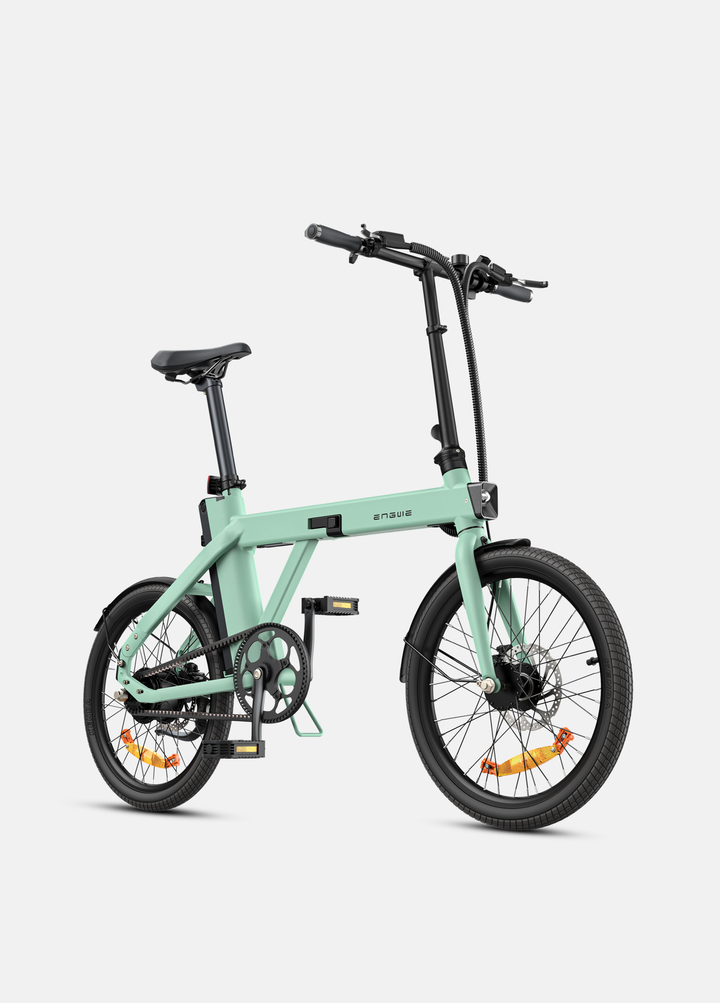
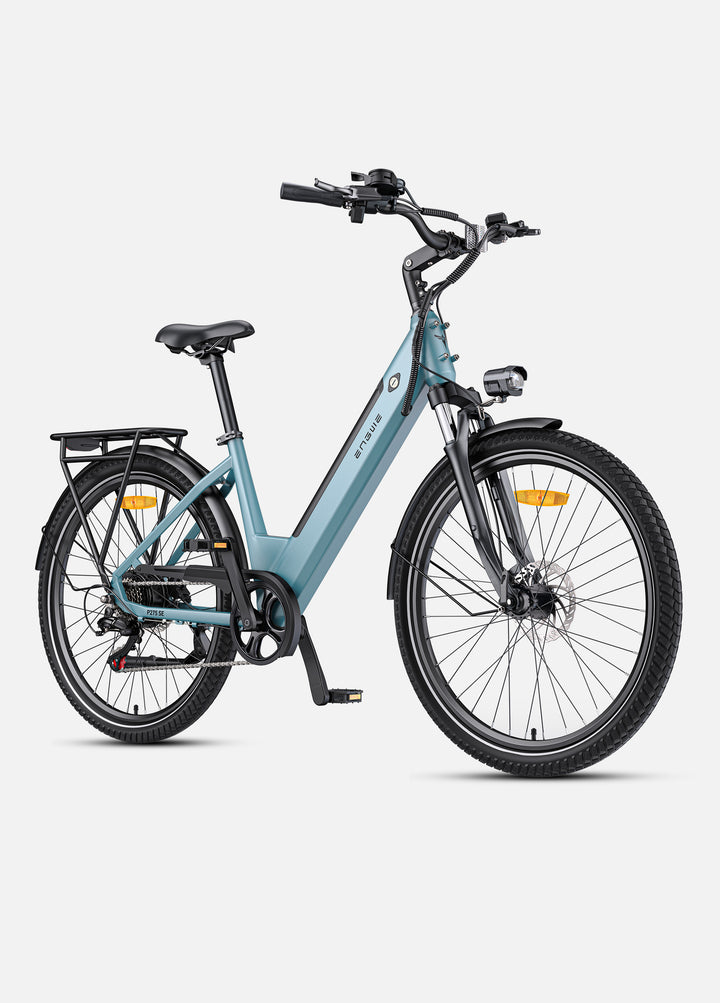
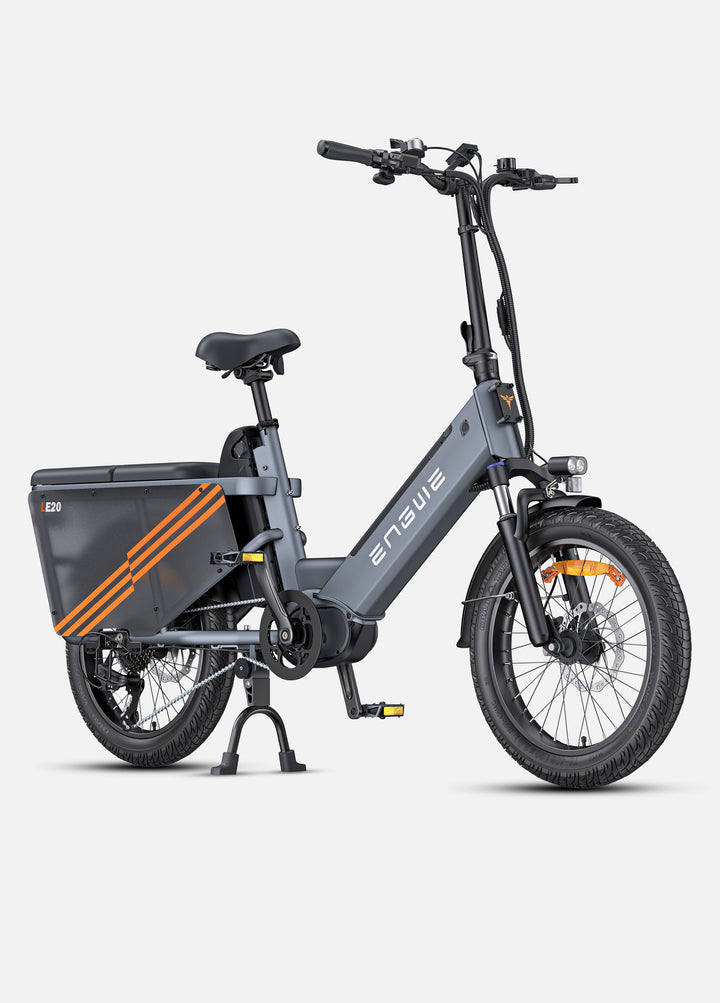
Electric mountain bikes are different for trail riding. Increased weight, on-demand stability, and increased rate of climbing modify the cornering, braking, and traction control. When you have ridden some genuine trails, you will find the bike is more responsive to finer inputs and a better choice of line.
This guide presents 6 off-road tips that apply to most electric mountain bikes, and an informative section on how to choose an electric mountain bike without being misled by the specifications.

Understanding How Electric Mountain Bikes Ride
A mountain e bike have pedal assist, but acts like a mountain bike. You pedal, change gears, and maintain balance exactly like with a regular bike, except that on mountain tops and in head winds, you are supported. This type is also referred to by numerous riders as e-mtb, which is how it appears in stores and reviews.
The majority of electric mountain bike systems have their weight concentrated low in the frame, and may be stable at high speeds. The same amount of weight can also bulge around corners and increase braking distance. Acquiring the ability to ride with momentum on the bike is a significant aspect of bike riding.
There are also strange product names such as bike electric mountain or electric bikes mountain bike. They typically represent the same thing: trail-capable e-bikes, which are designed to deal with dirt, climbs, and mixed surfaces.

Tip 1: Get Your Body Position Right Early
When climbing, keep the chest slightly forward and in the middle. That is good to assist in front-wheel tracking, particularly on loose surfaces. Should the front wheel drift, decrease the assist and move yourself forward before you wrestle the bars.
When downhill, you need to lower your heels, bend your knees, and have your hips held back when it becomes steep. An electric assist mountain bike with a heavier weight gains speed rapidly, and you can get yourself in a position before you begin to feel rushed.

Tip 2: Treat Assist Like a Traction Tool
Assist is not just "more power." It alters the loading grip release of the rear tire. Consider the lower mode on loose climbs and technical switchbacks, and only use the step up with the opening up of the trail.
Most riders are after terms such as electric mountain bikes most powerful when shopping. In natural trails, flow and controllability are more important than maximum power. A predictable bike tends to have a higher climbing prowess than a surging bike.

Tip 3: Brake Earlier, Brake Smoother
The bikes with more weight require more planning. Brake sooner than you would on an ordinary MTB, particularly before turns. Brake hard with short braking windows, as opposed to braking long distances.
The opponent of heat is on long descents. When riding an electric mountain bike full suspension, it is not hard to maintain speed due to the composed bike. Nevertheless, you have to regulate the speed before the technical section rather than during the technical section.

Tip 4: Improve Technical Climbing With Cadence and Line Choice
Electric mountain bikes excel on technical climbs; however, you should only ride them clean. Choose a line early, and perform with a regular dotted rhythm. Choppy pedaling has the power to shoot up the assist and lose traction.
Gears can be used to maintain a comfortable cadence range. Mashing too hard in high gear will cause the rear wheel to fall on roots and loose rock. With too much speed, you lose the front wheel and lose balance

Tip 5: Choose Suspension That Matches Your Terrain
The full suspension electric mountain bike will be appropriate where there are rocky, rooty trails or steep downhill on the route. Rear suspension ensures that the back tire is tracking, and this assists in braking and corner exits. It helps to lessen the exhaustion during tedious rides as well.
A hardtail may still be intelligent in the hands of an adult when the trails and fire roads are smoother. When you are seeking the trail-ready feel but do not require the additional complexity, then that can be a more suitable option than simply bending a budget full-suspension build.

Tip 6: Ride With Trail Etiquette People Respect
Be familiar with the capabilities of your local trails. Certain routes are open to Class 1 pedal-assist bikes, and others prohibit the ebikes. Do not count on social post-assumptions or marketing page assumptions.
Roster hikers and riders gradually and identify yourself early on. A silent e-mtb may seem out of thin air, and mostly where other riders slow down due to the terrain. The attitude of being friendly keeps the doors open.

How to Choose an Electric Mountain Bike
Begin with topography and frequency of riding. Ride flow trails and gravel connectors, and less sophisticated trail construction can be ideal. If you are riding technical downs, stability, brakes, and suspension support should be of priority.
Then pick a realistic budget. The best budget electric mountain bike is typically the one with good brakes, a reliable drive system, and a body-fit frame. A cheap electric mountain bike may be suitable on light trails, but one must not attempt to push it over into enduro territory.
The reason most buyers search for the best electric mountain bike under $3000 is due to the fact that it is a common target market. Good brakes and practical geometry are first to be found in the same range. Glittering accessories and grand exhibitions are not very useful in mud.

Speed Options
The fastest electric mountain bike is still sought after by people. Speed is not an issue on common trails, but it can present safety problems. The bike that has been properly configured to ride predictably will be much faster on the actual trails compared to the one that is unstable in its handling.
In case you desire a change of speed to a slower one on the trail, practice braking areas, entry into corners, and line formation. Those competences enhance your riding on all the electric mountain bikes for adults.

What to Look for in an Electric Mountain Bike Review
A strong electric mountain bike review explains how the bike ascends on rough terrain, how it turns during braking, and how it would feel after an hour of riding it. Spec lists don't show that. It is the rider's feedback regarding traction and handling.
Check for long-term notes too. Wear of brake pads, noise during load in the drive train are manifested after actual use and battery consistency. That information will tell you whether the bike is worth owning, not whether it was a good first test ride or not.

What to Expect From Best Electric Mountain Bikes 2025
The best electric mountain bikes 2025 are designed on the concept of control, predictable assist, and trail-oriented geometry. Riders are not preoccupied with raw numbers, but rather with the performance of the bike on loose climbs, tight switchbacks, and high-speed downhills. Most riders will have noticed better traction control, smoother suspension action, and more natural action of the pedal.
Mass is, nevertheless, significant, both on technical trails. The reason why many people continue to search for the lightest electric mountain bike is that light handling may be easier in corners and turning directions at high speeds. Nevertheless, it is fit, balance, and geometry that determine whether a bike will feel confident on the actual trails.

ENGWE Engine Pro 3.0 Boost
It is a full-suspension, fat-tire style electric mountain bike with the objective of providing comfort to the rider to go through rough tracks and control at varying terrains. It is appropriate for those riders who appreciate a planted ride over broken roads, gravel, and light trails.
It also attracts riders seeking modern amenities such as app-controlled controls and a sense of torque-controlled riding. To a lot of adults, it qualifies as more of a do-it-all trail-and-city riding rather than singletrack riding.


ENGWE E26
The ENGWE E26 is designed to be comfortable and stable, particularly on uneven surfaces and rough roads. Their design of being dual suspended and having a larger format of wheel fits the rider who requires smoother rides over uneven surfaces, but does not feel cramped.
It may be very useful as an electric assist mountain bike among beginners and casual off-road riders. In the case of technical mountain trails, the conditions of the trails and tire choice are not as subordinate to the marketing labels as in the case of mountain bikes.


(Hardtail E-MTB Line)
The Trek Powerfly series is a more popular competitor product that is desirable by riders who prefer the feel of a more traditional e-mtb. Such hardtail trail constructions are usually selected due to their predictable handling, climbing ability, and control on narrower trails in comparison with the heavier fat-tire types.
This kind of mountain e bike is the one that is used by those who will ride more on singletrack and prefer a bike that is closer to the traditional mountain bike. It is a convenient yardstick in comparison when you are in a hurry between all-terrain-oriented comfort and trail-oriented constructions.

Conclusion
Electric mountain bikes bring trail riding to a wider range of adult riders and require them to pay attention to the environment and skills. Selecting the appropriate suspension, controlling the power flow, and weight dynamics enhance comfort and safety.
Riding either on smooth roads or harsh downhills, a good electric mountain bike helps with certain off-road rides, as well as with the gradual development of skills over time.
Frequently Asked Questions
Are electric mountain bikes good for beginners?
Yes. Electric mountain bikes assist beginners to cope with steep ascents, manage fatigue, and cover longer distances. The pedal-assist motor helps you to exert less force during use and enables the new rider to concentrate on the balance, braking, and trail awareness to master the correct techniques in mountain biking more easily and without fear.
How fast can electric mountain bikes go?
The majority of electric mountain bikes can reach 20 mph (Class 1) or 28 mph (Class 3) by the laws of a particular area. Class 1 systems are normally used in off-road trail models, and the assistance is only through the pedals, limiting the speed and making them trail-legal in most areas.
Are electric mountain bikes harder to ride than regular mountain bikes?
They are not harder, but different. E-MTBs have more weight and additional momentum, and therefore braking and first line choice should be smoother. After getting accustomed to the extra mass and motor strength, most riders believe that the e-MTBs are more stable and confidence-inspiring when climbing mountains and across rough trails.
How long does an electric mountain bike battery last on trails?
Depending on the terrain, the weight of the rider, and the level of assist, battery range is variable. A 500625Wh battery should give most riders up to 2-4 hours of trail riding. The range is sharply enhanced with the use of mid-level assist rather than maximum power, especially on longer or more technical rides.
Do electric mountain bikes damage trails more?
Electric mountain bikes have the same impact on a trail when they are ridden responsibly. Overturning the wheel, riding in wet lanes, or punching the throttle too hard may augment erosion. Proper traction with assist levels prevents impact on the environment.