An ebike battery charger has a larger effect on battery health than most riders consider. A good battery can become useless in a short time, provided that it is charged improperly, and good charging habits can extend its life by years. Knowing how to charge e-bike batteries correctly would allow you to prevent the premature wear of the battery, mistakes during charging, and performance problems.
This guide describes the operation of an ebike charger, the importance of charging an ebike battery, and useful ebike battery charging tips that you can use in your daily life in order to maintain the battery and the charger.

Understanding the Ebike Battery and Charger Relationship
An e-bike battery and charger have been created to be matched. A battery charger for ebike controls the voltage, current, and cutoff time to charge the battery cells safely. Plugging the charger into the wrong charger, though the plug may fit, may lead to overheating or lower capacity, as well as cell damage inside.
Lithium-ion batteries are widely used in modern e-bikes and must be charged with a lot of accuracy. This is the reason why manufacturers will define the specific types of chargers, such as 48v ebike battery charger for 48V systems.

How to Charge an E-Bike Correctly
And in the case of the first-time e-bike user, it is important to know how to charge e-bike batteries. The principles are similar to the process of knowing how to charge electric bike batteries of the majority of brands.
Switch off the bike, then attach the charger. Insert the charger in the battery and then in the wall outlet. This limits the possibility of electrical surges to the battery. Once full, unplug it first from the wall, then the battery itself.
Do not charge directly after riding in case the battery is hot. Allow it to cool for 20-30 minutes to minimize thermal stress when charging ebike battery packs.

How Long to Charge an Ebike Battery
One of the questions that can arise is how long to charge ebike battery systems. The time taken to charge is dependent on the battery capacity and the output of the charger.
For example:
-
Small batteries (10-13Ah): normally 4-5 hours.
-
Mid-size batteries (14-17Ah): approximately 5 -6 hours.
-
Bigger battery (18-20Ah): can be 6-8 hours.
A 48 volt ebike battery charger or 48v battery charger ebike fitted to your system will make sure that a battery is cut off as soon as it becomes fully charged.

Why the Right Voltage Charger Matters
It is essential to use the required charger voltage. A 48v ebike battery charger or ebike 48v battery charger is specially adjusted to the 48V battery system. A charger with a lower voltage will cause partial charge, whereas a charger with a higher voltage may cause severe damage.
Look at the label of the charger and the battery life. One of the most widespread reasons for charging issues is a mismatched combination of an ebike battery and charger.

Daily Ebike Battery Charging Tips
Basic habits can go a long way in battery long-term performance. Such ebike battery charging tips apply to a majority of lithium-ion systems:
-
It is best not to empty the battery before charging. Part charges are healthier than full discharge.
-
Do not leave the battery charging overnight. It is okay to charge once in a while, but chronic overcharging exerts more stress on the cell.
-
When not riding for several weeks, store the battery at 20 to 80 percent charge.
These habits leave the workload on the cells minimal and assist the ebike battery charger to carry out its mandate efficiently.

Ebike Battery Fully Charged but Not Working
In some cases, riders experience a case where the ebike battery fully charged but not working. This problem is commonly associated with the connector, battery management system (BMS), or charger communication.
-
Common causes include:
-
Sloppy or contaminated battery terminals.
-
Charger is supplying voltage, but lacks current.
-
Battery BMS is going into a protection mode.
Check the charger, cable, and connectors before concluding that the battery has broken. Isolating the problem may be helped by trying a known-good battery charger for ebike.

How to Charge Ebike Battery Without Charger
The most common question that many riders put across is how to charge ebike battery without charger, particularly when traveling. This is not advisable in the majority of instances. LiBattery needs controlled current and voltage, which cannot be safely supplied by generic power supplies.
Certain sophisticated systems can also be solar-powered or power stations specific to e-bikes, but they are also powered through compatible charging electronics. Do not charge straight at an uncontrolled power supply, as it may be permanently hazardous or cause the battery to be damaged.
Charger Care and Storage
It is important that your ebike charger is well taken care of. Cables should not be rolled up tightly, as they may ruin internal wires. Do not keep the charger in hot environments. In the case when the charger is unusually hot, produces sound, and has irregular indicator lights, cease use.
The damage to the battery can be avoided by replacing a defective ebike battery charger at an early stage.

Real-World Examples of 48V Ebike Chargers
The decision regarding the ebike charger that can be used on an ebike is equally crucial as the maintenance of the battery itself. An appropriate charger will provide a stable supply of voltage, avoid overheating, and safeguard the long-term well-being of a 48v ebike battery.
ENGWE Charger (2A and 3A Options)
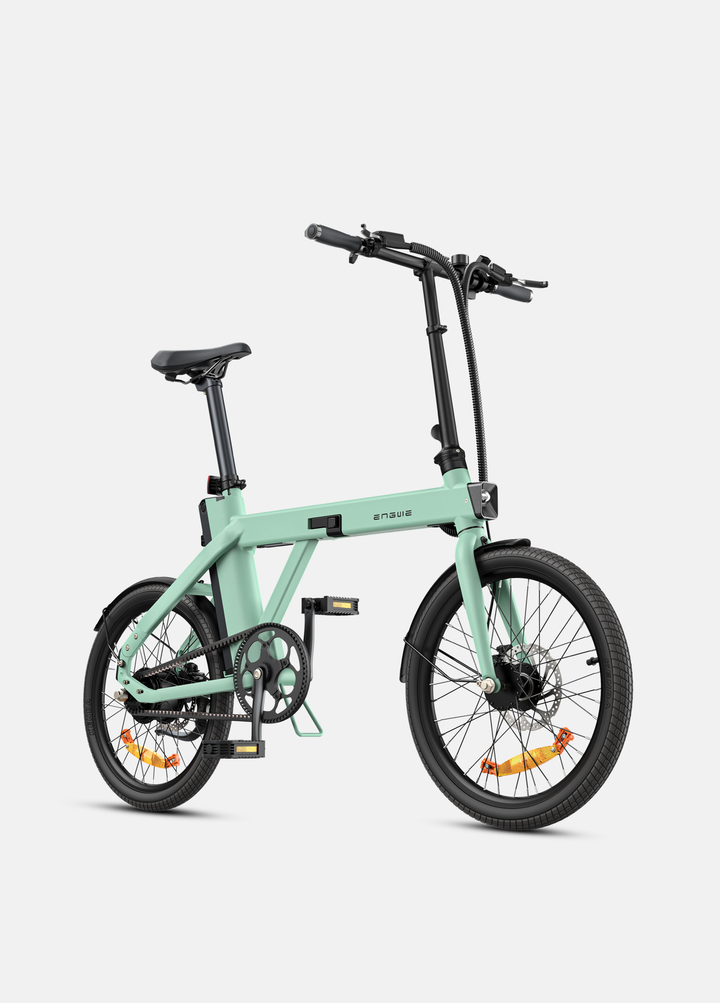
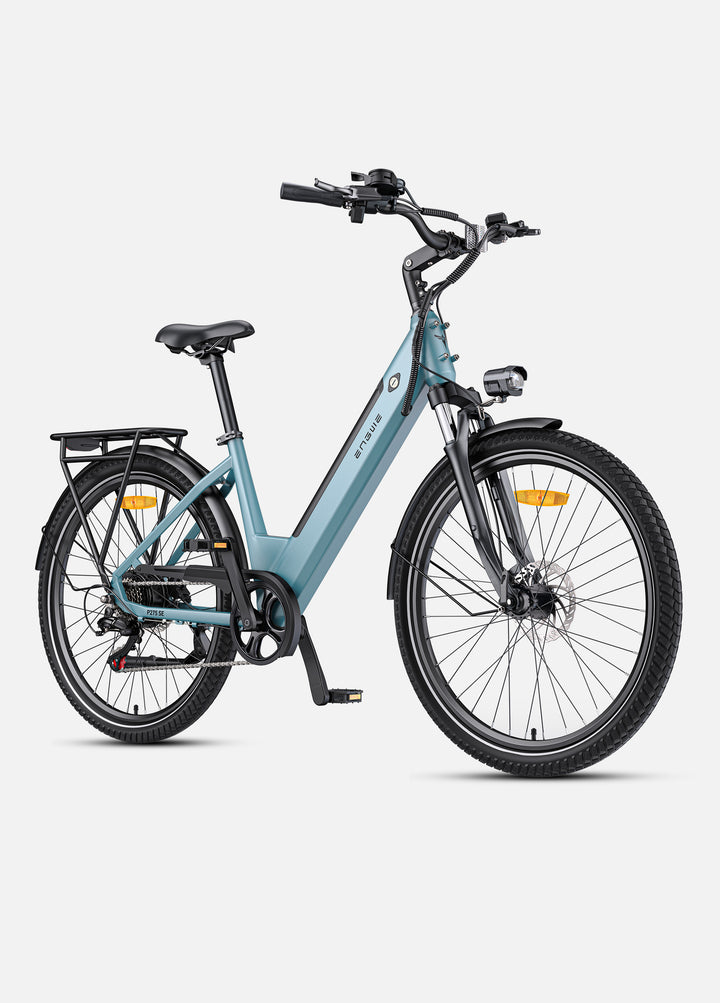
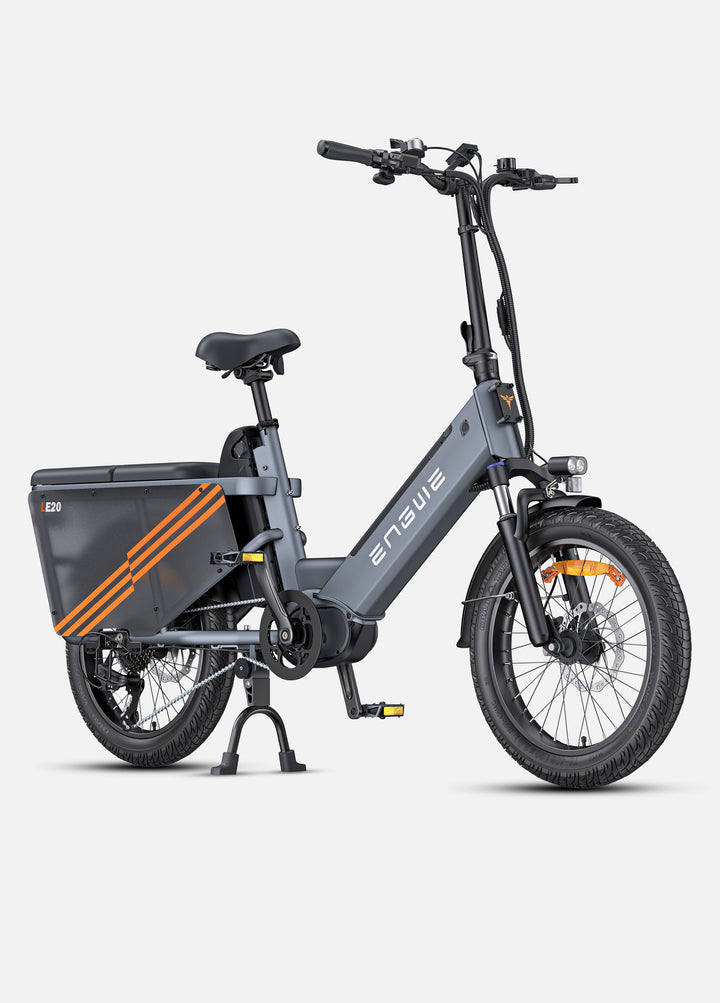
The ENGWE electric bike charger is a viable case of an approved charger by the manufacturer to work in a particular compatibility and safety in question. ENGWE sells several different types of chargers based on the bike model and the requirements of riding:
-
2A charger smartphone compatible with the ENGWE M20, ENGWE L20, ENGWE EP-2 Pro, and ENGWE Engine X.
-
Charger with higher capacity (like the Engine Pro) 3A.
-
An advantageous optional adapter cable to fit model-specific connections.
These chargers will fit the voltage and charging profile of the ENGWE 48v lithium battery ebike, which will cause less stress on internal cells.
A striking fact that has been seen in customer reviews is that the ENGWE charger has no internal cooling fan, which makes it run silently, and therefore, it is more comfortable to charge silently indoors or overnight. This is particularly useful in cases where the riders will charge their electric bike battery 48v in the bedrooms or apartments.

Bosch Ebike Charger (Performance Line)
Another real-life example of an e-bike charger is the Bosch ebike charger for riders of Bosch-powered e-bikes. The Bosch chargers are optimally configured to be voltage-controlled exactly and have thermal overcurrent protection as well as smart communication with the battery management system.
Bosch chargers are a higher cost and model-specific, but reputed to be reliable and long-lasting in terms of the battery life of the bike, particularly on mid-drive E-commuters and trekking bikes.

Jetson Ebike Charger
The Jetson ebike charger is typically employed on the entry-level or mini e-bikes. Although more simplistic in nature, it still shows the relevance of charging a battery with an appropriate voltage and connector type. Users who upgrade their budget e-bikes will find themselves, at times, soon getting to know that generic chargers can cause erratic charging or a short battery life.

Final Thoughts
One of the easiest methods to prolong the battery life and sustain the same level of performance is using an ebike battery charger correctly. Being able to charge the batteries of the e-bike correctly, charging the proper 48v ebike battery charger when needed, and making smart charging choices, you are safeguarding the battery, as well as the charger.
Best charging not only saves money. They also make sure that your e-bike is reliable, safe, and ready to ride when you are in need of it.
Frequently Asked Questions
How long does an ebike battery last with proper charging?
When properly charged, the majority of lithium-ion ebike batteries can be used between 3-5 years or 500 1,000 charge cycles. It is good to avoid charging the cells completely overnight, operating in extreme temperatures, and using incompatible chargers to ensure that the cell health is preserved and that the range remains constant as time goes by.
Can I use any charger for my ebike battery?
No. An ebike battery charger should be at the amperage and voltage of your battery. The incorrect charger with the plug may damage the battery management system or overheat the battery. Always charge your battery with a charger of a specific rating.
How long should I charge an ebike battery?
The time of charging most ebike batteries is about 4-7 hours with regard on capacity and charger output. To have a long battery life, it is better to take the charger out of the battery when it is around 80-90% instead of charging the battery to 100 percent each time
Why is my ebike battery fully charged but not working?
Instead of the battery, this problem is usually brought about by a BMS safety lock, loose connection, or controller fault. One can reset the battery or test it on another compatible charger and see whether or not the problem is detected.
Can I charge an ebike battery without the original charger?
Do not recommend a battery be charged without the correct charger. Anyone can do universal or improvised charging, which could damage the battery permanently or cause a safety hazard. Do not use a non-manufacturer-approved charger or replacement.
Is it bad to leave an ebike battery charging overnight?
Occasional overnight charging is not harmful, but frequent overnight charging exposes to more heat and is more susceptible to wear and tear. Lithium batteries are longer lasting when not plugged soon after they are fully charged, and daily riders use them.