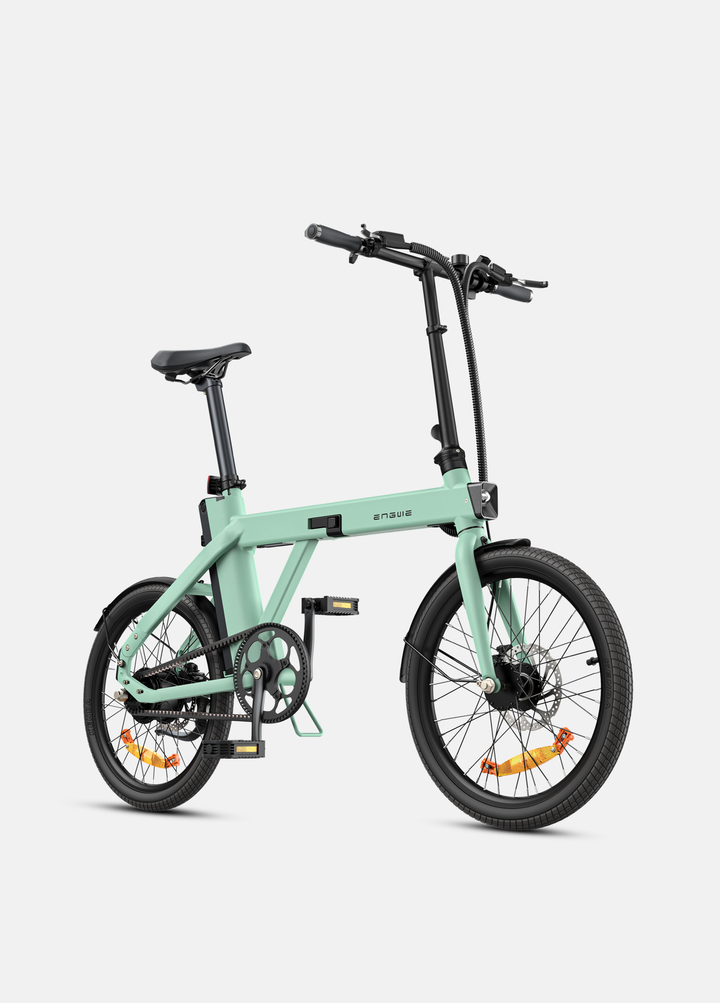
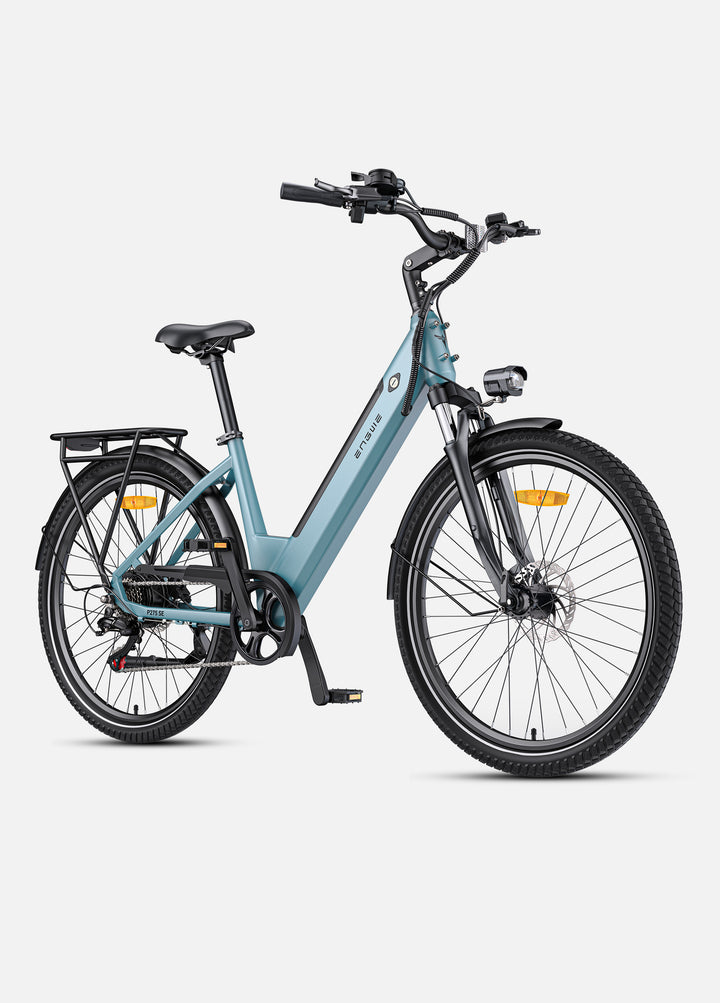
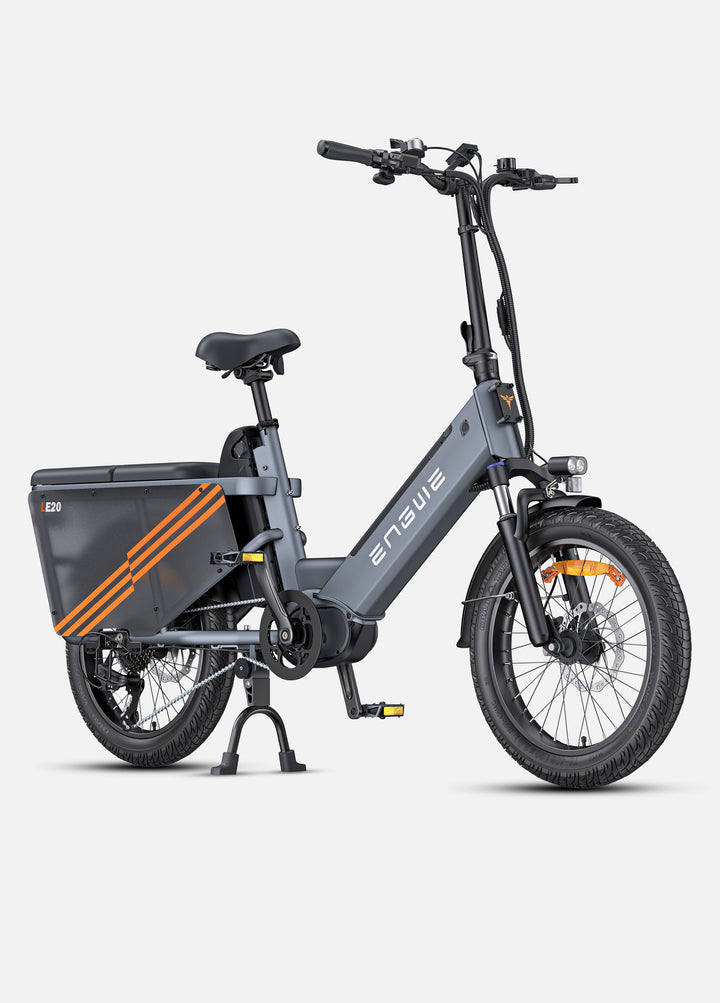
One of the most significant parts of an electric bike is an ebike charger, particularly in the case of a 48V battery system. Incorrect charging may reduce the battery life, leading to charging errors, or even destroy the battery. Learning about the specifics of a 48V system, the charger one should use, and the ways to safely charge a battery will contribute to the good performance of the battery and prevent damages over time.
This paper describes the operation of an ebike battery charger on 48V systems, the types of chargers available, along with typical charging issues encountered by riders when using them every day.

What Is an Ebike Charger and Why Voltage Matters
An ebike charger transforms the AC power of the household into DC voltage required to charge your battery. One of the most frequent reasons for battery failure is the usage of the wrong voltage charger.
An ebike battery charger is also available in a 48v specifically to be used as a 48V ebike battery charger. Ebike systems with a voltage mismatch between a charger for ebike e.g. a 36V charger, can be charged partially or have their battery damaged in the long run.
Understanding 48V Ebike Battery Charging
The maximum current is about 54.6V which is the typical charge of a 48V ebike charger when the battery is fully charged. This is expected and demanded in lithium-ion battery chemistry. The charger and internal management system of the battery regulate the charge process of the 48 volt ebike battery charge.
The ebike 48V battery charger provides a constant current up to the point that the battery is almost full after which the charger becomes more conservative with its power usage. That is why the time of charging becomes slow towards the end.

48V vs 36V Chargers: What’s the Difference?
A ebike battery charger 36V cannot be substituted with a 48V charger. The connectors can be similar, but the voltage from them is highly different as well as the charging profile. Battery charger ebike system A 48V battery charger ebike puts higher voltages and current to the battery to a purpose-built 48V system.
A charger with a lower voltage will partially charge a 48V battery and may cause a shortened range, inadequate performance, and a short-life battery.
|
Feature |
36V Ebike Charger |
48V Ebike Charger |
|
Battery Compatibility |
36V battery systems only |
48V battery systems only |
|
Typical Full Charge Voltage |
~42V |
~54.6V |
|
Charging Speed |
Slower for higher-capacity batteries |
Faster and more efficient for 48V batteries |
|
Interchangeable Use |
Not compatible with 48V |
Not compatible with 36V |
|
Risk if Used Incorrectly |
Incomplete charge |
Potential battery damage |

Ebike Charger Connector Types Explained
Types of ebike charger connectors depend on the brand and model and it is necessary to select the appropriate connector that ensures safe charging and good connection.
Always make sure that the connectors are compatible before buying a universal ebike charger because when people talk of universal it is commonly used to refer to the voltage range, but not the plug design.
-
DC barrel plugs - They are common in many consumer ebikes and are easy to operate although they need to be precisely the same size and polarity.
-
XLR connectors - Secure connectors that are usually lockable and are commonly used in superior or utility bikes.
-
Proprietary connectors - The connector is designed to fit only the charger of its manufacturer.
-
Connector polarity - Polarities should be correct or charging may not occur or components may be destroyed.
-
Loose-fit connectors - Can lead to intermittent charging or to total failure to charge.
Mismatched connector, poor contact, or illegal charging of an ebike battery not charging due to the incorrect choice of connector, so always make sure that you pair the charger with your battery system.

Charging Away From Home: Stations and Solar Options
In the case of the ebike charging stations, the riders are expected to use their own ebike charger to make sure that they are using the proper voltages and connector. Having a portable ebike charger is more convenient to use the possibilities of charging in the cafes, offices, or transit hubs without having to wait for special chargers.
In the case of solar installations, an ebike solar charger will work best on long days and sunny days. They are ideal in filling a battery not in charging it, thus making them useful when ridden over long distances or in case of emergencies, and traditional sources of power are not available.
Best Reliable Ebike Chargers Worth Considering for 48V Batteries
Careful selection of the charger will guarantee the effective and safe process of charging and long-term battery operation. The 48V ebike chargers are popular among the riders and are characterized by reliability, compatibility, and consistent charging capabilities.
ENGWE 48V Ebike Charger
The ENGWE Charger, which is customized to deliver a stable, controlled charge to ENGWE 48 V battery systems, is usable on a daily basis. It also has in-built overcharging and overheating protection, thus allowing it to be charged regularly at home. This advanced charger is recommended to the riders who desire direct and brand equivalent replacement, or spare charger.
Key Highlights:
-
ENGWE 48V battery designed.
-
Consistent and reliable power production.
-
In-house safety protection measures.
-
Fit to charge on a daily basis.

Bosch-Compatible 48V Ebike Charger
Two Bosch compatible 48 volt ebike chargers have been known to charge accurately and have consistent performance.These chargers are supposed to fit the supported system of Bosch, and they could have good voltage regulation and long life. They are generally charged by commuters who make frequent charges.
Key Highlights:
-
Precise voltage control
-
High build quality
-
Created to be charged frequently.
-
Thermal and electrical protection can be relied on.

Jetson 48V Ebike Charger
The Jetson ebike charger is a small and light-weight 48V charger that fits Jetson electric bikes. It is compact and easy to carry and thereby it is a good option to riders that need a second charger at work or travel and still achieve safe standards of charging.
Key Highlights:
-
Small and lightweight size.
-
Battery optimization Jetson 48V batteries are optimized.
-
Plug and play functionality.
-
Perfect as an alternative or portable charger.

Aventon Ebike Charger
The Aventon ebike charger is small, model-specific and efficiency-oriented, offering a consistent charge to the Aventon commuter ebike range. It is also lightweight, thus making it work well with those riders who may need fast top-ups throughout the day without compromising on any safety and reliability in charging.
Key Highlights:
-
Mounted on the Aventon 48V commuters.
-
Small and light-weight construction.
-
Uninterrupted and effective charging performance.
-
Charge well during the day or at the work place.

Troubleshooting Common Ebike Charging Problems
The problem with charging does not necessarily have to be associated with the ebike charger. If the ebike battery not charging, the first thing that you need to consider is to open the outlet, the charger indicator lights, and connector fitting. When a battery charger to be used with the ebike systems does not start charging, loose plugs, broken cables, or even incompatible connectors may be the cause.
In others, the riders complain of a ebike battery fully charged but not working. This may occur as a result of battery protection features, temperature controls or internal battery management features putting the output off temporarily. The problem can be solved by simply letting the battery cool down or by fitting the battery correctly.
In case of issues, it is advisable that the issue be professionally checked and then one should try to charge the components of the ebike once more.

Finding an Ebike Charger Near You and Emergency Charging Options
If you need an ebike charger near me, local bike shops, ebike dealers, and repair centers are the most effective places to begin with in case you require a charger for your e-bike. A variety of stores carry compatible chargeable or can assist in determining the appropriate replacement of your particular battery.
Brand-compatible chargers or compatible products can also be found by using official dealers/service partners who handle the popular brands like ENGWE. EBike charging stations are also available in some of the public places and transit stations whereby the riders are allowed to use their own chargers.
It is helpful to know how to charge ebike battery without charger because it is helpful during emergencies, however, the direct ways of charging are not suggested. Rather, riders can charge their original charger using portable power stations or inverters which are safe. This method is most effective when manufacturer-approved chargers are used, preventing battery damage due to incompatibility of sources of power.
Conclusion
It is important to use the appropriate ebike charger to ensure the security of your battery, safe charging, and overall sustainability. In case of 48V systems, which are identical to charger voltage, the connector type and charging method are helpful in avoiding most frequent problems of incomplete charging or battery damage.
Home charging, on-the-go charging, or in public outlets- home charging, no matter how you charge, knowing how your charger functions will enable you to charge without worrying and getting undue wear. Properly configured and with simple precaution, a 48V ebike battery can be as reliable and efficient as any other battery that is used in everyday riding.
Frequently Asked Questions
Is any chargebattery compatible with any ebike charger?
No. The battery 48V needs a 48V ebike charger of the appropriate voltage and connector to prevent both damage and incomplete charging.
What is the time of fully charging a 48 V ebike battery?
Depending on the capacity of a battery and the power output of a charger, most 48 V batteries require 4 to 7 hours to charge fully.
Can an ebike charger be left overnight?
A few charges overnight is considered safe with good quality chargers, although when a full charge is reached it is always good to take off the charger to maintain the long-term health of the battery.
Why is my ebike battery not charging even with the correct charger?
Reasons behind this are usually loose connectors, temperature protection, broken cables or battery management system protection that will prevent the charge temporarily