


Best Ebikes
-

Folding Commuter Ebike
-

Cheap Electric Commuter Bike
-

Lightweight Commuter Ebike
-

City Commuter Ebike
-

Electric Bike For Long Commute
-

Electric Mountain Bike For Commuting
-

Women's Electric City Bike
-

Urban Commuter E Bike
-

Commuter Road Bike


-
Electric Folding Bikes


ENGWE Zip
250W Lightweight 120 kg Max Load Torque Sensor Folding E-bike
Αγορά τώρα€1,099.00Τιμή μονάδας /Δυσεύρετος


<tc>ENGWE T14</tc>
250W Hub Motor Multiple Suspension Folding Electric Mini Bike
Αγορά τώρα€599.00Τιμή μονάδας /Δυσεύρετος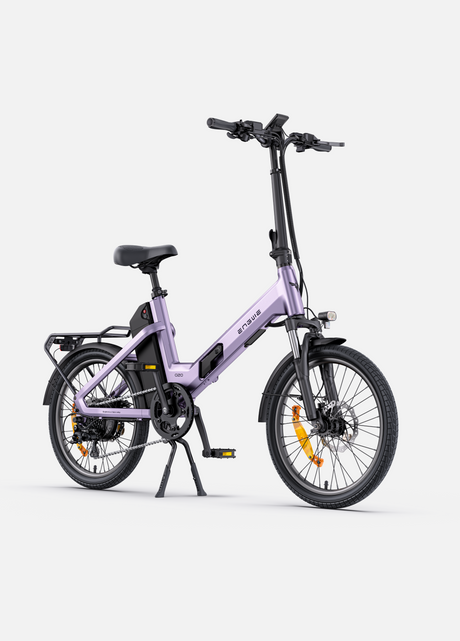


offENGWE O20 Boost
75Nm Boost Power Front Suspension Folding E-Bike
Αγορά τώρα€1,199.00€1,299.00Τιμή μονάδας /Δυσεύρετος-
Fat Tire Electric Bikes
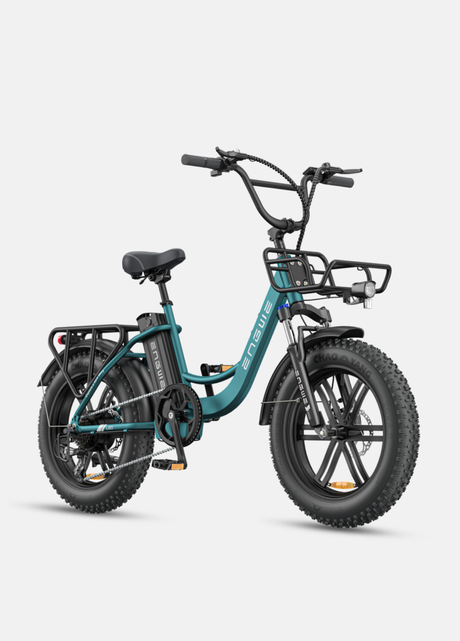


<tc>L20 Boost</tc>
250W 126KM Range Torque Sensor Electric Fat Bike with a Boost Button
Αγορά τώρα€1,149.00Τιμή μονάδας /Δυσεύρετος-
Electric Cargo Bikes
-
<tc>L20 Boost</tc>
250W 126KM Range Torque Sensor Electric Fat Bike with a Boost Button
Αγορά τώρα€1,149.00Τιμή μονάδας /Δυσεύρετος -
Electric Commuter Bikes


off<tc>ENGWE</tc> <tc>N1 Pro</tc>
250W Mid-drive Motor, 80Nm Torque Carbon Fiber City E-bike
Αγορά τώρα€1,599.00€2,899.00Τιμή μονάδας /Δυσεύρετος-
ENGWE Zip
250W Lightweight 120 kg Max Load Torque Sensor Folding E-bike
Αγορά τώρα€1,099.00Τιμή μονάδας /Δυσεύρετος 


off<tc>P275 SE</tc>
250W Motor Smart Torque Sensor 100km Range All-Weather City E-Bike
Αγορά τώρα€999.00€1,499.00Τιμή μονάδας /Δυσεύρετος-
<tc>ENGWE T14</tc>
250W Hub Motor Multiple Suspension Folding Electric Mini Bike
Αγορά τώρα€599.00Τιμή μονάδας /Δυσεύρετος -
<tc>L20 Boost</tc>
250W 126KM Range Torque Sensor Electric Fat Bike with a Boost Button
Αγορά τώρα€1,149.00Τιμή μονάδας /Δυσεύρετος 


off<tc>ENGWE P20</tc>
18.5KG Torque Sensor Folding Urban Electric Bike with Belt Drive
Αγορά τώρα€999.00€1,399.00Τιμή μονάδας /Δυσεύρετος-
offENGWE O20 Boost
75Nm Boost Power Front Suspension Folding E-Bike
Αγορά τώρα€1,199.00€1,299.00Τιμή μονάδας /Δυσεύρετος -
Step Over Electric Bikes


off<tc>ENGWE N1 Air</tc>
250W Ultra-lightweight 100KM Long Range Carbon Fiber City E-bike
Αγορά τώρα€1,249.00€1,799.00Τιμή μονάδας /Δυσεύρετος-
off<tc>ENGWE</tc> <tc>N1 Pro</tc>
250W Mid-drive Motor, 80Nm Torque Carbon Fiber City E-bike
Αγορά τώρα€1,599.00€2,899.00Τιμή μονάδας /Δυσεύρετος 


off<tc>ENGWE P275 Pro</tc>
250W Bafang Mid-drive Motor 65NM Torque Step Over Commuter E-bike
Αγορά τώρα€1,099.00€2,199.00Τιμή μονάδας /Δυσεύρετος-
Step Thru Electric Bikes
-
off<tc>ENGWE N1 Air</tc>
250W Ultra-lightweight 100KM Long Range Carbon Fiber City E-bike
Αγορά τώρα€1,249.00€1,799.00Τιμή μονάδας /Δυσεύρετος -
off<tc>P275 SE</tc>
250W Motor Smart Torque Sensor 100km Range All-Weather City E-Bike
Αγορά τώρα€999.00€1,499.00Τιμή μονάδας /Δυσεύρετος -
<tc>L20 Boost</tc>
250W 126KM Range Torque Sensor Electric Fat Bike with a Boost Button
Αγορά τώρα€1,149.00Τιμή μονάδας /Δυσεύρετος 


off<tc>ENGWE P275 ST</tc>
250W Ananda Mid-drive Motor 70NM Torque Step Thru Urban E-Bike
Αγορά τώρα€1,199.00€1,899.00Τιμή μονάδας /Δυσεύρετος-
Lightweight Electric Bikes
-
off<tc>ENGWE N1 Air</tc>
250W Ultra-lightweight 100KM Long Range Carbon Fiber City E-bike
Αγορά τώρα€1,249.00€1,799.00Τιμή μονάδας /Δυσεύρετος -
ENGWE Zip
250W Lightweight 120 kg Max Load Torque Sensor Folding E-bike
Αγορά τώρα€1,099.00Τιμή μονάδας /Δυσεύρετος -
off<tc>ENGWE P20</tc>
18.5KG Torque Sensor Folding Urban Electric Bike with Belt Drive
Αγορά τώρα€999.00€1,399.00Τιμή μονάδας /Δυσεύρετος -
Electric Bikes Combo


off<tc>P275 SE</tc> Συνδυασμός
250W Motor Smart Torque Sensor 100km Range All-Weather City E-Bike
Αγορά τώρα€1,948.00€2,998.00Τιμή μονάδας /Δυσεύρετος


Frequently Asked Questions
What is a commuter ebike?
What is a commuter ebike?
Commuter ebikes are designed with reliable transportation in daily cases with high efficiency motors, long range batteries and convenient frames that can be used in the city. Fit to work on paved roads and in city mixed terrain, they meet the legal standards of commuting and have reached its maximum of comfort and utility.
ENGWE has lightweight commuter and e-bikes, folding electric bikes, and long-range models that suit the requirements of space, distances, and rides. Regardless of whether it is the most appropriate electric bike to commute or a less expensive, highly valued alternative, we offer quality solutions to efficient but daily commuting.
Commuter ebikes are designed with reliable transportation in daily cases with high efficiency motors, long range batteries and convenient frames that can be used in the city. Fit to work on paved roads and in city mixed terrain, they meet the legal standards of commuting and have reached its maximum of comfort and utility.
ENGWE has lightweight commuter and e-bikes, folding electric bikes, and long-range models that suit the requirements of space, distances, and rides. Regardless of whether it is the most appropriate electric bike to commute or a less expensive, highly valued alternative, we offer quality solutions to efficient but daily commuting.
What is the best ebike for commuting?
What is the best ebike for commuting?
A commuter ebike is an electric bicycle that is specifically developed for use in routine urban and suburban transportation. The best commuter ebikes design focuses on efficiency, comfort, predictability of operating range, and reliability to support consistent daily travel under real-world traffic and road conditions.
- Optimized motor assistance: Commuter ebikes use tuned levels of motor output to maintain steady speeds suitable for city roads. It helps riders move through city traffic without working hard and reduces physical strain.
- Balanced battery capacity: Battery systems are designed based on normal commuting ranges, while maintaining long-term battery life and minimizing unnecessary weight.
- Urban-focused geometry: The frame geometries are designed to provide an upright position during the rides so as to increase visibility, control, and comfort on long rides around the city.
- Integrated utility characteristics: A lot of commuter models have built-in lights, fenders, and rack compatibility to accommodate all the daily transport needs without needing external adjustments.
- Regulatory Guidelines: ENGWE commuter ebikes are usually set up to fit into the legal classifications of Class 1, Class 2, and Class 3, depending on the market targeted, such as the U.S. In the case of the European Union, models apply to the standards of EN15194 and are normally limited to 250W motor output and a maximum assisted speed of 25 km/h for compatibility with regional regulations on street and cycle path use.
A commuter ebike is an electric bicycle that is specifically developed for use in routine urban and suburban transportation. The best commuter ebikes design focuses on efficiency, comfort, predictability of operating range, and reliability to support consistent daily travel under real-world traffic and road conditions.
- Optimized motor assistance: Commuter ebikes use tuned levels of motor output to maintain steady speeds suitable for city roads. It helps riders move through city traffic without working hard and reduces physical strain.
- Balanced battery capacity: Battery systems are designed based on normal commuting ranges, while maintaining long-term battery life and minimizing unnecessary weight.
- Urban-focused geometry: The frame geometries are designed to provide an upright position during the rides so as to increase visibility, control, and comfort on long rides around the city.
- Integrated utility characteristics: A lot of commuter models have built-in lights, fenders, and rack compatibility to accommodate all the daily transport needs without needing external adjustments.
- Regulatory Guidelines: ENGWE commuter ebikes are usually set up to fit into the legal classifications of Class 1, Class 2, and Class 3, depending on the market targeted, such as the U.S. In the case of the European Union, models apply to the standards of EN15194 and are normally limited to 250W motor output and a maximum assisted speed of 25 km/h for compatibility with regional regulations on street and cycle path use.
What kind of bike is best for daily commute?
What kind of bike is best for daily commute?
The best commuter ebike is one that ensures that there is a steady performance, comfort of riding, and ease of use on the current road infrastructure. Selection depends on distance, terrain, storage limitations, and rider-specific requirements.
- City Commuter Ebike / Urban Commuter E Bike: These ebikes are for flat, paved roads. This kind of e-bike uses hub motors and a rigid frame for reliability in dense traffic and regulated environments. Designed for functionality around established paved infrastructure, these bikes use a rigid frame structure and dependable hub motors to move efficiently in flat to moderate urban settings.
- Folding Commuter Ebike: This design model overcomes the storage limitations in the home or workplace locations and becomes a necessity of multimodal commuting (e.g., combining cycling with public rail services. The foldable frame ensures portability and improves practicality, even in high utility in dense metropolitan environments
- Lightweight Commuter Ebike: Lightweight commuter e-bike: In this case, the focus is on the manoeuvrability and transportability of the e-bike when the motoring power is switched off. Such bikes benefit people who need to take the unit upstairs or onto public transport platforms quite regularly.
- Electric Bike for Long Commute: To travel during the day with a round-trip distance of more than 15 miles per way, one will need high-capacity battery systems (typically >600Wh) to be able to have the necessary round-trip operational range (long distance) without midday recharging.
- Cheap Electric Commuter Bike: This category provides an economically feasible, low-cost entry-level to electric transportation, using hardy componentry, it offers a reliable and affordable alternative to public transit or automobile use.
- Women's Commuter Electric Bike: This type of bike often features a low step or step-through frame. The design option adds to the ease of access as it is easy to mount and dismount with the rider wearing either professional or casual clothes.
- Electric Mountain Bike for Commuting: Although mountain bikes are mainly created to ride through the wilderness, their use on routes that have some off-road shortcuts or mountainous road sections is phenomenal. Their strong balancing and strong motors ensure comfort and performance even on rough surfaces.
The best commuter ebike is one that ensures that there is a steady performance, comfort of riding, and ease of use on the current road infrastructure. Selection depends on distance, terrain, storage limitations, and rider-specific requirements.
- City Commuter Ebike / Urban Commuter E Bike: These ebikes are for flat, paved roads. This kind of e-bike uses hub motors and a rigid frame for reliability in dense traffic and regulated environments. Designed for functionality around established paved infrastructure, these bikes use a rigid frame structure and dependable hub motors to move efficiently in flat to moderate urban settings.
- Folding Commuter Ebike: This design model overcomes the storage limitations in the home or workplace locations and becomes a necessity of multimodal commuting (e.g., combining cycling with public rail services. The foldable frame ensures portability and improves practicality, even in high utility in dense metropolitan environments
- Lightweight Commuter Ebike: Lightweight commuter e-bike: In this case, the focus is on the manoeuvrability and transportability of the e-bike when the motoring power is switched off. Such bikes benefit people who need to take the unit upstairs or onto public transport platforms quite regularly.
- Electric Bike for Long Commute: To travel during the day with a round-trip distance of more than 15 miles per way, one will need high-capacity battery systems (typically >600Wh) to be able to have the necessary round-trip operational range (long distance) without midday recharging.
- Cheap Electric Commuter Bike: This category provides an economically feasible, low-cost entry-level to electric transportation, using hardy componentry, it offers a reliable and affordable alternative to public transit or automobile use.
- Women's Commuter Electric Bike: This type of bike often features a low step or step-through frame. The design option adds to the ease of access as it is easy to mount and dismount with the rider wearing either professional or casual clothes.
- Electric Mountain Bike for Commuting: Although mountain bikes are mainly created to ride through the wilderness, their use on routes that have some off-road shortcuts or mountainous road sections is phenomenal. Their strong balancing and strong motors ensure comfort and performance even on rough surfaces.
How much to spend on a commuter bike?
How much to spend on a commuter bike?
The best cost for a commuter ebike would depend on usage patterns, complexity, and performance requirements.
- Entry-Level (Under $1,000): This level is appropriate when it comes to simple commuting in flat areas. The category of models in this category is generally fitted with 250500 W hub motors and mechanical disc brakes. They are suitable for short routes of about 20-40miles. Models under $800 may certainly have some downgrades in the important parts.
- Mid-Range ( $1,000–$2,000): It is the most moderate price-to-performance segment. It provides a variety of 30-60-mile, enhanced lithium-battery installation and safety improvements like hydraulic brakes. It is believed to be the ideal commuter value segment of the market.
- Premium ($2,000–$3,500): This level is aimed at riders who want to use long distances or those who prefer performance, which includes mid-driving motors, torque sensors, sophisticated suspension, and in-built lighting or cargo systems.
- High-End (Above $3,500): These are enterprise-level eBikes with advanced smart connectivity, dual batteries (600WH+ capacities), along with efficient motors such as Bosch and/or Shimano Mid.
The best cost for a commuter ebike would depend on usage patterns, complexity, and performance requirements.
- Entry-Level (Under $1,000): This level is appropriate when it comes to simple commuting in flat areas. The category of models in this category is generally fitted with 250500 W hub motors and mechanical disc brakes. They are suitable for short routes of about 20-40miles. Models under $800 may certainly have some downgrades in the important parts.
- Mid-Range ( $1,000–$2,000): It is the most moderate price-to-performance segment. It provides a variety of 30-60-mile, enhanced lithium-battery installation and safety improvements like hydraulic brakes. It is believed to be the ideal commuter value segment of the market.
- Premium ($2,000–$3,500): This level is aimed at riders who want to use long distances or those who prefer performance, which includes mid-driving motors, torque sensors, sophisticated suspension, and in-built lighting or cargo systems.
- High-End (Above $3,500): These are enterprise-level eBikes with advanced smart connectivity, dual batteries (600WH+ capacities), along with efficient motors such as Bosch and/or Shimano Mid.
What is the typical lifespan of a commuter bike?
What is the typical lifespan of a commuter bike?
A commuter electric bike has a functional life of 3 to 7 years, depending on the quality of its parts, their frequency of use, and their maintenance. Industry-standard durability metrics are as follows:
- Battery System: Lithium-ion battery packs normally go through 500-1,000 charge cycles and last for 3-5 years if proper charging protocols are used, like keeping a 20-80% state of charge during storage.
- Motor Units: Hub and mid-drive motors are designed to cover 10,000–20,000 kilometers of use, subject to terrain and load conditions.
- Frame Integrity: Frames made from 6061 aluminum alloy or similar materials have structural integrity for more than 30,000 kilometres under normal commuter loads
- Drivetrain and Braking Systems: Chains, cassettes, disc brakes, etc., have to be checked regularly. These systems have different replacement periods, although in case of regular maintenance, the total lifespan of the product is greatly increased.
A commuter electric bike has a functional life of 3 to 7 years, depending on the quality of its parts, their frequency of use, and their maintenance. Industry-standard durability metrics are as follows:
- Battery System: Lithium-ion battery packs normally go through 500-1,000 charge cycles and last for 3-5 years if proper charging protocols are used, like keeping a 20-80% state of charge during storage.
- Motor Units: Hub and mid-drive motors are designed to cover 10,000–20,000 kilometers of use, subject to terrain and load conditions.
- Frame Integrity: Frames made from 6061 aluminum alloy or similar materials have structural integrity for more than 30,000 kilometres under normal commuter loads
- Drivetrain and Braking Systems: Chains, cassettes, disc brakes, etc., have to be checked regularly. These systems have different replacement periods, although in case of regular maintenance, the total lifespan of the product is greatly increased.
How far is too far to commute on a bike?
How far is too far to commute on a bike?
The range of an electric bicycle in terms of commuting is dependent on the stamina of the rider, geography, infrastructure, and battery power. Practically, in the urban and suburban setting, a one way distance of 25 to 40 kilometres (15 to 25 miles) would be regarded as the practical upper limit of commuting to work on a regular daily basis.
- Short-range commutes (5–15 km): The e-bikes with short-range (5–15 km) are easily handled by all types and are especially appropriate in cities with high numbers of stops.
- Mid-range commutes (15–30 km): The distance of the mid-range commutes (15-30 km) implies the use of efficient pedal-assistant mechanisms and mid-capacity batteries (400-600 Wh).
- Long-distance commutes (30–50+ km): High-capacity batteries (600-960Wh), torque-sensing and ergonomic commuter geometry are good support choices of long-range commuting (30-50+km).
Riders who travel more than 50km per day should look into dual-battery designs, the most convenient e-bikes to commute long distances, or the higher-priced models like ENGWE P275 SE or ENGWE P275 Pro, which is designed to work over a long time without recharging breaks.
The range of an electric bicycle in terms of commuting is dependent on the stamina of the rider, geography, infrastructure, and battery power. Practically, in the urban and suburban setting, a one way distance of 25 to 40 kilometres (15 to 25 miles) would be regarded as the practical upper limit of commuting to work on a regular daily basis.
- Short-range commutes (5–15 km): The e-bikes with short-range (5–15 km) are easily handled by all types and are especially appropriate in cities with high numbers of stops.
- Mid-range commutes (15–30 km): The distance of the mid-range commutes (15-30 km) implies the use of efficient pedal-assistant mechanisms and mid-capacity batteries (400-600 Wh).
- Long-distance commutes (30–50+ km): High-capacity batteries (600-960Wh), torque-sensing and ergonomic commuter geometry are good support choices of long-range commuting (30-50+km).
Riders who travel more than 50km per day should look into dual-battery designs, the most convenient e-bikes to commute long distances, or the higher-priced models like ENGWE P275 SE or ENGWE P275 Pro, which is designed to work over a long time without recharging breaks.

