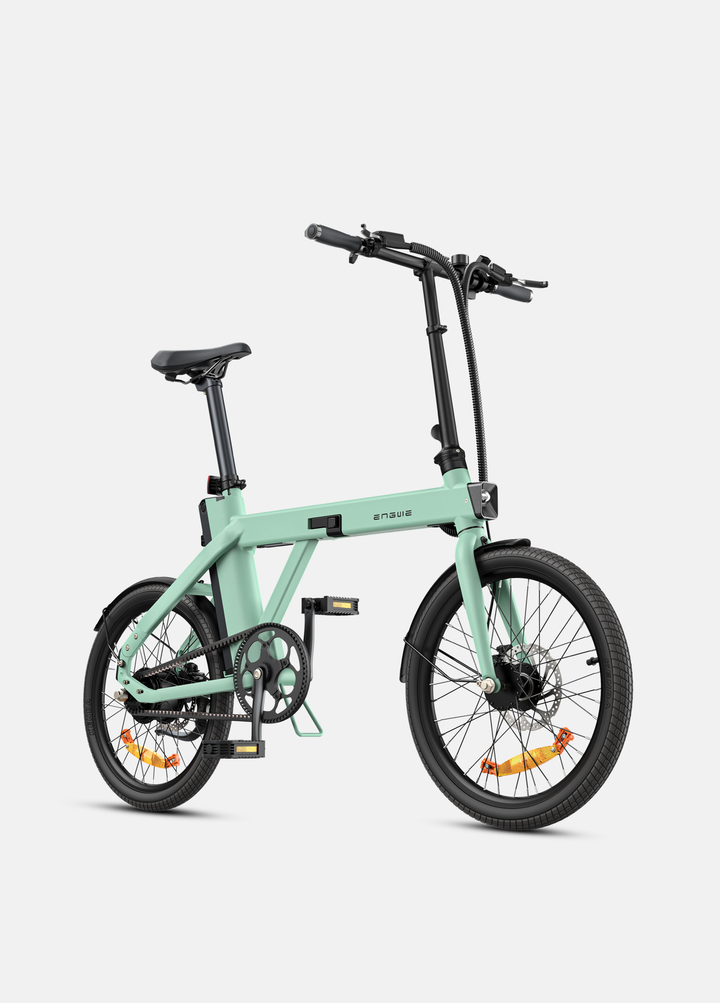
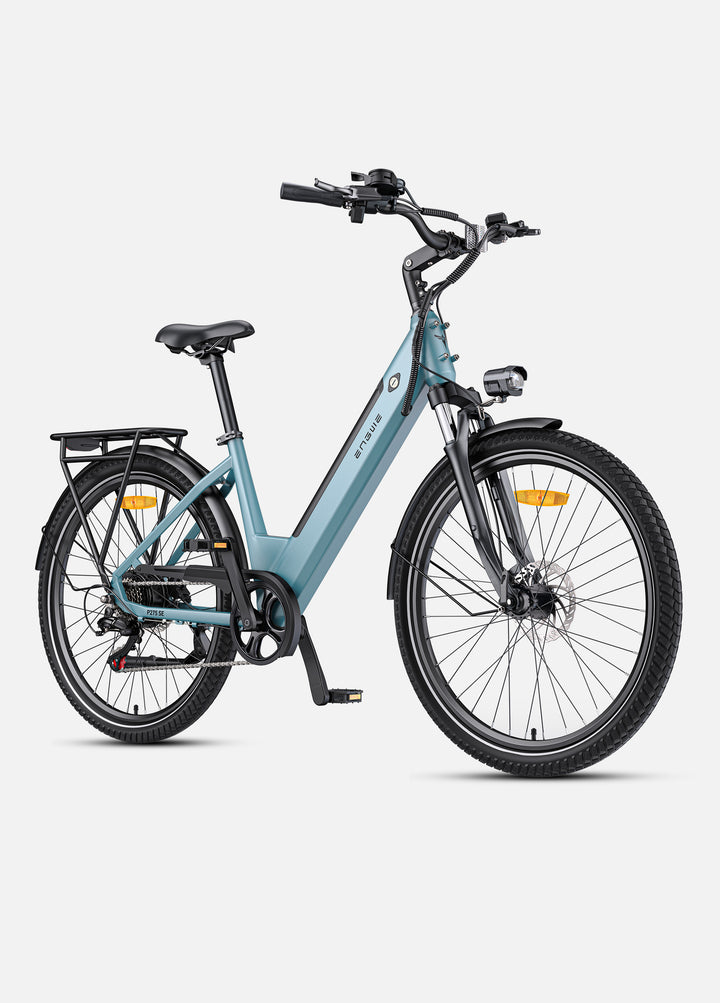
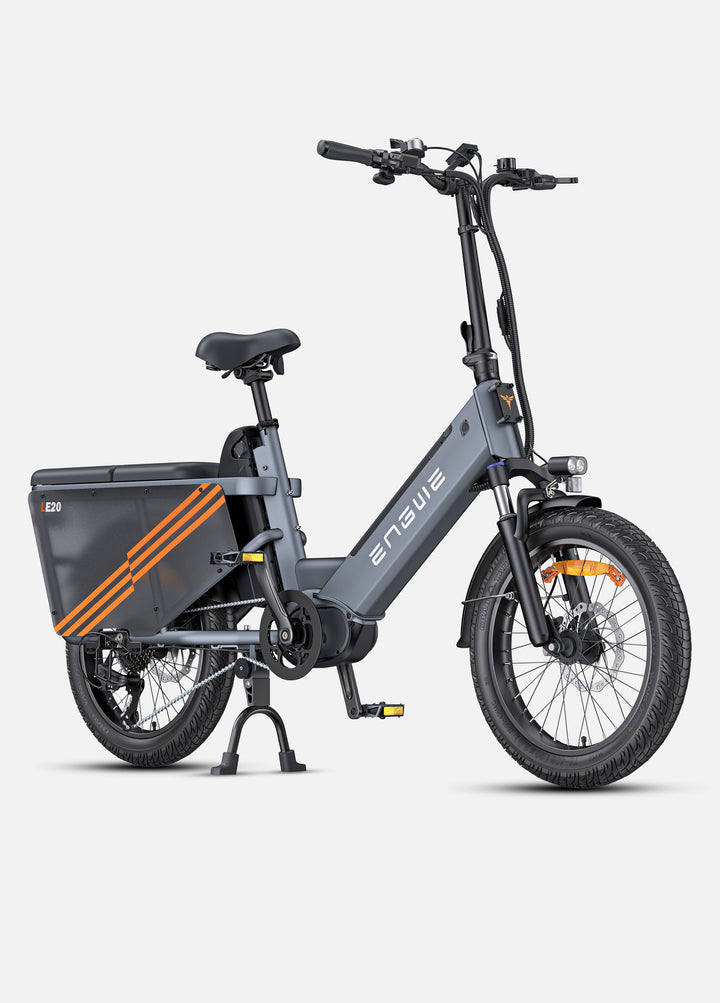
One of the most wonderful moments in everyone’s life is a bicycle ride and at the same time, it's a fantastic method of keeping fit. A bicycle ride in the city or a trail ride in the woods, a bike ride will make your fitness, balance, and mental well-being, stronger. From the first sight, cycling might seem too difficult, however, with the right help, any person can get over it and be sure of himself/herself.
We will teach you the basics of bike riding, dirt bike riding, legal aspects, and teaching children to ride a bike through this detailed guide.
Bike Riding Benefits
Understanding the benefits of bike riding can be a great eye opener to potential applicants for the sport:
- It is beneficial for the heart, and the muscles become stronger
- The coordination, balance, and motor skills improve
- Reduced anxiety and improved mental health
- A mode of transport that is friendly to the earth
The benefits of daily cycling for sleep, stamina, and mood are at their peak during the early morning and late evening hours. A daily session on a fitness bike is a step towards physical fitness and general well-being.

Preparing for Your First Bike Ride
Choosing the Right Bike
When learning to ride a bike, the right bike is what matters the most. Consider:
- Size and fit: Should be able to support the body with both feet on the ground.
- Type: Mountain bike, road bike, cruiser, or electric.
- Safety features: Brakes, reflectors, and light.
All models are programmed with a simple operation mode for a beginner and thus, they are able to offer safety and comfortable support for your initial rides.
Safety Equipment
Always wear safety equipment along with a helmet. A question that gets asked all the time is whether it is illegal to ride a bike without a helmet?
Different states have different laws, but helmets are always highly recommended as a means of injury prevention. Also, it is a good idea to wear gloves, knee pads, and reflective clothing.

Step-by-Step Guide: How to Ride a Bike
1. Start with Balance
Remove training wheels for a natural ride. Practice riding a bike without training wheels on slight slopes or open fields to get more confident.
2. Pedaling Skills
Once balanced, focus on equal pedal strokes. Look forward, not down at the pedals, to stay balanced.
3. Turning and Braking
Practice turning and braking. Hand signals are necessary while riding on trails or roads.
4. Riding Over Varied Surfaces
Practice over grass, pavement, and slight inclines. This gets you ready for trail riding or dirt bike riding. Smooth braking and balancing are most important.
Instructing Kids To Ride A Bike
Training children requires a lot of patience. Check out the ways how to teach a kid to ride a bike:
- Start with a helmet and protective gear
- Try to do it in safe, flat places without traffic
- Help the child to pedal while you hold the bike steady
- Gradually remove the aid until they can ride alone
Getting through the first successful bike ride, for example, is a great way to boost the child's self-esteem.
GPS and Tracking
Nowadays, a ride with GPS is one of the features a new bike has, thus recording speed, distance, and trail. In this way, both beginners and experienced riders can be motivated to improve their skills. Benefits of riding a bike with tracking , make you protected and secured.

Advice for Dirt Bike Riding
For off-road bikers:
- Wear full protective equipment: helmet, gloves, boots
To lessen the chances of getting injured during a ride over rough terrain, always put on a certified helmet, gloves, and sturdy boots. In addition, safety equipment gives the rider comfort and confidence during long rides.
When learning how to ride a bike without training wheels, start on a flat, open area, focus on balancing first, and gradually practice pedaling while keeping your eyes forward.
- Practice riding a dirt bike gradually
Start slowly on flat trails in order to get early control and confidence before going on more challenging trails. Gradual learning ensures safer development and more efficient skill attainment over time.
- Find out where can i ride my dirt bike legally, so that you I do not get fined or go to dangerous places
Check out the local laws and legal off-road areas to make sure that you are riding lawfully. Avoid riding on restricted or private land in order not to be fined and put yourself in danger.
- Start with easy trails and then move on to technical ones
Acclimate yourself to riding your bike through the use of simple trails first. As your riding skills, balance, and confidence get stronger, take it step by step and move on to the difficult trails.

Legal Consequences
Riders should familiarize themselves with local legislation:
1. Do you need a license to ride an electric bike?
It depends on the region. There is a registration or license for an e-bike in certain places, but not all. It would be advisable to check the local law beforehand and ride, only to receive a fine.
2. Is riding on the sidewalk illegal?
Riding on the sidewalk is forbidden in certain cities. Sidewalk rules differ city to city or state to state, primarily for pedestrian safety. Always adhere to local regulations and use bike lanes if they are present.
3. Can a pregnant woman bicycle?
Talk to a doctor and don't use bumpy trails. Pregnant bikers should consult a doctor first before pedaling and restrict themselves to flat, low-impact routes. Use no hazardous trails and keep slow paces to be on the safe side.
Knowledge of laws makes bike riding legal and secure, making you safe while cycling responsibly. In many cities, is it illegal to ride a bike on the sidewalk depends on local laws, as some areas prohibit it to ensure pedestrian safety.
Mistakes to Avoid
No helmet or protective gear
Keeping protection gear out places a big chance of injury. An innocuous ride should still include basic protective gear for maximum safeguard.
Is it illegal to ride a bike without a helmet depends on local laws, as some regions require helmets for minors or all riders, but wearing one is always safest.
Overloads that cause imbalance
Keeping too much load in packs or baskets puts the bike out of balance. Reduce your weight and balance to stay in control.
Exceeding speed while not having control
New cyclists tend to be careless with speed too soon, which causes accidents. Learn control and technique first, then proceed with speed for safe rides.
Ignoring local traffic regulations
Failure to comply with traffic rules endangers yourself and others. Always ride prudently, signal turns, and obey signs on the road.
Avoidance of these errors leads to a safer and happier biking experience.

Safety Tips for a Safe First Bike Ride
Practice on flat, traffic-free land
Begin in flat terrain such as parks or vacant parking lots to reduce risk and distraction. The flat ground helps you concentrate on pedaling and balance.
Wear light-colored clothes and reflective accessories
Safety comes first, and visibility is paramount, particularly in low-light environments. Light equipment makes it easy for other cyclists and motorists to spot you.
Practice to start, stop, and turn
Practice these fundamental moves repeatedly in order to develop confidence and muscle memory. Proper bike control is a safety need to ensure safe riding.
Conclusion
Riding a bike is a rewarding experience that has physical and mental benefits. From initial bike riding to dirt bike riding, safe riding habits, proper gear, and patience are required. ENGWE Engine Pro 2.0, and Walkke X3 Max, provide beginner rider stability and support for safe and enjoyable rides.

Also, before cycling, it’s important to ask, can you ride a bike while pregnant safely by consulting your doctor and sticking to flat, low-impact routes.
For teaching children, trail riding, or commuting, a bike ride enhances fitness, independence, and enjoyment.