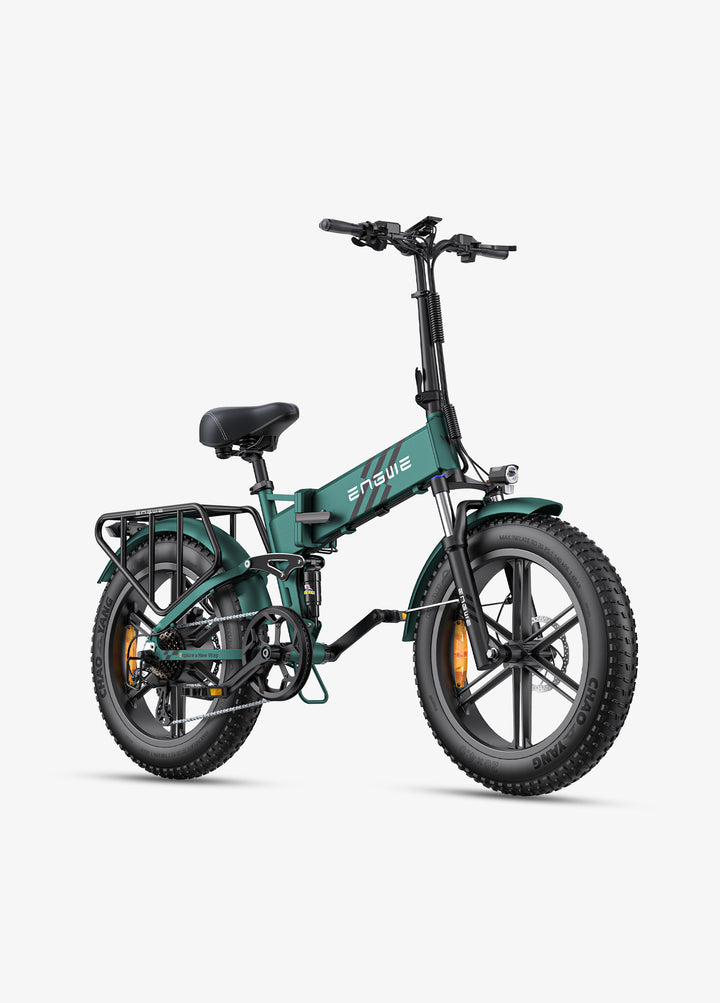
The advent of electric mobility has brought in an enormous range of different bike frames and wheel setups into the market. A hugely attractive one is the fat tyre electric bike, a vehicle marked by its large-sized tyres and solid frame.
As more cyclists switch to electric bikes, many wonder about their lifespan and stability. While regular e-bikes are mainly planned for efficiency and speed on the road, the e bike fat tire type has been developed with a radically different approach.
To see if these bikes last longer than those with thin tires, we need to study their engineering. We should also look at the materials used and the environments they are designed for.
Understanding the Structural Design of Electric Fat Tyre Bikes
The biggest difference anyone can see when they compare a fat tyre electric bike with a standard road or hybrid ebike is the size of the components. Cycling frames represent durability at the highest level. Since electric fat tyre bikes are basically made to carry more weight and go on rougher terrain, the makers usually use reinforced aluminium alloy or steel for the frames. These frames have thicker tube walls.
This design helps them handle extra torque from the motor and the pressure from off-road obstacles. A lightweight city ebike focuses on saving battery life through minimalism. This can make the frame more prone to damage if you take it off the beaten path.

When it comes to a fat tyre electric mountain bike, the toughness of their wheels is also a factor of their resilience. A traditional bike rim is narrow. This makes it prone to "truing" issues. It can also bend if you hit a deep pothole at high speed. The rims of the best fat tyre electric bike are not only wider but also stiffer.
Such a width offers a firm base to the high-volume tyre, which in turn allows the force of the impact to be spread to a larger area. So a bike with thin tyres might get a pinch flat or a rim dent from a curb, whereas a fat tyre model will just absorb the shock without any damage to its structure.
The Role of Tire Volume in Component Longevity
The primary benefit of an e bike fat tire is that it can be the main suspension of the bike. As these tires can store a huge volume of air at very low pressures, they change shape to rocks, roots, and uneven pavement. This natural cushioning not only gives the cyclist a comfortable ride but also protects the whole bike. High-frequency vibrations are an invisible threat to electronic components and mechanical joints.
On a normal ebike with high-pressure tires, every bump sends a shock through the forks, the motor casing, and the battery mounts. Vibrations can travel for hundreds of miles. They may loosen bolts or create micro-fractures in the electrical system's solder joints.

In contrast, the fat tyre electric bike eliminates these vibrations at the source before they can affect the sensitive parts. This is a very efficient way of extending the life of the motor as well as the internal wiring. The spokes are actually getting a little help from the fat tyre energy absorbance as well.
When the tire takes the biggest share of the energy from an impact, the spokes undergo less sudden tension; thus, breakage becomes less likely. This natural shock-absorbing capacity makes electric fat tyre bikes some of the most durable choices for riders who want to be carefree about the occasional rough road or gravel damaging their bike.
Examining Market Leaders: ENGWE and the Industry Standard
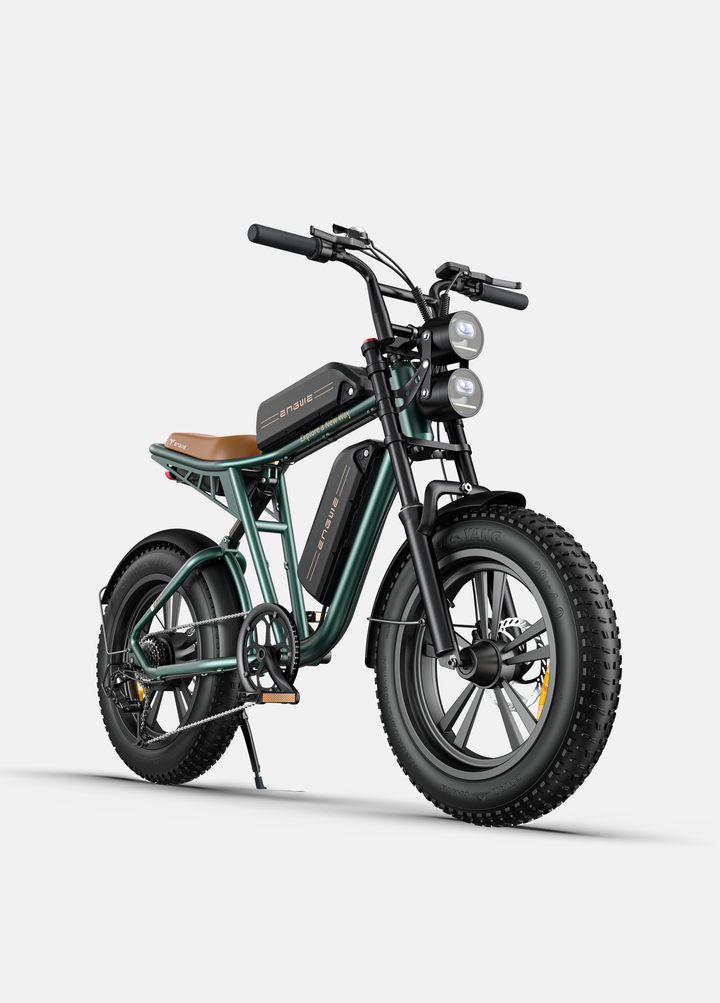
To see how durability shows up in real products, we can choose models that set the standard in this area. ENGWE is a name that has recently emerged as a leader in the market through its commitment to practical and highly useful designs.
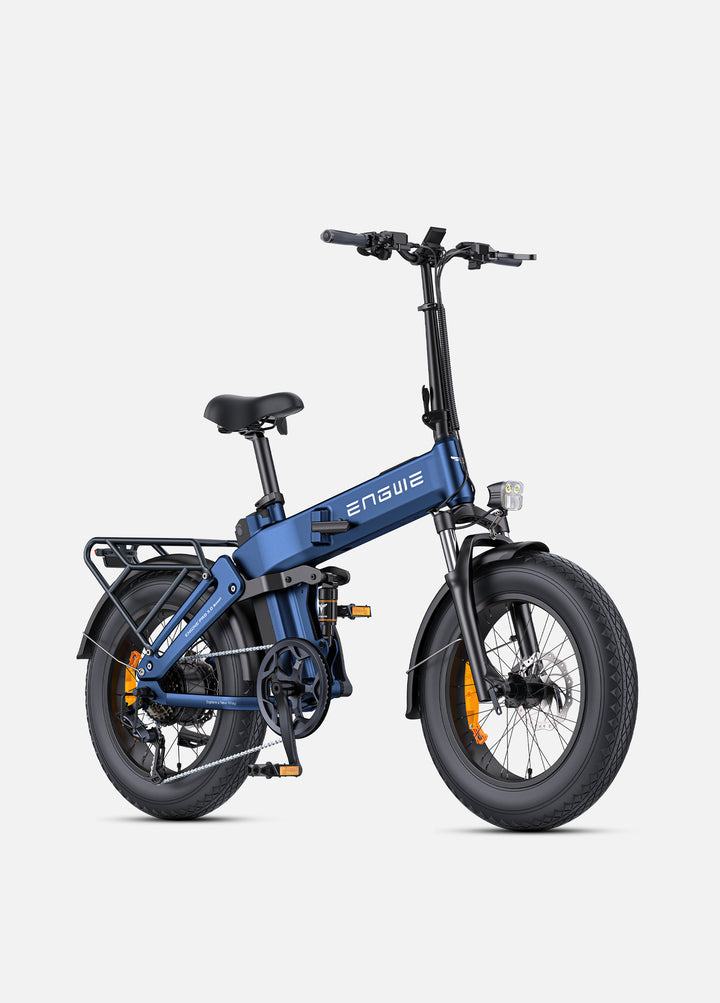
For example, the ENGWE Engine Pro 2.0 is a folding fat tire electric bike that, among other things, features a folding mechanism that can hardly be considered a structural weakness.


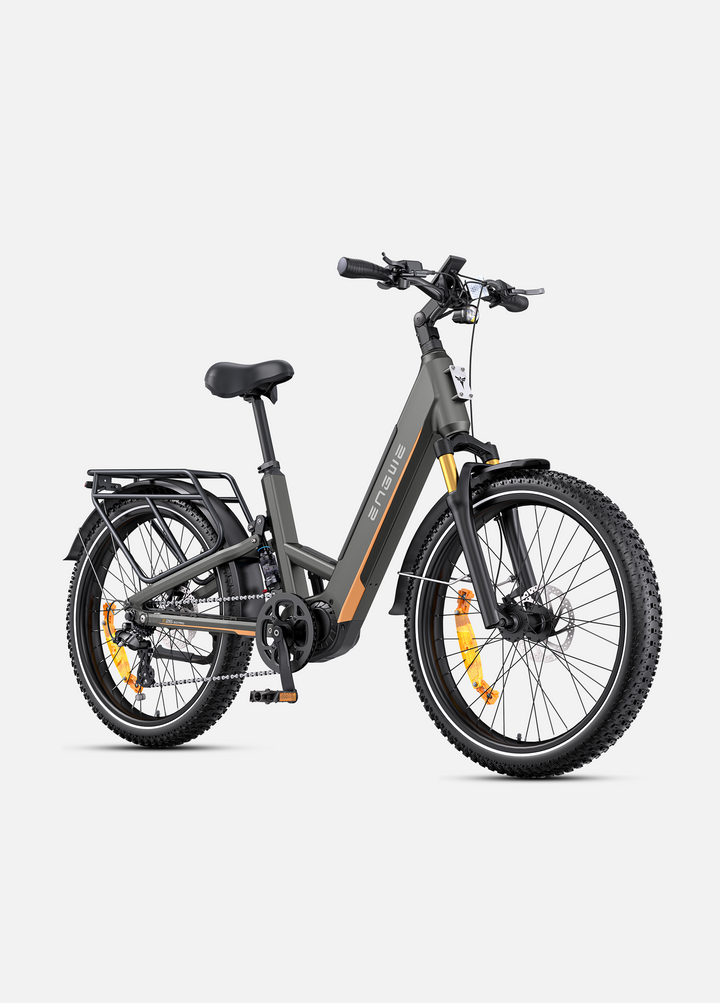
Another one from that brand, which is quite interesting, is the ENGWE L20. This model is all about making things easy for the users with its step-through frame; however, it still keeps the tough features of the e bike fat tire type.
It’s for people who need a reliable daily commuter. It can carry cargo and handle various weather conditions without tiring or wearing out. These bikes are built to last. They have weather-resistant wiring and reinforced racks. These parts are usually stronger than those on lightweight urban e-bikes.


Aside from ENGWE, several other top brands have been innovating in terms of durability. In fact, the Rad Power Bikes RadRover 6 Plus is frequently recognized as the best fat tyre electric bike in the North American market.
It is equipped with a custom-geared hub motor that can tolerate the pressure of heavy tires for a long time. Likewise, the Himiway Zebra is capable of carrying a heavy load. It features a robust frame design that is specifically meant for hunters and outdoor enthusiasts who expose their bikes to harsh conditions.

If you are after versatility, you might check out the Aventon Aventure.2, which uses fancy torque sensors in a tough frame. It ensures the motor power is applied gently. This reduces mechanical wear on the drivetrain since the power delivery systems don't switch on and off suddenly.

Drivetrain and Braking Systems in Harsh Conditions
The drivetrain is one of the parts where a fat tyre electric bike could be at a disadvantage over a road bike. As these bikes are typically used off-road in mud, sand, and snow, the chain and gears get dirtier and wear out faster.
Nevertheless, a number of the electric fat tyre bikes come with features that can reduce wear and tear by using premium, corrosion-resistant parts. The bikes are heavier, so makers aren't focused on saving weight like in road racing. This allows them to use stronger chains and larger brake rotors.

Fat tyre electric mountain bike models have their braking system almost exclusively hydraulic. The bike's heavier weight and quick downhill rides are why these systems have features for maximum heat dissipation. This helps them last longer. A lightweight city ebike could have mechanical rim brakes or small disc brakes, but a fat tyre version usually has large 180mm or 203mm rotors.
Portability vs. Durability: The Folding Factor
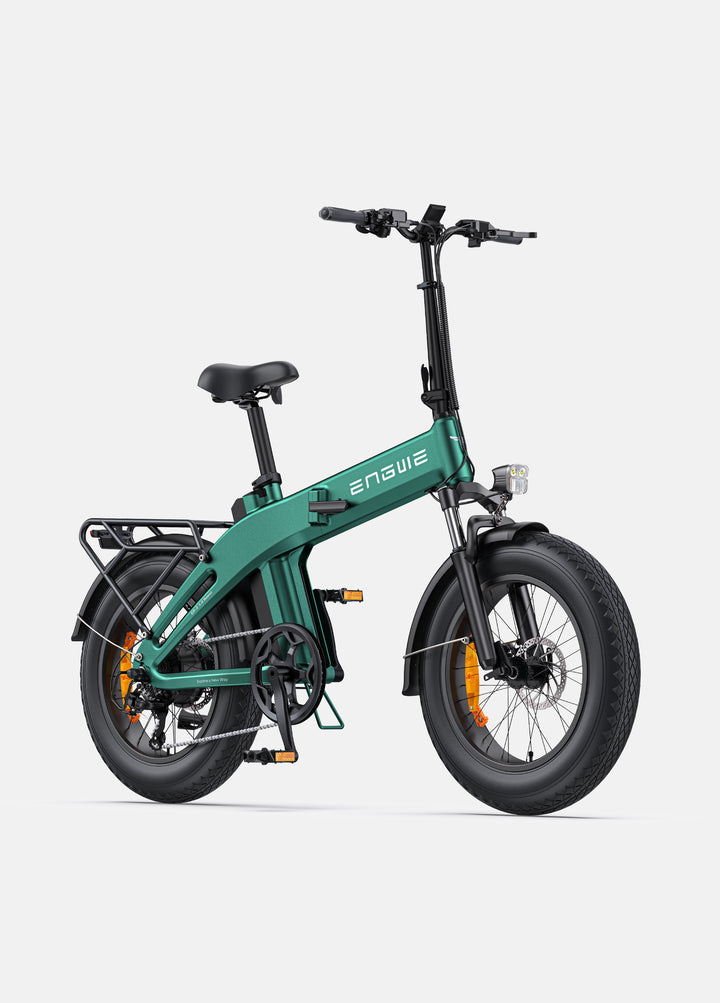
People regularly discuss the durability of folding fat tire electric bikes as compared to those with fixed frames. The joint is, after all, an inherent weak point. Modern engineering, however, has made these joints so robust that they even have locking devices to deliver a firm interface when locked.
Besides, a folding fat tire electric bike is a great idea if one wants to store the bike inside a house. Keeping an ebike safe from rain, dampness, and temperature changes helps its battery and motor last longer. A foldable bike stored in a cool room will likely last longer than a "tough" fixed-frame bike left outside.

Maintenance and the "Tough" Reputation
Durability should not be equated with never needing maintenance. A fat tyre electric bike can cover more ground, and it is generally used that way. If a rider cleans and lubricates the bike regularly, a fat tire model will likely stay in better shape than a standard e-bike after five years of heavy use.

Riding along a beach, where salty water splashes, or through a muddy forest means you'll need to clean your bike more often. This is especially true compared to riding on clean suburban roads.
The parts of electric fat tyre bikes that involve motion, such as the bearings, the headset, and the bottom bracket, are generally well sealed against the environmental elements. Here are the reasons they are considered excellent. Manufacturers of electric fat tire bikes often go above and beyond.
Final Verdict
Is a fat tyre electric bike more durable? Most objective measures concerning frame strength, wheel resistance, and component protection suggest that they are. They might be heavier and not as "agile" for racing, but they last longer. They can handle daily commutes and off-road adventures much better.
ENGWE, like other brands, shows that high-volume tires and smart frame design can create a vehicle. This vehicle can serve as a reliable means of transport instead of just a fragile toy.
Whether you want a fat tyre electric mountain bike for the Sunday trails or a folding fat tire electric bike for multi-functional city living, these extra rubber and metal designs boast clearly offer a phenomenal lifetime advantage.
Frequently Asked Questions (FAQs)
Are fat tires more puncture-resistant than thin tires?
Though the thickness of the rubber differs among brands, the main benefit is the reduced pressure. With lower pressure, you can easily roll over sharp objects that may cause a "pinch flat" in a high-pressure, thin tire with electric fat tyre bikes. Plus, a lot of fat tires come with added protection layers since they are mainly used for off-road riding.
Does the extra weight of a fat tyre electric bike make the motor wear out faster?
Wear and tear on the motor is not really a problem. E.g., the motors in the best fat tyre electric bikes are custom-wound and geared to deliver high torque; thus, they can easily handle the extra load. In fact, if the motor is properly selected according to the bike's weight, it will last even longer.
Can I ride a fat tyre ebike on the pavement without damaging it?
Absolutely. They've got such great traction and a superb grip off-road, plus electric fat tyre bikes are also very strong on the asphalt. The only trade-off is a bit more road noise and slightly higher rolling resistance. However, the bike's frame stays undamaged.
Is a folding fat tire electric bike safe for heavy riders?
Yes, most models, including those from ENGWE, have been equipped with very high payload capacities. The factories test the folding mechanisms under tough conditions. This ensures they stay locked, even when the rider carries a heavy load on rough roads.
How long do the tires last on a fat tyre electric bike?
Since there is more surface area of the tires touching the ground, the tread wear is usually more evenly spread out. Depending on the type of rubber compound and the road surface, in general, you can get a few thousand miles out of them before they need replacing.