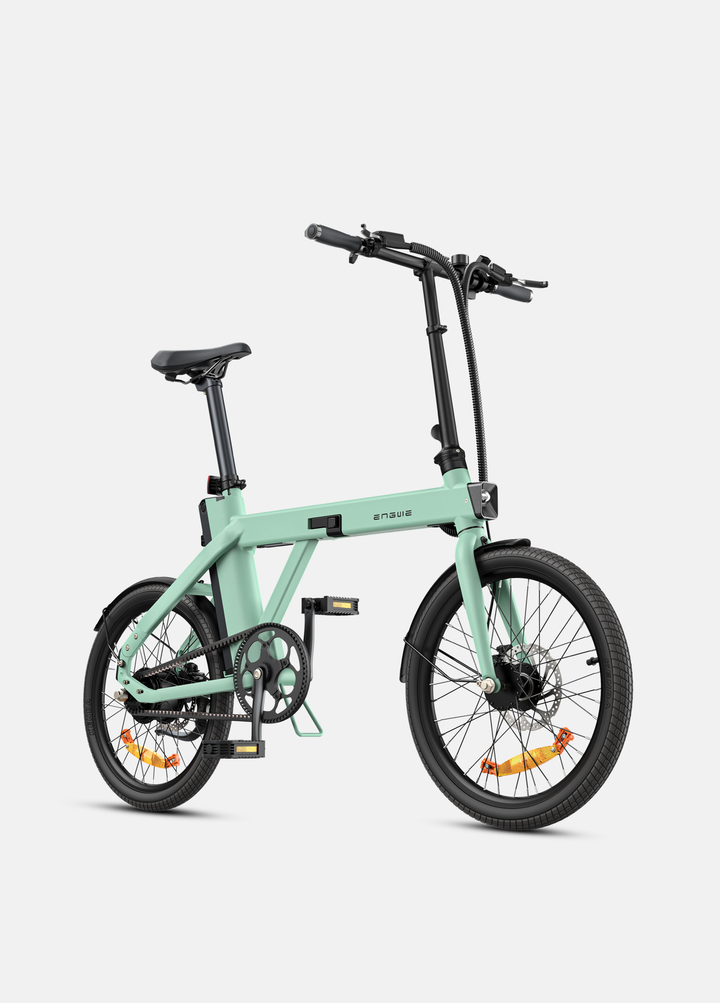
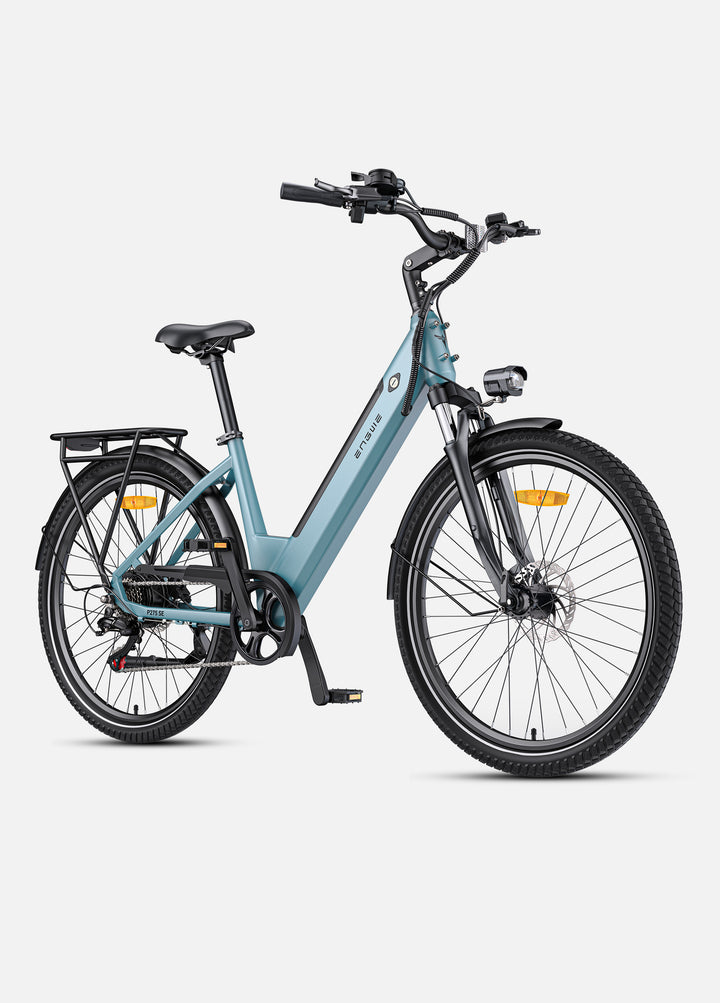
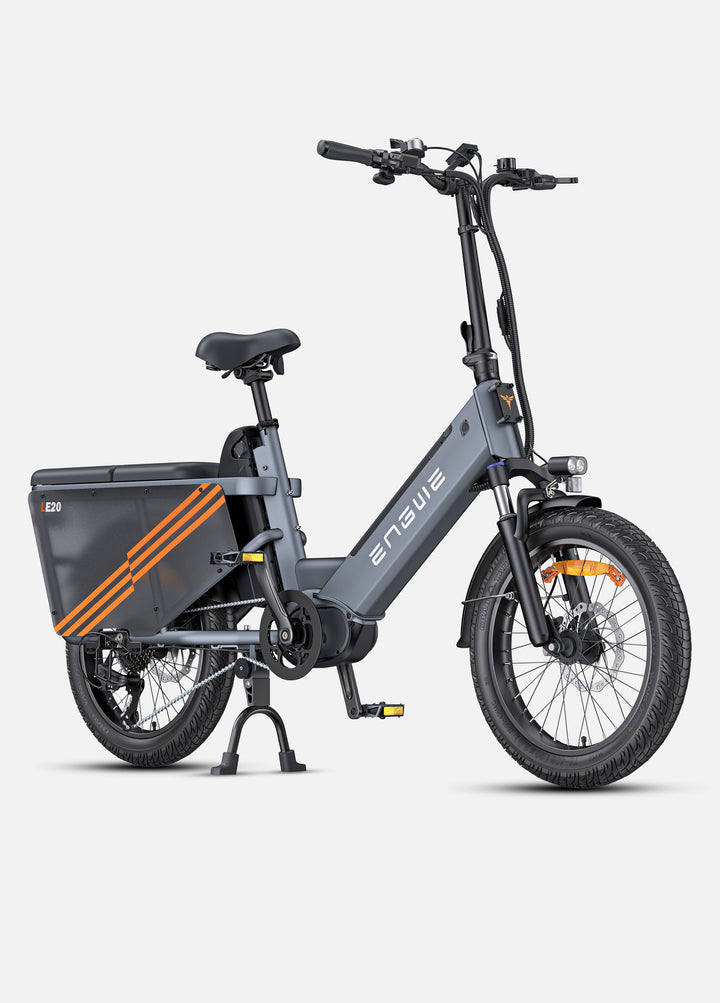
Selecting the best electric bike battery takes some deep consideration as it is certainly one of the single most influential factors on power, range, and price. It’s always tempting to think more power is better, but what voltage will work best for you all comes down to your use case – from gentle urban rides through to hard-charging off-roading. This guide will take you through five key areas which should help you understand the trade-offs and uncover what battery voltage is really best for you.
1. Performance: Power, Acceleration, and Hill Climbing
An e-bike's battery voltage is a good indicator of how powerful your electric bike will be. You can think of voltage as the “electrical pressure” that pushes current to the motor. A higher voltage enables the system to put out more power and be more efficient, which means real-world performance gains whether you’re on a mountain or a road. Elucidating this connection is crucial to choosing a bike that suits your riding and what you expect out of it. Where the distinction appears most visible is during acceleration from a stop and climbing steep grades, where other voltage systems can falter.
36V Systems
This is the most common voltage for entry-level and lightweight commuter e-bikes. They offer sufficient power for flat and hilly terrains. They’re great for the casual rider who values portability and price over brute strength.
48V Systems
This is the most popular and most versatile voltage system - the best of both worlds for 95% of riders. It provides much more power than 36V systems and delivers that extra push when your vehicle needs it, up steeper hills or through the tall grass. It's perfect for daily commuting, casual riding, and conquering those moderate hills.
52V Systems
A fan favorite among e-bike enthusiasts, 52V batteries offer substantial performance gains over the 48V standard - more rapid acceleration and greater speed retention on hills are a few reasons why performance-oriented riders and heavy-load enthusiasts favor these systems!
60V & 72V Systems
These high-voltage systems are dedicated to high-performance e-bikes, electric motorcycles, and extreme off-road machines. They provide insane torque and speed that are equally at home on the toughest mountains as they are in an all-out drag race. But they do so at the expense of weight, cost, and complexity.
2. Range and Efficiency: The Long Haul
Whereas voltage is all about power, the real measure of an e-bike’s potential range is how much total energy it can store, measured in watt-hours (Wh). You can estimate this number by multiplying the voltage (V) of the battery by its amp-hours (Ah). Higher voltage systems can be more efficient in that less energy is wasted under heavy load as heat, which can contribute to longer range, but the watt-hour rating is the most critical number you need to take into account. And maximizing your range is not just a matter of choosing the biggest battery; it means mastering all the factors that contribute to your vehicle’s endurance.
What are Watt-Hours (Wh)?
This is your most important range comparison metric. If you compare a 48V 15Ah battery (720Wh) and a 52V 10Ah battery (520Wh), the one with the lower voltage will still give you more distance. Always compare Wh ratings.
Terrain and Riding Style
Riding hard with full assist in hilly terrain is going to eat through that battery a lot faster than if you had the bike on low pedal assist riding on flat ground.
Total Weight
How hard the motor has to work depends on how much you and anything you’re carrying weigh, which will have an impact on your range.
Tire Pressure
Easy, but it helps. Tires that are inflated to the correct pressure have less rolling resistance, because they squish against the ground less, so you can eke out more miles between charges. Check your tire pressure weekly. It’s a free strategy for improving efficiency.
System Efficiency
Higher voltage systems tend to operate cooler and more efficiently for a given load, and that may help range a bit for the same energy level.

3. Cost and Component Compatibility
The initial cost and lifetime running costs are largely determined by the battery voltage you select. There are parts of the drivetrain, from motor to controller, that have to be more robust and therefore costlier for higher voltage systems. This results in an obvious budget hierarchy and is something prospective buyers should know. And the ability to get it repaired? Especially the battery itself, which has limited availability.
Initial Cost
36V and 48V electric bikes are the most popular, so going with this voltage will ensure you get the best price, due to economies of scale. As you step up to 52V, 60V, and 72V, the bikes get more and more specialized and prices quickly go up exponentially.
Battery Replacement
The battery is the priciest consumable on an e-bike. A new 48V battery is generally easier and cheaper to find as compared to an oddball, one-off 72V pack.
Controller and Motor
You can't upgrade the battery on its own. For a 48V battery, you need a 48V controller, for running a motor and components designed to run on the specified power. Trying to piecemeal everything together is risky and will probably destroy your e-bike.
Market Availability
48V parts are the standard in the industry, which means you get access to reliable systems with many accessories and bikes on offer. It can be harder to find parts for higher voltage systems.
4. Our Top Pick: The ENGWE EP-2 3.0 Boost
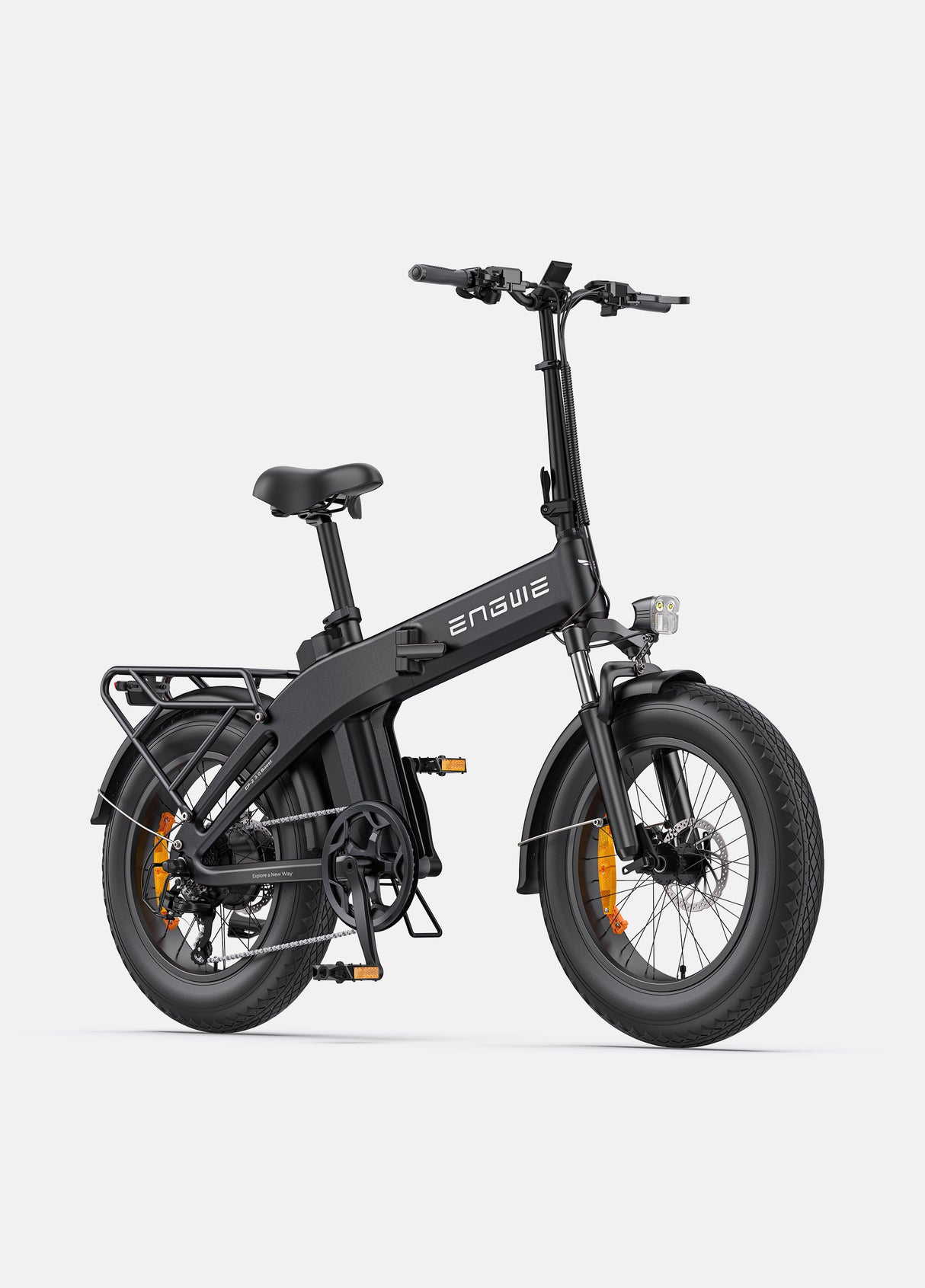
Riders wanting a combination of power, range, and advanced technology will be most attracted to the 48V system. It has plenty of power for just about any situation without the weight (or cost) penalty that comes with higher-voltage setups. In this group, ENGWE has the formula totally waxed with their amazing ENGWE EP-2 3.0 Boost. This e-bike is a work of engineering art, created to give you an exciting and intuitive ride on any terrain. It illustrates exactly the point of why a well-designed 48V system is superior for most users.

Smart Power
It comes with a strong 48V system along with the latest torque-based sensor and four levels of power assistance. This results in one of the smoothest and most responsive pedal assist experiences we have ever felt—like an extension of your own power.
Class-Leading Power
An impressive 75 Nm of torque in Boost Mode delivers the power you want and the speed you need.
Excellent Range and Convenience
A big 48V 13.5Ah lithium battery, offering an amazing max range of 120km (in full electric mode). Combined with a 4A fast charge charger, the charging time is reduced to 3.5 hours, averting prolonged downtime!
All-Terrain Master
Our fat-tire specific electric mountain bike, The EP-2 3.0 Boost is ready to ride from pavement to snow-packed trails with its monster 20" x 4.0" all-terrain tires, hydraulic disc brakes for precision braking ability, and a Shimano 7-speed drivetrain that makes easy work of tough uphills into the forest or cruising to your favorite bar in town.
Smart & Practical
Smart app connectivity with Bluetooth and a fold-it-and-go design make the EP-2 3.0 Boost the ideal sporting companion for both exploring and daily commuting.

5. Weight, Convenience, and The User Experience
However, more than simple performance characteristics, the size and weight of a battery also play an important role regarding the daily handling of an electric bicycle. A larger, higher-voltage battery will also inevitably be heavier, and that difference will impact everything from the handling and balance of the bike to your ability to carry it. These are the sorts of practicalities that can get overlooked very easily but can make all the difference in whether you adjust to your e-bike instantly, or not at all.
| Voltage | Typical Usage | Power Level | Price | Weight |
|---|---|---|---|---|
| 36V | Casual commuting, Flat Land | Mid | Low | Light |
| 48V | Cross Country, Moderate Hills | Good | Medium | Moderate |
| 52V | Enthusiast Riding, Hilly/Steep Terrain | High | Med-High | Moderate-Heavy |
| 60V+ | High Output, Off-Road | Very High | High | Heavy |
Handling and Balance
A heavier battery, particularly when installed at the rear rack, can cause the bike to experience a higher center of gravity and perhaps feel less maneuverable. Frame-integrated batteries offer better balance.
Portability
If you’ll need to carry your e-bike up stairs, load it into a car, or onto public transportation, every pound is important. A lighter 36V or even the more common 48V system will be much easier to deal with than a huge, heavy one at 72V.
Charging Logistics
Larger batteries are heavier and can (sometimes) take longer to charge. Think about where you will be charging the bike and how convenient it will be for you to carry in (or leave out) a removable battery.
Frame Integration
When it comes to frame integration, manufacturers sometimes have a hard time getting very large, high-voltage batteries to look sleek when designed into the bike frame, where they can also create awkward, bulky, or unbalanced designs.
Frequently Asked Questions
Q1: Is it possible to upgrade an electric bike from a 36V lithium battery to a 48V?
A: It is not okay to just change out the battery. If you increase the voltage, an entire upgrade to a new controller and motor may also be in order to ensure proper fit and capacity for the increased power.
Q2: Is it safe to assume a higher voltage means more range?
A: Nope! Range is based on Watt-hours (Wh), which are Voltage (V) times Amp-hours (Ah). A 36V 20Ah (720Wh) battery will take you further than a 48V 10Ah (480Wh) battery, all else being equal.
Q3: Which voltage should I choose if there are a lot of very steep hills in my area or I weigh 100+ kg (220 lbs)?
A: A 48V system is a good place to start, or you could consider a 52V system. It adds power to the process of climbing steep hills without adding extra load on the motor and controller, giving you better long-term performance.
In the end, the right e-bike battery is the one that best suits your own riding style, terrain, and budget.