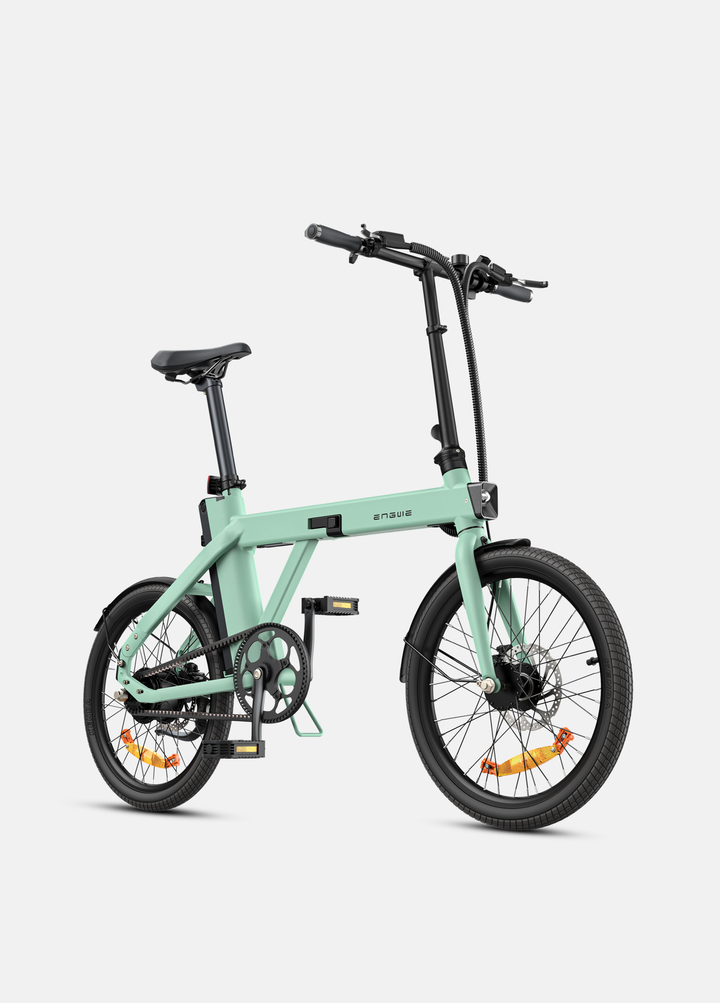
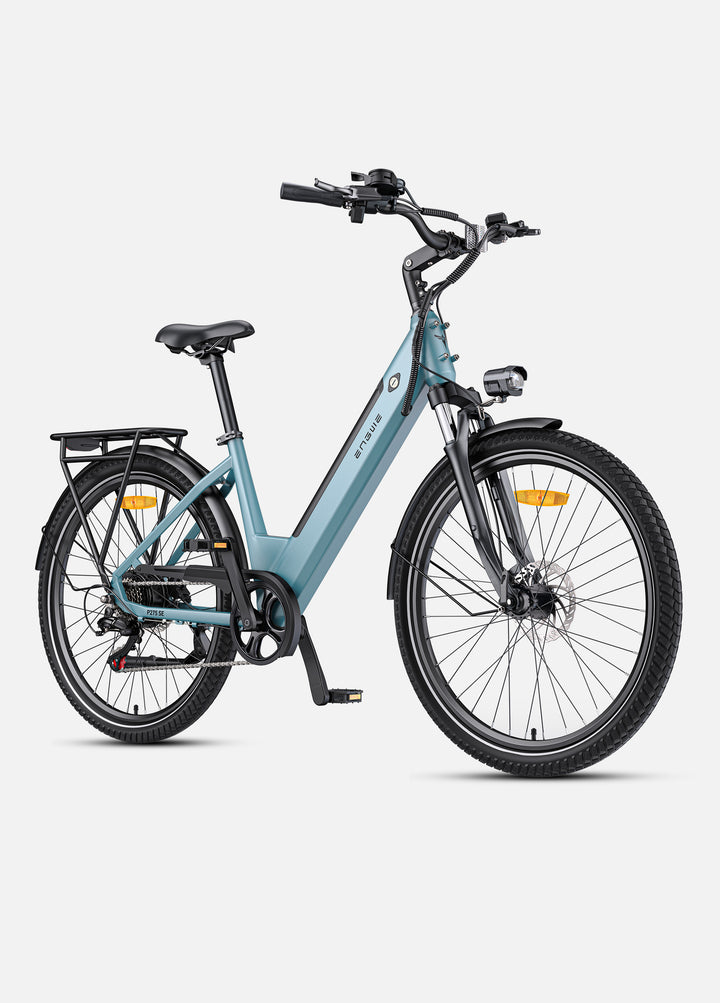
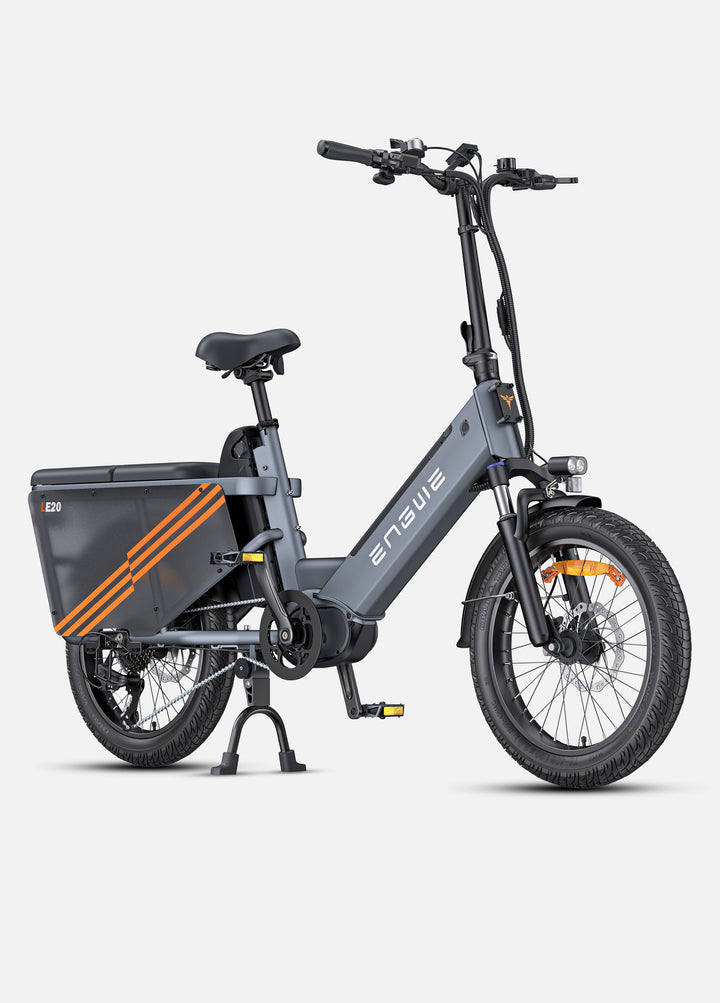
The right lightweight commuter electric bike can make your day-to-day life in the city so much more fun. The market is crowded with options, but terms like weight, motor power, and battery life can leave the layperson and experienced rider equally dazed. This shopping guide aims to ease your purchasing job.
We'll describe the 5 dimensions to consider so that you can find and choose an e-bike that is easy to carry, fun to ride, and perfect for your urban lifestyle.
Understanding E-Bike Weight and Materials
Let me describe a little more about how materials affect the lightweight aspect of an e-bike and what lightweight is, to begin with, in terms of an e-bike. An e-bike's weight is a major factor in how portable it will be (can you carry it up stairs, lift it onto a bike rack, take it on public transport?). You've got the choice: mass, strength, and features.
One important user skill is to develop an understanding of the needs you have yourself: If you live on a third floor with no elevator, every kilogram counts. We can divide e-bike weights for a clearer indication.
| Weight Class | Common Weights | Ideal Use |
|---|---|---|
| Ultra-lightweight | Less than 15 kg (33 lbs) | Multi-modal commuters, apartment dwellers. |
| Compact | 15 - 20 kg (33-44 lbs) | Urban commuters that want a balance of versatility and easy-to-carry. |
| Mid-weight | 20 kg - 25 kg (44-55 lbs) | Riders who prioritize range & comfort more than portability. |
| Heavy-duty | Over 25 kg (55 lbs) | Cargo carry, off-road, not great for portability. |
The frame material is the most significant contributor to the weight category of an e-bike. Knowing about such materials is essential to make an informed, good choice.
Aluminum Alloy
It is the most commonly used and liked material for commuter e-bikes. Its strength, good corrosion resistance, and light weight make it an excellent choice. It’s an affordable option that provides reliable performance for everyday use.
Carbon Fiber
The best in lightweight and durability. It is extremely lightweight and exceptional at reducing road vibrations for a more comfortable ride. But it's also the most expensive and can be damaged by sharp blows.
Steel (Chromoly)
Super durable; comfortable, compliant ride feel. Steel frames, while great for taking hits on the trail and reducing impact in your joints, tend to be heavier than aluminum or carbon options, so you don't see them very often on true lightweight bikes.

The Powertrain: Balancing Power and Portability
When selecting a lightweight, commuter electric bike, it becomes the powertrain—the motor and battery—that you have to balance on the scale. A giant motor and battery are going to mean amazing power and range, but you’re also getting a huge chunk of weight that will nullify everything there is to gain from a light build.
The wise choice is to prioritize efficiency over brute force. For typical urban commuting, smaller, well-thought-out motors are more than adequate, allowing the bike to remain nimble and easy to maneuver.
Here are the major powertrain components to keep in mind:
Type and Position of the Motor
Rear Hub Motors: Available on most commuter e-bikes. They sit in the center of your rear wheel, are relatively inexpensive, and you will feel them “pushing”. They’re good on flat terrain for riding around the city.
Mid-Drive Motors: These are situated adjacent to the cranks and apply power directly onto the bike's drivetrain. They have a more natural, balanced riding feel and are better uphill. They're most often found on higher-end, and occasionally heavier, e-bikes.
Motor Power and Torque Characteristics
Power (Watts): It will typically be within the 250W to 350W range for a featherweight commuter. It offers sufficient support on hills and acceleration without the necessity of a large, heavy battery.
Torque (Nm): This is how much rotational force your engine generates. More torque is better for getting up to speed quickly when stopped as well as climbing steep hills.
Battery Considerations
Watt-hours (Wh): The greater the number of Wh, the longer the range, and the heavier the battery. For a 5-15 mile commute, there’s value in the battery being as light as possible, around 250Wh to 400Wh.
Removable: You can't replace your own iPhone battery, but it's incredibly handy to be able to slide out and swap in a new power source. You can charge it indoors without taking the bike in, and it lightens the bike for carrying up stairs.
Charge Time: A quick charge time equates to less downtime. Keep an eye on chargers that boast the ability to recharge your battery in 3-5 hours.
Featured Model: The ENGWE EP-2 3.0 Boost
When searching for a commuter e-bike that can handle any commute or ride and offers the latest in technology, ENGWE comes out as the first choice. Where some brands use their expertise in going lightweight to design a bike that costs a fortune, ENGWE offers you the same exceptional power, innovation, and versatility for modern or similar weight reduction. Their system guarantees you receive a rugged cross (all-) terrain machine ready to tackle your local trails, rail-trails, street roads, and back lanes from the off.
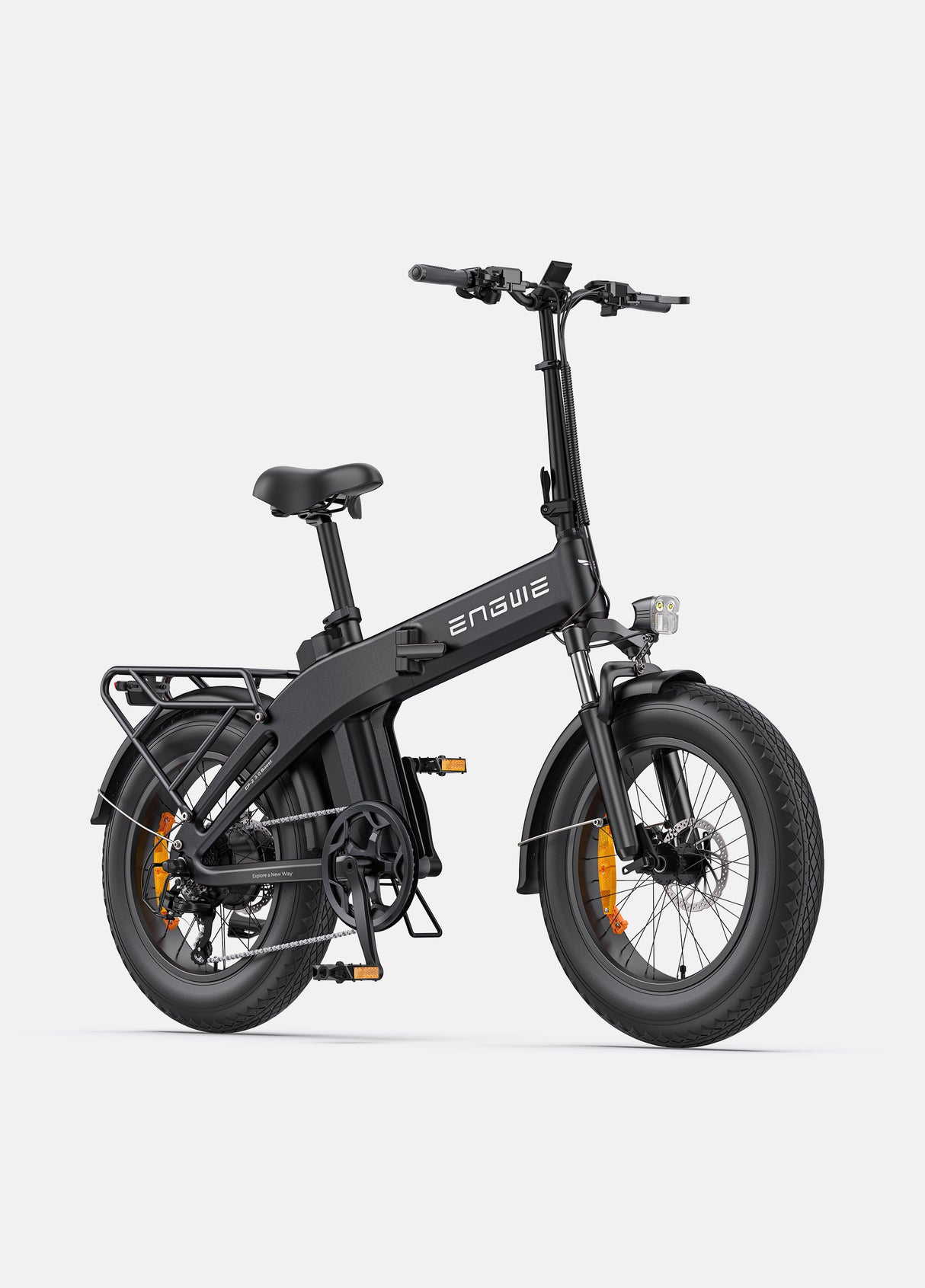
The ENGWE EP-2 3.0 Boost is head and shoulders above the rest in that sense. It’s the perfect choice for the commuter who doesn’t want just a car to go from A to B; it’s an adventure hybrid.
The powerful 75 Nm Boost motor delivers thrilling speed, while the low center of gravity helps make climbing those hills nearly effortless. This power is complemented by an improved torque sensor which perfectly reacts to your pedaling input, making the motor output natural and smooth.

Safety and Convenience
Safety first for riders. The body, made of high-quality aluminum, is equipped with powerful hydraulic disc brakes, providing you with the best riding experience in all weather conditions. Ride with the peace of mind that you are in complete control.
Longer Rides
Longer rides mean more time riding and less time waiting. This is possible due to the long-range 48V 13.5Ah battery which can be charged in only 3.5 hours with the supplied 4A fast charger, delivering a huge max distance of up to 120 km in pedal-assist mode!
All-Terrain Powerhouse
The EP-2 3.0 Boost features huge, 20" x 4.0" all-terrain fat tires and front suspension to absorb rough terrain, from city streets to forest trails–for stable and comfortable riding.
Intelligent and Practical Design
With a collapsible design, the bike is convenient to carry, so you can easily store it in your car when taking it camping or on a road trip. It has an app system (search 'WeRide' on Google Play) with Bluetooth; you can control the assistant level of the motor, lock the motor, etc. You can use GPS for modes when riding off-road.

Essential Features and Smart Shopping Tips
So, while I get that ENGWE is a strong and capable option to consider, there are many other models in the market which stretch their limits exclusively aiming for minimum weight.
For those who, for reasons of strength or train travel, are all about being portable, these ultra-lightweight options should be considered. They usually get to that low weight with minimal designs, smaller batteries, or other fancy materials—carbon fiber, for instance.
Here is a sampling of things to search for in this category:
Single-Speed Simplicity Models
Features: These bikes tend to minimize complexity with a single-speed drivetrain. This eliminates the weight of derailleurs, shifters, and cassettes.
Ideal For: Riders in relatively flat cities who don’t need to shift gears. No additives, and the simplicity is lightweight.
Carbon Fiber Frame E-bikes
Features: Frame, Fork – Crafted from a super-light carbon fiber frame and fork. They typically have fully in-tube batteries and minimalist displays to keep lines clean – and shed grams.
Best For: The commuter who desires the absolute lightest e-bike possible and is willing to fork out for premium materials for top-of-the-line performance and looks.
Foldable Compact E-bikes
Features: These bikes have small wheels (16” or 20”) and a small fold. The most important measure is the smallest footprint when you fold them.
Best For: “Last mile” commuters who want to take their bike on a bus or train, or stash it under a desk at work.
Without considering weight and powertrain, the best commuter e-bikes come with features that make your daily ride safer, more comfortable, and more convenient. By not taking these details into account, you might have a less pleasant time or find yourself shelling out more cash on aftermarket add-ons. A savvy buying tip is to choose a model where the must-have accessories are included, rather than scrimping on their cost by purchasing each separately.
Here are the key features and smart tips to consider:
Vital Commuter Accessories
Fenders (Mudguards): A must for commuting. They protect your clothes from water, mud, and road dirt, making sure you arrive clean and not as a wet, muddy mess.
Integrated Lights: Lights powered by the bike’s main battery are a lot more convenient than rechargeables. You are guaranteed to be seen, and you will also never run out of charge.
Rear Rack: You can't get by without somewhere to stack work bags, groceries, or panniers. A solidly built, frame-mounted rack is ideal for hauling stuff without having to wear a sweaty backpack.
Design Considerations
Folding vs. Non-Folding: You never know where you’ll end up at the end of your ride, so if you have minimal storage space in your home or apartment, work area, or commute by public transport, a folding frame is super convenient. If you have space to spare and a straight route, a non-folding frame can be marginally lighter and stiffer.
Tire Choice: Search for puncture-resistant tires. It’s really annoying when you get a flat tire en route to work. There are lots of commuter-specific tires with an additional layer, pre-installed.
Smart Shopping Strategies
Time your purchase: Often you can find a better deal on your electric bike during the off-season (late fall, winter) or big sales holidays like Black Friday. Retailers will also typically drop prices when new models show up in early spring.
Look for Rebates: Certain cities or states provide rebates or tax incentives when you buy an electric bike. A fast internet search for “e-bike rebates [your city]” could save you a hefty sum of money.
How much should commuter E-Bikes weigh?
A realistic and great goal is going to be 15-20 kg (33-44 lbs). Bikes in this category mix the features and durability of higher-end bikes at a more affordable price point without compromising overall range or comfort.
Do I need a strong motor for city commuting?
Not necessarily. For cities, 250W can suffice just fine. A responsive sensor (such as a torque sensor) that delivers power smoothly and intuitively is more essential, dictating the ride feel to be more natural and controlled.
A compact e-bike is always better for commuting, right?
It really comes down to what you want. If you have stairs on the way home, take public transportation, or have limited space, a foldable e-bike is a better solution. Otherwise, a non-folding e-bike might provide a frame with a bit less flex and fewer moving parts.
With the above information, you can now go and choose your perfect electric commuting companion.