Buying a second-hand electric bike is a great way to take advantage of that high-performance ride, without the big-brand new price. But this route is fraught with potential pitfalls in which a dream deal could easily become an expensive repairable project. Chances are, a close look is your strongest defense against buyer’s remorse. This guide includes the 5 most important components to check prior to spending your hard-earned cash, putting you in a position of knowledge so you can head home with confidence and ensure you're buying a good second-hand e-bike.
1. Mechanical Health Check
At the apex is the mechanical health of the bike, that which simply consists of any average bicycle's components. These components are subject to wear and tear, not to mention costly if they need replacing, so a thorough check is essential. Before you even get to the electronics, check the heart of the machine to see if it is safe and runs. A bike with garbage mechanics has no place on the road, no matter if the motor is sweet. Begin with a visual check, then go hands-on to identify issues.
Brakes
Apply the brakes by squeezing the brake levers. They should be firm and bite without pulling all the way back to the handlebar. A spongy feel might indicate aeration in hydraulic lines, while a very stiff lever could point to a stuck piston. Visually check the brake pads - there should still be a lot of pad material there. Look at your brake rotors: You don't want deep grooves or warping.
Drivetrain and Gears
Examine the chain, cassette (rear gears) and chainrings (front gears). The teeth should look like rolling hills, not sharp, shark-fin points (which suggest a great deal of wear). Note: You should use a simple tool to check to see how much the chain is stretched; the more expensive cassette and chainrings will wear out quickly with a worn chain. Shift through all the gears to make certain the derailleur is moving smoothly and accurately.
Wheels and Tires
Turn the wheels and check from the front. They should rotate true, without much, if any, wobble side-to-side or hop up-and-down. Grasp the rim and attempt to wiggle it side to side — any play signifies worn hub bearings. Inspect the tires for wear and tear, cracks in the sidewall or embedded debris. Negotiate over scuffed tires.
2. The Electric Soul: Battery, Motor, and Electronics
The second, crucial element is the electric beating heart of the e-bike: battery, motor and its embedded electronics. They are the most costly parts on an Electric Bike, and a breakdown here can be almost as expensive as the second-hand bike itself. Unlike mechanical components, it’s not always obvious when they are healthy, so you need to be curious and test them. A weak battery or a noisy motor is one sign of trouble that a buyer should never overlook.
Battery Health
This is the number one check. Ask the seller how old the battery is and how many charge cycles it has experienced, if they know. If possible, the voltage across a fully charged battery should also be measured using a multimeter. Monitor the battery charge meter while taking a test ride. Does it fall well below the minimum artificially when loaded (going up a hill, for example)? This is an indicator of a poor battery with low capacity.
Motor Performance
Pay close attention to the motor during your test ride. Power delivery should be seamless and the action should run with an unchanging low-pitched hum. Other than the whir of the motor, any grinding, clicking or screeching sounds could indicate internal gear wear or bearing failure, which are the most common and expensive failures. Go through the motor in each assistance level; make a test, it must respond and have a sensible power increase on every step.
Controller, Display, and Wiring
Turn on the display and run through all of the modes. Make sure your speedometer, odometer and power-assist settings are operational. Inspect all visible wiring for cracks, fraying or shoddy repairs around moving parts such as the handlebars and rear wheel. A bad wire can also cause power issues that come and go, which are a bear to troubleshoot.

3. Frame and Suspension Integrity
Third, it is important to assess the frame and suspension wear of a bike. The frame is obviously the lifeblood of your electric bike, and any compromise to its safety must never be made. Damage is frequently irreversible and makes the bike worthless. Pay close attention to stress points, and don’t be afraid to look at them closely with a flashlight because sellers sometimes attempt to hide damage.
Inspect the Frame
Check all over the frame, specifically near welds, where the fork attaches to your bike (the head tube) and where the pedal cranks attach (the bottom bracket). Inspect for any cracks in the paint, which may be an indication of a crack that has occurred within the frame material. Look for major dents or kinks, as they will compromise the integrity.
Fork and Suspension
If the bicycle is equipped with forks, press down on the handlebars as hard as you can with your body weight while also pressing the seat back in the opposite direction. It should glide and pop right back with no clunky sounds. Inspect the fork stanchions (the shiny upper tubes) for scratches or oil that has leaked out from a seal, which indicates that you need to replace them.
Bearings (Headset, Bottom Bracket, Pivots)
Test your headset by pressing on the front brake and rocking the bike back and forth. Any knocking or play indicates loose or worn bearings. For the bottom bracket, grab one of your crank arms and wiggle it side to side; there should be no play. If you have a full-suspension bike, inspect all the pivot points for the same excess movement.
4. Consider a New Alternative: The ENGWE L20 3.0 Pro
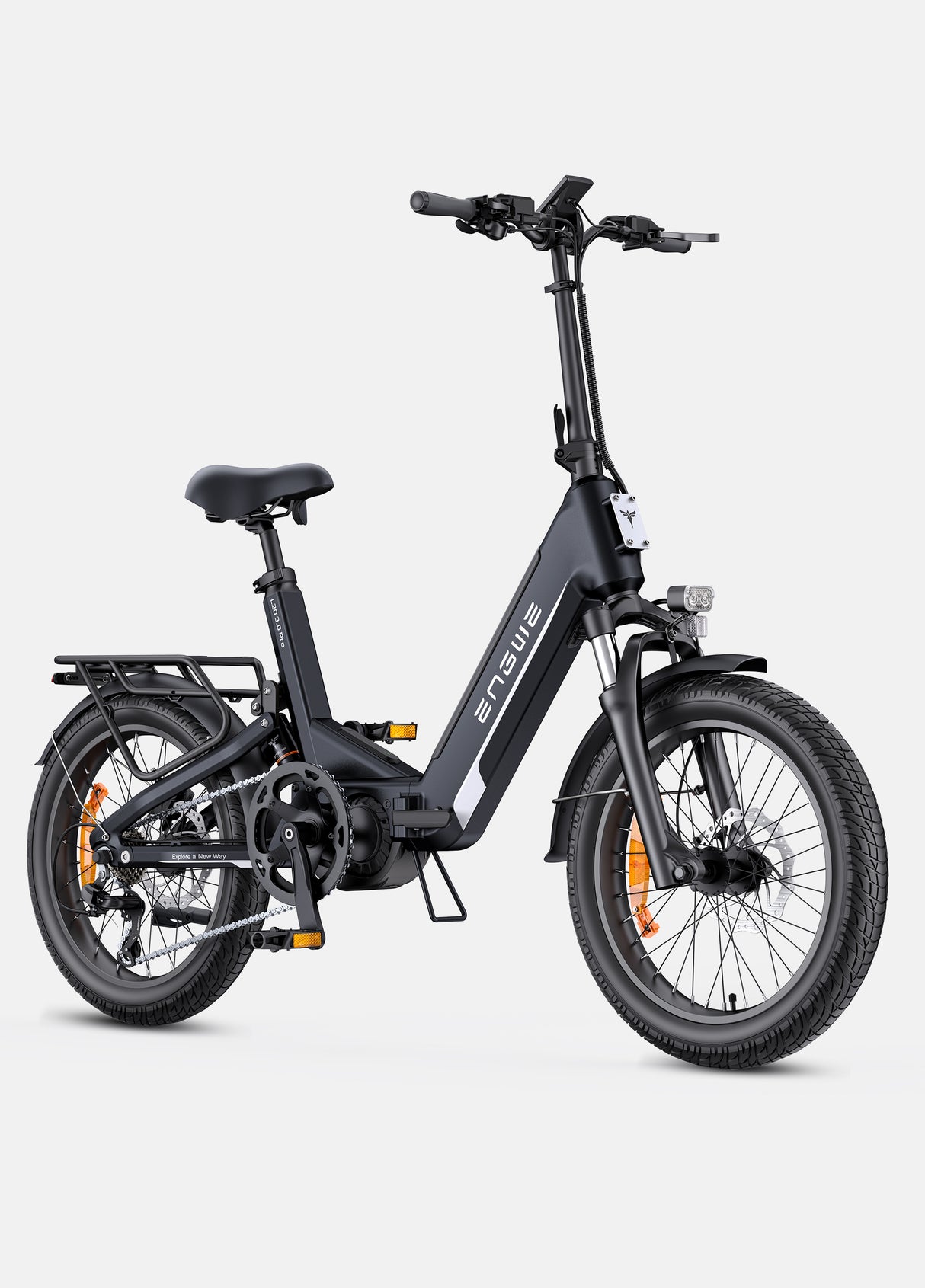
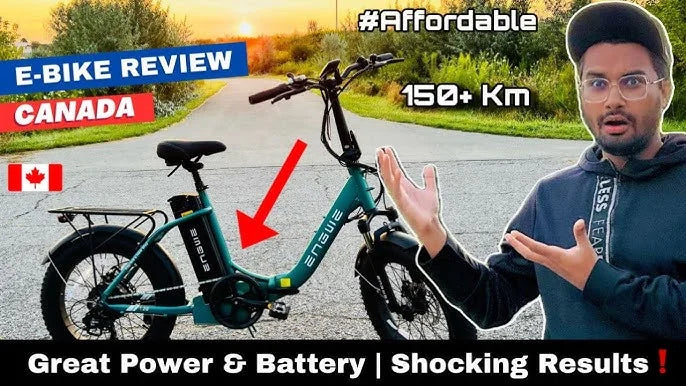
A second-hand bike may be a bargain, but so too can the associated risks of wear and tear as well as its history. That’s because the smarter play, in certain instances, is to invest in a new electric bike from a company that offers premium features with none of the guesswork. For that, ENGWE is a more-than-reasonable option. This company also offers reliable and state-of-the-art bikes that you can trust with a full warranty. The ENGWE L20 3.0 Pro, however, is an engineering marvel that you won't happen upon in the secondhand marketplace. The ENGWE L20 3.0 Pro is the world’s first compact e-bike with a full suspension system that absorbs virtually all road-shaking vibrations! It is equipped with a powerful 250W Mivice motor mounted in the mid-drive that provides 100Nm of torque for easy climbing and a 720Wh Samsung battery which can reach up to 160km range. A Special 4-Level Smart Anti-theft protection was added to the ENGWE IoT module with GPS and Smartphone Notifications via SIM card which is something that other e-bikes certainly don’t have. New from ENGWE you get a perfect, top machine right out of the box.

| Feature | Description | Gain of having the feature |
|---|---|---|
| Motor | Mivice X700, 250W Mid-Drive | With 100Nm of torque, you get powerful and natural acceleration. |
| Battery | 48V 15Ah SAMSUNG CELL (720Wh) | Amazing max distance up to ~160km on a flat surface in ideal conditions. |
| Suspension | Full Suspension System | Unrivaled comfort, soaking up bumps on city streets. |
| Security | ENGWE IOT Module | GPS locate, 4G, and Bluetooth for better anti-theft. |
| Brakes | Dual-Piston Hydraulic Brakes | Dependable stopping power in all weather. |
| Frame | Foldable Step-Through | Mount and store with ease. |
5. Paperwork, History, and Market Research
And lastly, the fifth aspect of that key check is paperwork, history, and general market intelligence. Electric bikes are an expensive investment and you need to ensure that it is a good one. This provides you with protection from stolen property and makes sure the price is fair. A transparent seller and provenance with docs here is often a good indicator of a well-kept bike.
Proof of Ownership
ALWAYS ask for the original receipt or proof of purchase. This shows the seller is the legal owner, which will be necessary to prove the bike isn't stolen. Compare the bike’s serial number (typically on the bottom bracket) with online bike registration databases if you are at all dubious.
Service History
See if the seller has any maintenance or repair records available. The former is a much safer bet than the latter. Documentation of battery exchange or motor maintenance is especially important.
Model Research
Before seeing the bike, look up the make and model online. Read reviews, and see if there are any issues or recalls linked to it. This will be valuable for you to know what particular vulnerabilities you are going to look for during your inspection.
Market Comparison
Get a feel for the used market on your model of choice. Search listings on other sites and compare the asking price to what similar bikes of the same age, condition and components are going for. You can also look into other well-regarded brands that you'll commonly find used, including (but not limited to) Rad Power Bikes for its sturdy utility models, Aventon for their handsome commuter bikes, or Juiced Bikes if you want a fast and powerful e-bike.
What is the major thing about a used e-bike that makes you say no?
Those are the two largest red flags: a cracked frame or a totally dead battery. Frame failure is a safety risk, and a replacement battery might be expensive enough to cancel out any savings up front.
Can I haggle on the price now that I’ve looked it up?
Absolutely. Use things such as worn tires, a stretched chain, or cosmetic damage to haggle the price down. Consider the cost of these repairs when you make an offer.
Is it worth a professional inspection by a bike shop?
It’s also advisable to get a professional inspection before making any serious offers, particularly for buyers who are not mechanically inclined. It offers peace of mind and could reveal any issues hidden from you.
By conducting these five important checks, you can be sure to confidently wade your way through the murky used marketplace and find yourself a solid electric bike that’ll last several years into the future.